Product Description
What is Magnetron Sputtering Vacuum Metalizing?
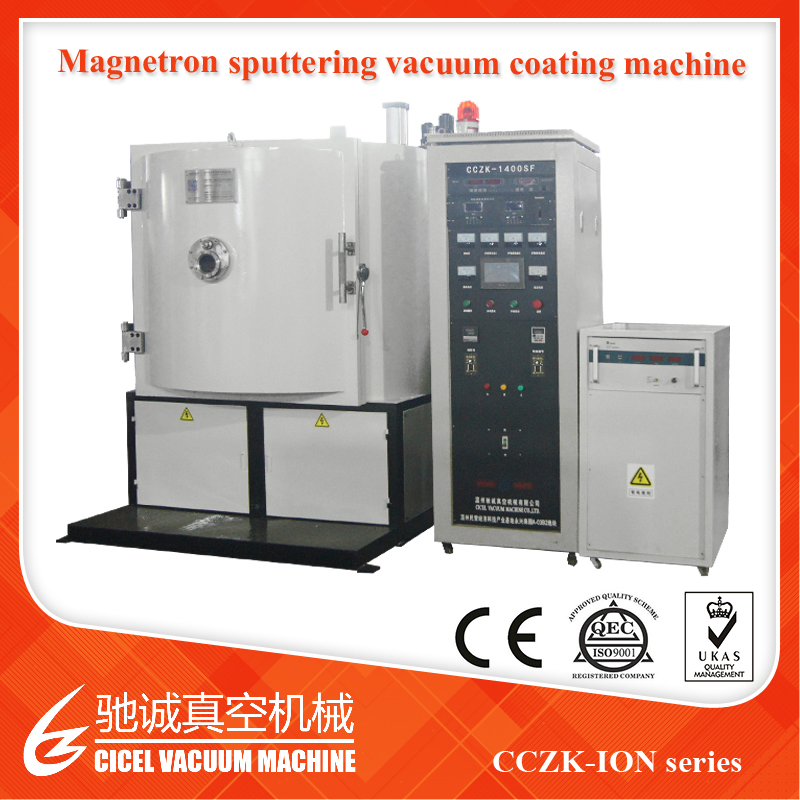
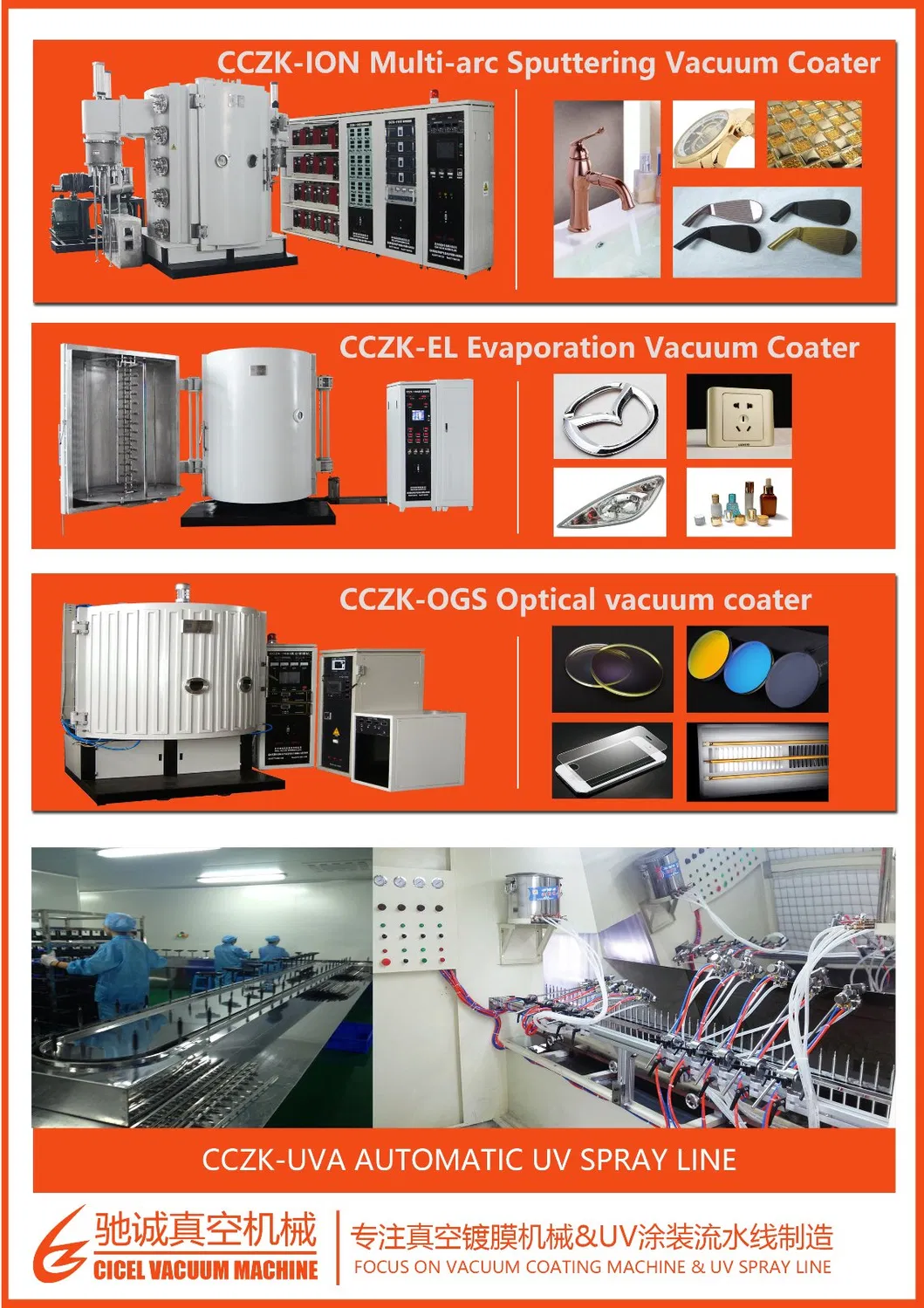
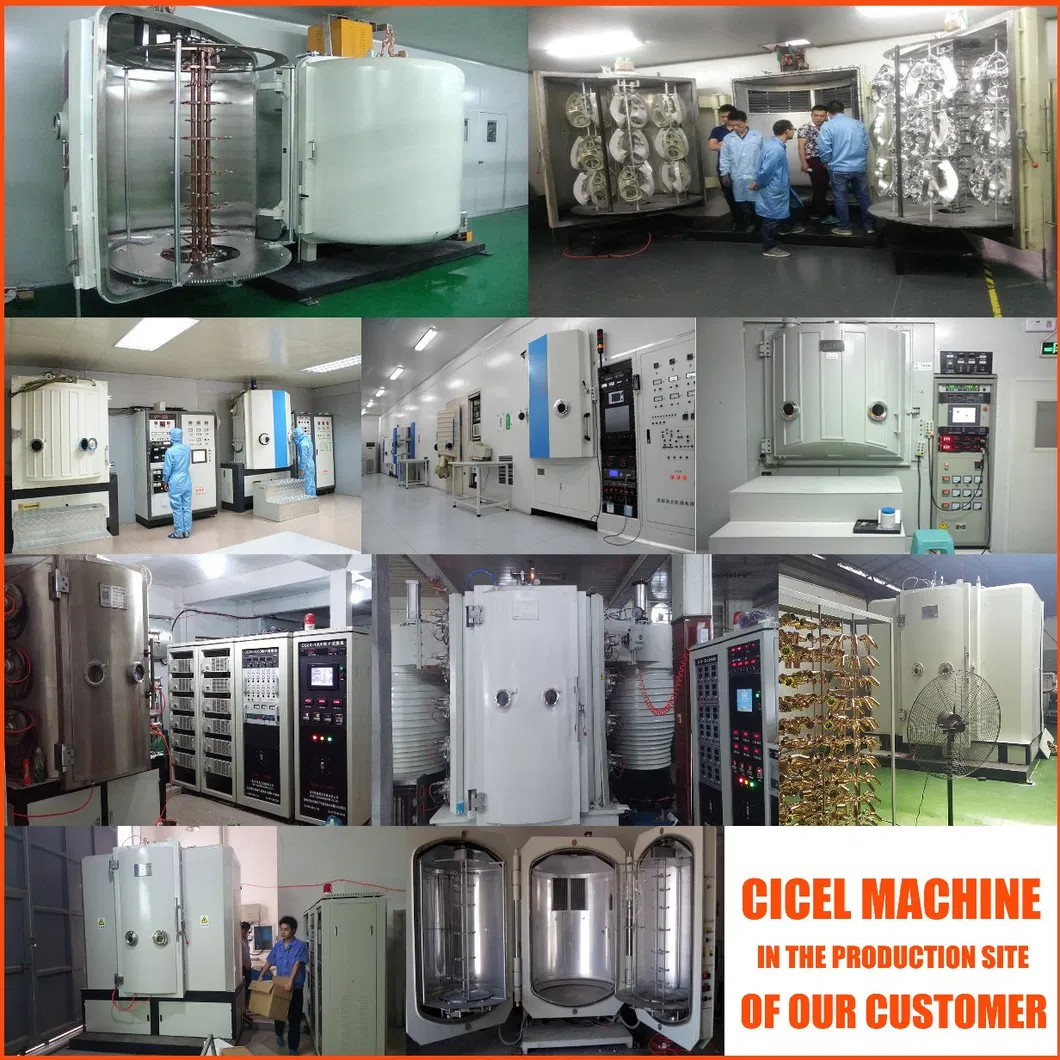
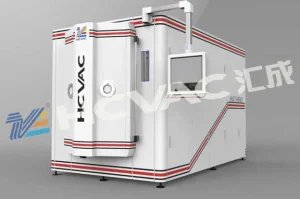
One form of PVD coating technology is magnetron sputtering. The vacuum chamber of the PVD coating machine is filled with an inert gas, such as argon. By applying a high voltage, a glow discharge is created, resulting in acceleration of ions to the target surface from the target. Often an additional gas such as nitrogen or acetylene is used, which will react with the ejected material (reactive sputtering).
Magnetron sputtering uses magnetic fields to increase the plasma density in front of the target. Resulting in increased efficiency, higher sputter rates and improved ion bombardment during the growth of the coating. The coatings are mostly used for tribological and decorative applications.
Main Processing Steps
- Parts are sprayed with a basecoat.
- Parts are racked, put into the chamber, and the chamber is sealed.
- Argon gas is introduced into the chamber in a continuously flowing manner.
- Electricity creates an active Argon plasma field in front of the cathode.
- Positively charged (ionized) Argon atoms are accelerated through a magnetic field.
- The targets are bombarded with ion particles, breaking off atoms of the target materials.
- Continuous sputtering of target atoms are "shot" onto the surface of the part.
- The part is finally top coated for protection.
Why Choose Sputtering Vacuum Metalizing?
Sputtering / PVD can be used with plastics, metal, or glass on pieces utilized in almost any industry, to create tough-wearing and decorative coatings with excellent results.
Applications
- Hardware coating – decorative vacuum metallizing
- Solar Control Reflective Glass & Low-E Glass
- Sputtering Aluminum & Automobile Mirrors
- Auto car wheels
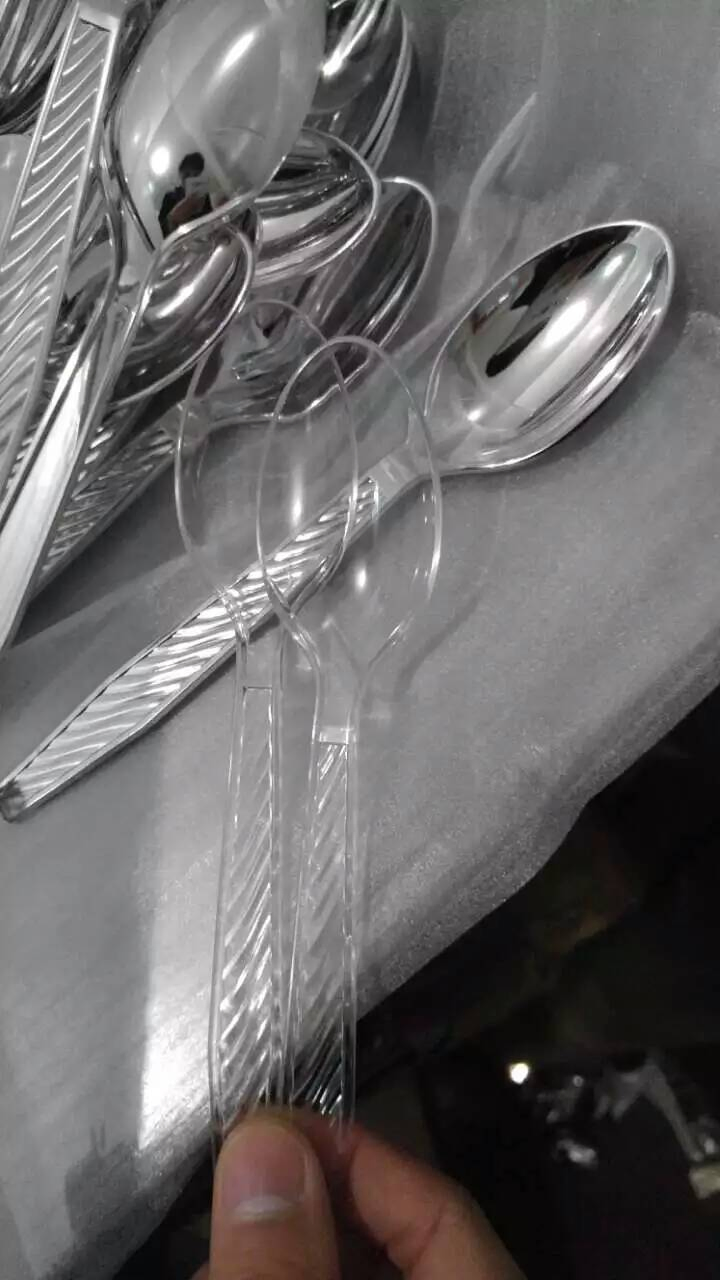
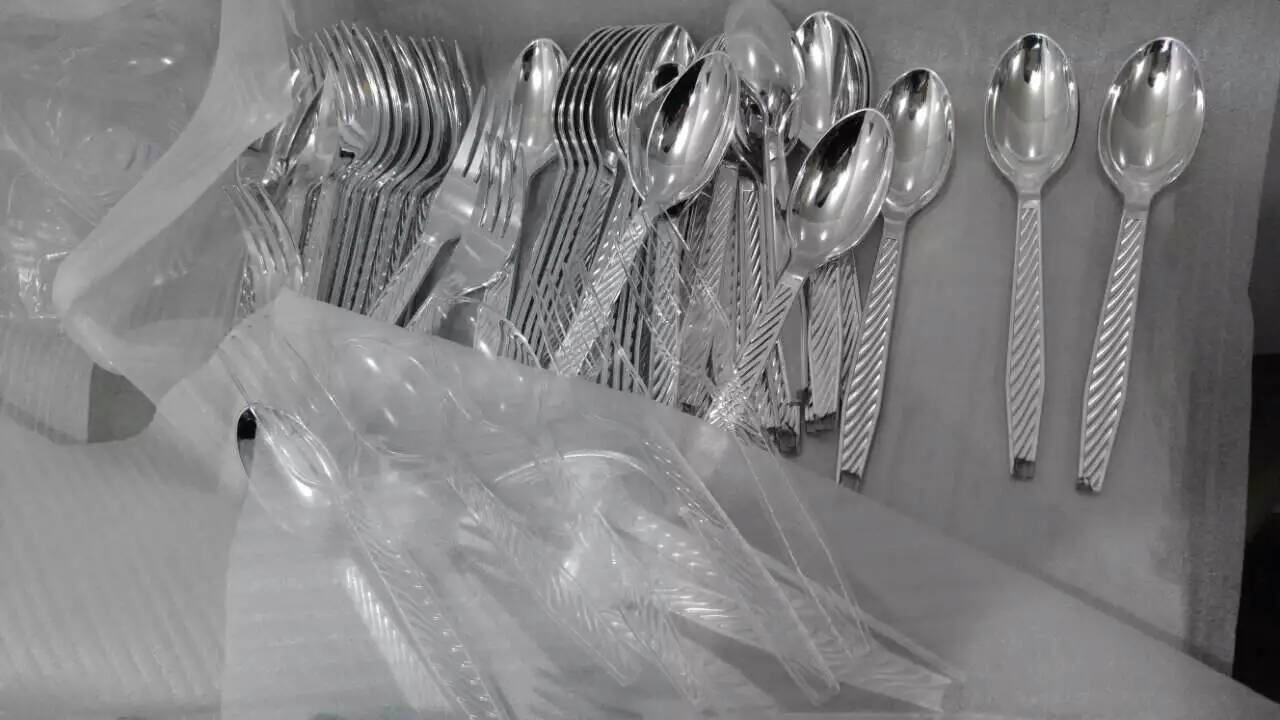
- Plastic and metal cutlery
Frequently Asked Questions
What materials can be coated using this vacuum deposition system?
The system is versatile and can coat various substrates including Stainless Steel, Glass, Metal, Ceramic, and Crystal.
What colors can the Magnetron Sputtering machine produce?
It can produce a wide range of decorative colors such as Golden, Rose Gold, Black, Blue, and Rainbow colors.
Can the chamber size be customized for specific products?
Yes, the chamber size and machine design can be fully customized according to your specific detail requirements.
What kind of after-sales support do you provide?
We offer free training, overseas installation, 24/7 technical assistance, and supply of all necessary replacement parts.
What are the primary applications for this technology?
It is widely used for sanitary ware, car wheels, hardware, cutlery, and specialized glass coatings like Low-E or reflective glass.
What gases are required for the sputtering process?
The process typically uses Nitrogen, Argon, Oxygen, and Acetylene depending on the desired coating properties.
 Tonk Orthopedic Implants