Total Hip Replacement for Osteoarthritis Secondary to Hip Dysplasia

Customization: Available
Standard: GB, Personalized Customization
Surface Treatment: Customized

Product Description

Basic Specifications

Model NO.
Customized
Energy Source
Electric Arc
Material
Titanium Alloy
Feature
Corrosion Resistance
Size
Customized
Type
Customized
Transport Package
PE Inner Bag + Carton
Production Capacity
500 Sets/Month

Product Description

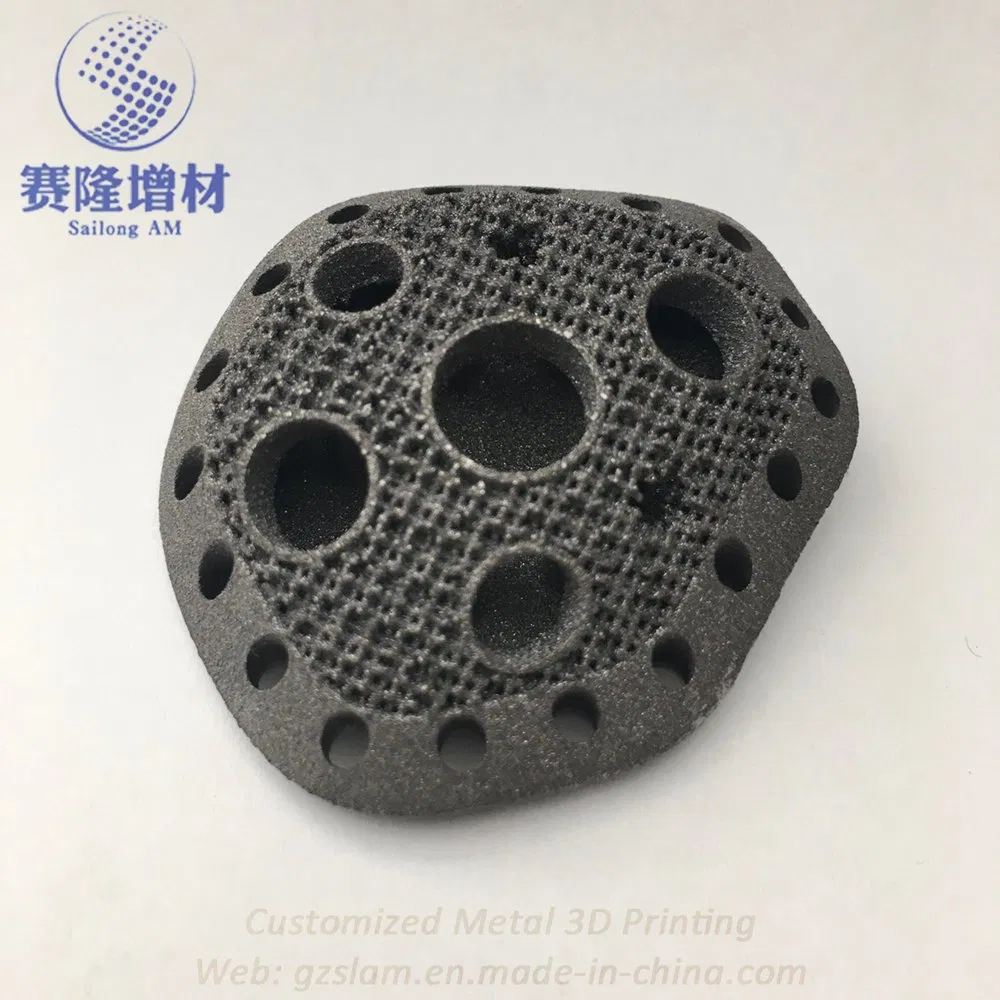
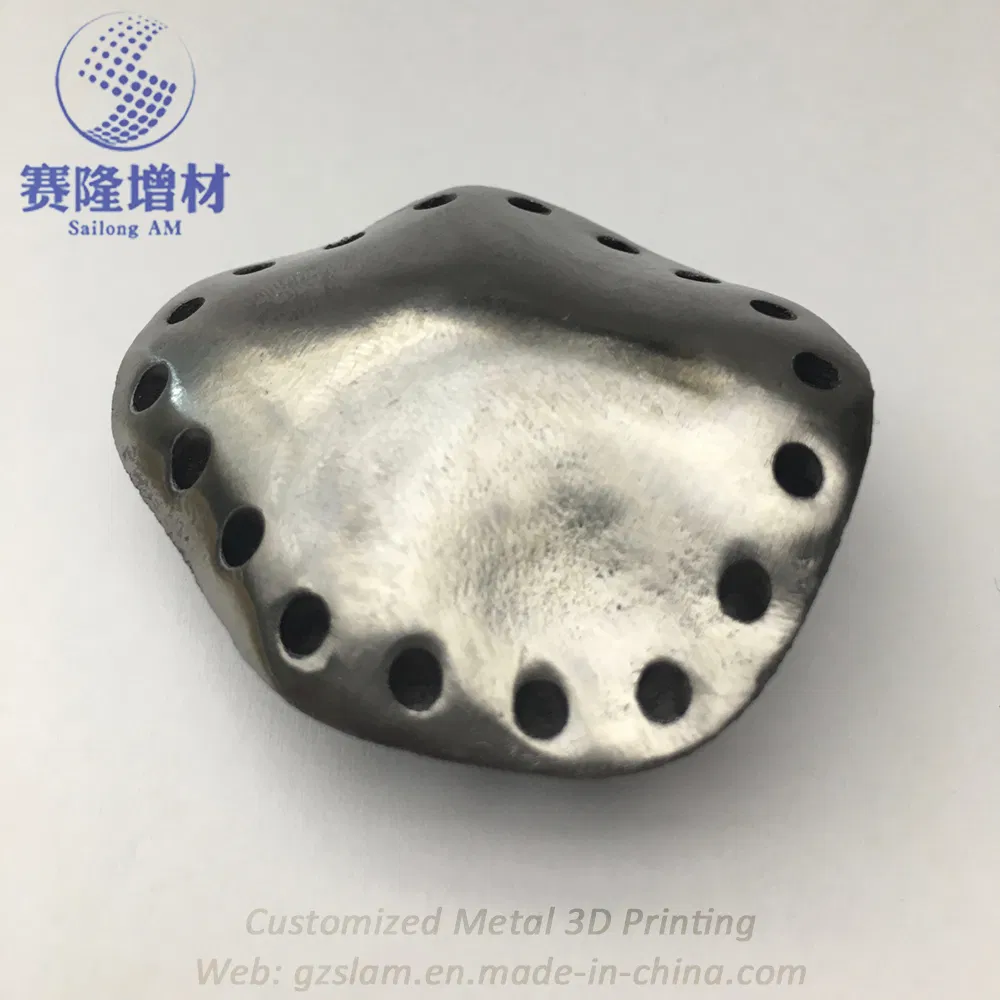
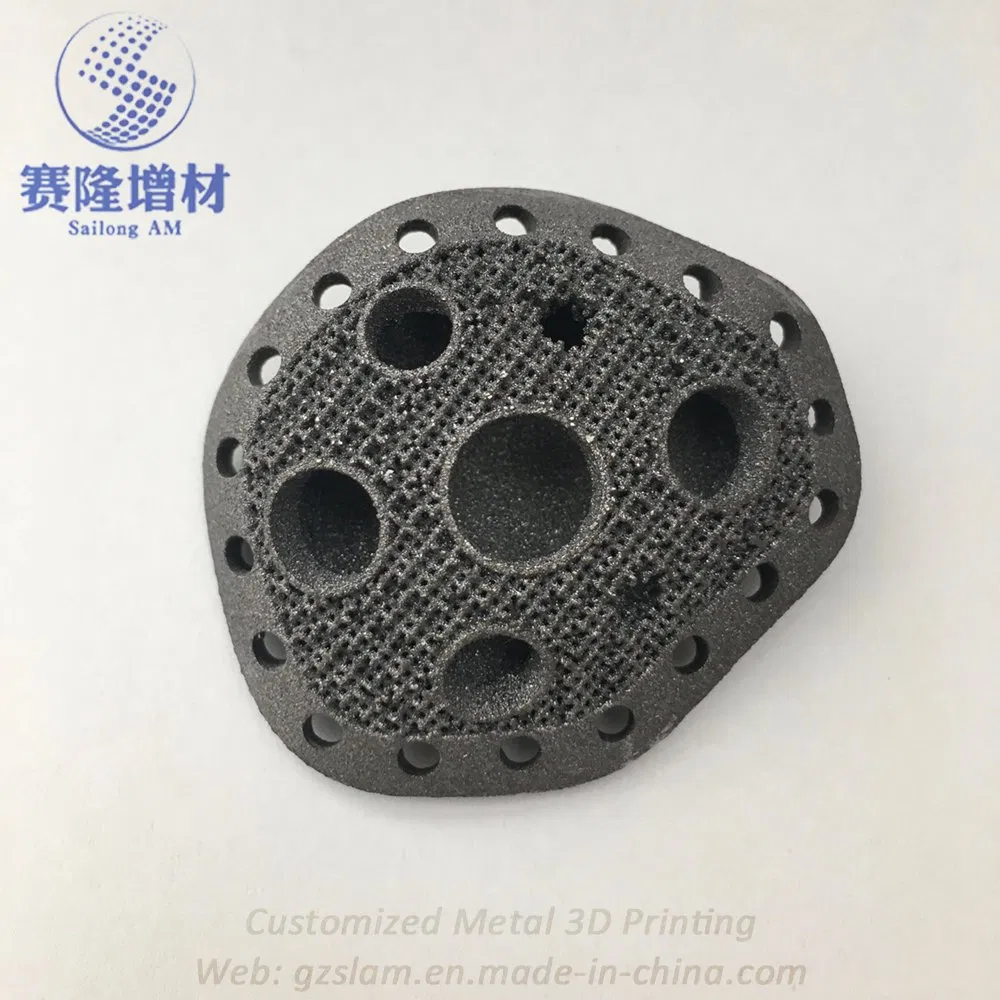
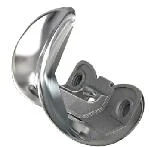
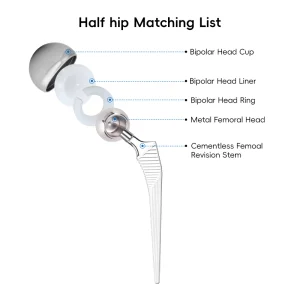
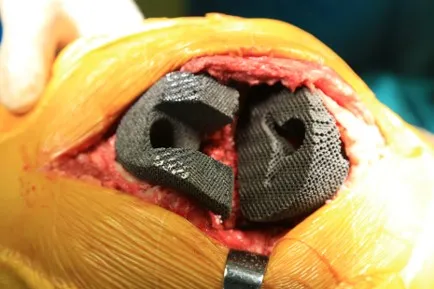
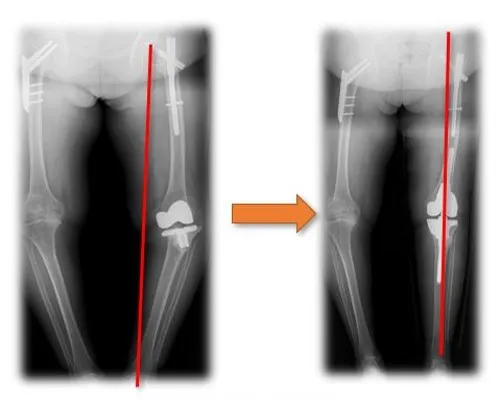
Total hip replacement for osteoarthritis secondary to hip dysplasia.
Total Hip Replacement
Human implants belong to Class III medical appliances, which require high biocompatibility, mechanical properties, non-toxicity and anti-corrosion properties. Implantable artificial bones are mainly used in the treatment of bone tumors, spinal trauma and bone defects.

Additive manufacturing orthopaedics has attracted much attention because of its individualized, complex, accurate production and rapid response. Commonly used materials include metal materials such as titanium-based alloys, cobalt-chromium alloys, stainless steel, tantalum and non-metallic materials such as PEEK materials and hydroxyapatite.

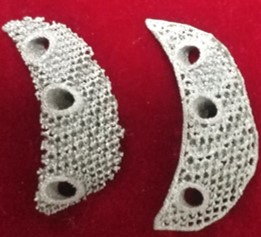
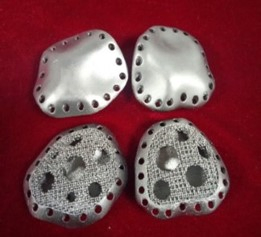
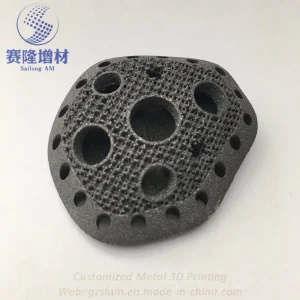
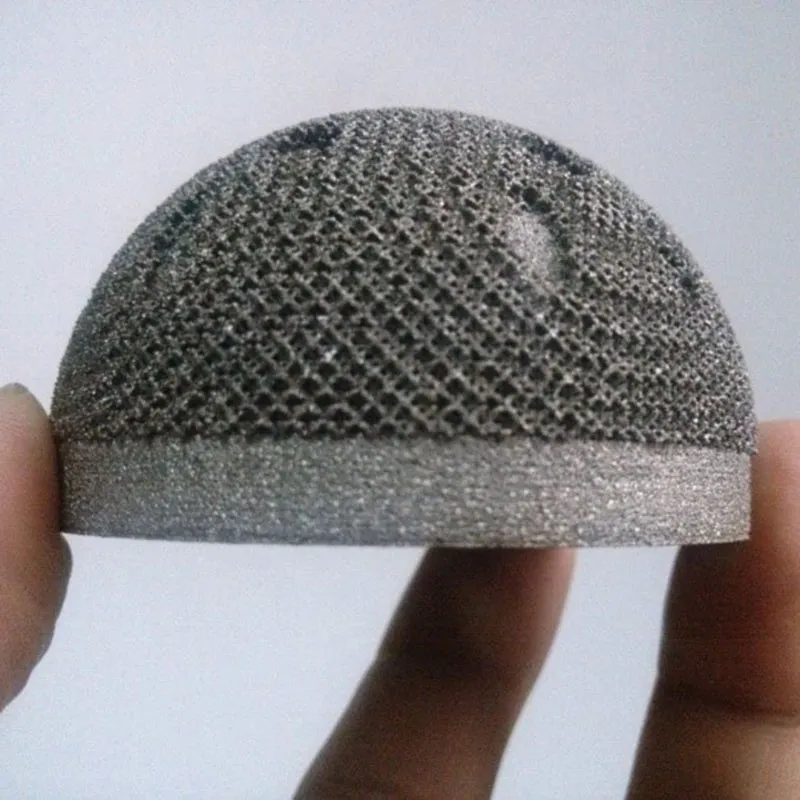
Through three-dimensional reconstruction of medical CT data, porous implants with bionic trabecular structures such as joint, spine, craniofacial bone and extremities can be manufactured by using advanced three-dimensional printing techniques like electron beam melting and selective laser melting. Factors such as porosity and pore size can be adjusted for individuals, which is more conducive to bone growth and clinical effect.
Key Features

01
Highly accurate technology; all products are tested with rigorous three-dimensional measurement.
02
Provision of product-specific diameters and tapers according to clinical needs.
03
Extensive experience with over 1,000 clinical applications of Titanium alloy implants and customized porous structures.
Detail Image 1
Detail Image 2

Technical Parameters

Parameter Value Range
Pore size0.4 ~ 0.6 mm
Porosity70% ~ 85%
MaterialTitanium and Titanium alloy; Base metal
SpecificationPersonalized customization

Capability & Facilities

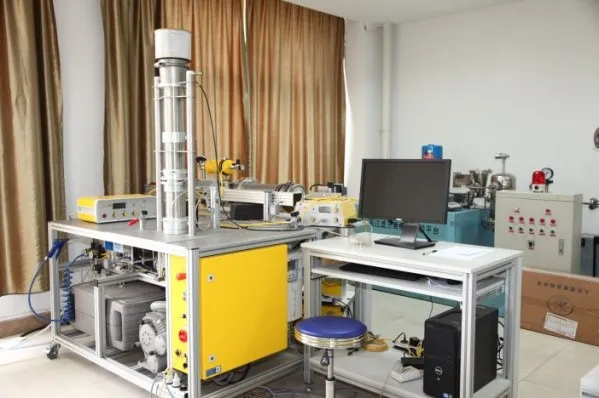
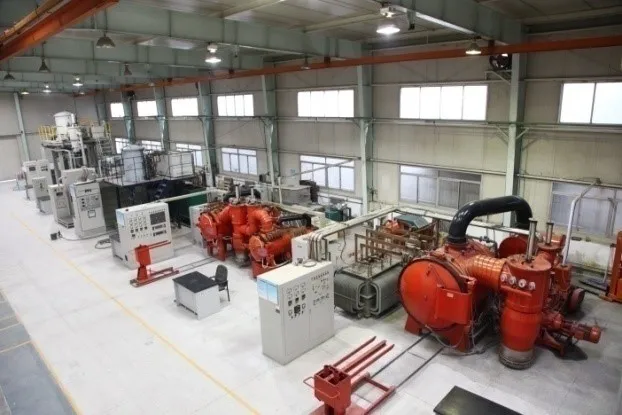
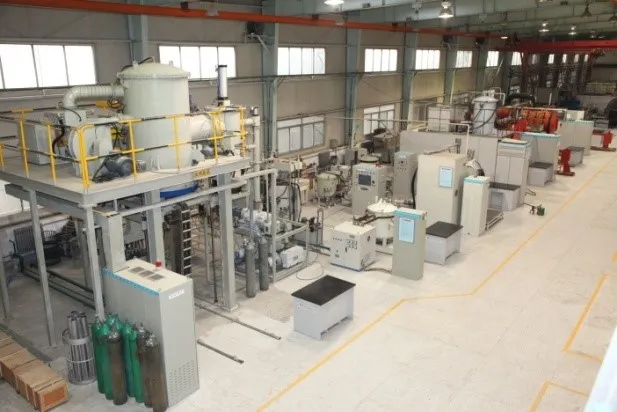
Equipped with a high-tech technical team, the facility focuses on the design, development, and production of additive manufacturing products and raw materials. This includes 3D printing parts and powder metallurgy products widely used in aerospace, medical, and industrial mold fields.
Production 1
Production 2
Production 3

Service Advantages

Direct manufacturer with advanced production facilities.
Full support for OEM & ODM customized designs.
Comprehensive 1-year warranty and lifetime technical service.
Dedicated team providing inquiries response within 24 hours.

Frequently Asked Questions

Q1: What materials are used for these human implants? A: We primarily use medical-grade Titanium and Titanium alloys, as well as cobalt-chromium alloys and PEEK materials, known for high biocompatibility.
Q2: How does 3D printing benefit orthopedic implants? A: 3D printing (additive manufacturing) allows for personalized customization of complex bionic structures that mimic natural bone, improving bone growth and clinical success.
Q3: Can the porosity of the implants be adjusted? A: Yes, the porosity can be adjusted between 70% and 85%, and pore sizes can be customized between 0.4 and 0.6 mm to suit individual patient needs.
Q4: Are the products tested for accuracy? A: Absolutely. All products undergo rigorous three-dimensional measurement and testing to ensure they meet clinical diameter and taper requirements.
Q5: Do you provide customization services for specific clinical cases? A: Yes, we specialize in personalized customization based on medical CT data reconstruction for joints, spines, and craniofacial bones.
Q6: What is your monthly production capacity for customized sets? A: Our facility currently maintains a production capacity of approximately 500 sets per month.

Related Products