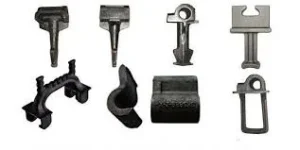
GB NF ISO JIS DIN Uic Arema Rail Shoulder

Still deciding? Get samples of $ !
Request Sample

Product Description

📋

Basic Information

Model NO.:GB NF ISO JIS DIN UIC AREMA Rail SHOULDER
Type:Shoulder
Package:Cartons, Woven-Bags or Gunny-Bags in Cases
Origin:China
HS Code:8602900000
Capacity:20000PCS/Day
🛠️

Product Description

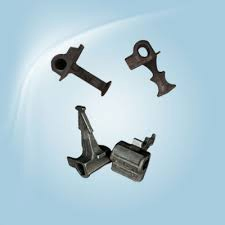
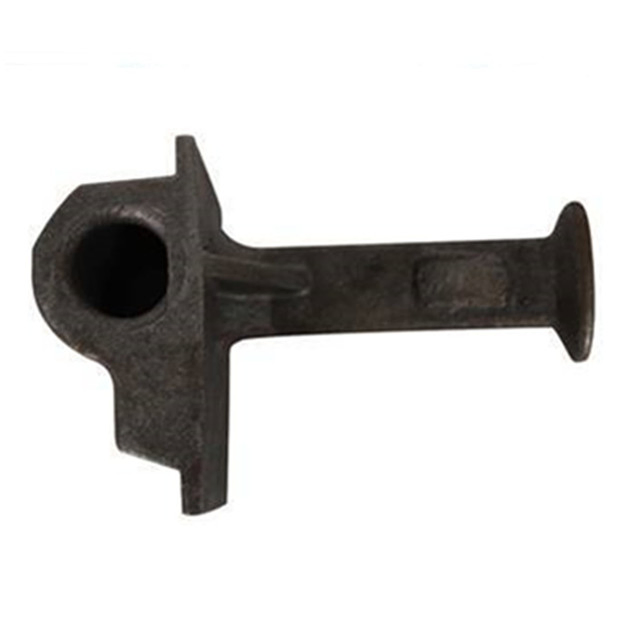
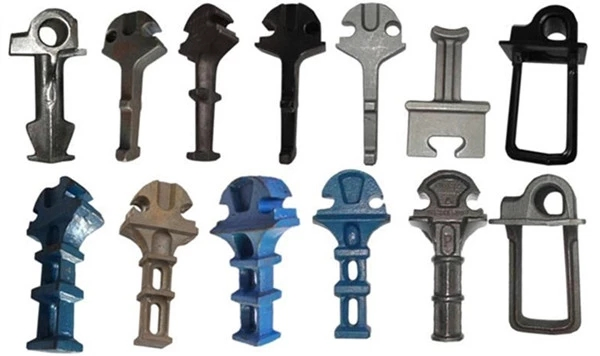
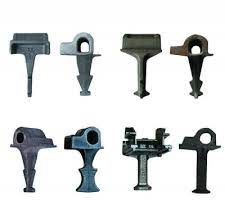
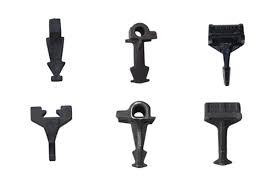
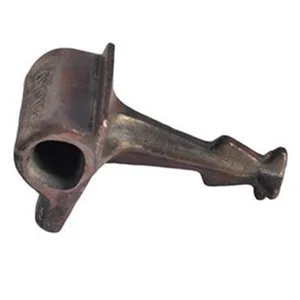
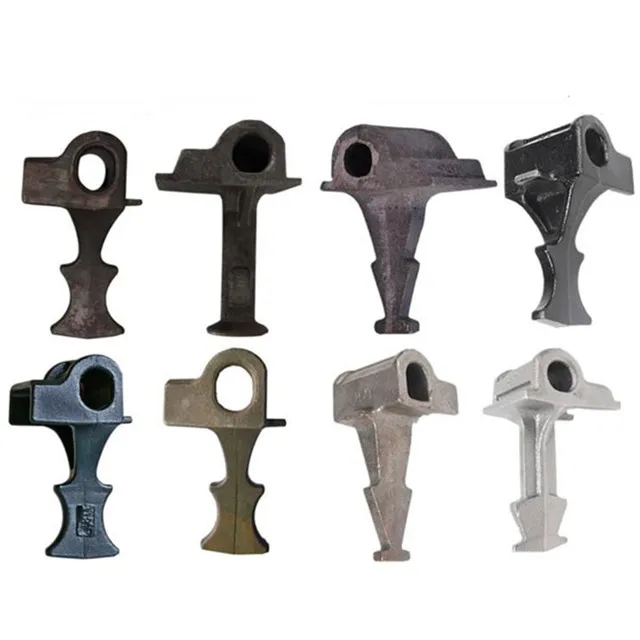
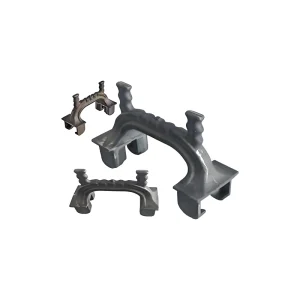
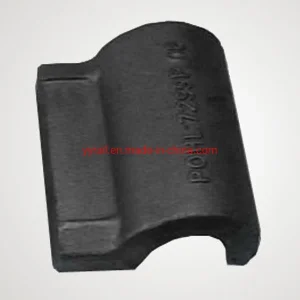
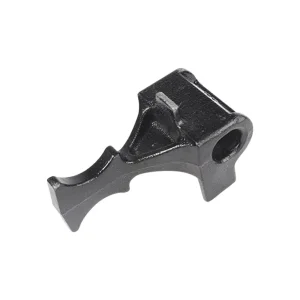
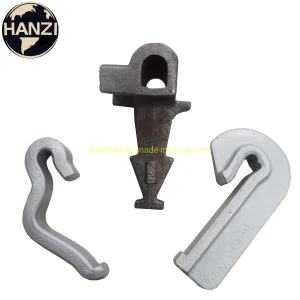
Rail shoulder is cast in the concrete rail ties to fix the elastic rail clips. There are two types of rail shoulders available, the cast-in shoulder and the weld-on shoulder, both of which are used for the fixing of elastic rail clips.

The casting shoulders as the embedded part of the rail way fastening system are pressed in concrete sleeper and work together with the E clip to fasten the rail. The cast in shoulder is made by casting from iron, such as, GB/T 1348-1988, NF EN 1563(1997), ISO1038, DIN 1693, JIS G5502 (2001), KS D 4302, GOST 7293(1985) or BS EN 1563(1997).

Specifications QT500-7 QT450-10 QT400-15
Application UIC54 UIC60 115RE, 50kg, 60kg, BS80lbs, etc.
Standard GB 1348-88 GB 1348-88 GB 1348-89
C (%) 3.60-3.80 3.40-3.90 3.50-3.60
Mn (%) 0.2-0.5 0.2-0.5 ≤0.5
Si (%) 2.50-2.90 2.70-3.00 3.0-3.2
Tensile Strength ≥500 Mpa ≥450 Mpa ≥400 Mpa
Yield Strength ≥320 Mpa ≥310 Mpa ≥250 Mpa
Hardness 170~230HB 160~210HB 130~180HB
Rail Shoulder 1
Rail Shoulder 2
Rail Shoulder 3

Manufacturing Advantages

🚀 Leading Edge Technology & Equipment
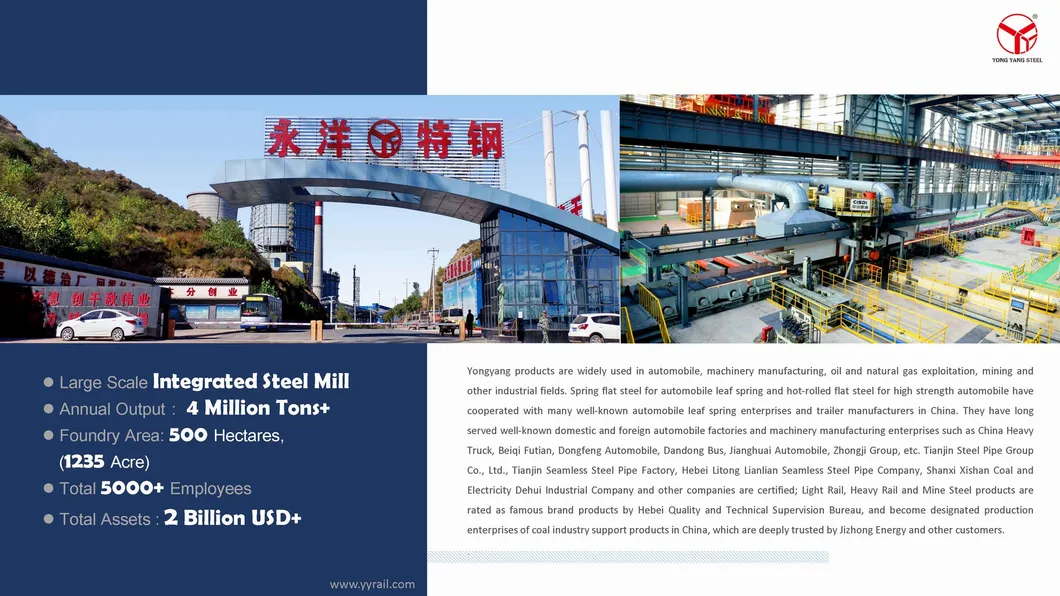
📊 Annual Output: 4 Million Tons+
🛡️ ISO 9001 & 14001 Quality System
🔍 Online Ultrasonic Inspection
📦 Large Daily Stockpile
⚙️ Fully Automatic Digital Control

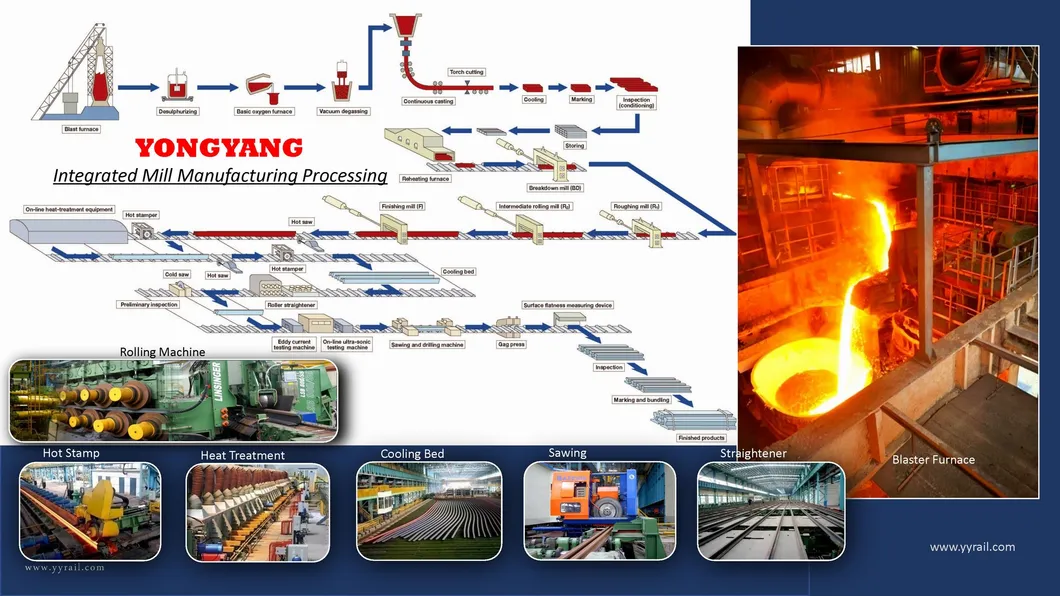
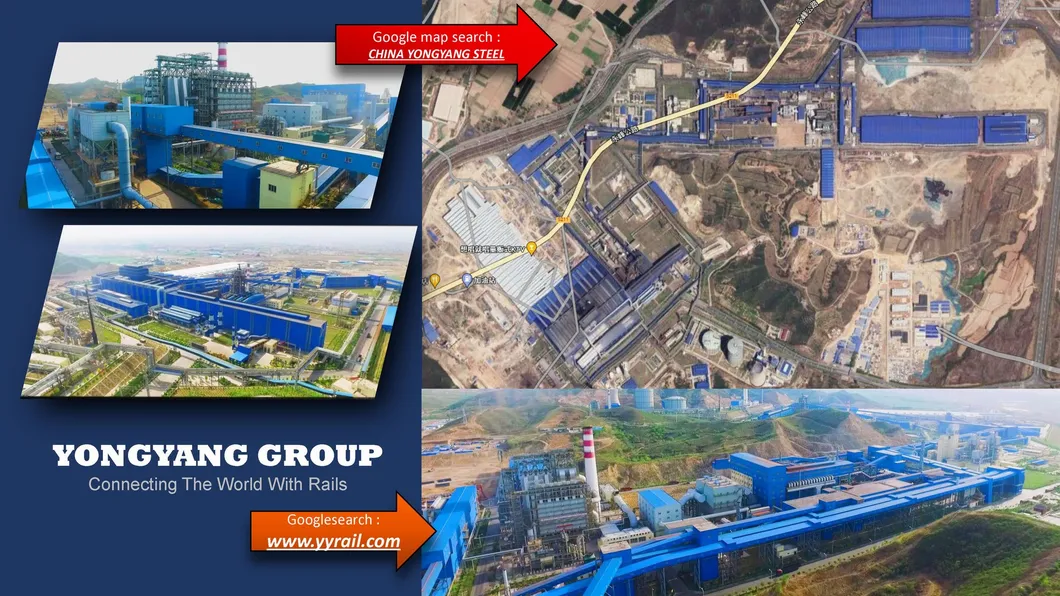
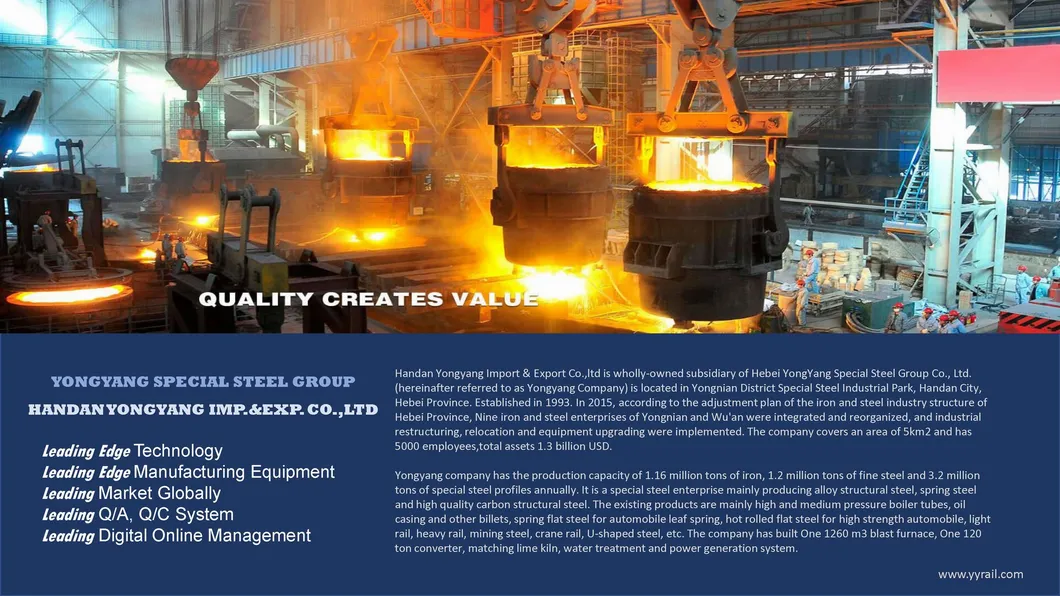
Our facilities utilize fully automatic digital control large scale sawing and cutting machines, ensuring high precision and minimal tolerance compared to manual processes. The entire manufacturing process is fully compliant with international Steel Quality Management Systems.
Factory Production 1
Factory Production 2
Factory Production 3
Factory Production 4
Factory Production 5
Factory Production 6

Frequently Asked Questions

Q1: What are the primary functions of a rail shoulder? A1: Rail shoulders are embedded in concrete rail ties to provide a secure anchoring point for elastic rail clips, ensuring the rail is firmly fastened to the sleeper.
Q2: What materials are typically used for manufacturing rail shoulders? A2: They are generally made from high-quality ductile iron (spheroidal graphite cast iron) such as QT500-7, QT450-10, or QT400-15, adhering to international standards like GB, DIN, and ISO.
Q3: What is the difference between cast-in and weld-on shoulders? A3: Cast-in shoulders are embedded directly into concrete sleepers during the casting process, while weld-on shoulders are typically welded onto steel base plates or other structures.
Q4: How do you ensure the quality of the rail shoulders? A4: We utilize fully automatic digital control machinery, online ultrasonic crack detection, and independent auditing by quality assurance bodies to ensure every unit meets standard specifications.
Q5: What is your daily production capacity for these components? A5: We have a robust manufacturing capability with a daily output reach up to 20,000 pieces, supported by a large-scale integrated steel facility.
Q6: Are your products compliant with international railway standards? A6: Yes, our rail shoulders meet various global standards including UIC, AREMA, JIS, DIN, and BS, making them suitable for diverse railway projects worldwide.

Related Products