Tonk Orthopedic Implants
1 / 5
Make a small incision (1-3 cm) near the fracture site, avoiding important nerves and blood vessels. Gently separate soft tissues to fully expose the fracture end.
Restore the fracture to its normal anatomical position using manual traction and rotation. Monitor the reduction effect under C-arm fluoroscopy.
Determine the entry point based on fracture location. Under fluoroscopic guidance, insert the guide wire along the designed path until it reaches the appropriate position.
Use dedicated measuring tools over the guide wire. Alternatively, compare with another guide wire of the same length to calculate the necessary drill depth. Select a screw 2-4 mm shorter than measured.
Select an appropriate cannulated drill bit. Drill along the guide wire using irrigation solution for cooling. Verify depth with an image intensifier.
Mount the screw onto the compression sleeve and insert over the guide wire. Turning the sleeve compresses the fracture. Advance until the head is flush with the bone.
Irrigate the wound with saline, suture in layers (deep tissues then skin), and apply appropriate dressing or splints to assist healing.
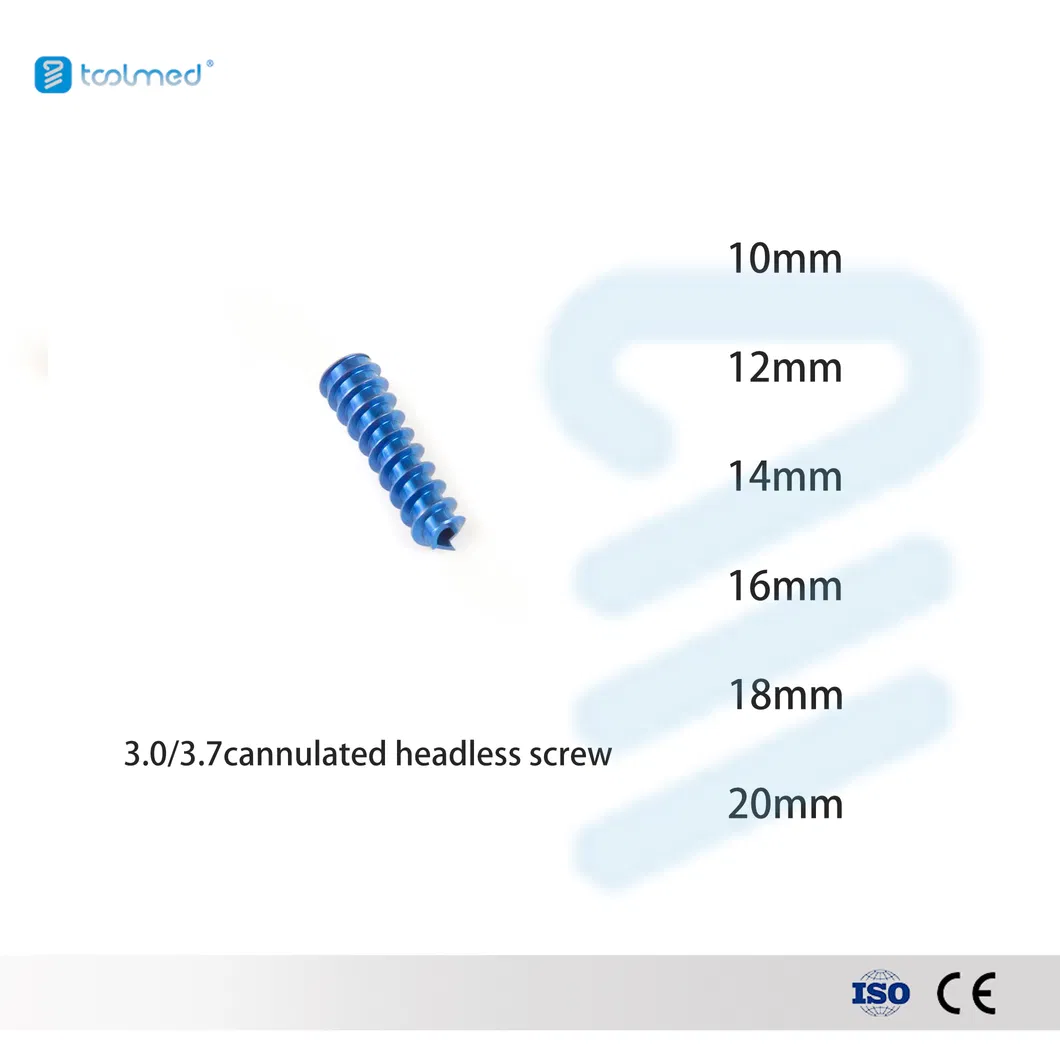
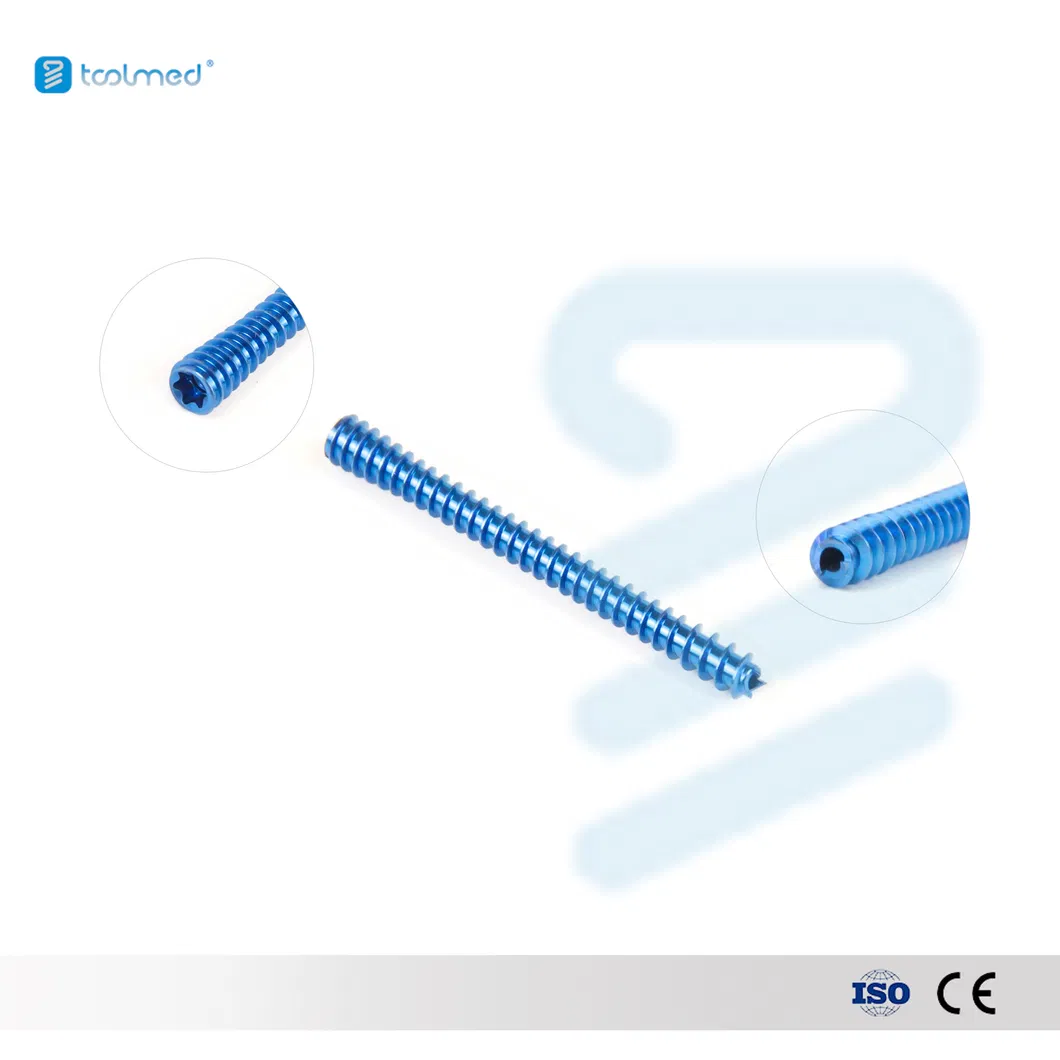
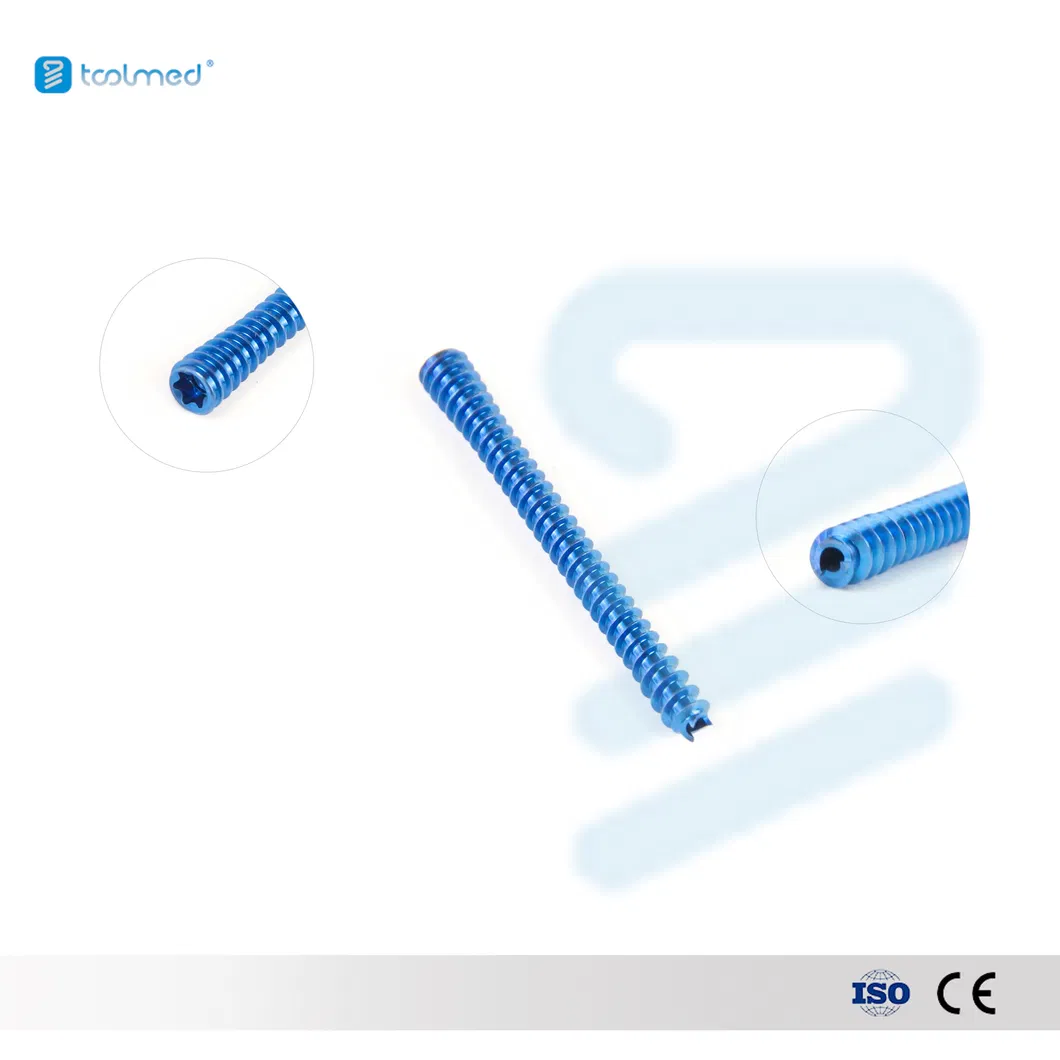
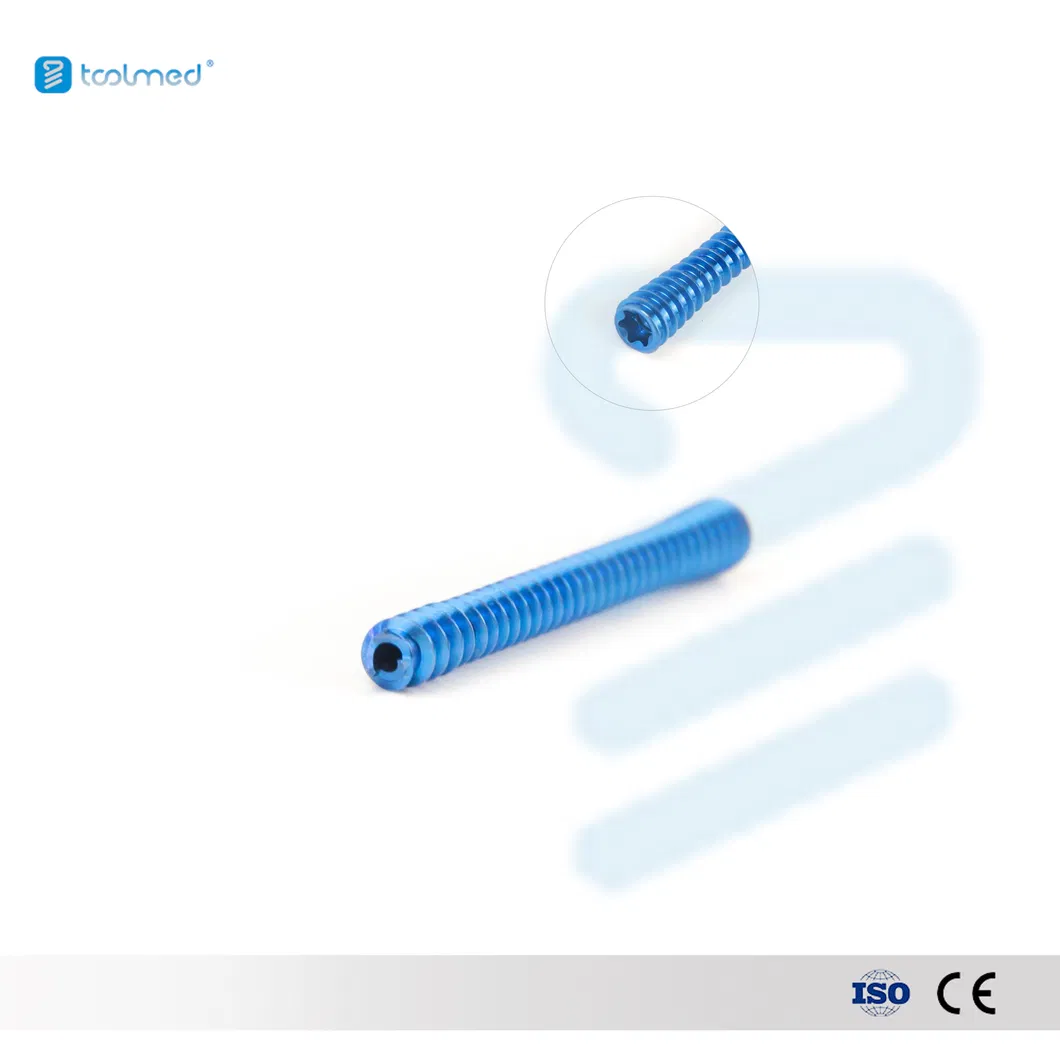
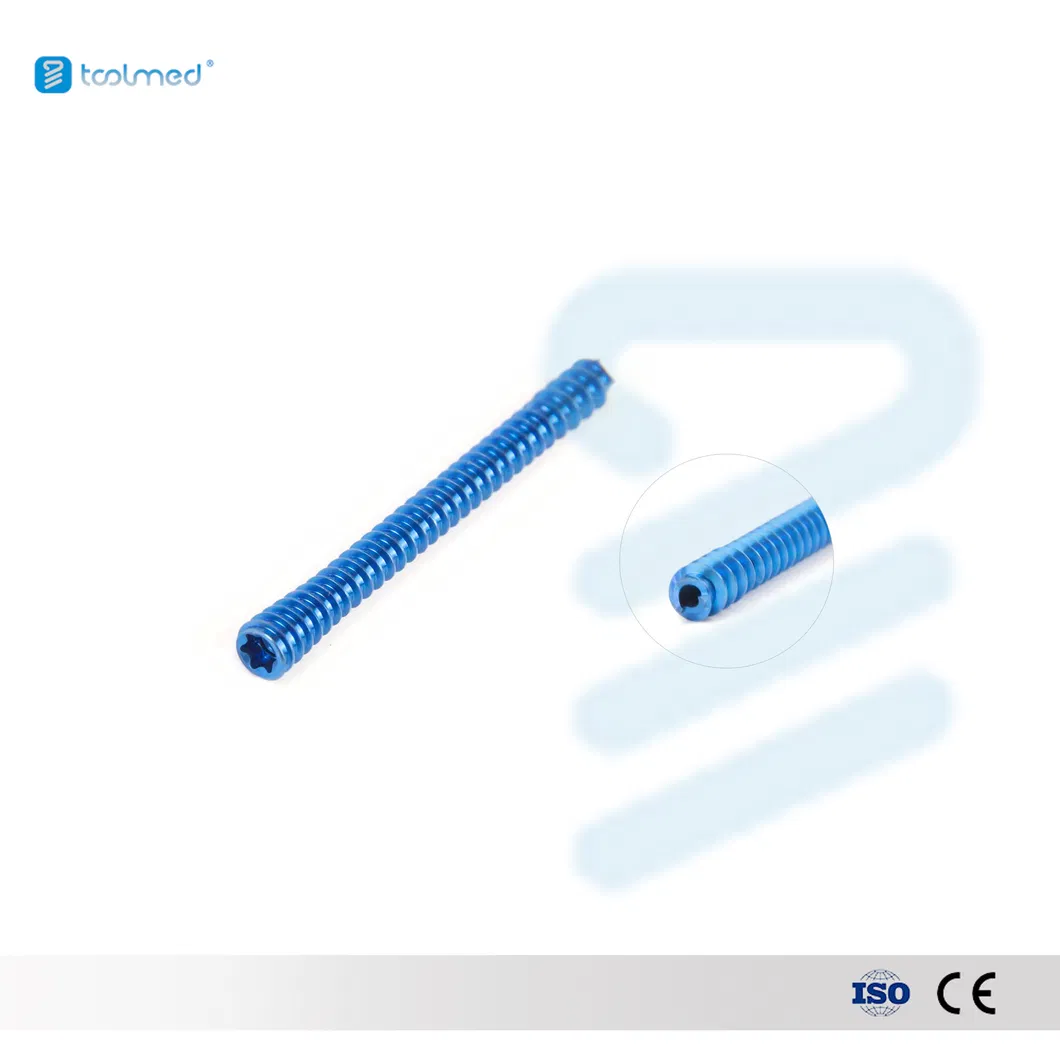
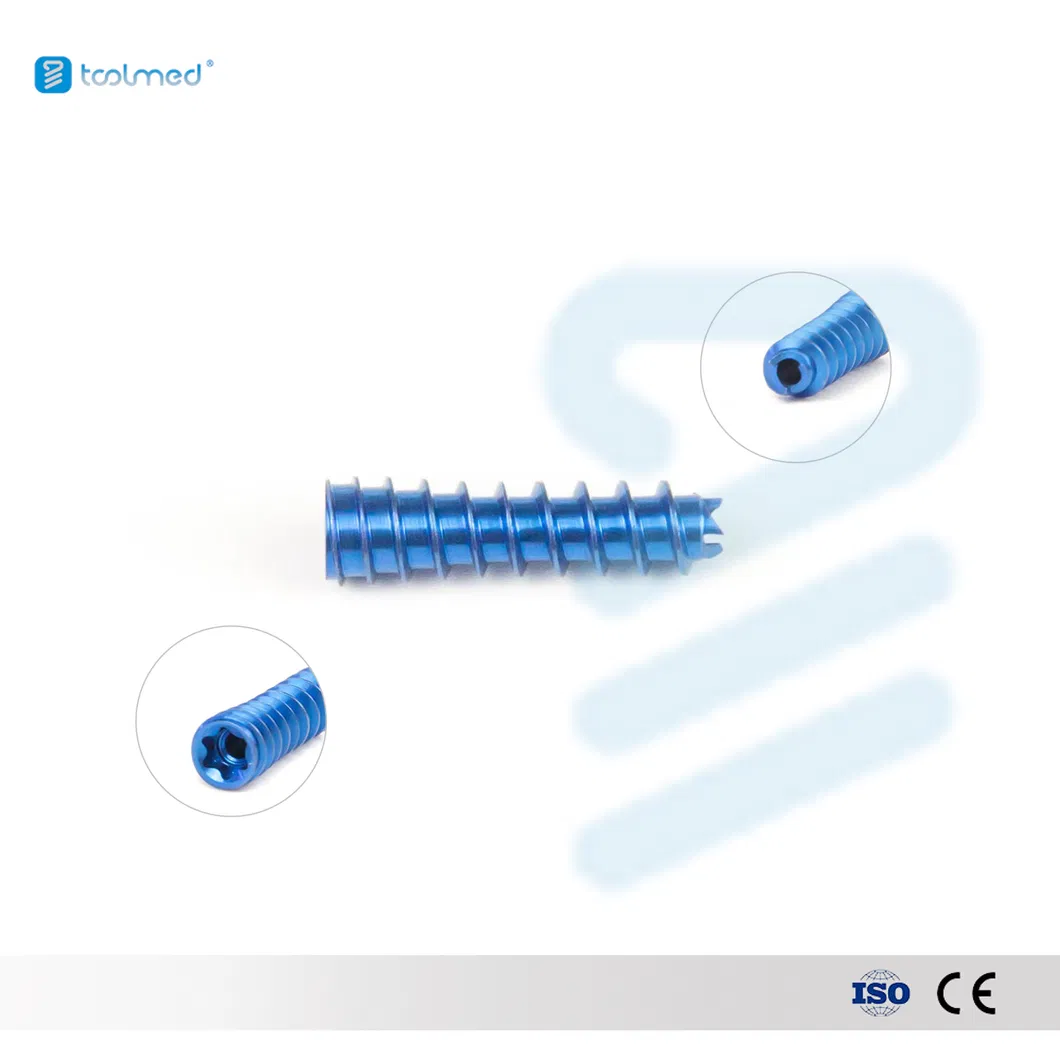
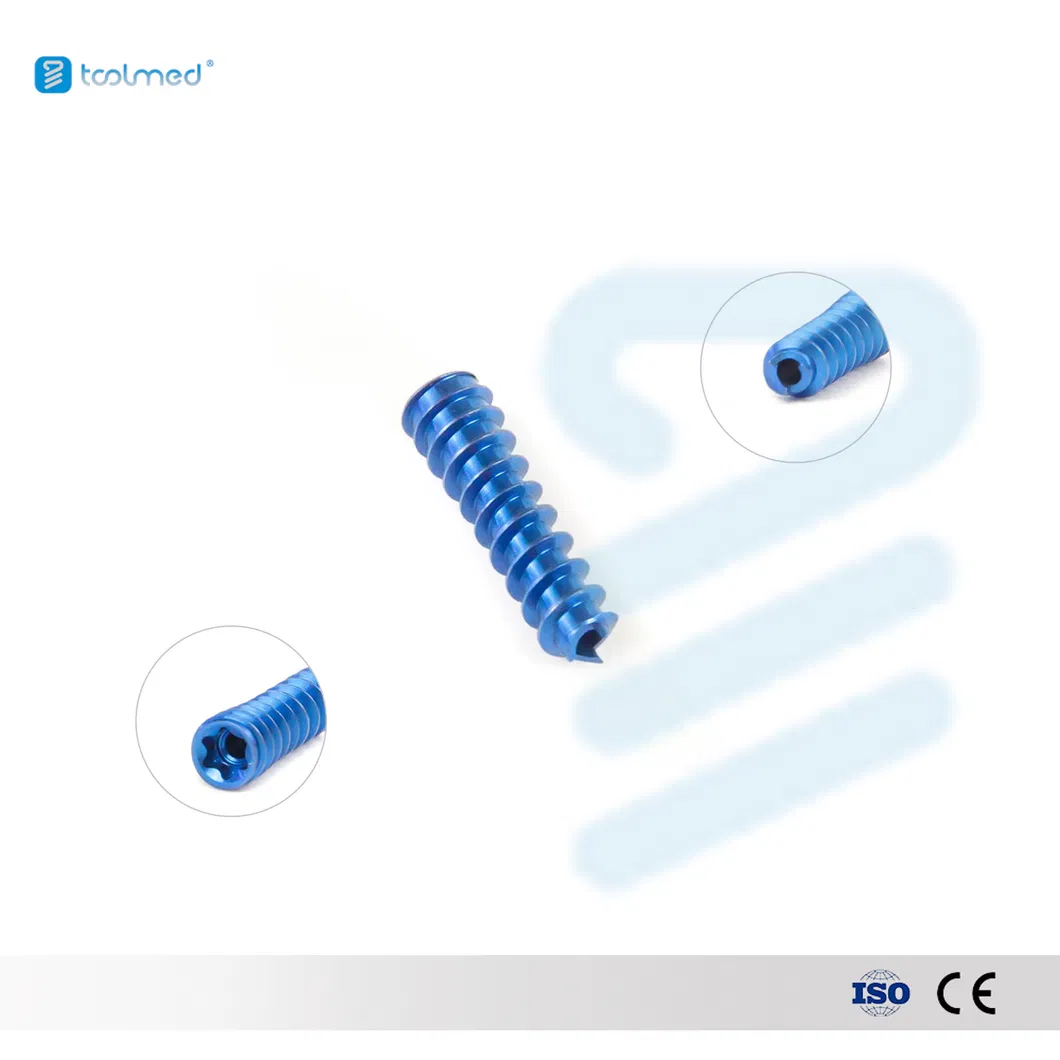
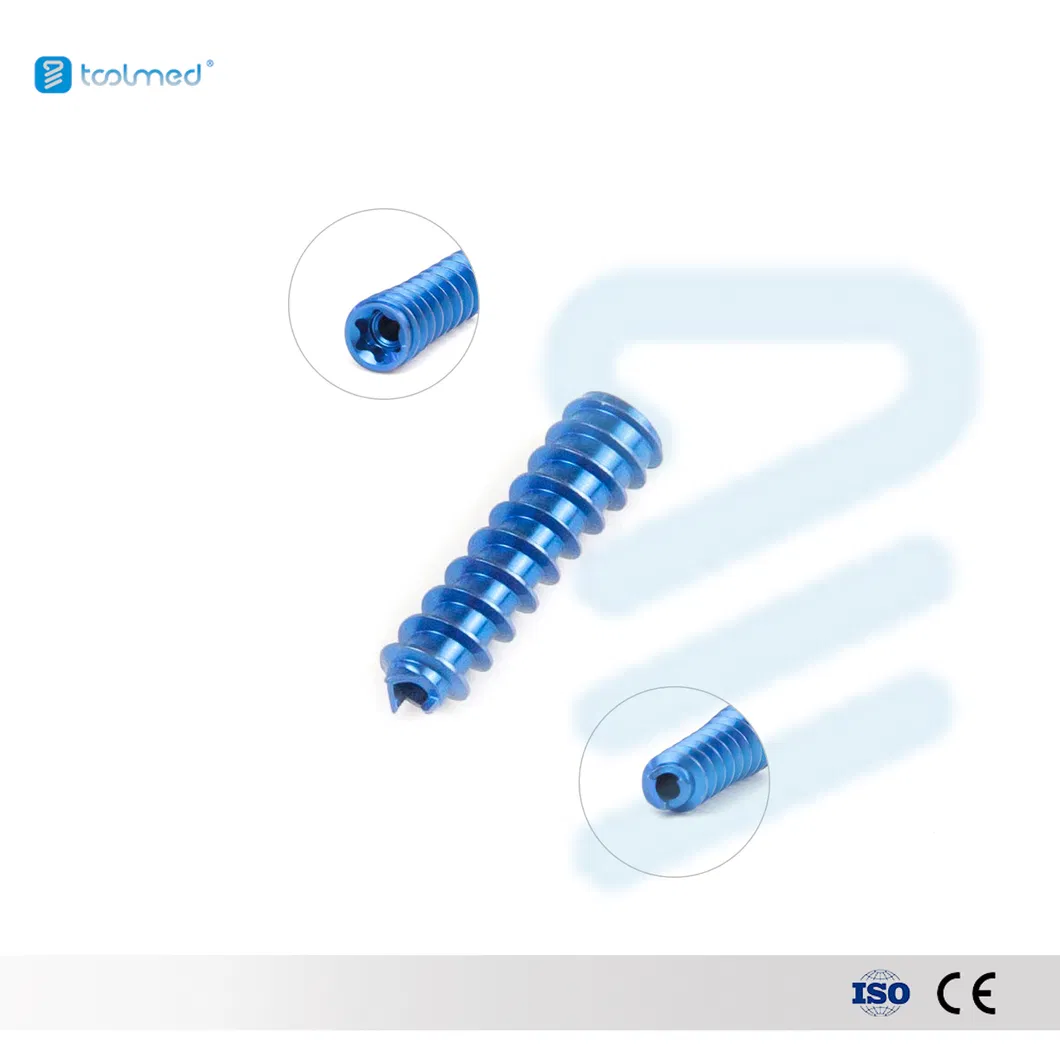
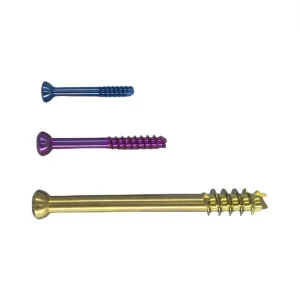
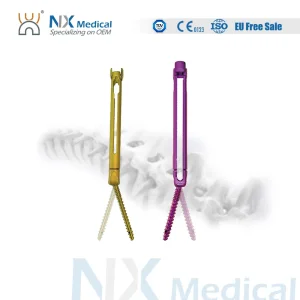
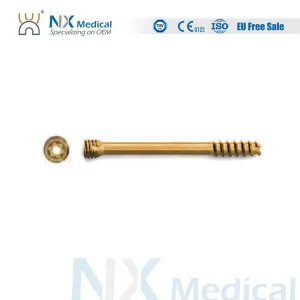
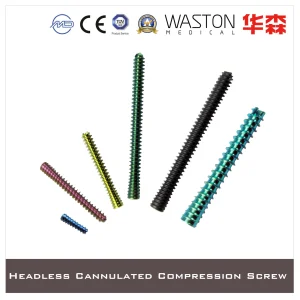
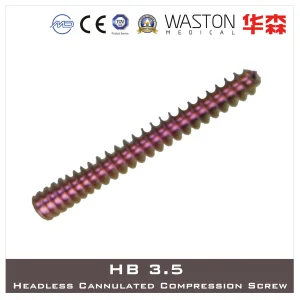
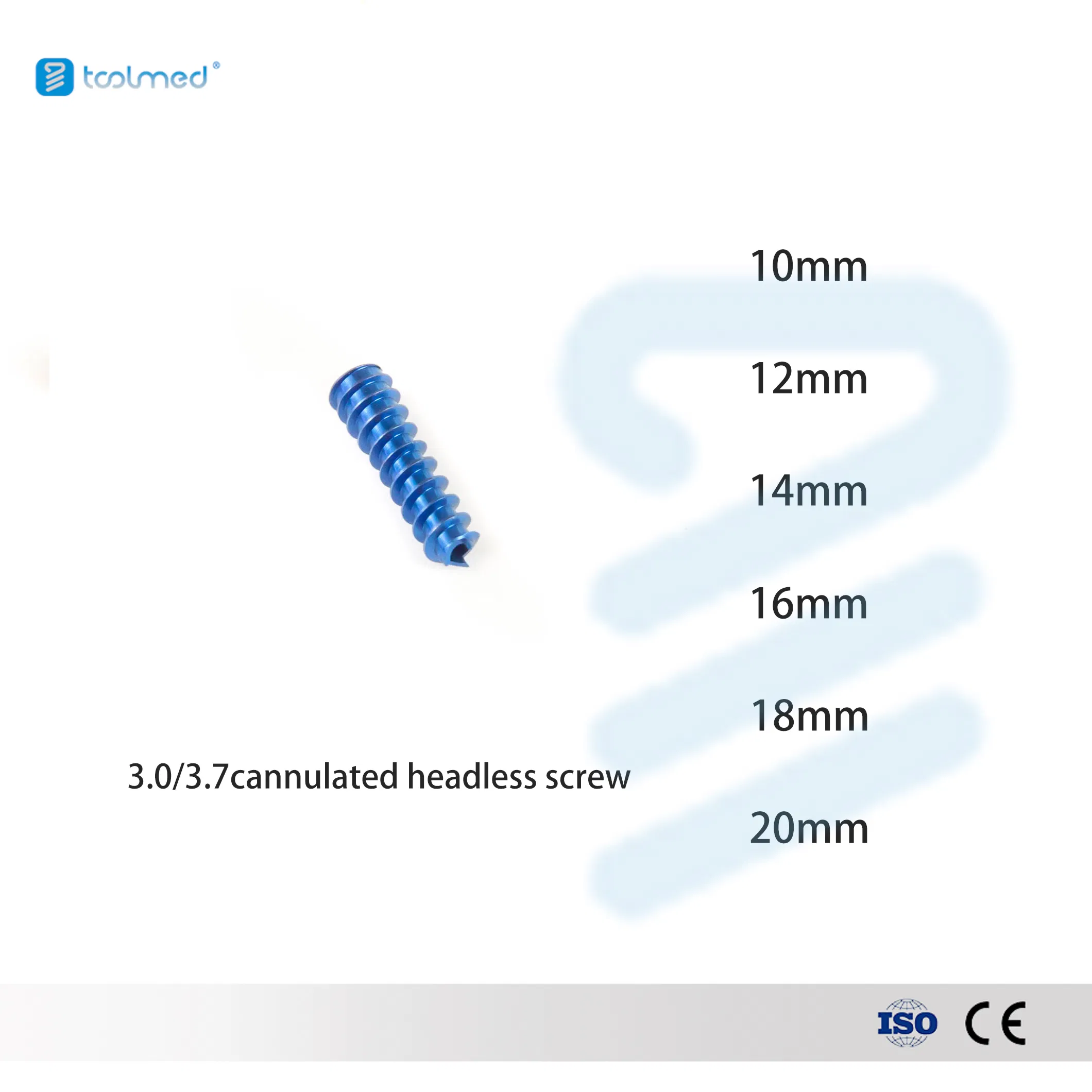
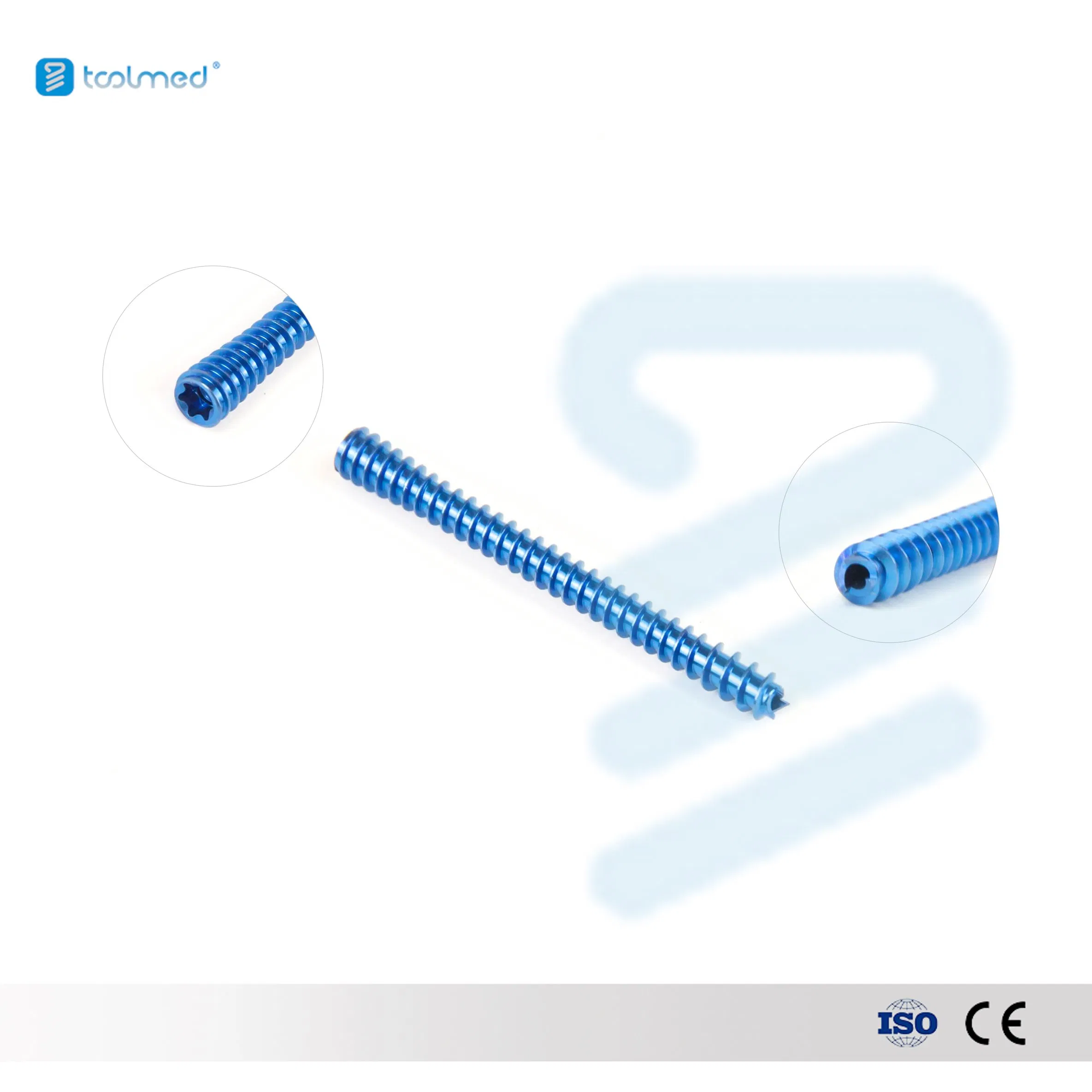
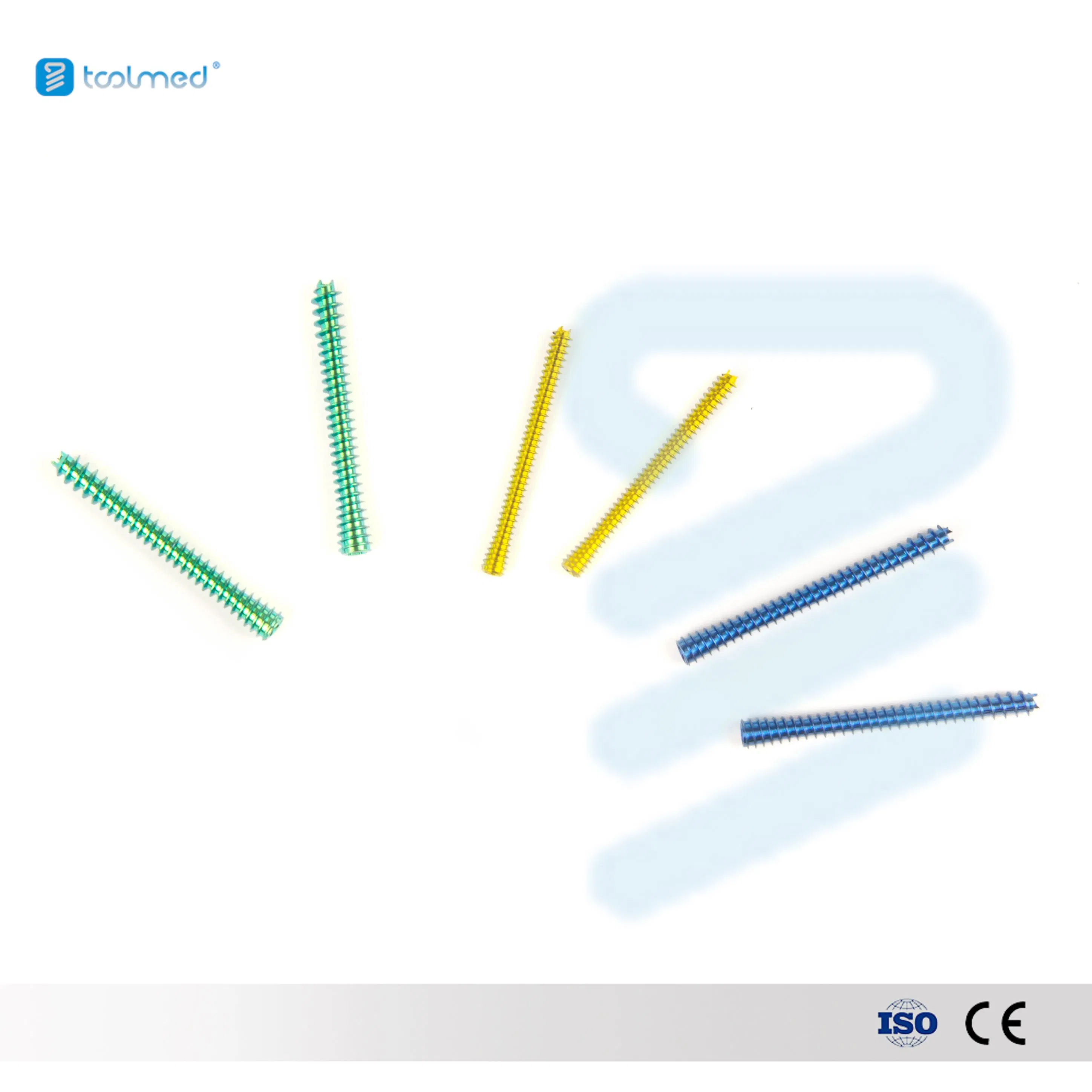
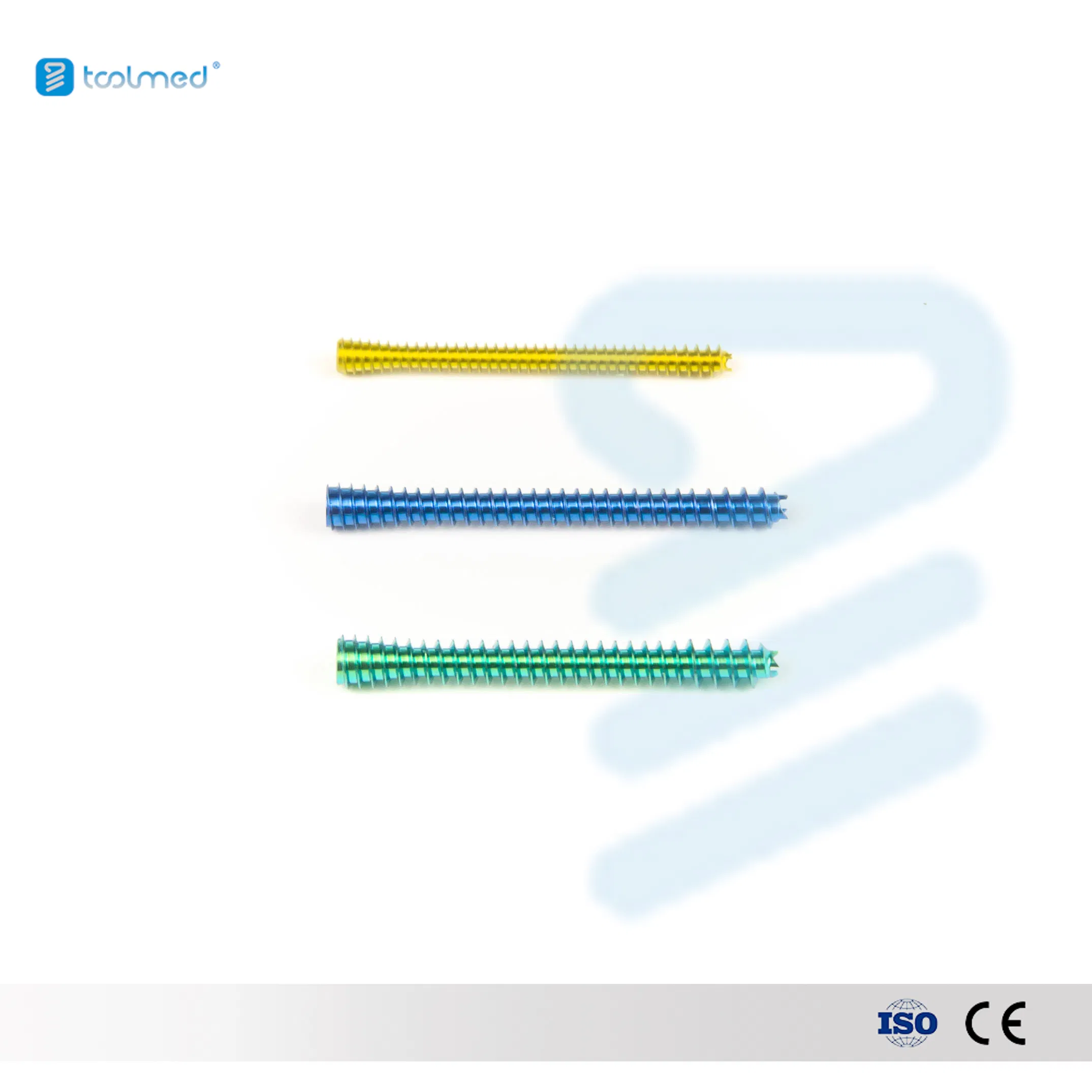
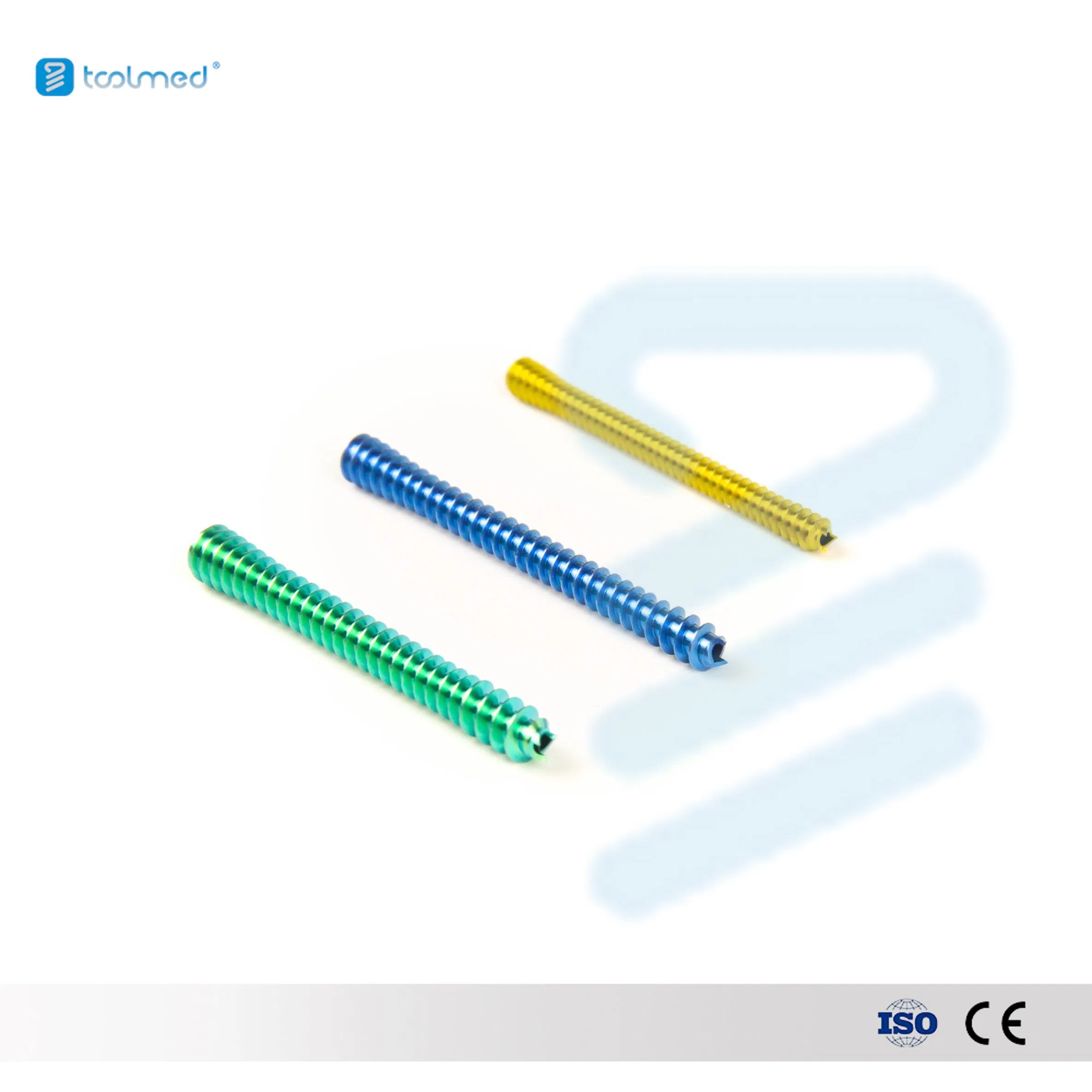
A Cannulated Headless Compression Screw (CHCS) is a specialized orthopedic implant designed for stable bone fixation, particularly in scaphoid and long bone fractures. These screws generate compression across the fracture site and are designed to be buried below the articular surface.
CHCS are primarily used for fractures of the femur, tibia, and humerus, as well as spiral fractures, nonunions, and malunions where stable internal fixation is required.