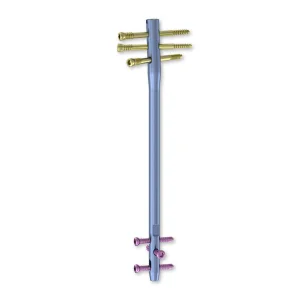
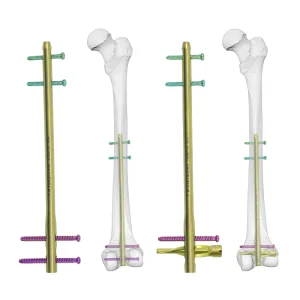
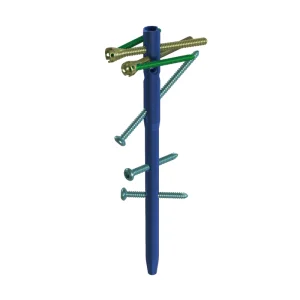
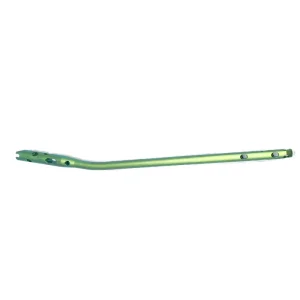
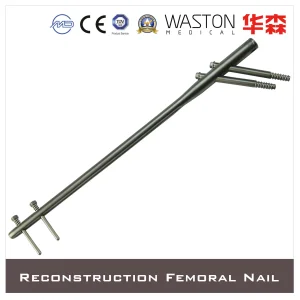
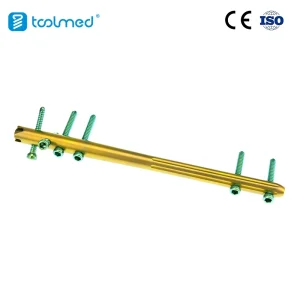
Femoral Fracture Repair Advanced Long Intramedullary Nail

Still deciding? Get samples of $ !
Request Sample

Product Description

📋 Basic Info.
Condition
New
Usage
Fracture Fixation
Using Site
Tibia Femur
Type
Trauma
Implant Type
Intramedullary Nail
Specification
Titanium Alloy TC4
Origin
China
🏥 Product Introduction

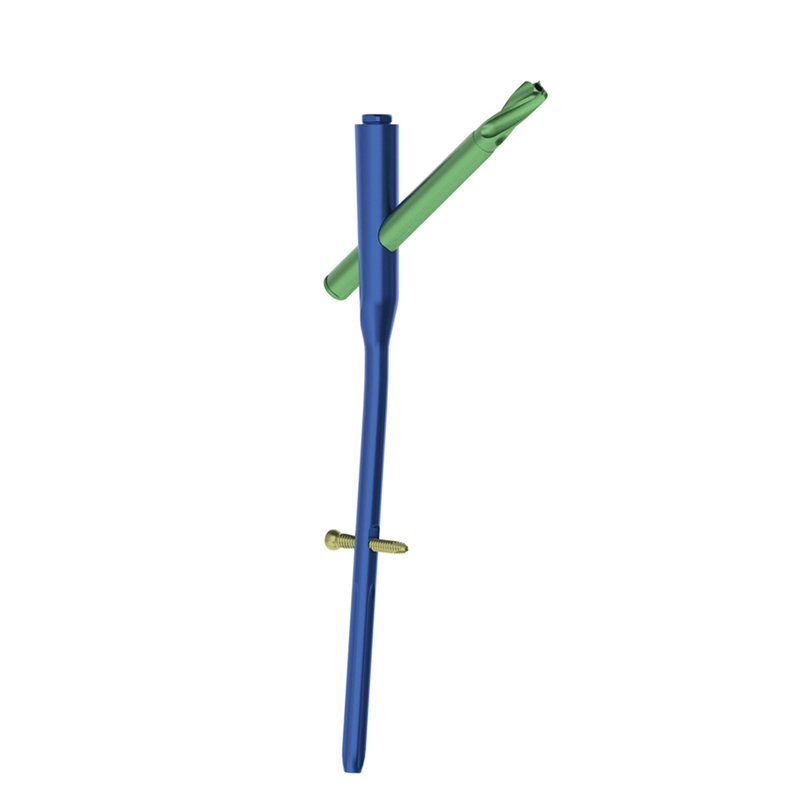
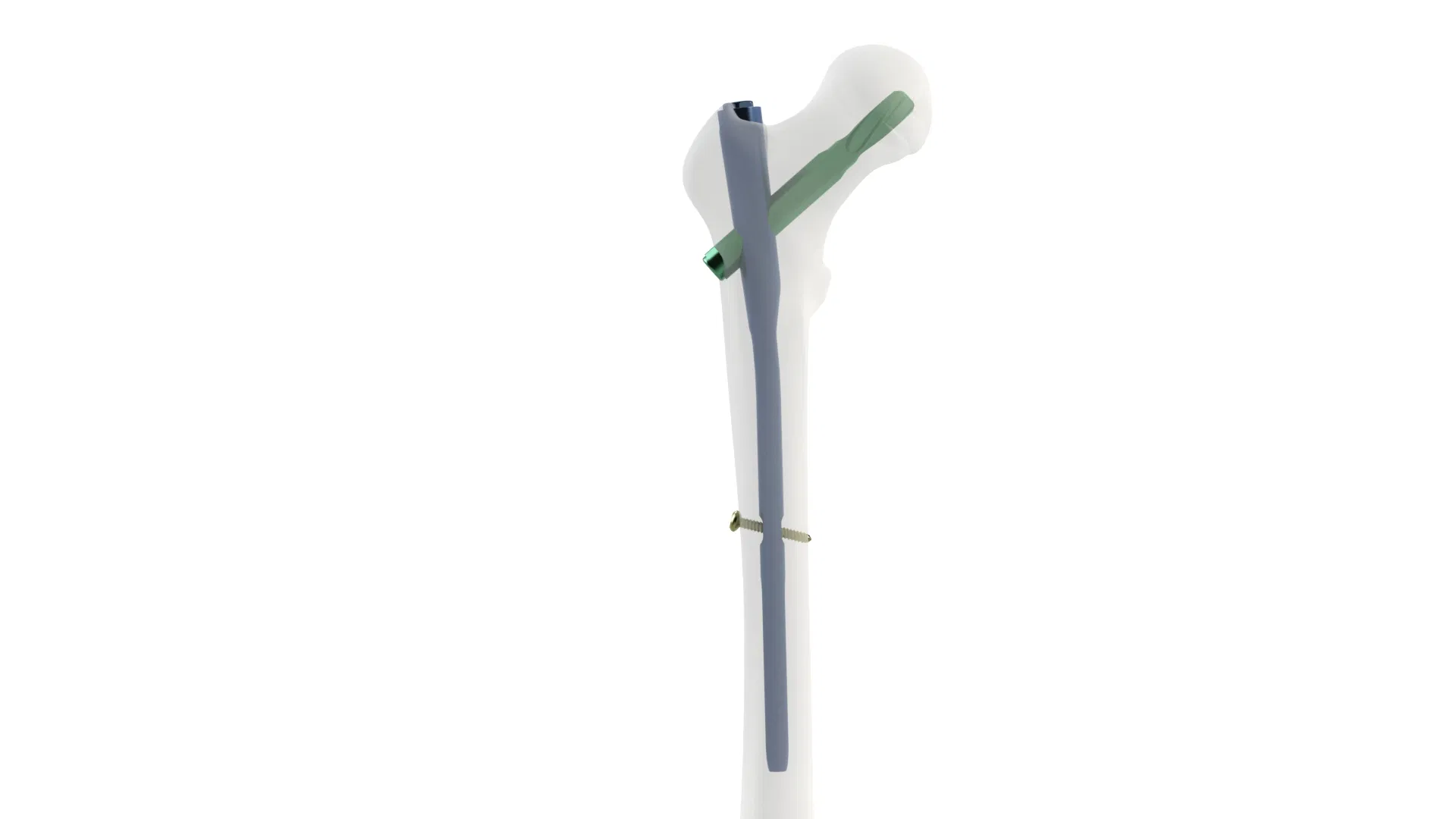
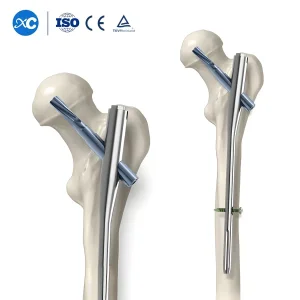
The PFNA (Proximal Femoral Nail Anti-rotation) is an advanced intramedullary implant specifically designed for the treatment of hip fractures, particularly unstable intertrochanteric and proximal femoral fractures.

This system achieves stable fixation by sharing the load with the bone through the intramedullary nail, significantly reducing the risk of implant loosening and failure. Made from titanium alloy, PFNA combines excellent biocompatibility with mechanical strength to ensure long-term durability and patient safety.
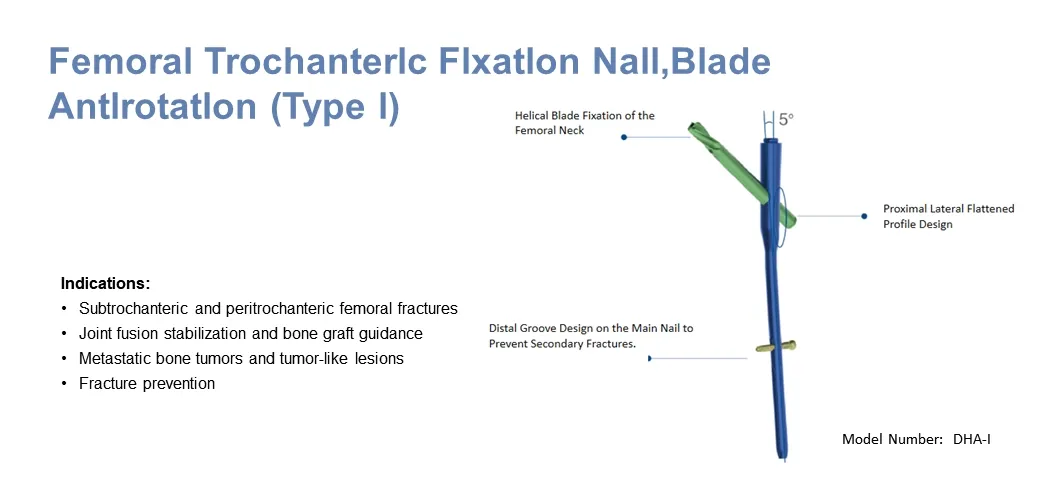
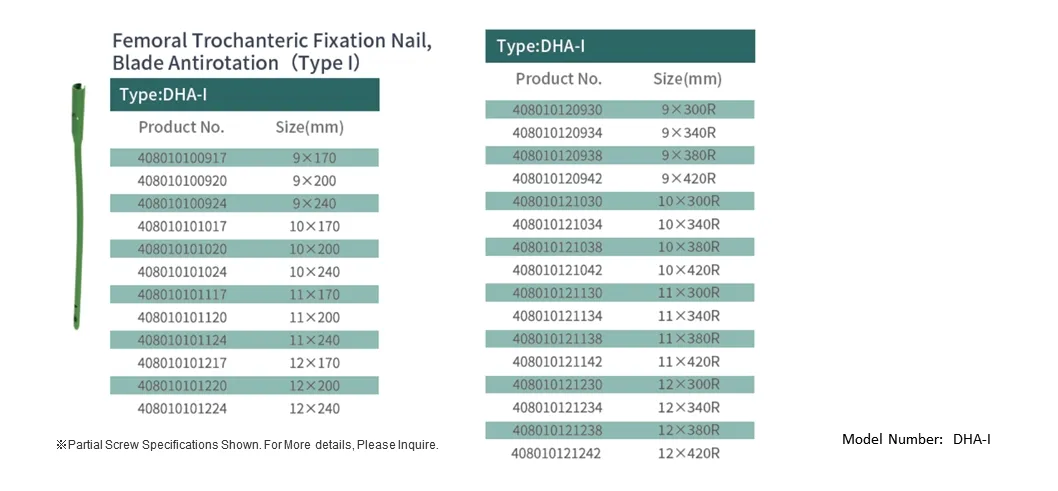
Key Features & Advantages
Innovative Design
  • Helical Blade Design: The unique helical blade compacts cancellous bone, providing rotational and angular stability, especially beneficial for osteoporotic patients.
  • Anti-Rotation Mechanism: The blade prevents rotational movement of the nail within the femur, ensuring stable fracture healing.
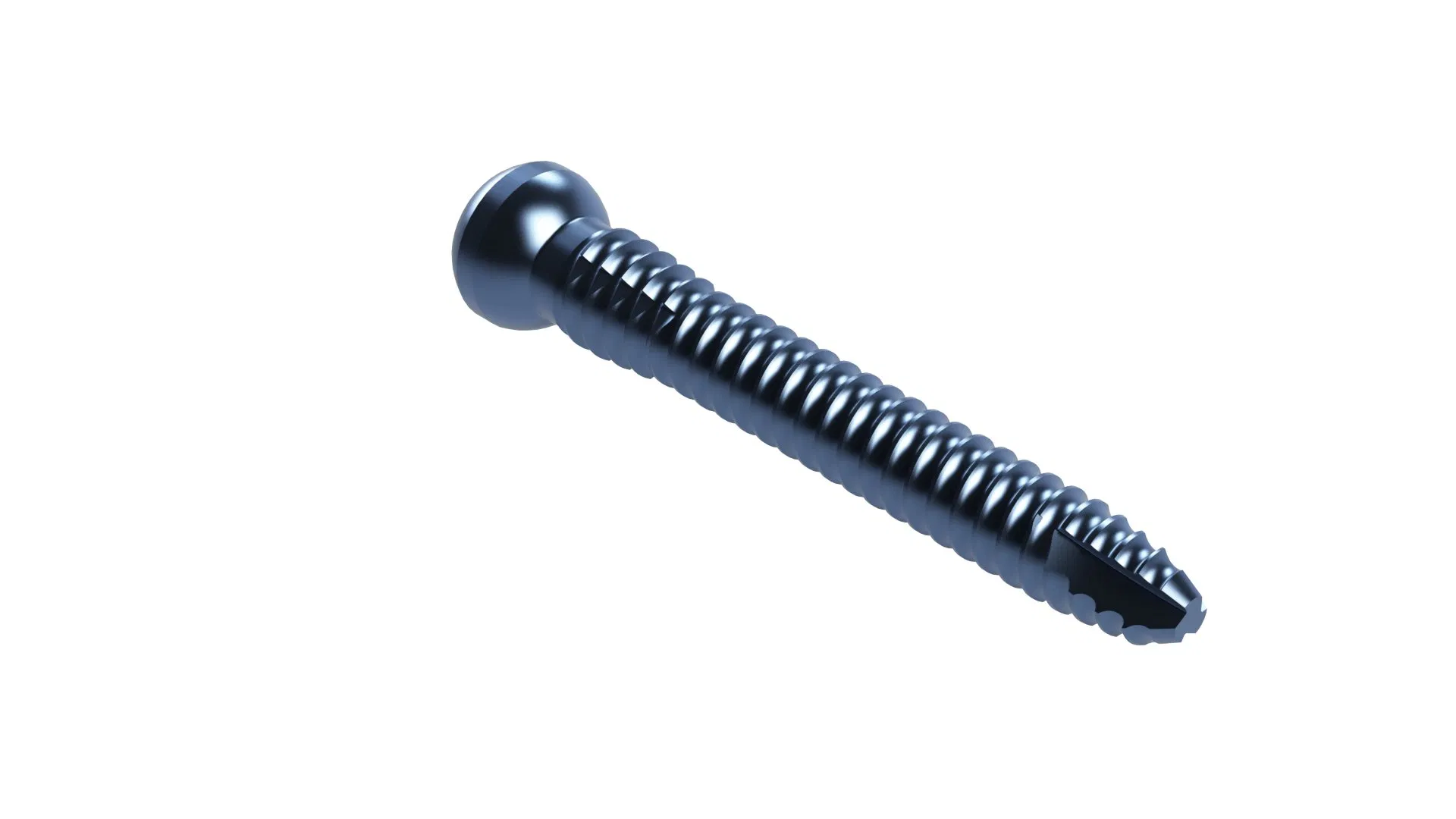
  • Locking System: Distal locking options provide axial stability with dynamic or static locking modes.
  • Material Excellence: Manufactured from titanium alloy (Ti-6Al-7Nb), balancing strength and biocompatibility.
  • Physiological Match: 5° outward deviation and 1500mm front arch, perfectly matching human physiological structure.
Clinical Benefits
  • Strong Rotational Stability: Effectively prevents rotational displacement and reduces cut-out risk.
  • Load Sharing: Decreases implant fatigue and fracture risk by sharing mechanical load with the bone.
  • Minimally Invasive: Technique reduces soft tissue damage and promotes faster recovery.
  • Early Mobilization: Supports early postoperative weight-bearing and improves quality of life.
📸 Product Visuals
PFNA Long Intramedullary Nail Overview
PFNA Specifications and Details
Surgical Components
Product Application
Orthopedic Implant Structure
🔬 Clinical Applications
  • Unstable intertrochanteric fractures (AO/OTA 31-A1, 31-A2)
  • Subtrochanteric fractures (AO/OTA 31-A3)
  • High and low subtrochanteric fractures and femoral shaft fractures
  • Pathological fractures and complex multiple fractures
Frequently Asked Questions
1. What are the primary indications for the PFNA system?
The PFNA system is primarily used for unstable intertrochanteric fractures, subtrochanteric fractures, and femoral shaft fractures, including pathological and complex multiple fractures.
2. How does the helical blade design benefit osteoporotic patients?
The unique helical blade compacts the cancellous bone during insertion rather than removing it. This provides superior rotational and angular stability, which is crucial for achieving secure fixation in patients with poor bone quality.
3. What material is used for these implants and are they certified?
The implants are manufactured from high-grade titanium alloy (TC4/Ti-6Al-7Nb) for optimal biocompatibility and strength. The manufacturing process is certified under EN ISO 13485 standards for medical devices.
4. Does the system support different locking modes?
Yes, the system offers distal locking options that include both dynamic and static locking modes to meet various clinical needs and enhance axial stability.
5. Is early weight-bearing possible after surgery?
The load-sharing design of the intramedullary nail allows for earlier postoperative weight-bearing compared to traditional plates, which helps in shortening hospital stays and speeding up recovery.
6. Can custom specifications or sample orders be requested?
Sample orders are available for quality evaluation. Custom orders based on specific pictures or samples can also be accommodated, though they may require longer lead times.

Related Products