 Tonk Orthopedic Implants
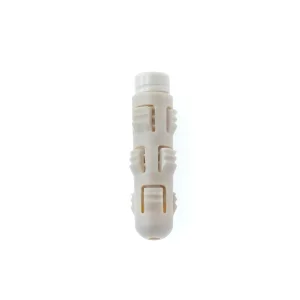
Pioneering reconstructive devices designed for cruciate ligament fixation and tendon transfers, engineered with bioabsorbable and non-absorbable polymers.
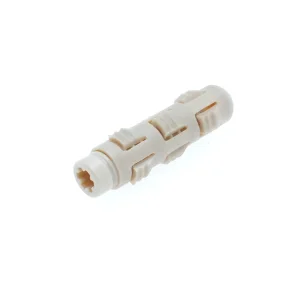
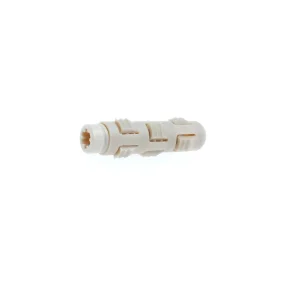
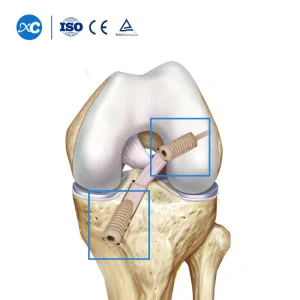
An In-Depth Structural Analysis of Interference Screw Sourcing, Material Science, and Clinical Adaptations in West-Central Africa.
In modern sports medicine and orthopedic traumatology, the successful reconstruction of the Anterior Cruciate Ligament (ACL) and Posterior Cruciate Ligament (PCL) is highly dependent on the initial mechanical fixation strength of the grafted tendon. Interference screws represent the clinical benchmark for securing bone-patellar tendon-bone (BTB) and soft-tissue autografts or allografts within femoral and tibial tunnels. In the emerging medical market of Equatorial Guinea, encompassing key urban and clinical hubs like Malabo and Bata, the demand for highly specialized orthopedic devices has surged. This growth is driven by local infrastructure modernization, increases in athletic sports participations, and public-private partnerships focused on upgrading surgical standards.
This whitepaper analyzes the biophysical and clinical demands of interference screws, evaluates the transition from metallic to polymeric and biocomposite materials, and provides a macro-level roadmap for healthcare administrators, purchasing departments, and orthopedic surgeons in Equatorial Guinea. Through strict adherence to ISO 13485 standards, CE marking, and FDA clearances, international manufacturers must optimize supply chains to ensure timely, sterilized, and high-performance implant systems reach this developing region.
Equatorial Guinea has undergone a structured transformation under its national health development frameworks. Historically dependent on imported surgical resources, the Ministry of Health and Social Welfare (Ministerio de Sanidad y Bienestar Social - MINSABS) has prioritized the development of specialized clinical services at key medical institutes, including the Hospital General de Malabo, the Hospital Regional de Bata, and elite private-public partnerships like the La Paz Medical Center in Malabo and Bata.
As arthroscopic and minimally invasive orthopedic surgeries transition from specialized procedures to standard clinical offerings in these regional referral centers, sourcing reliable orthopedic implants becomes critical. The local industrial reality relies on established distribution networks capable of navigating the regulatory landscape of the Central African Economic and Monetary Community (CEMAC). As a result, direct procurement partnerships with experienced global manufacturers—such as Tonk, which has served the global healthcare market since 1981—help bypass multi-tiered brokerage, ensuring cost efficiency, strict temperature-controlled storage, and uninterrupted sterile supply chains directly to hospitals across the Insular and Continental regions.
To guide procurement officers and clinical directors, the physical and biological characteristics of interference screws must be clearly evaluated. The choice of material directly impacts patient recovery, postoperative imaging quality, and the potential need for revision surgery.
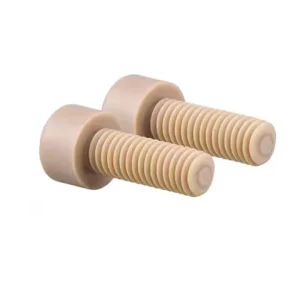
In facilities operating state-of-the-art MRI rooms in Malabo and Bata, the use of metallic implants can create severe imaging artifacts. Employing PEEK or PLLA polymer screws eliminates magnetic interference, allowing radiologists to perform clear post-operative evaluations of graft healing and knee joint integration without image distortion.
| Material Type | Mechanical Strength | Bioabsorption Rate | MRI Artifacts | Biocompatibility & Osteointegration |
|---|---|---|---|---|
| PEEK (Polyetheretherketone) | Excellent (Comparable to cortical bone) | Non-absorbable (Permanent) | Zero Interference (Non-magnetic) | Inert; minimal tissue reaction; encapsulating bone interface |
| PLLA (Poly-L-lactic acid) | High initially; degrades gradually | Slow (18 - 36 Months) | Zero Interference (Non-magnetic) | Bioabsorbable; potential for mild sterile inflammatory response |
| Biocomposite (PLLA + TCP/HA) | Moderate to High | Controlled (12 - 24 Months) | Zero Interference (Non-magnetic) | Excellent; Calcium-Phosphate stimulates bone growth into the tunnel |
| Titanium / Stainless Steel | Maximum | Non-absorbable (Permanent) | Severe Artifacts / Distortion | Inert; risk of graft laceration during insertion due to sharp threads |
Orthopedic interference screws must withstand significant torsional stresses during insertion, especially when being driven into dense tibial bone tunnels. A screw failure mid-procedure can cause bone tunnel damage or graft laceration.
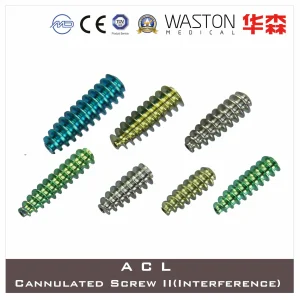
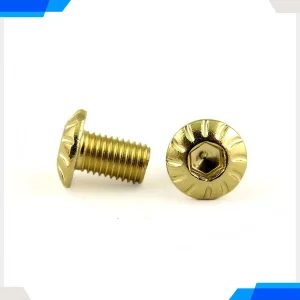
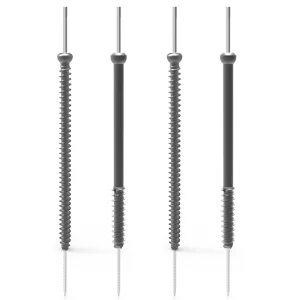
Modern manufacturing processes feature high-torque hexagonal or star-drive drives (e.g., torx designs), which distribute rotational force evenly. Cannulated designs allow the insertion of a guide wire to ensure parallel alignment of the screw within the bone tunnel, reducing the risk of divergence. The thread profiles are carefully rounded to prevent tearing the soft tissue graft while remaining sharp enough to bite into the bone walls, providing immediate, high-load initial stability. This initial pull-out strength is critical to allow patients in Equatorial Guinea to begin early post-operative rehabilitation, which reduces joint stiffness and improves overall recovery times.
For public and private procurement departments in Bata and Malabo, selecting an international supplier involves verifying specific credentials to ensure patients receive safe, high-quality implants.
Importing medical implants into Equatorial Guinea requires compliance with national regulations and regional CEMAC policies. All shipments must include certificates of analysis, sterilized batch records, and commercial documentation certified for import. By partnering with established global logistics providers, we manage the customs clearance process through the Port of Bata and Malabo Airport, avoiding delivery delays.
Additionally, local surgical teams require access to training and technical documentation. To support this, we provide digital operative guides, torque specification sheets, and 24/7 technical support. This ensures local orthopedic surgeons have the resources required to successfully use our implant systems.
Developing screw matrices enriched with bioactive glass and osteoinductive proteins to accelerate bone growth into the screw site, leading to faster healing times.
Using clinical CT scan data to fabricate patient-specific interference screws designed to match unique bone tunnel geometries, optimizing initial graft tension and fit.
Integrating micro-sensors into the screw core to monitor localized pH changes and mechanical strain in real-time, sending data wirelessly to clinical teams to track healing progress.
Established in 1981, Tonk has been a trusted global exporter of medical equipment, hospital furniture, orthopedic implants, instruments, laboratory equipment, and scientific products. Our goods serve medical professionals across all continents, from the Americas to Europe, Asia, and Africa.
With over 100 dedicated employees specializing in production, rigorous quality inspections, and global logistics, we ensure that world-class healthcare products are delivered directly to your doorstep. Each team member brings deep technical knowledge and years of industry experience to support our clients.
Our extensive product range includes orthopedic implants, hospital hollowware, resuscitators, laryngoscopes, hospital furniture, rehabilitation aids, autoclaves, sterilizers, and suction machines.
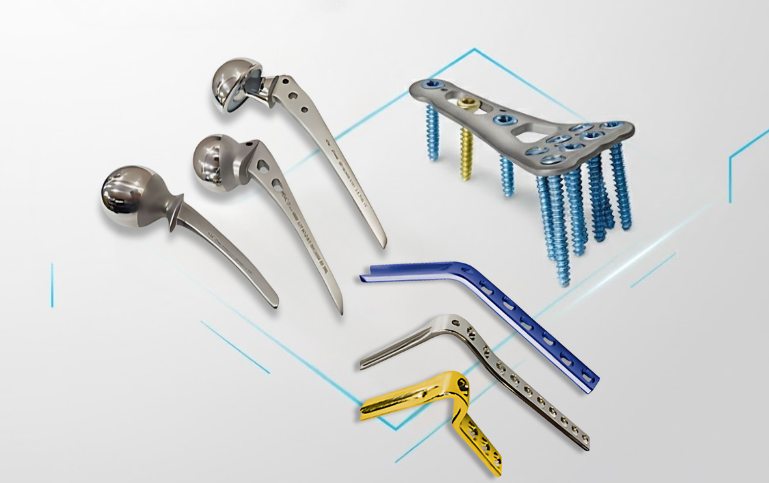
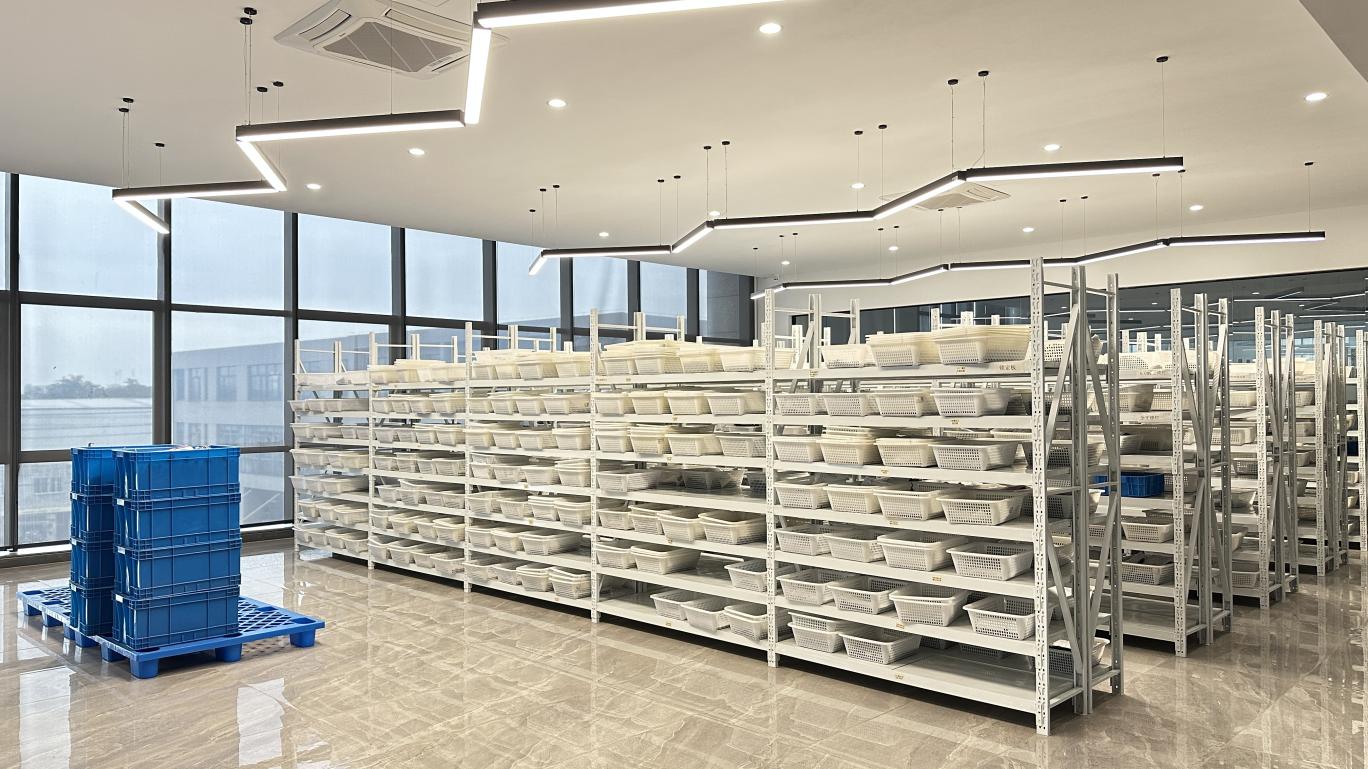
Delivering reliability at every stage of the orthopedic supply chain, from raw material selection to sterile surgical delivery.

Our logistics department works with top-tier international carriers to ensure your goods arrive safely and on time.

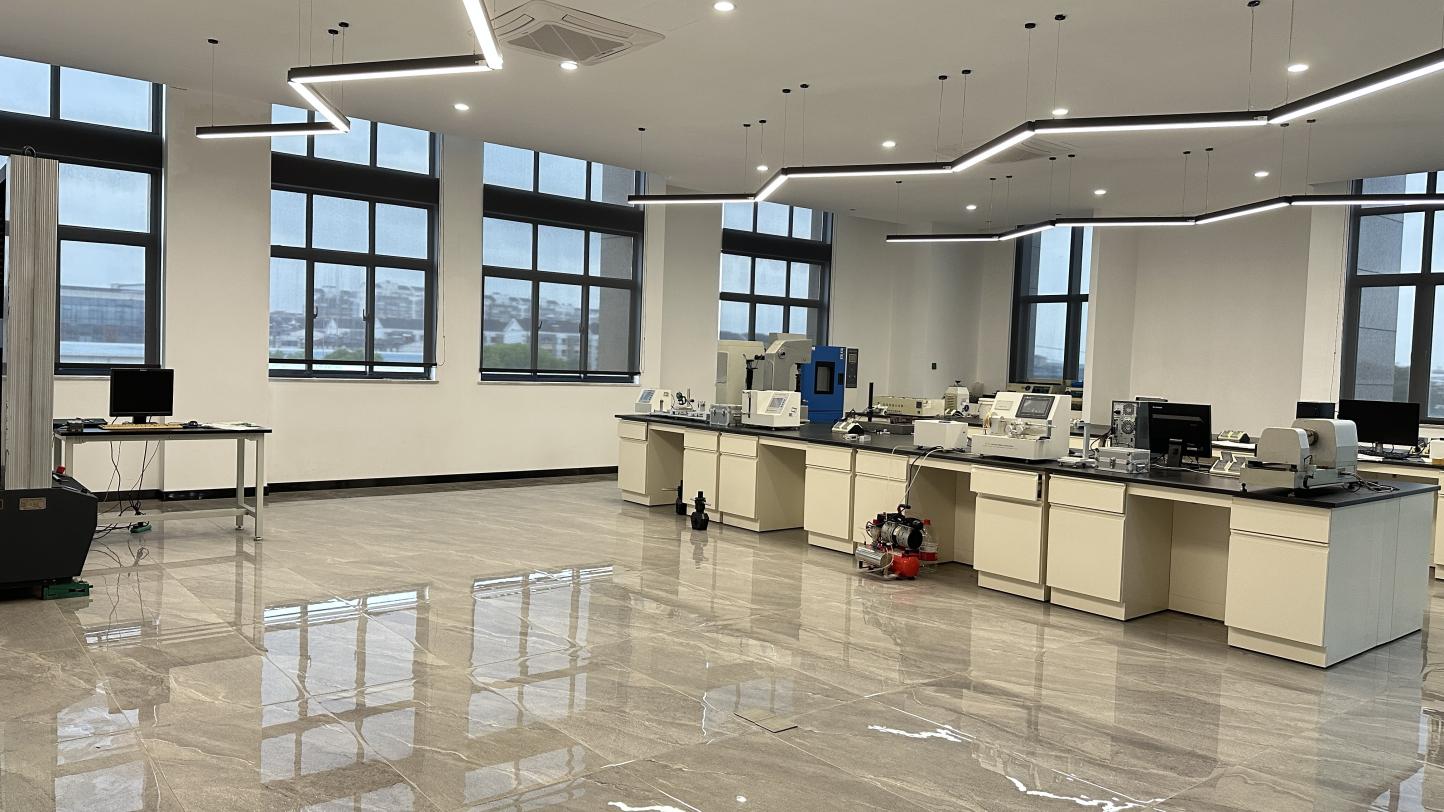
Every Tonk product is manufactured to high quality standards, with no compromise on patient safety or product performance.

Our continuous focus on design and production technology helps us deliver high-performance products at competitive prices.

Our post-sales customer service team is available 24/7 to promptly assist you with any product queries.
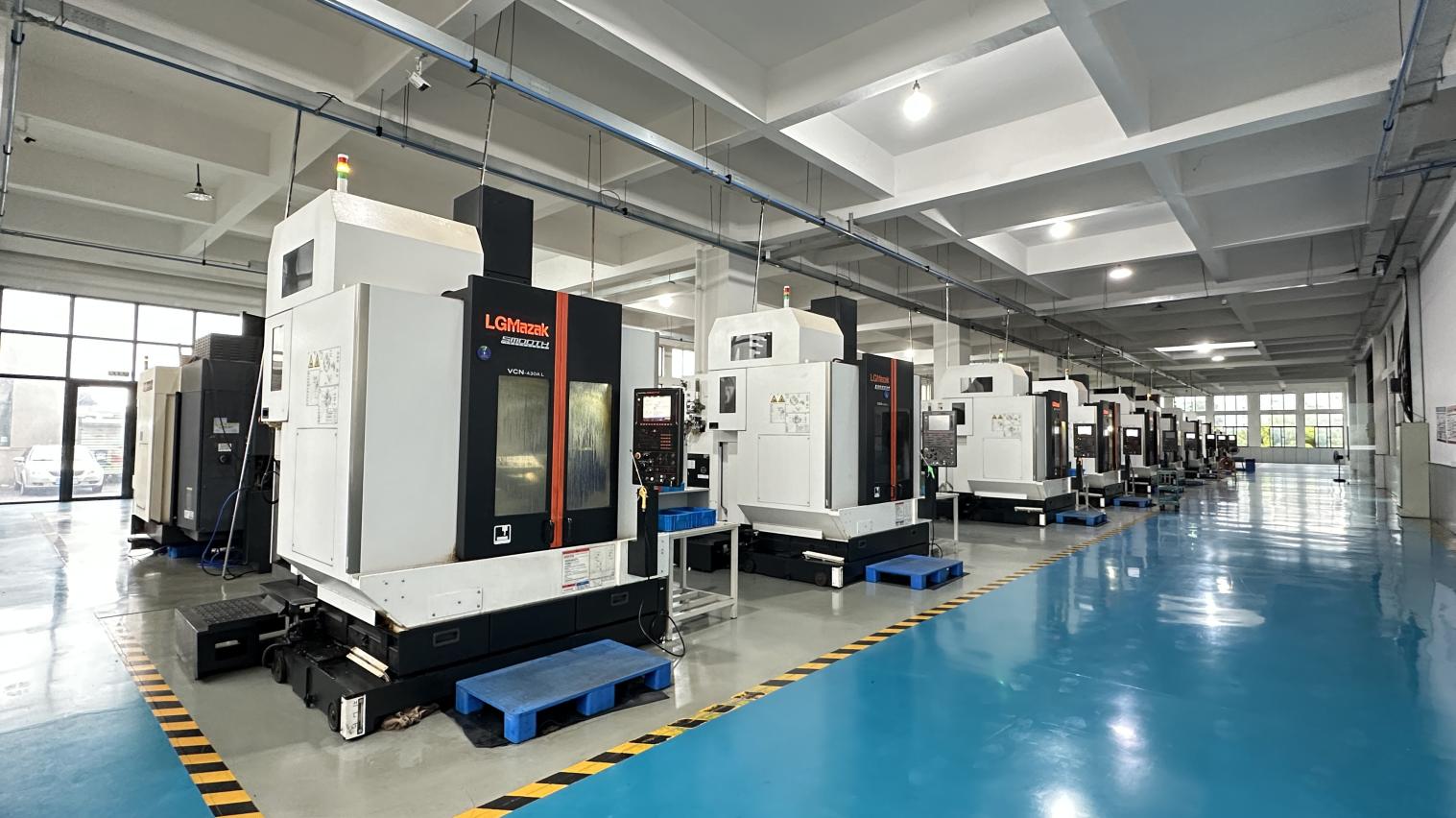
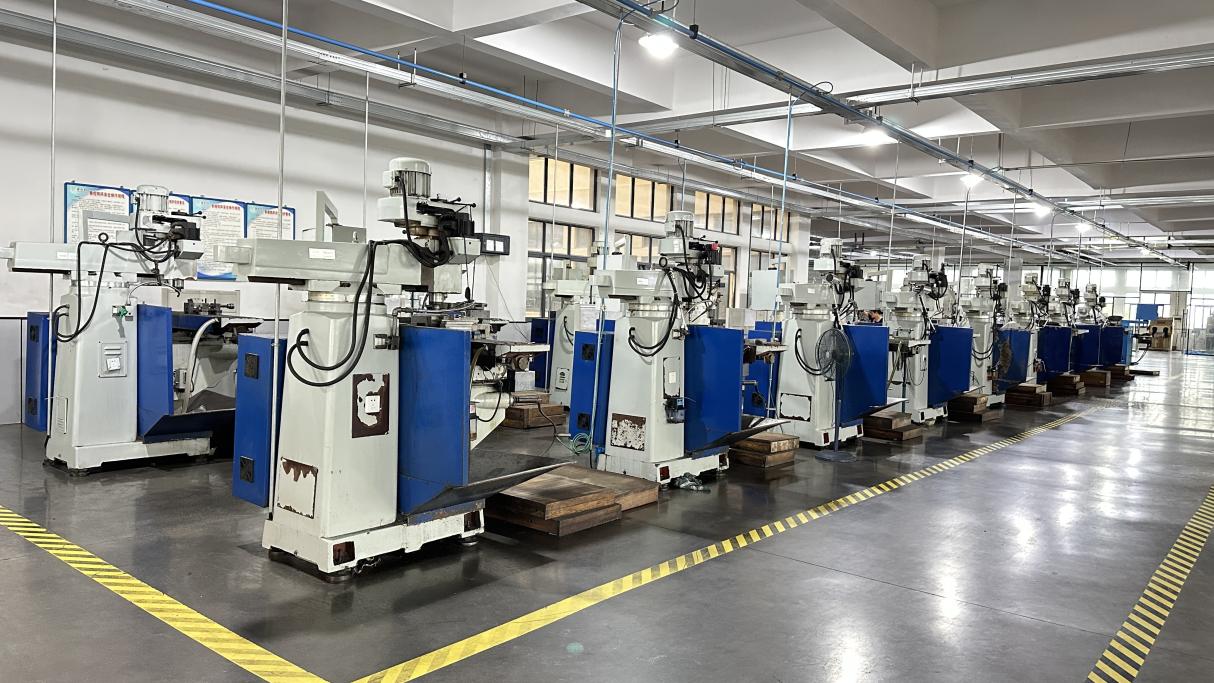
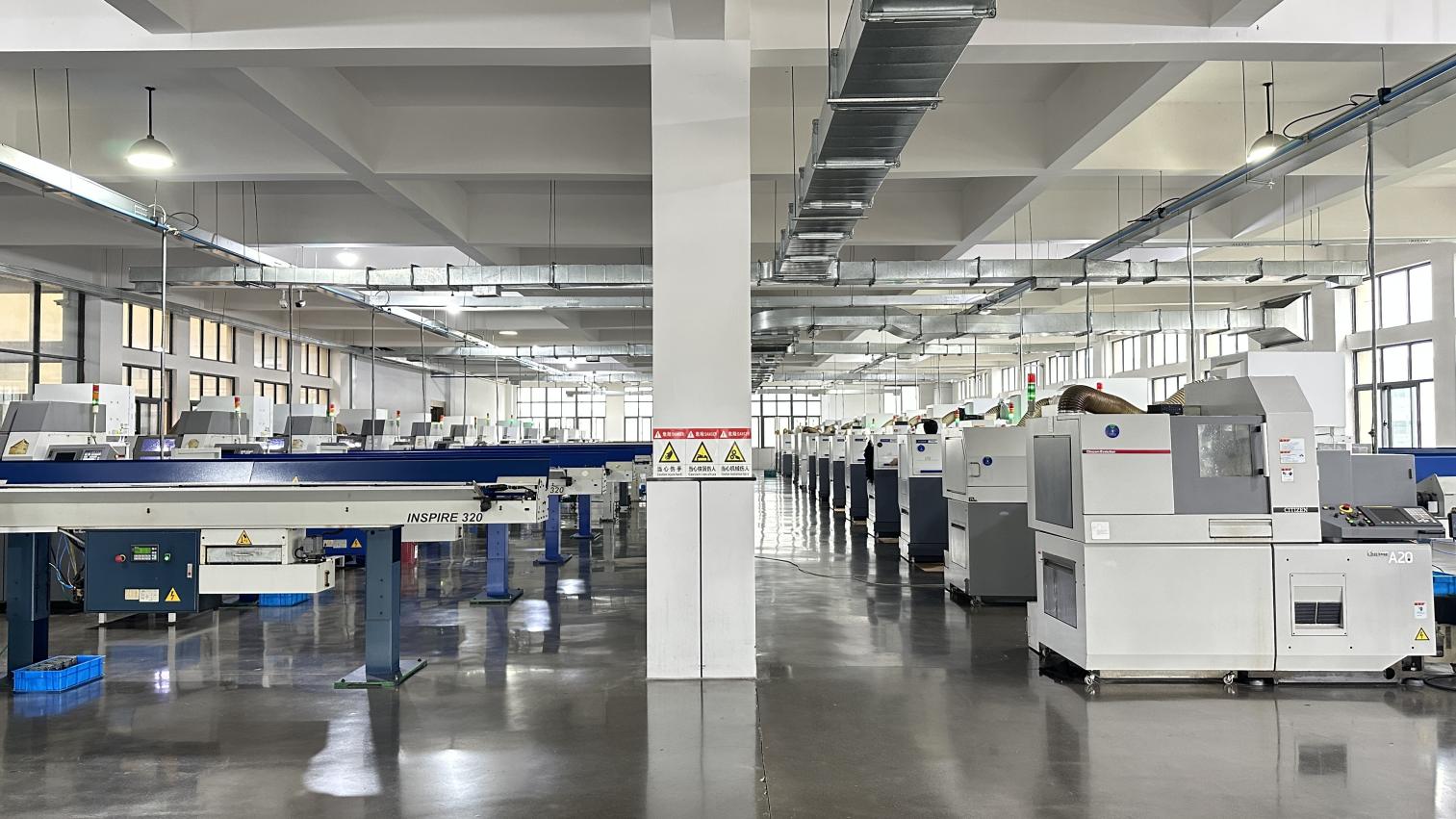
Our manufacturing processes utilize precision CNC machining, cleanroom injection molding, and strict quality control measures.

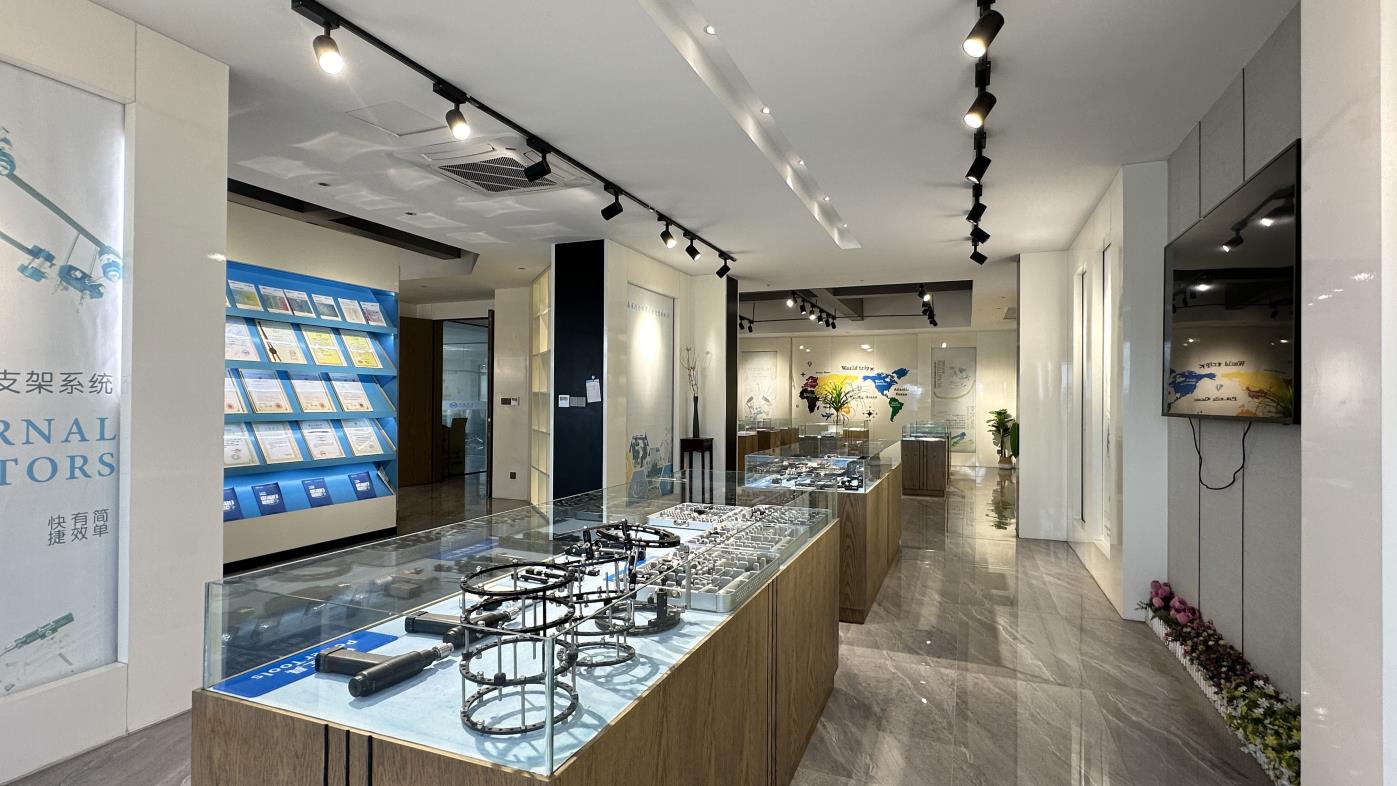
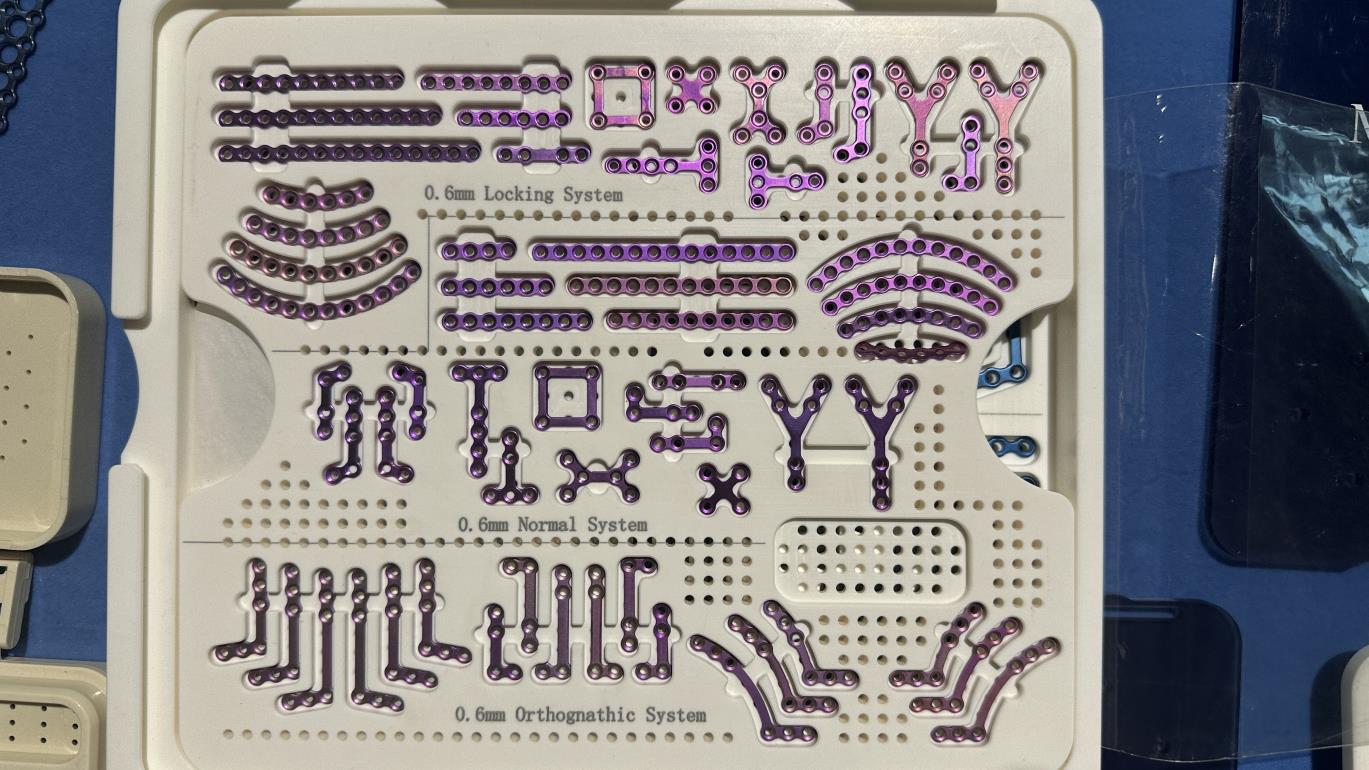
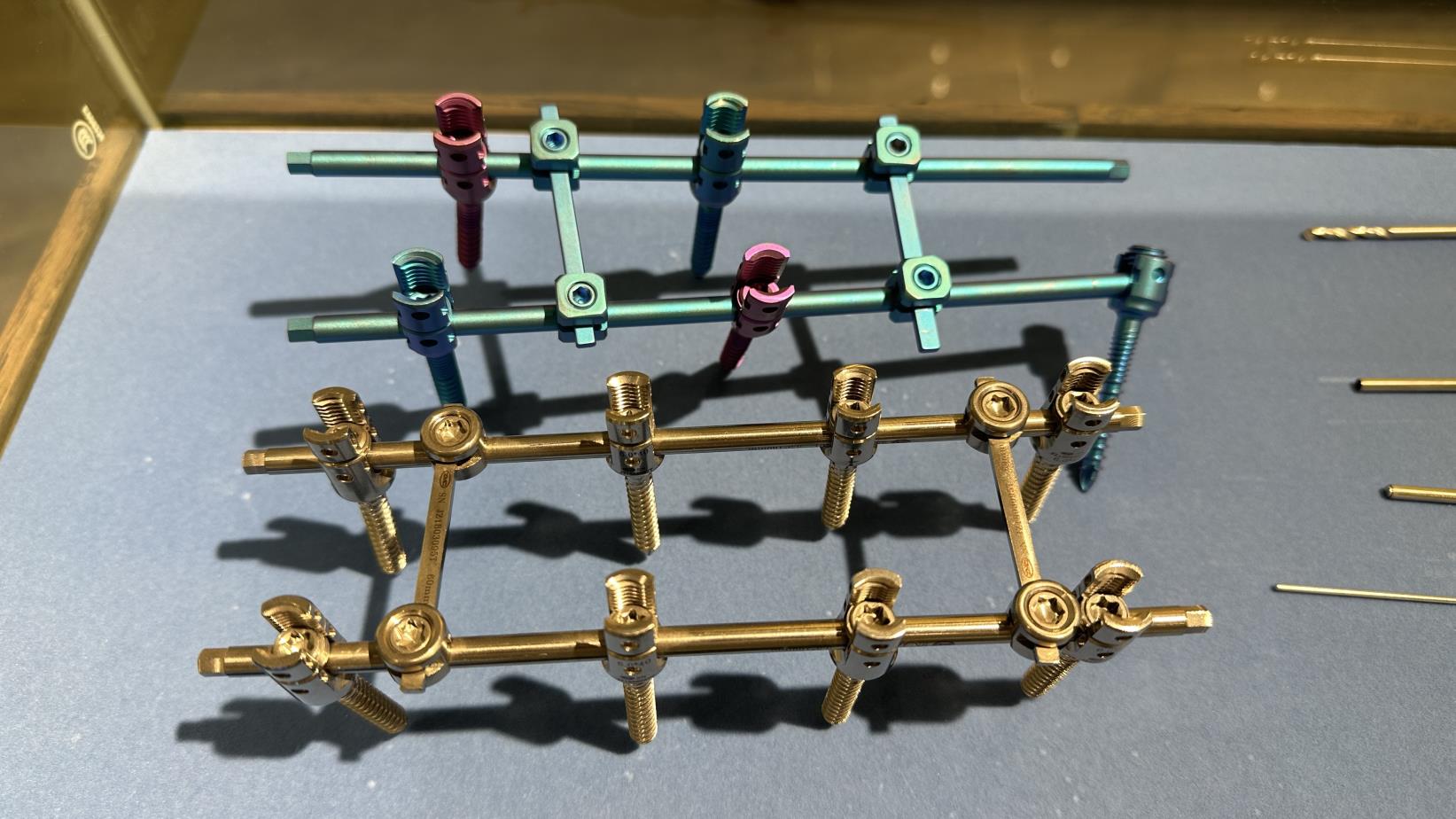
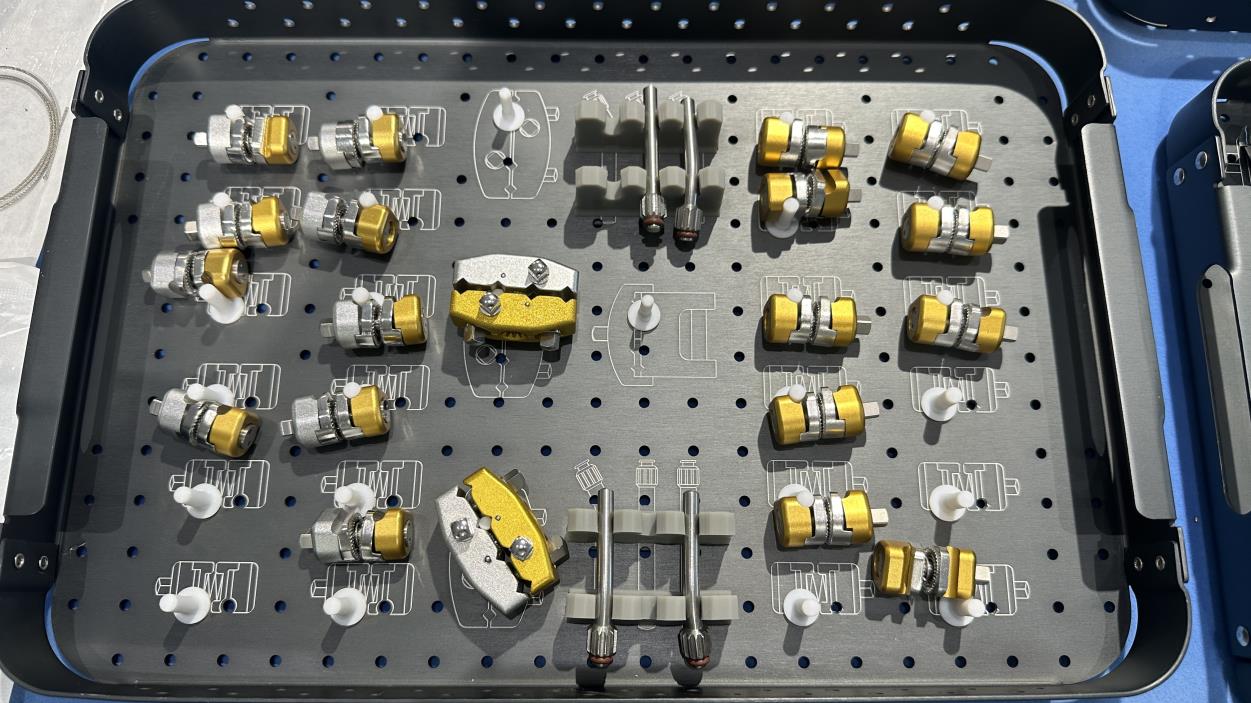
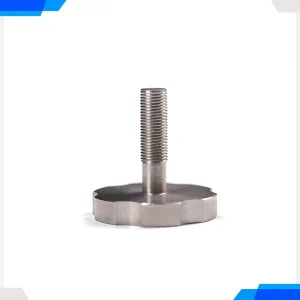
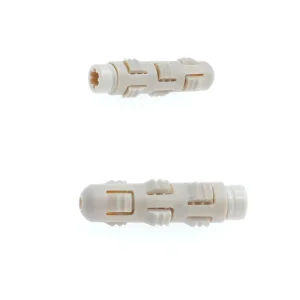
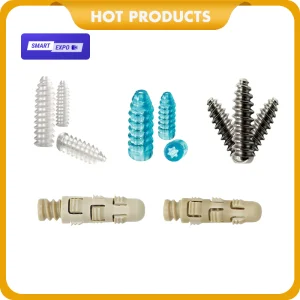
Explore our complete range of specialized fixation screws and orthopedic instruments, including bioabsorbable models and non-magnetic imaging solutions.
Technical answers to key procurement, logistical, and material queries regarding orthopedic screws in West-Central Africa.
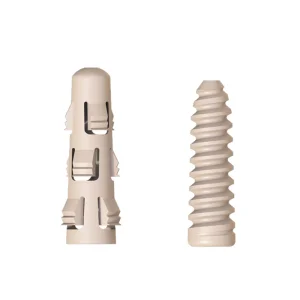
PLLA (Poly-L-lactic acid) screws are designed to degrade gradually inside the body through hydrolysis, typically over 18 to 36 months, allowing native bone to replace the screw site. PEEK (Polyetheretherketone) is a permanent, non-absorbable polymer that provides long-term mechanical stability comparable to titanium, but without creating imaging artifacts during postoperative MRI scans.
We provide full documentation, including ISO 13485 certificates, Certificates of Free Sale (CFS), and sterilized batch records to simplify import clearance through the Port of Bata and Malabo Airport. We work with international freight forwarders to ensure safe, temperature-controlled delivery directly to hospital facilities.
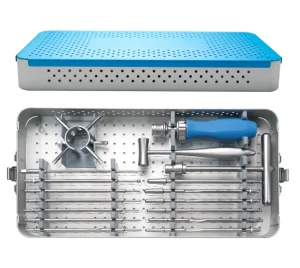
While our screws utilize standard hexagonal and star drive profiles compatible with generic orthopedic driver shafts, we recommend using Tonk dedicated instrument sets. These sets include guide wires, taps, and torque-limiting screwdrivers designed to prevent screw damage during insertion.
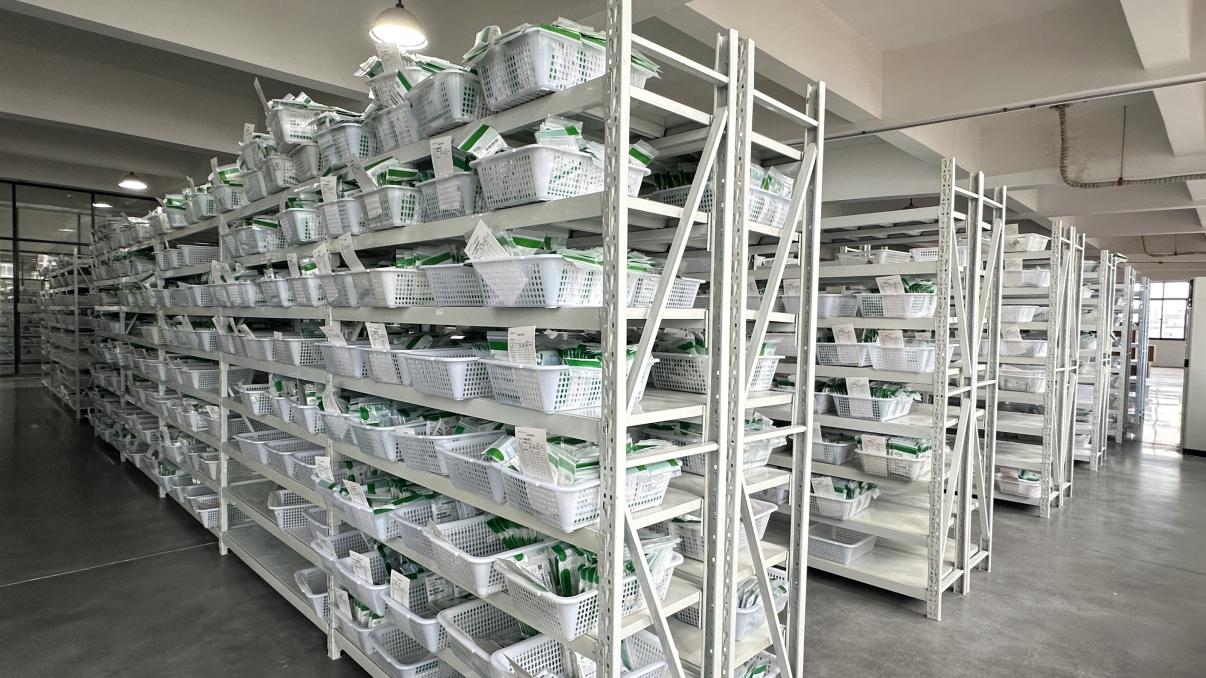
Yes, all of our orthopedic implants are double-wrapped in medical-grade Tyvek packaging and sterilized using Ethylene Oxide (EO). Under proper storage conditions, they carry a validated shelf life of 5 years from the sterilization date, as indicated on the package label.
Connect directly with our technical sales team for custom dimensions, bulk hospital pricing, and regional distribution partnerships.
Send Inquiry Now