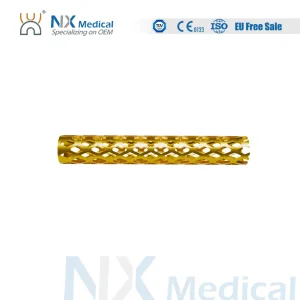
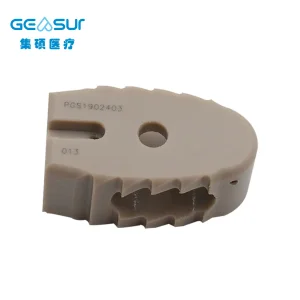
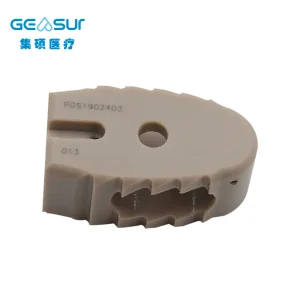
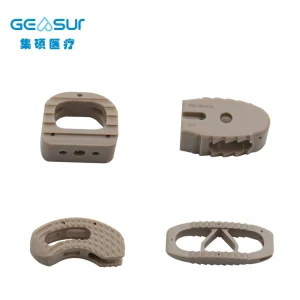
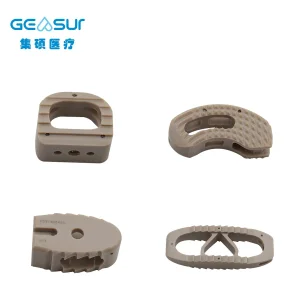
Engineered with vacuum plasma titanium coating and medical-grade PEEK, optimizing osseointegration and radiographic clarity for orthopedic clinics in Asmara and Massawa.
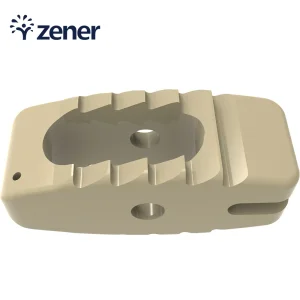
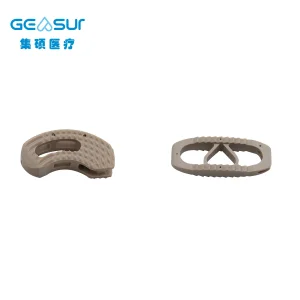
Analyzing Clinical Application, Material Science, and Procurement Dynamics in Eritrea and the Horn of Africa.
Eritrea, located in the Horn of Africa, is currently undergoing a rapid modernization phase in its public and private healthcare sectors. Degenerative disc diseases (DDD), spondylolisthesis, and spinal trauma resulting from agricultural accidents or vehicular collisions represent a significant portion of patient admissions at referral institutions such as the Orotta National Referral Hospital and Halibet Hospital in Asmara. Historically, access to complex spinal reconstruction implants was restricted by logistical channels and financial constraints.
The introduction of specialized interbody fusion cages made of PEEK (Polyetheretherketone) and Titanium Alloys marks a paradigm shift. Local orthopedic and neurosurgeons require implants that balance anatomical compatibility with long-term mechanical integrity, minimizing revision rates. The procurement pathway is heavily scrutinized, demanding strict validation of surgical efficacy, biological safety, and long-term economic sustainability.
Modern spinal clinical protocols in Eritrea increasingly favor Titanium-coated PEEK implants. By depositing a rough titanium layer onto a radiolucent PEEK substrate, surgeons gain the radiological monitoring benefit of PEEK (zero artifact on CT/MRI scan) combined with the cellular bone-bonding acceleration (osseointegration) of porous titanium.
The biomechanical behavior of spinal implants dictates the rate of successful arthrodesis and prevents complications like cage subsidence. Understanding the structural properties of these materials is crucial for procurement departments and clinical leads.
| Biomechanical Property | Medical-Grade PEEK (ASTM F2026) | Titanium Alloy (Ti-6Al-4V) | Porous Titanium-Coated PEEK |
|---|---|---|---|
| Elastic Modulus (GPa) | 3.6 - 4.0 (Close to cortical bone) | 110 - 114 (Higher stiffness) | 3.6 (Core) / Structured Interface |
| Radiographic Artifacts | None (Radiolucent - excellent visualization) | Significant (Metal scatter on MRI/CT) | Minimal (Thin coating allows evaluation) |
| Osseointegration Rate | Passive (Fibrous encapsulation potential) | Excellent (Direct bone-to-metal bonding) | Superior (Accelerated osteoblastic migration) |
| Stress Shielding Risk | Negligible | Moderate to High | Negligible |
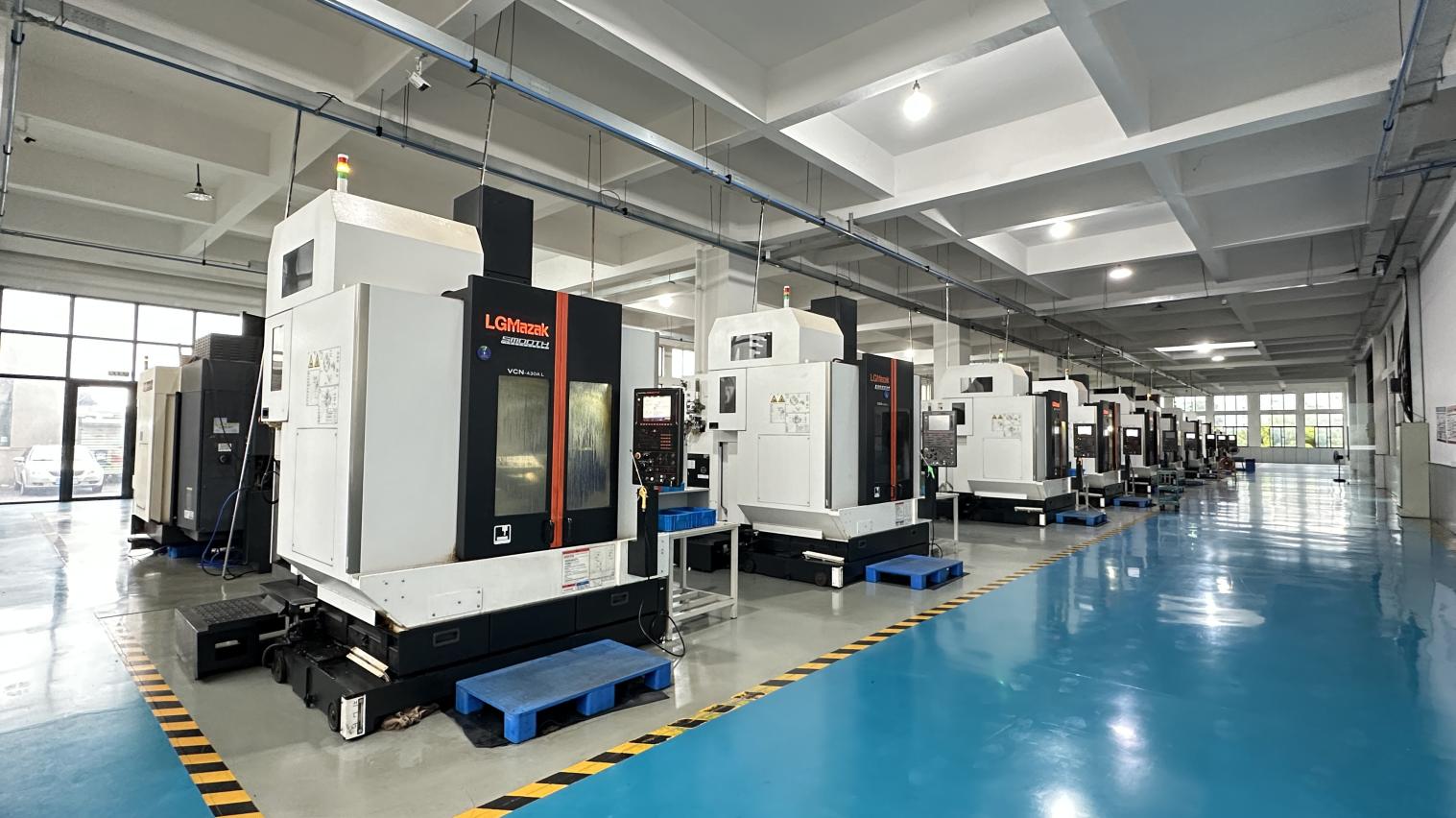
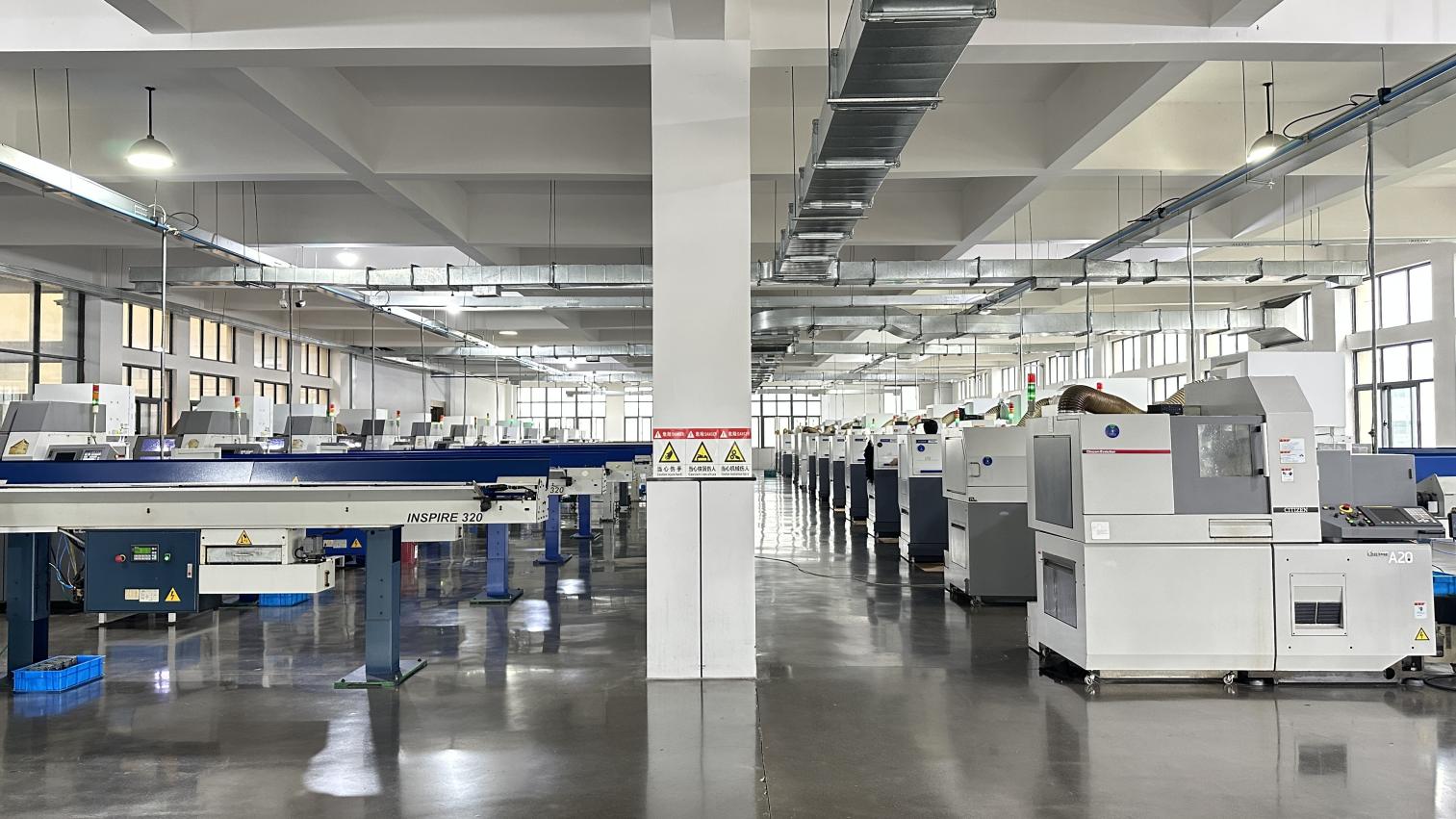
As a global hub for medical device manufacturing, China-based orthopedic manufacturing plants have revolutionized the supply chain. Utilizing state-of-the-art multi-axis CNC milling machines, vacuum plasma spray (VPS) systems, and Class 100,000 cleanroom packaging facilities, Chinese factories deliver CE-certified spinal implants at a fraction of the cost of legacy Western brands. This efficiency is achieved not by compromising raw material quality—which consists of US-imported Solvay PEEK and medical-grade titanium—but through vertical integration, optimized logistics, and automated manufacturing protocols. For public health tenders in Eritrea overseen by the Ministry of Health (MoH), this price-to-performance ratio makes universal orthopedic care programmatically viable.
Distributors and medical import companies in Eritrea require robust, reliable shipping routes and regulatory support. Shipments arriving through the Port of Massawa or Asmara International Airport require comprehensive documentation, including FDA/CE certificates, ISO 13485 manufacturing audits, and detailed sterilization validation documentation. Customization is also a critical factor: local populations present diverse anatomical variations, requiring a wide spectrum of lordotic angles, heights, and footprint configurations in ALIF, PLIF, TLIF, and OLIF cages.
Tonk was established in the year 1981 and has since been engaged in the export of Medical equipments, Hospital equipments, Orthopaedic Implants & instruments, Laboratory equipments, Scientific & Educational products worldwide. Our goods have reached all continents from "The Americas" to "Europe" and beyond.
With 100+ employees who are involved in activities related to production, inspections and dispatch we assure you world class healthcare products delivered to your doorstep. Each employee has in-depth knowledge about the product and has years of experience to back that knowledge.
The product range includes Orthopaedic Implants, Hospital Hollow wares, Resuscitators, Laryngoscopes, Hospital Furniture, Rehabilitation Aids, Autoclaves, Sterilizers, Suction Machines and many more.
We offer you a complete experience starting from the placement of your order until the successful installation of the product. The logistics department makes sure that your goods reach you with the best available carriers in the shortest possible time frame. Our post-sales customer service team is available 24/7 to answer all your queries regarding our products.
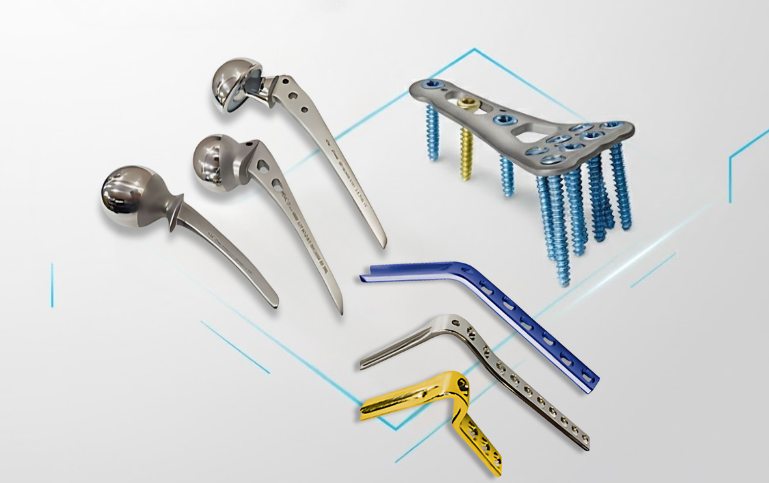
Ensuring precision manufacturing, timely delivery, and uninterrupted clinical support across Eritrea and worldwide.

The logistics department makes sure that your goods reach you with the best available carriers in the shortest possible time frame.

Every Tonk product comes with an assurance of high quality and zero compromise in its production, performance, and safety.
Our innovative approach towards product design and production help us bring you the best products at even better prices.

Our expert post-sales customer service team is available 24/7 to promptly answer all your queries regarding our products.
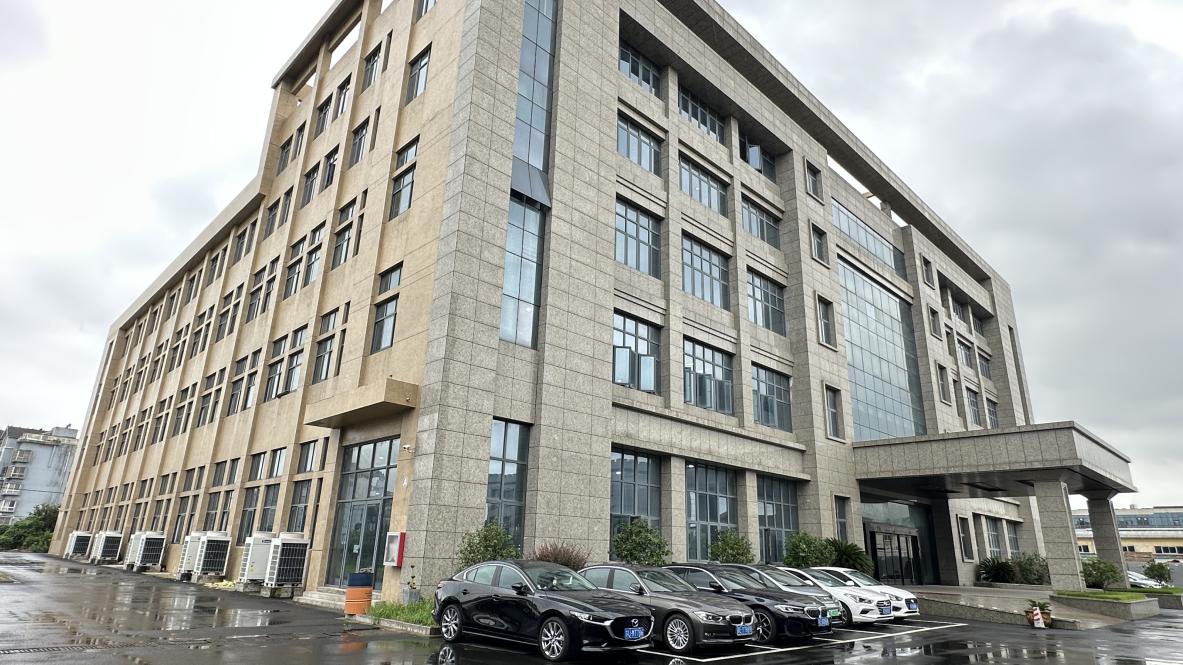
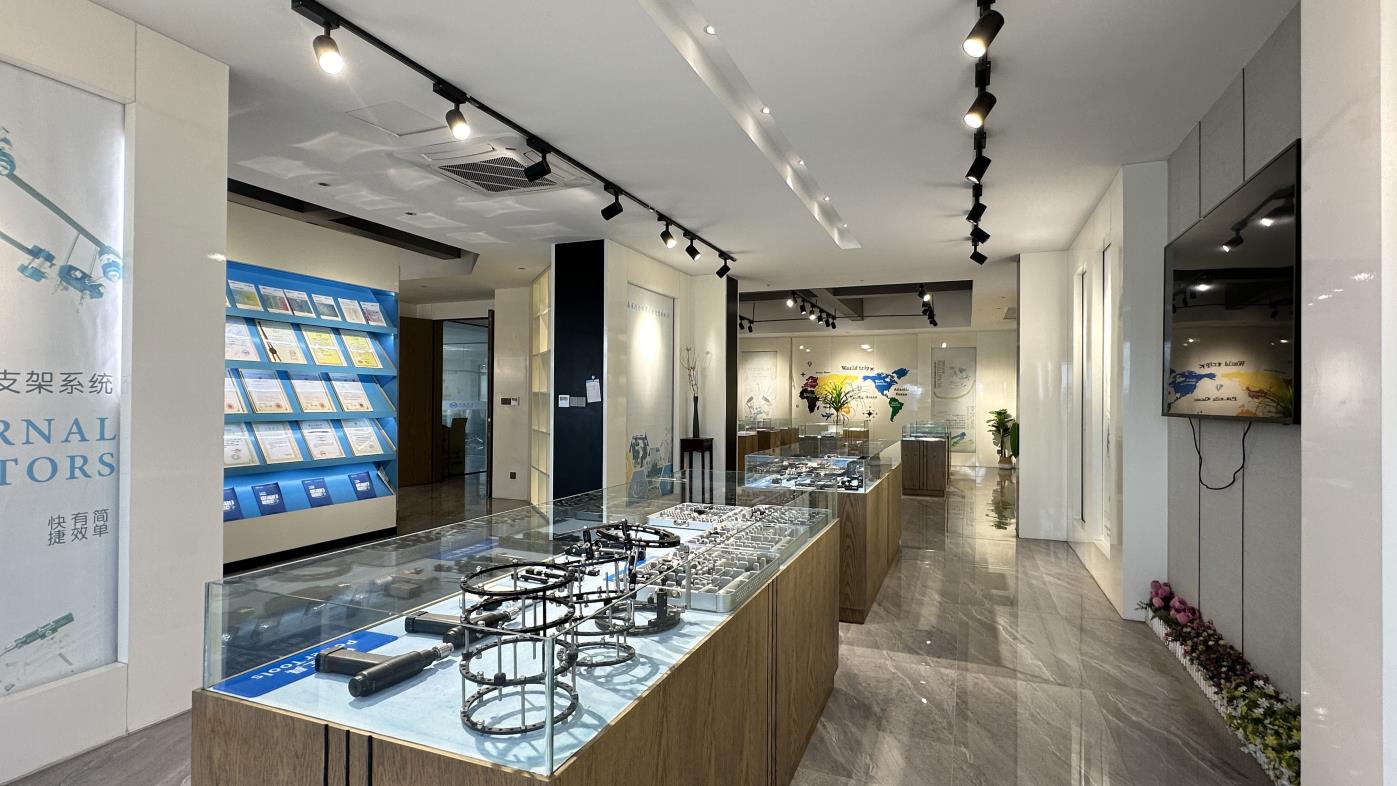
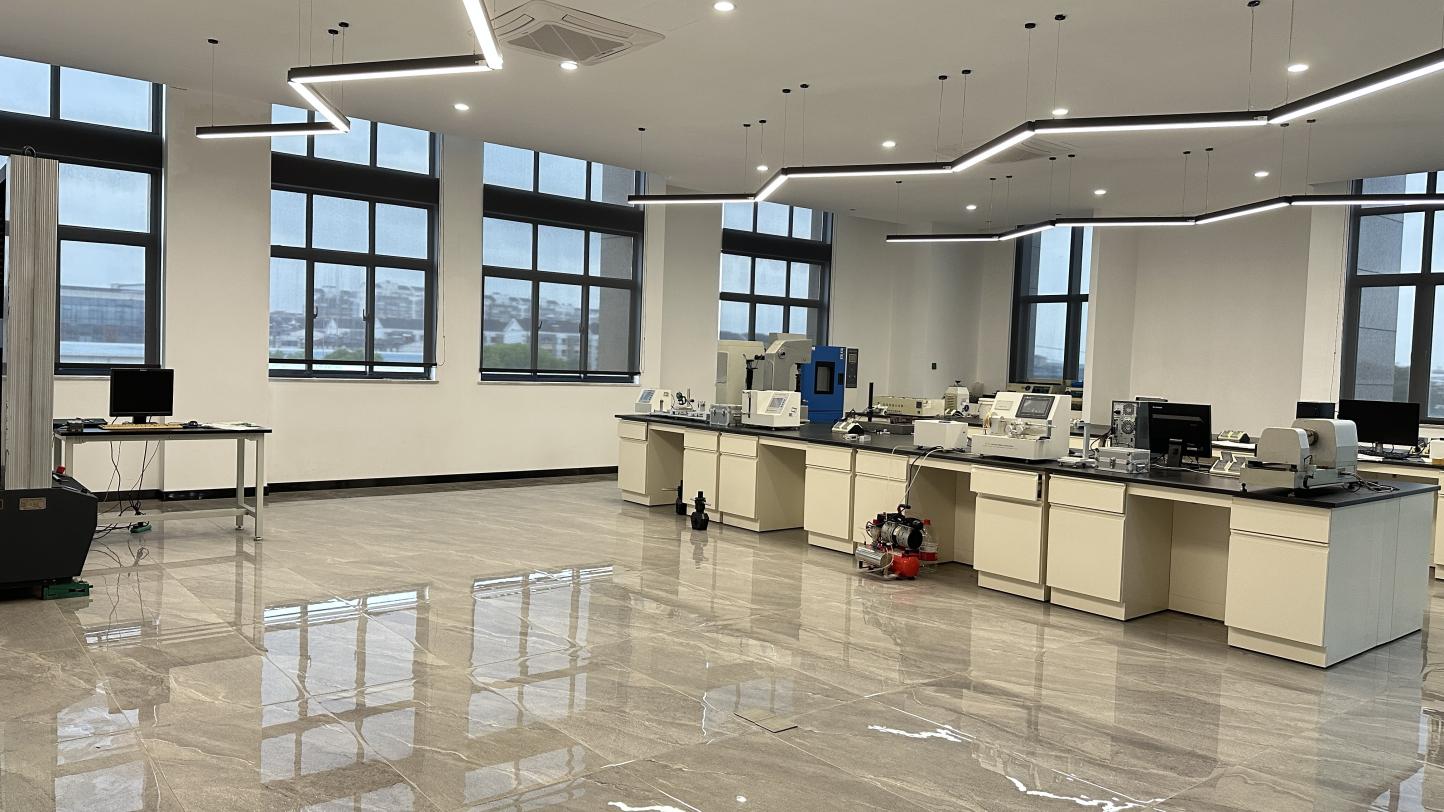
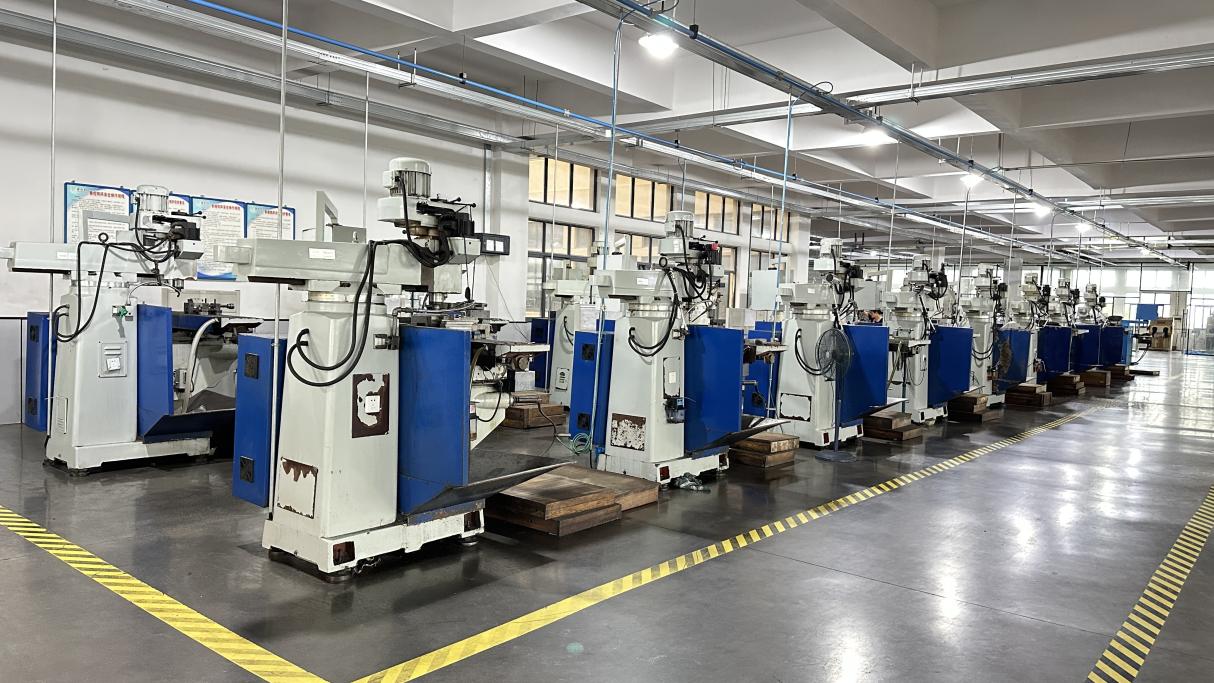
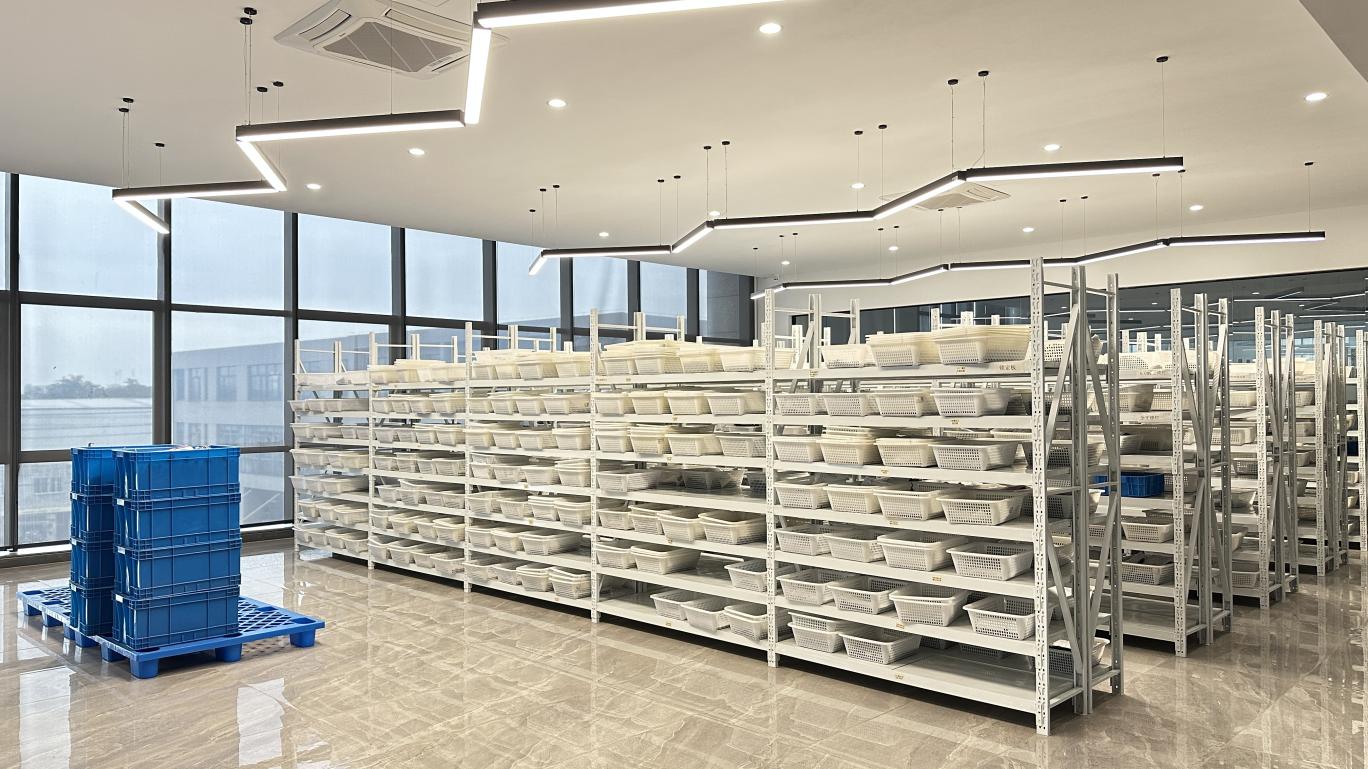
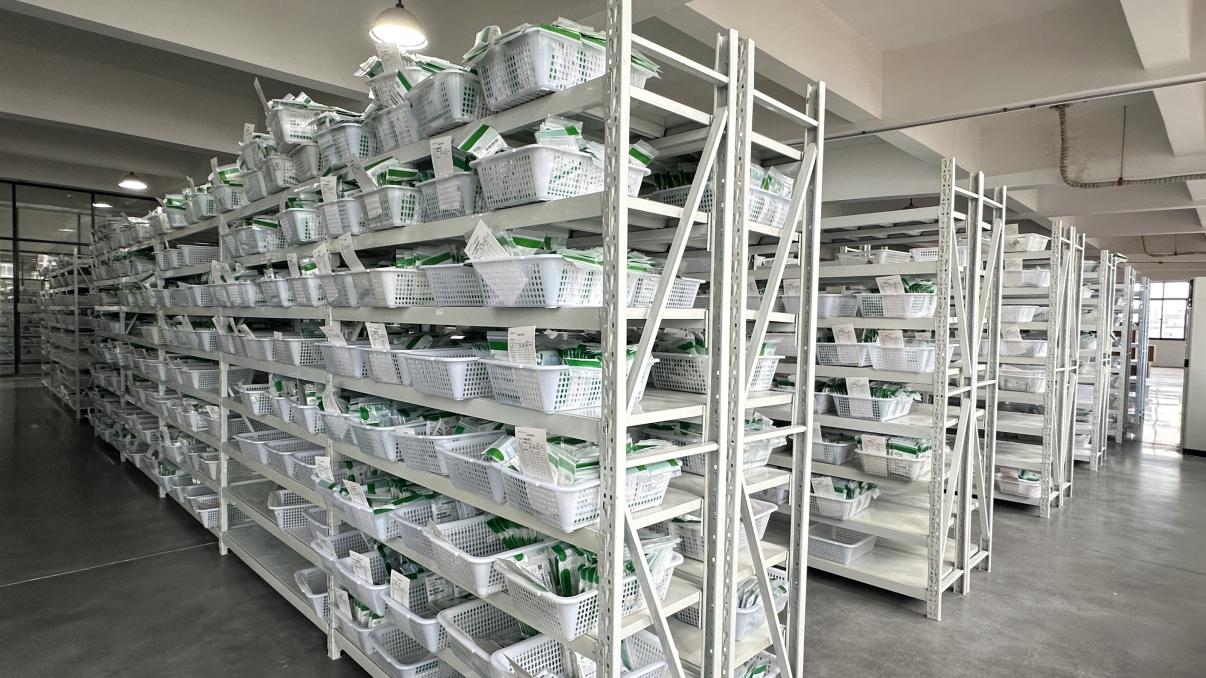
An overview of our precision machining, testing laboratory, and quality check systems.
Answers to critical regulatory, logistical, and technical queries regarding spinal fusion imports to Eritrea.
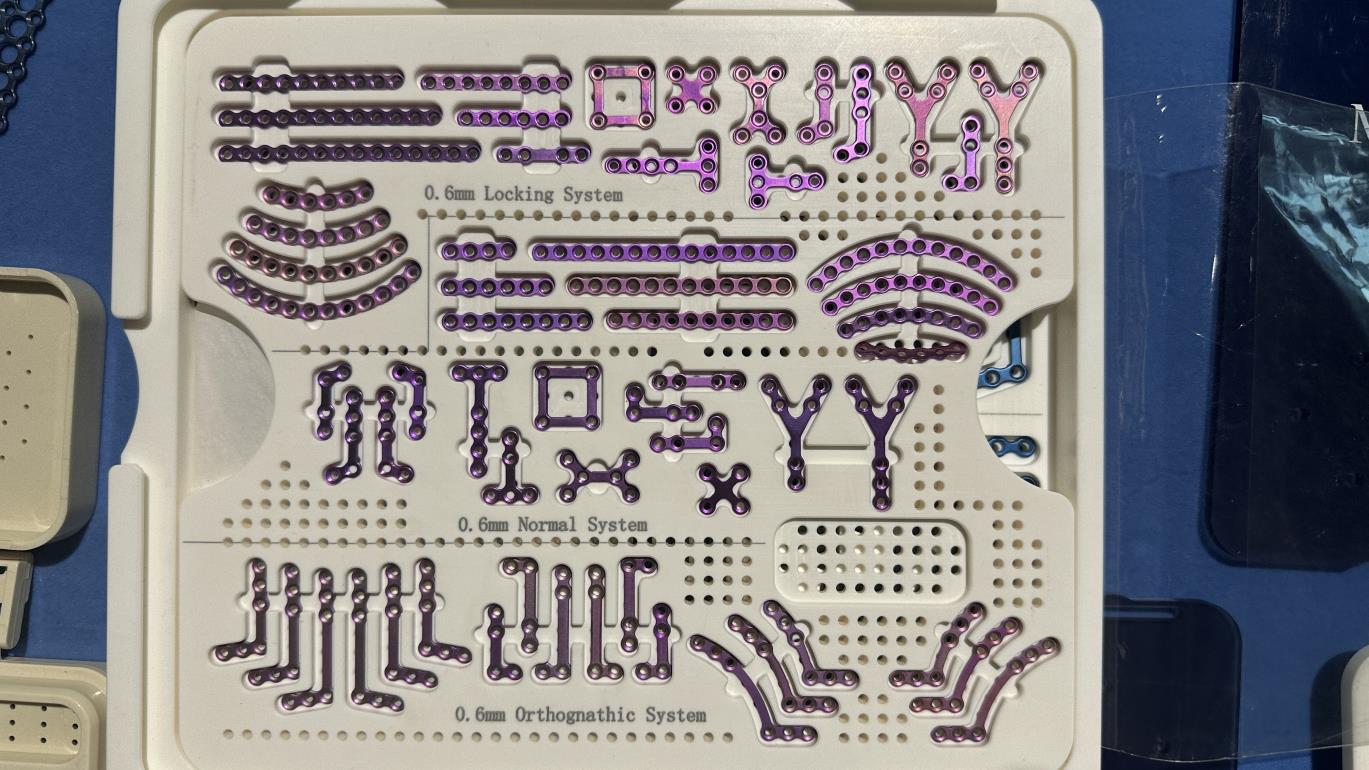
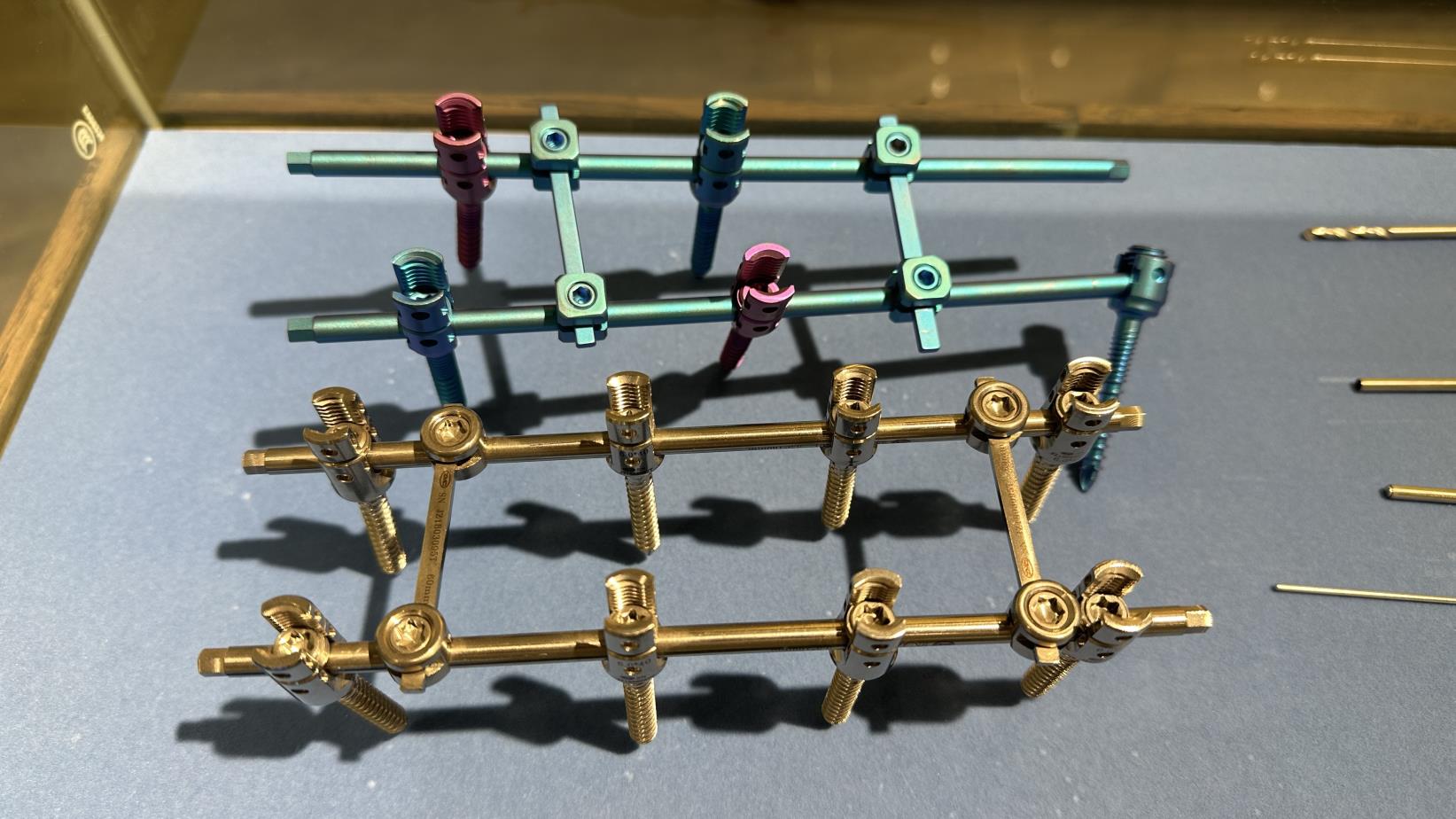
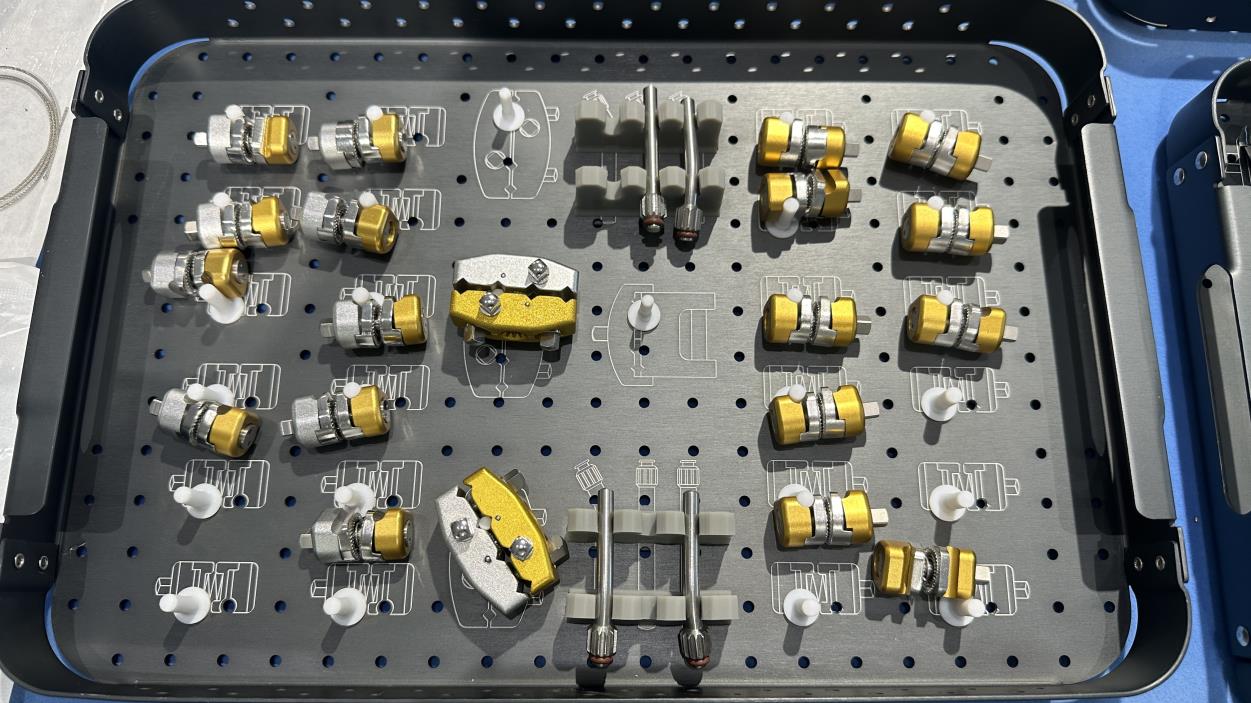
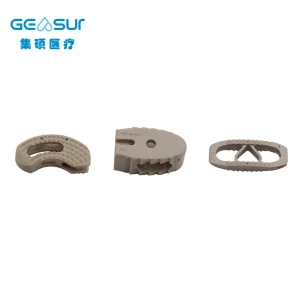
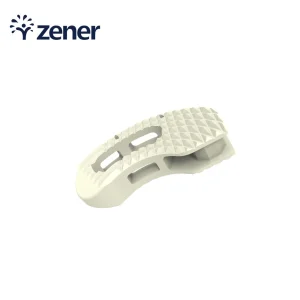
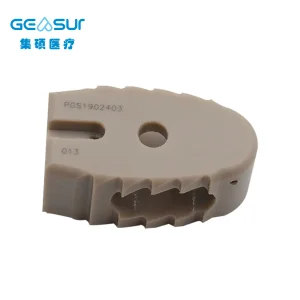
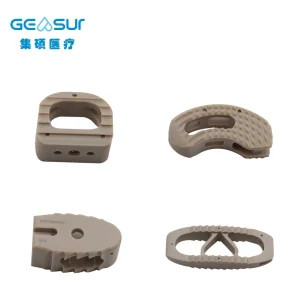
A comprehensive range of lumbar, cervical, PLIF, and TLIF implants supporting diverse surgical techniques.
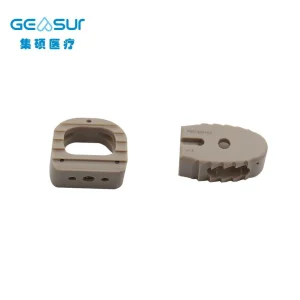
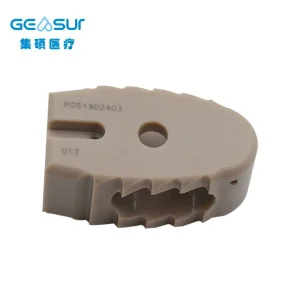
 Tonk Orthopedic Implants