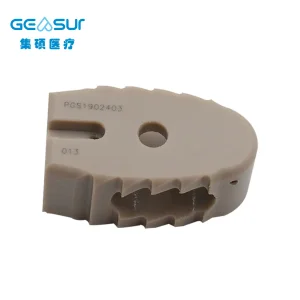
Engineered to achieve optimal biomechanical integration and immediate segment stabilization, our leading spinal fusion cages support TLIF, PLIF, and Cervical protocols.
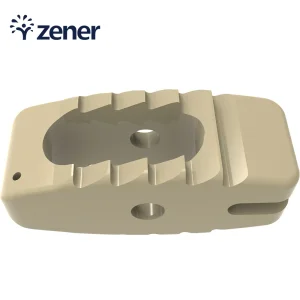
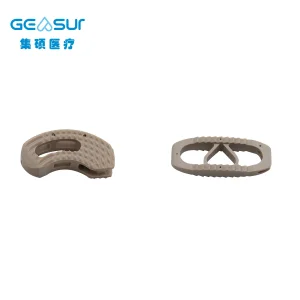
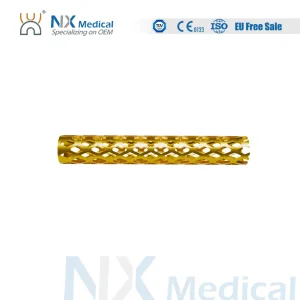
Muharraq, Bahrain’s historic gateway and a rapidly growing hub for high-value logistics and medical services, is positioning itself as a central player in the Arabian Gulf’s healthcare infrastructure. Through strategic alignments with the Bahrain Economic Vision 2030, regional hospitals are shifting toward advanced minimally invasive spine surgery (MISS). In hospitals like the King Hamad University Hospital in Muharraq, spine surgeons demand state-of-the-art implants that shorten recovery times, lower complication rates, and maximize radiographic clarity post-surgery.
The local clinical environment shows a growing preference for hybrid implant technologies. Specifically, Titanium-coated PEEK (Polyetheretherketone) and porous 3D-printed titanium structures have become the gold standard. Traditional implants often presented a compromise: titanium offered excellent osseointegration but created radiographical artifacts; standard PEEK allowed clear CT and MRI imaging but lacked bone-bonding capabilities. Our manufacturing pipeline solves this clinical pain point, delivering cages that blend the mechanical modulus of PEEK with the bioactive bone-anchoring properties of titanium surface treatments.
Through our dedicated distribution networks, we supply direct hospital orders and distributor chains across Muharraq, ensuring compliance with the National Health Regulatory Authority (NHRA) of Bahrain. Our products are designed for immediate clinical use, complete with specialized surgical instrumentation sets to minimize time spent in sterilizing zones.
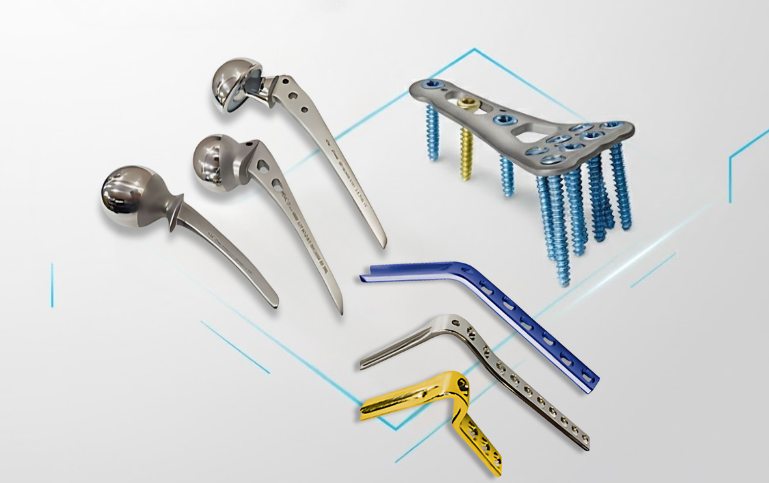
Understanding the cellular interaction, elasticity coefficients, and structural dynamics of PEEK, Titanium-coated PEEK, and 3D porous titanium implants.
Standard PEEK matches the elastic modulus of human cortical bone (approx. 18 GPa). This significantly reduces stress shielding and subsequent cage subsidence. Radiolucency allows seamless radiographic tracking of bone-graft maturation.
Applying a micro-textured layer of pure titanium onto PEEK cores via Vacuum Plasma Spraying (VPS) provides a rough osteo-conductive interface. This triggers osteoblast activity while retaining the core elasticity of the PEEK body.
Porous structures replicate trabecular bone architecture. Through interconnecting pore networks (pore size 300–600 μm), cells can migrate and generate vascularized bone bridges directly through the implant framework.
Established in 1981, Tonk has combined forty years of manufacturing expertise with modern AI-driven QA testing protocols.

Our dedicated logistics system partners with global carriers to deliver to Muharraq and Middle East ports with expedited clearance processes.

Every single implant is verified under 3D scanner mapping and non-destructive stress tests to guarantee zero defects.
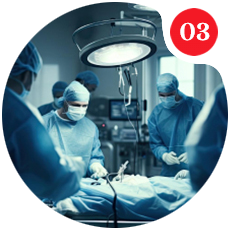
By constantly researching surface chemistry and laser-sintering advancements, we provide cutting-edge products at competitive prices.

Our support team and clinical engineers are available continuously to address questions about NHRA registration or custom sizes.
Since our inception in 1981, we have exported clinical-grade medical equipment, orthopedic implants, and dedicated spinal instruments to all continents—from the Americas to Europe and the Middle East. With more than 100 dedicated employees focusing on CAD/CAM design, precision milling, QA inspection, and sterile dispatch, we deliver world-class surgical solutions directly to clinical institutions.
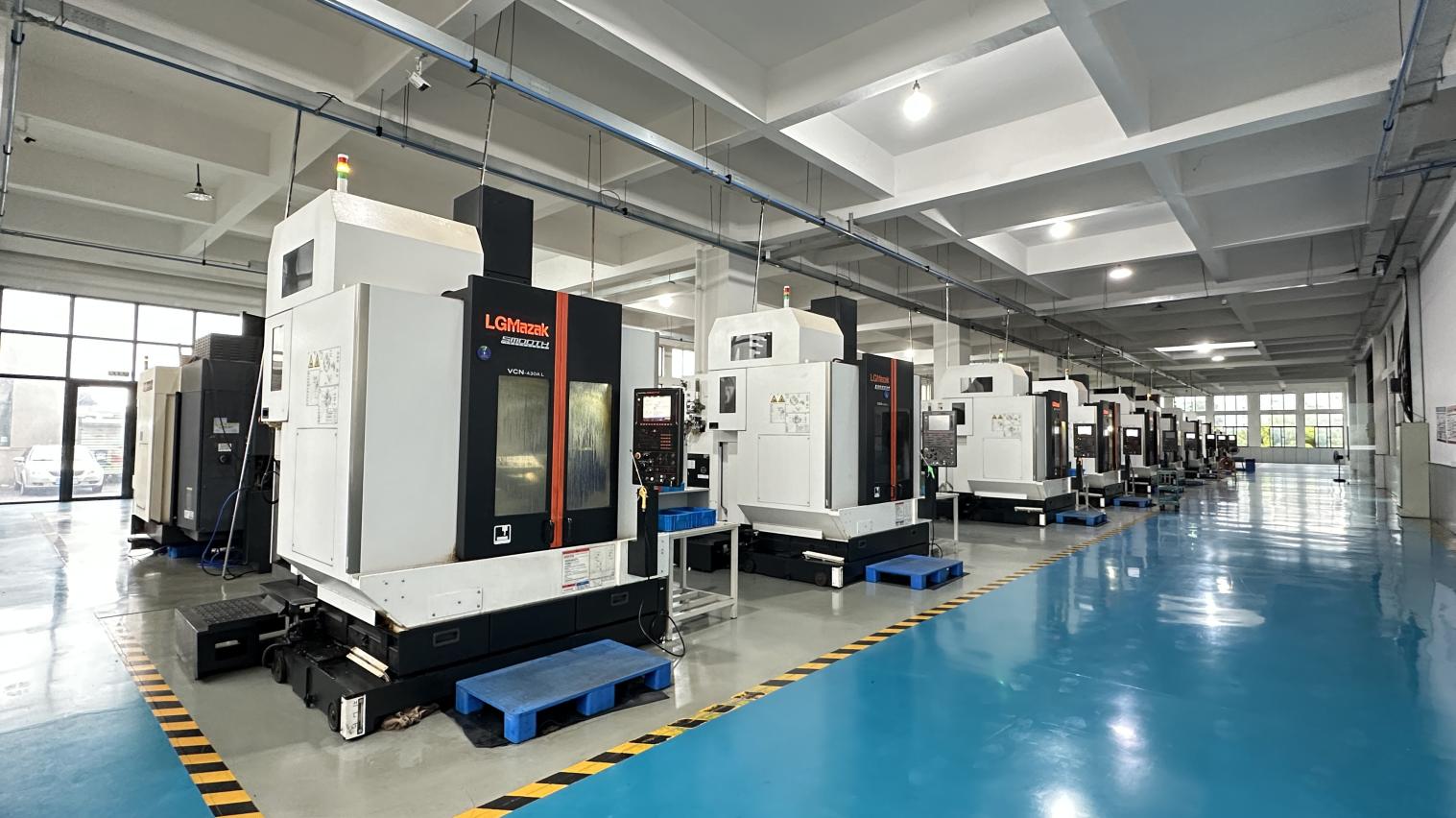
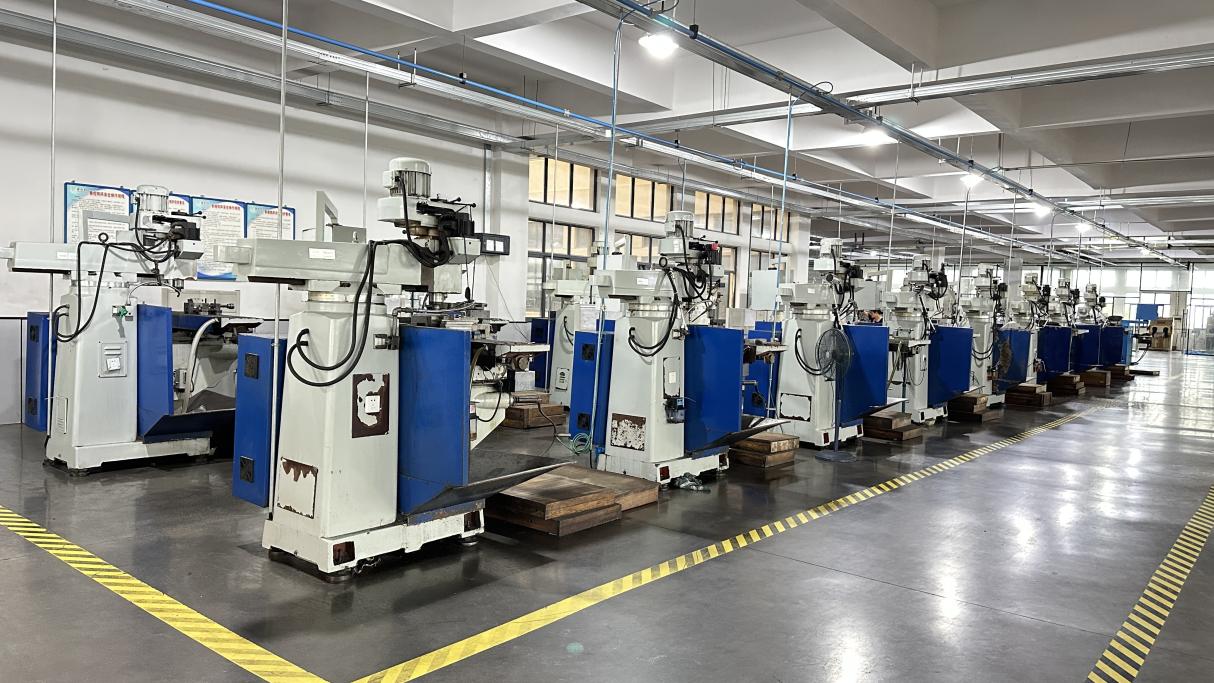
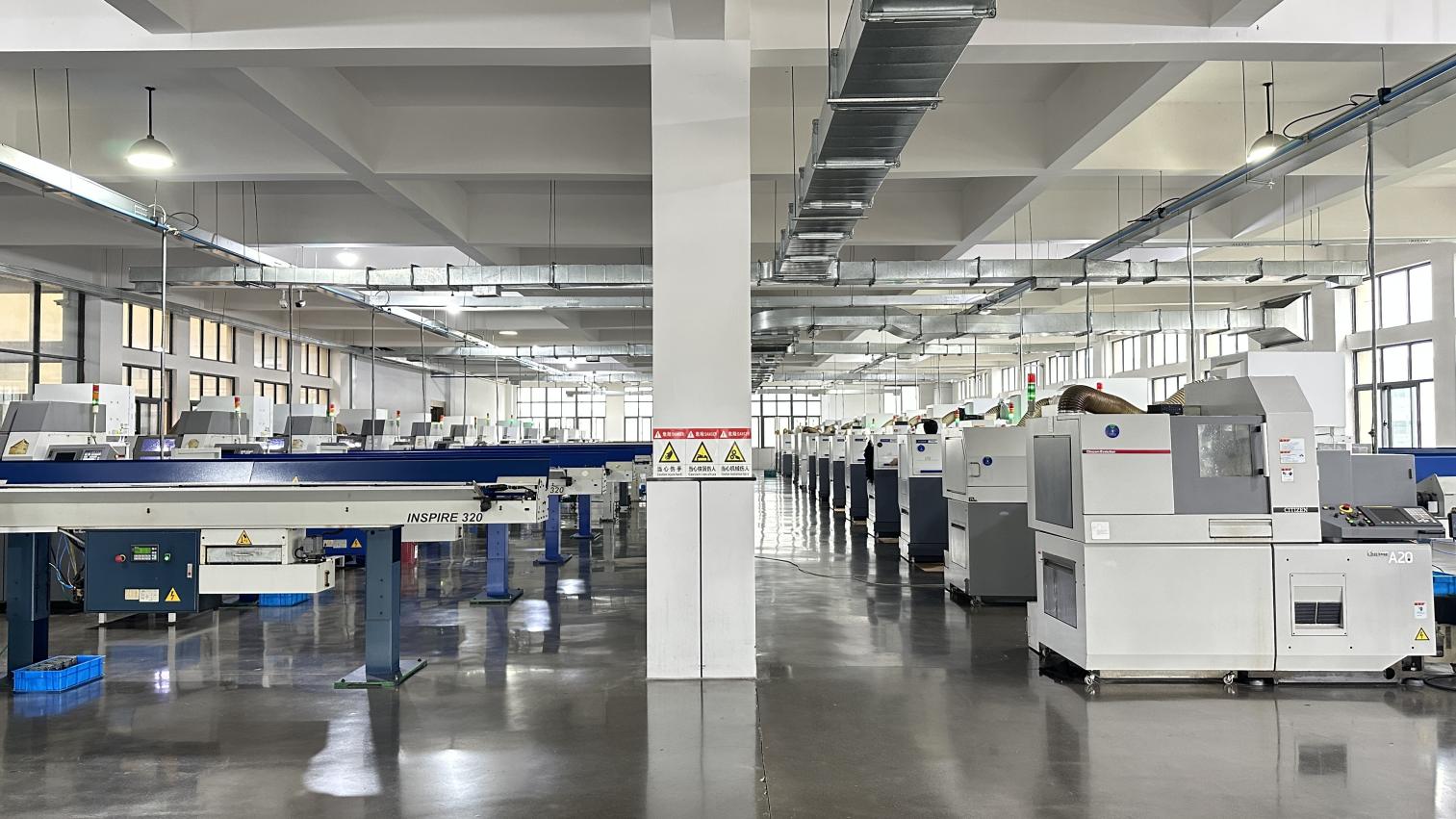
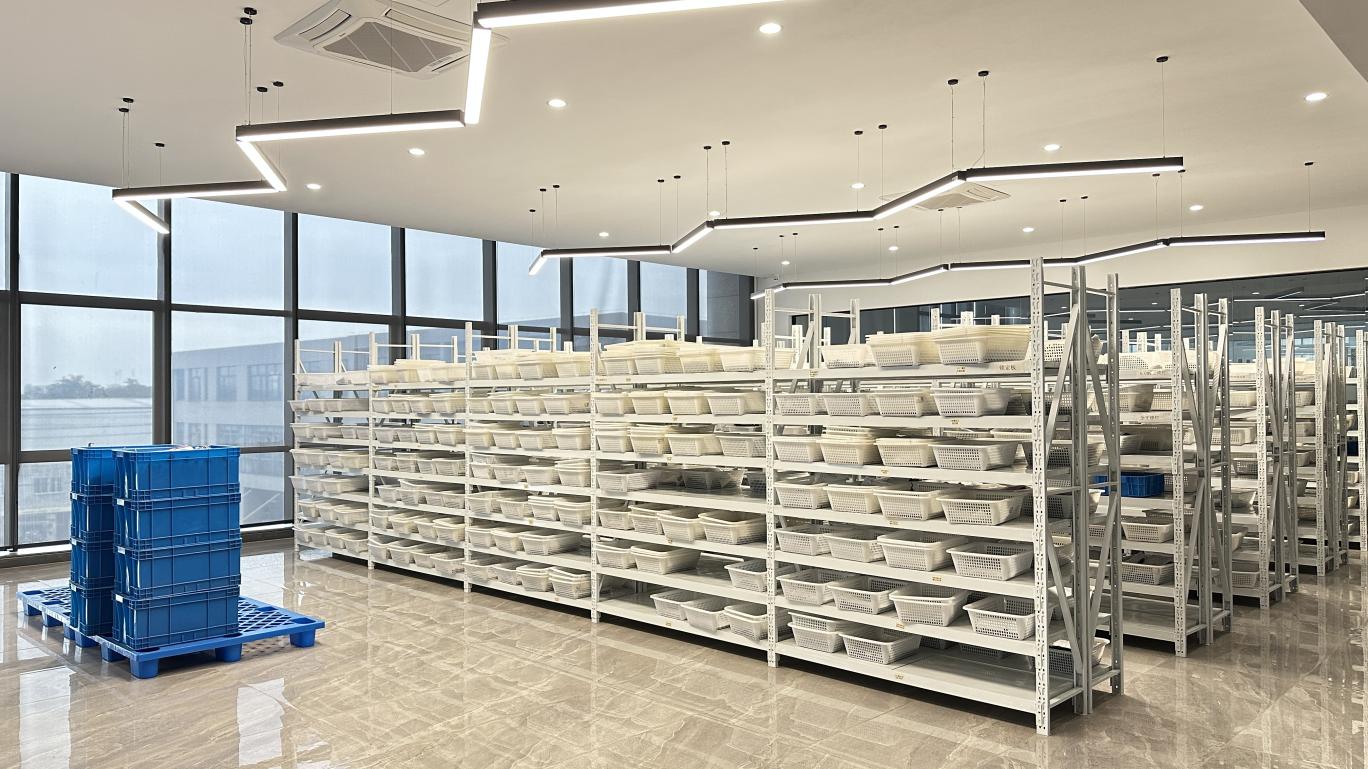
Our expansive production capabilities handle not only lumbar and cervical interbody fusion cages but also full orthopedic instrument sets, rehabilitation tools, and hospital hollowware. When ordering from our China-based manufacturing hubs for Muharraq projects, customers benefit from a highly responsive vertical manufacturing chain that controls raw material selection, CNC machining, plasma-deposition coatings, and ISO Class 5 cleanroom packaging.
How our centralized production model offsets inflation, mitigates raw-material shortages, and delivers custom implant variations at speed.
Global medical device procurement has faced significant headwinds, including raw material shortages and rising logistical costs. As an orthopedic manufacturer, our China facility has optimized its processes to address these challenges. By using raw PEEK sourced directly from verified biomedical suppliers like Evonik, and titanium alloys meeting the strict requirements of ASTM F136, we guarantee complete raw material traceability for every production run.
Our facility utilizes Swiss-type CNC milling centers and laser-sintering 3D-printing systems, which allow us to manufacture custom cages tailored to the unique anatomy of different patient populations. In the Middle East, anatomical variations often require specific lordotic angles and wider footprint cages. Our automated manufacturing line allows for rapid adjustments, producing custom runs within short lead times.
Furthermore, our high-volume production enables us to absorb cost fluctuations, passing those savings on to healthcare providers in Muharraq and the wider Gulf region. By shipping through logistics lanes originating in Shanghai and Ningbo and arriving directly in Bahrain, we ensure that hospitals maintain optimal inventory levels, preventing critical shortages of essential surgical sizes.

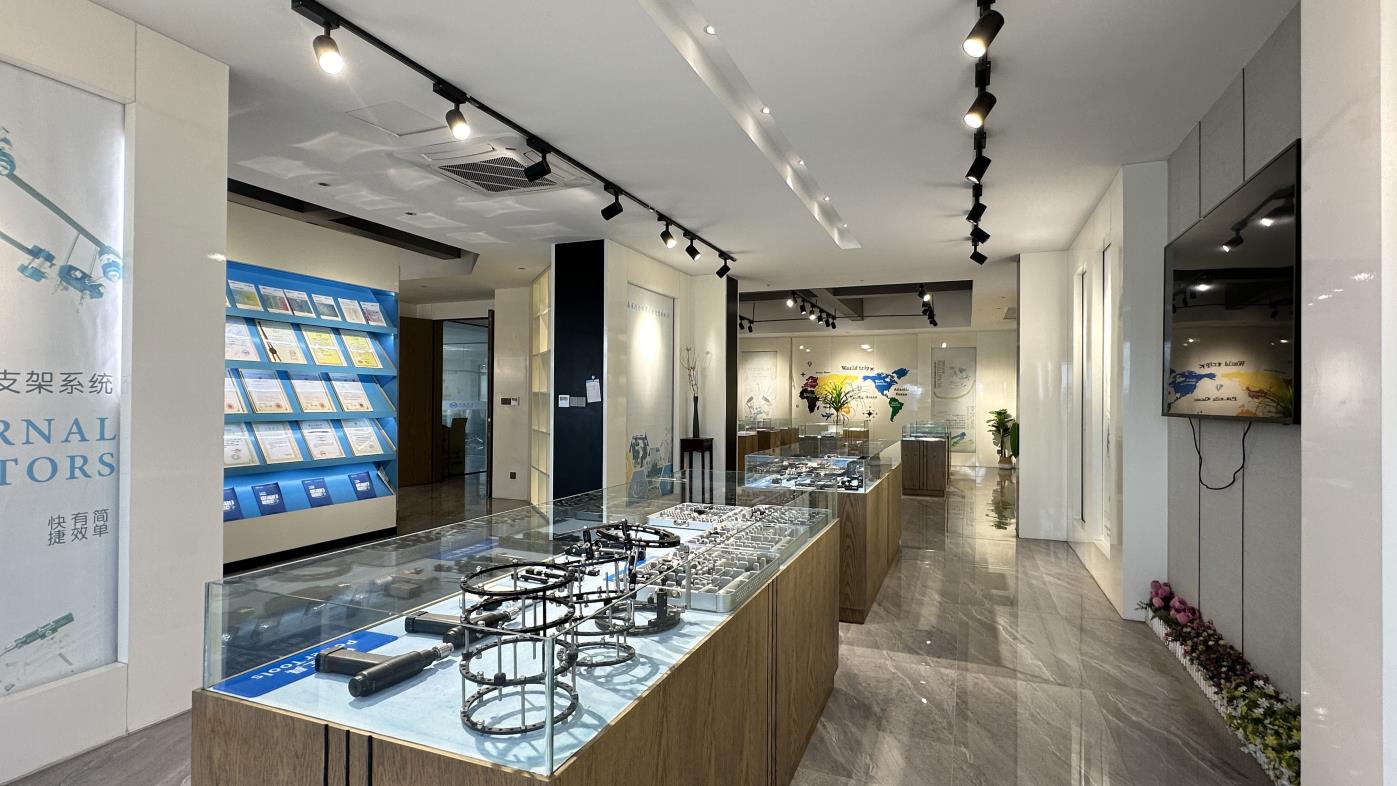
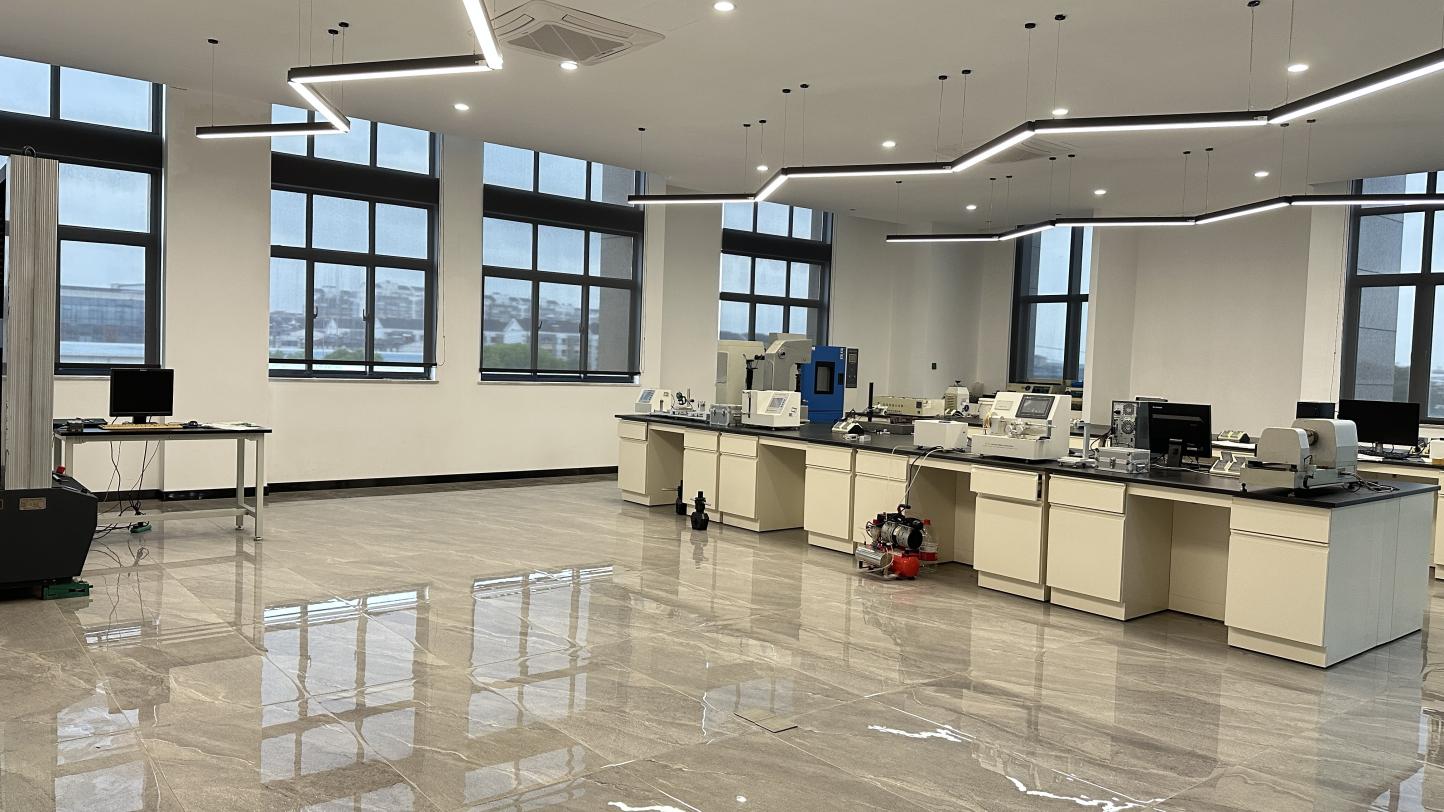
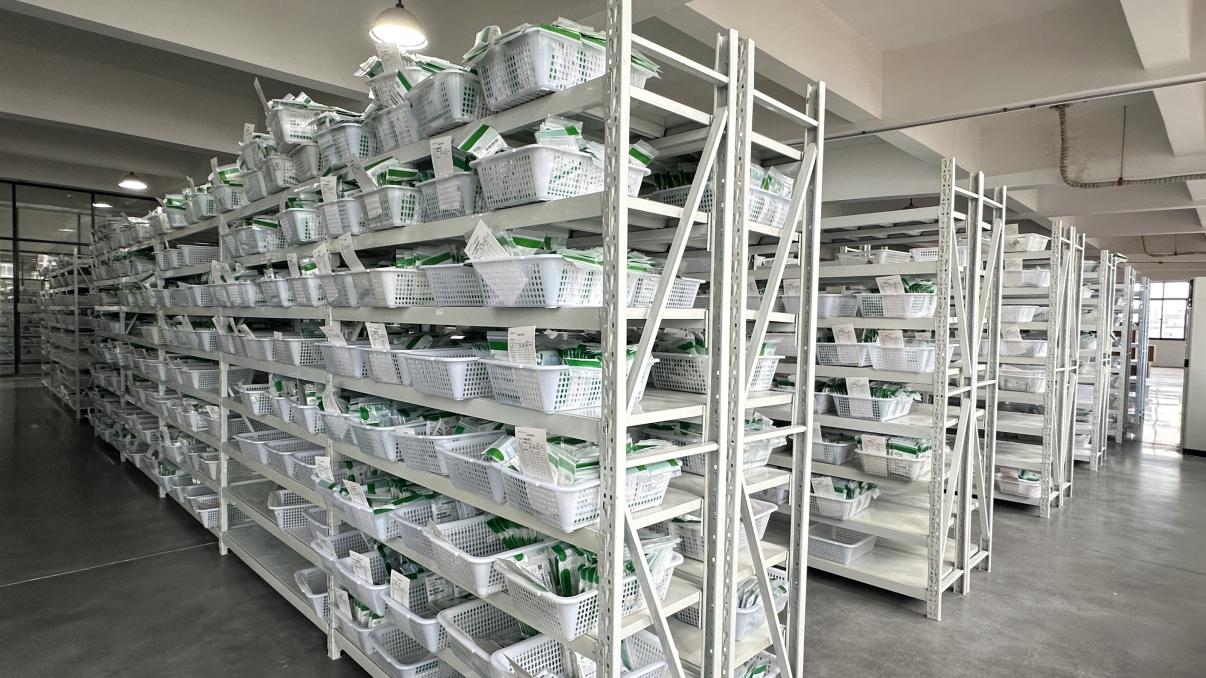
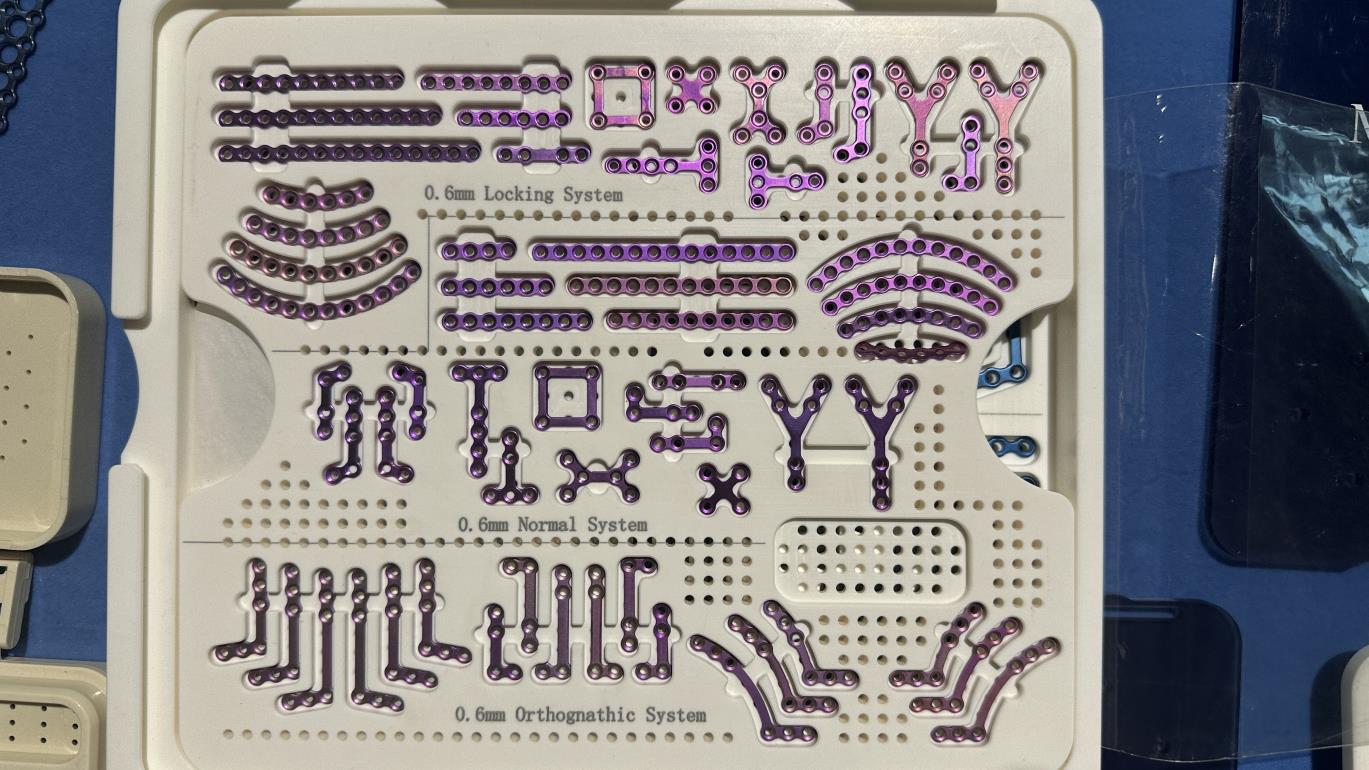
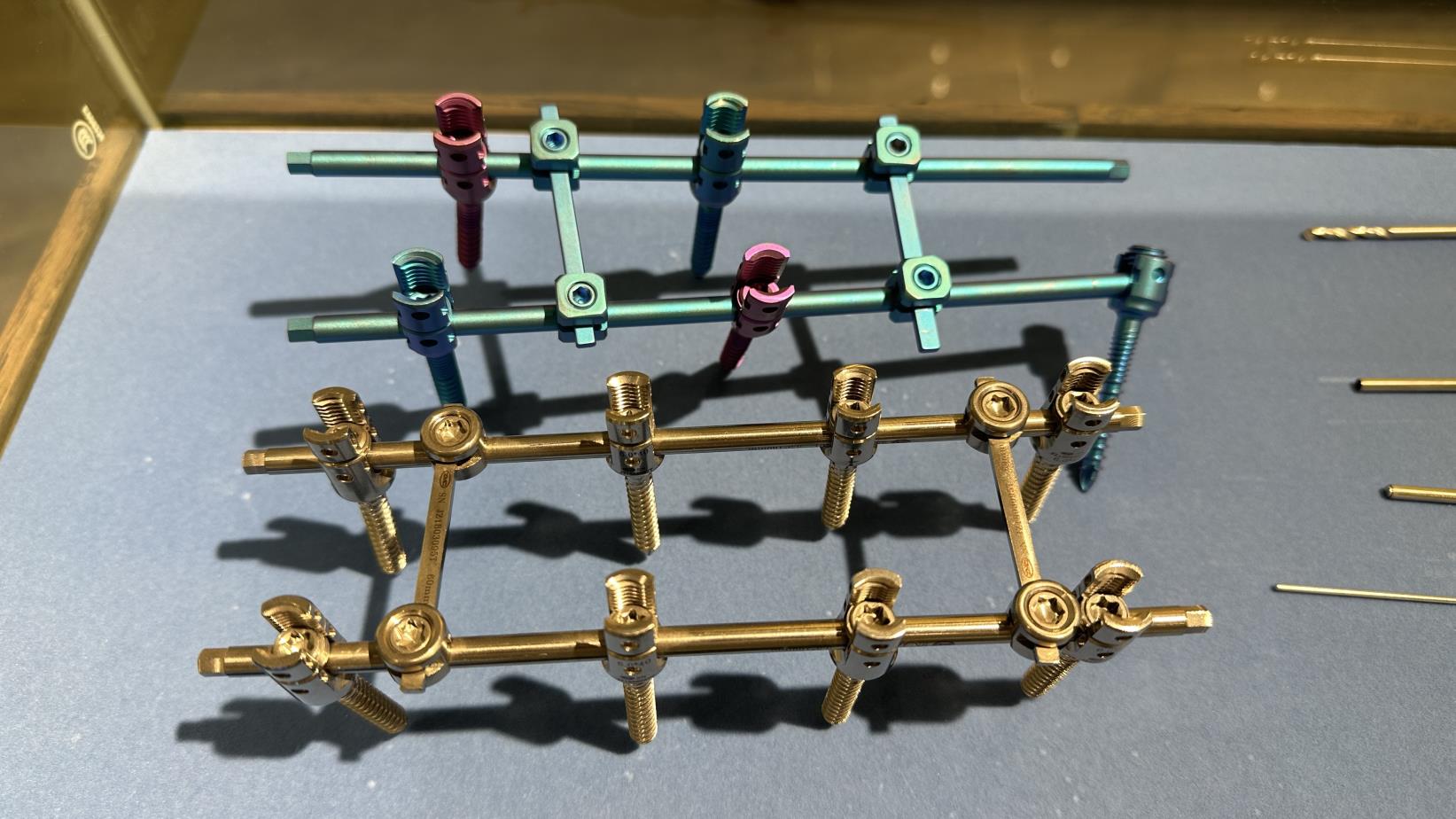
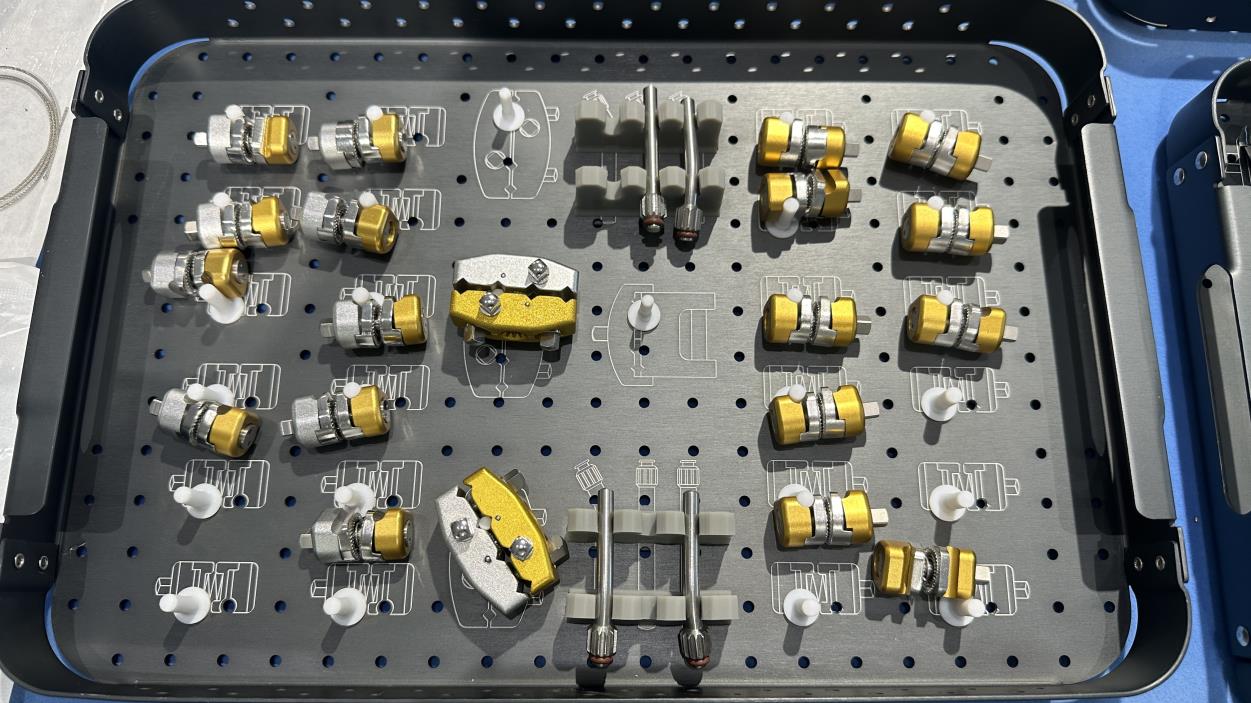
Our engineering team is actively working with academic institutions to pioneer the next generation of smart spinal implants.
The next frontier in spinal arthrodesis involves the transition from passive biocompatible structures to actively therapeutic biomaterials. We are currently testing silicon nitride-coated PEEK implants, which exhibit intrinsic antimicrobial properties that help reduce post-operative surgical site infections without requiring antibiotic coatings.
Additionally, our 3D-printing department is refining biomechanically graded lattices. Rather than using uniform density structures, these implants feature a denser outer core to manage load-bearing stresses while utilizing highly porous inner lattices. This design matches the transition from cortical to trabecular bone, encouraging faster bone growth throughout the implant.
In Muharraq and the broader GCC region, these innovations will help reduce revision surgery rates, shorten hospital stays, and lower overall healthcare costs, aligning with regional initiatives to improve patient outcomes through advanced technology.
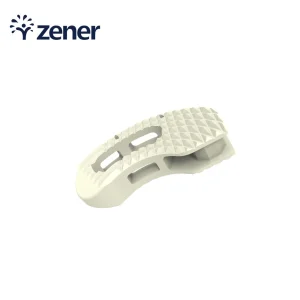
A detailed range of implants including cervical and lumbar systems, designed to meet the rigorous clinical standards of the Muharraq medical market.
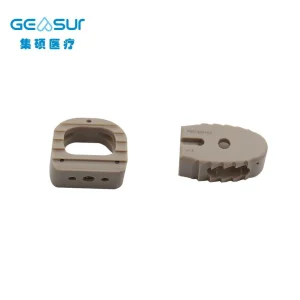
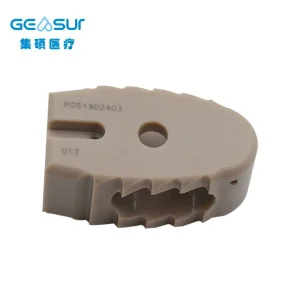
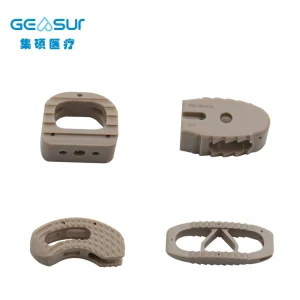
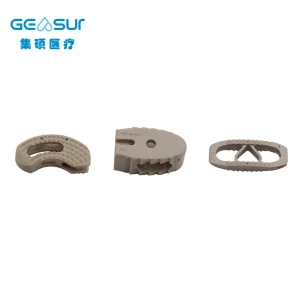
Answers to key regulatory, metallurgical, and transport questions regarding spinal interbody implants.
If you are an orthopedic distributor, purchasing director, or spine surgeon in Muharraq or the GCC, contact us for technical dossiers, CAD drawings, and trial samples.
Send Inquiry Now Tonk Orthopedic Implants