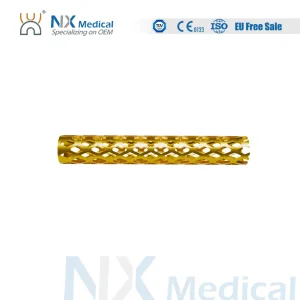
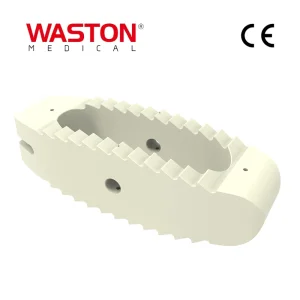
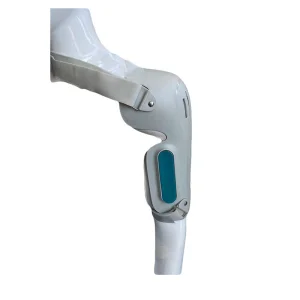
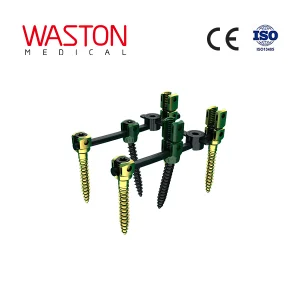
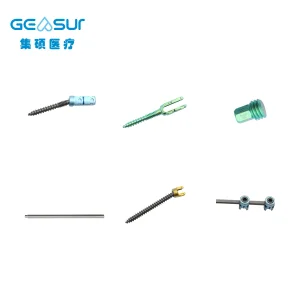
Precision-engineered spinal systems, joint replacements, and external fixators designed for optimal clinical outcomes.
Established in 1981, Tonk has been at the forefront of healthcare manufacturing, driving advancements in medical devices, hospital equipment, laboratory instruments, and orthopedic solutions globally. For more than four decades, we have partnered with clinical research institutions, surgeons, and healthcare distributors to engineer internal fixation devices that restore movement and save lives.
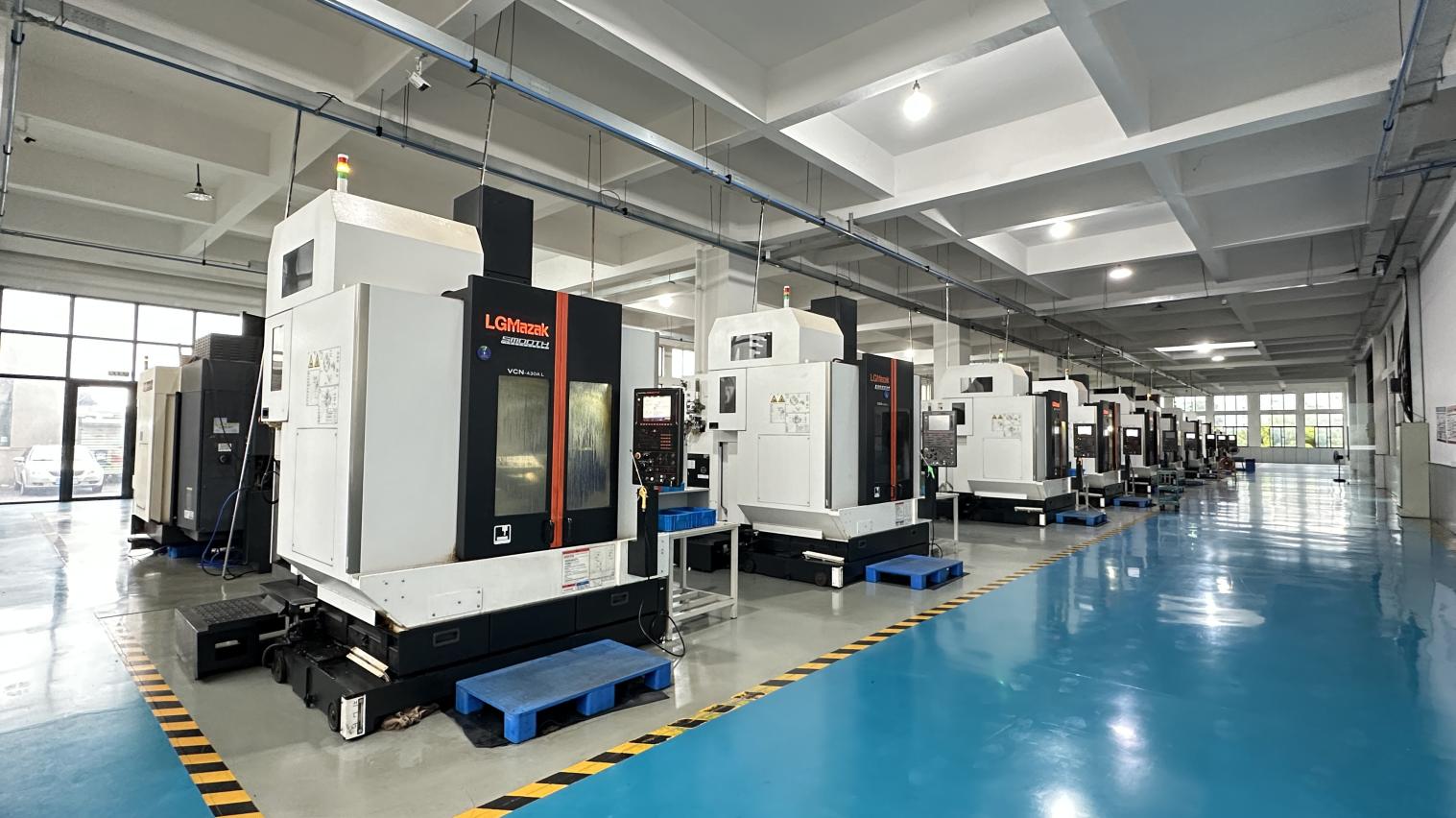
Today, our footprint spans across all major continents, delivering state-of-the-art products from "The Americas" to "Europe" and beyond. With an expert team of over 100 dedicated professionals, we combine traditional craftsmanship with computer-aided design (CAD) and robotic CNC production to ensure every implant fulfills international clinical requirements.
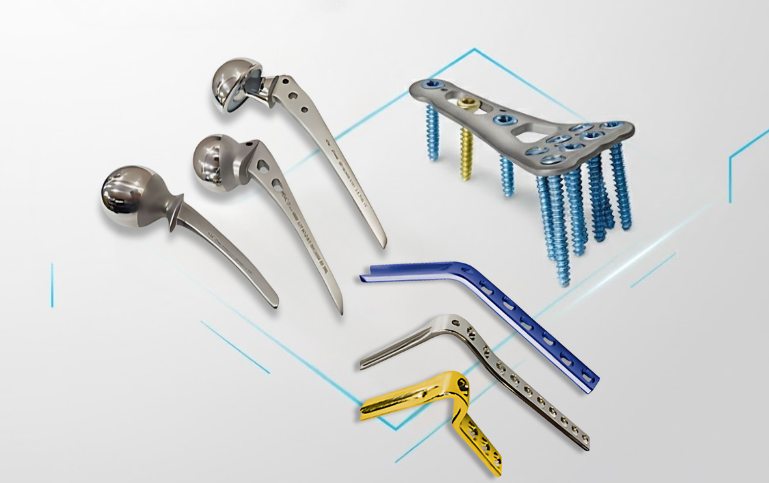
The surgical treatment of tibial fractures (including proximal plateau, shaft, and distal intra-articular tibial injuries) presents unique anatomical and biomechanical challenges. Over the past twenty years, osteosynthesis has evolved from non-locking compression plates to anatomical locking compression systems (LCP), radically altering the bone-healing cascade.
Historically, conventional compression plates required perfect adaptation to the bone surface to achieve stability. Any misalignment led to primary reduction loss. Furthermore, the friction-locked system between the plate and the bone compressed the periosteum, compromising vascularization and leading to potential delayed healing or bone necrosis.
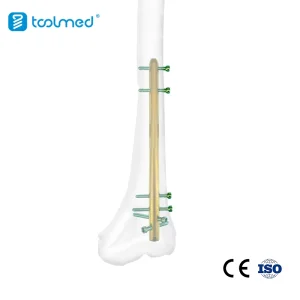
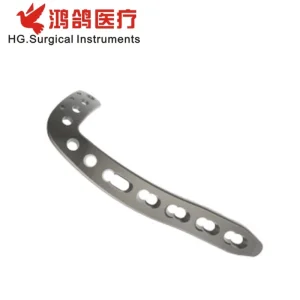
The Locking Advantage: Modern tibia plates from Tonk feature integrated locking holes that act as internal-external fixators. The threaded screw heads lock rigidly into the plate, converting axial load forces into shear forces through the implant. This eliminates the need to press the plate onto the bone, maintaining the integrity of the periosteal vascular network and promoting secondary bone healing (callus formation).
Choosing the right alloy determines the long-term success of the implant. Here is how Tonk compares standard raw materials.
| Mechanical Characteristic | Ti-6Al-4V ELI (Grade 5 Titanium) | 316LVM Stainless Steel | PEEK (Polyetheretherketone) |
|---|---|---|---|
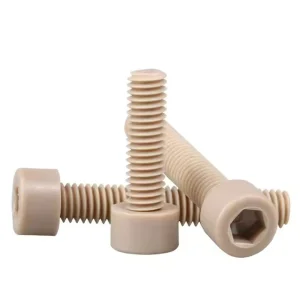
| Modulus of Elasticity (GPa) | 110 (Closer to cortical bone, reduces stress shielding) | 200 (Stiff, high risk of osteopenia) | 3.6 (Extremely flexible, used for cages and specific screws) |
| Biocompatibility Index | Excellent (Forms stable passive oxide layer) | Good (Risk of nickel sensitivity in 5% of patients) | Outstanding (Chemically inert, radiolucent) |
| Fatigue Limit (MPa) | > 500 MPa | > 400 MPa | > 90 MPa |
| Imaging Performance | Minimal artifact under MRI/CT | Heavy artifact distortion | Completely radiolucent (requires markers) |
Streamlining international medical supply chains with regulatory-compliant implants and reliable logistical workflows.
We manufacture in accordance with ISO 13485 quality standards, and provide CE-certified and FDA-aligned document dossiers required for rapid import customs clearing.
All orthopedic products are packaged in cleanroom conditions (Class 10,000) and double-bagged to guarantee long shelf-life sterility upon delivery.
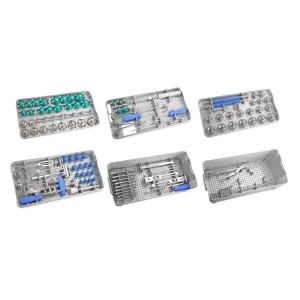
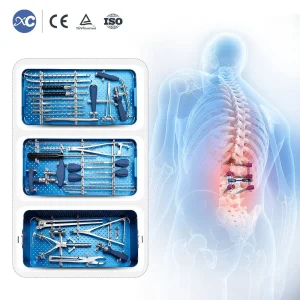
We supply standard and custom surgical instrument sets (taps, drills, depth gauges, plate benders) designed specifically for tibia plating operations.
A systematic framework built on decades of manufacturing precision and global export optimization.

The logistics department makes sure that your goods reach you with the best available carriers in the shortest possible time frame.

Every Tonk product comes with an assurance of high quality and zero compromise in its production, performance, and safety.
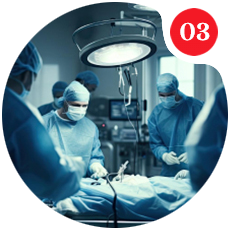
Our innovative approach towards product design and production help us bring you the best products at even better prices.

Our expert post-sales customer service team is available 24/7 to promptly answer all your queries regarding our products.
As orthopaedic clinical science progresses towards personalized medicine, the production of implants must adapt. At Tonk, our research and development labs are focusing on three main technological pillars to shape the future of fracture fixation:
1. 3D Printed Trabecular Plates: Leveraging Electron Beam Melting (EBM) technologies, we are developing implants that incorporate porous titanium structures. These porous surfaces mimic natural trabecular bone structure, enhancing osteointegration and lowering the mechanical stiffness mismatch that causes bone resorptive remodeling.
2. Bio-Resorbable Alloys: The future of osteosynthesis aims to eliminate secondary removal operations. We are conducting trial studies on magnesium-based alloy plates. Magnesium is biodegradable within the human body, providing mechanical stability during the early fracture healing phase, and slowly degrading as new bone tissue remodels the area.
3. Anti-Bacterial Nano-Coatings: Device-associated infections remain a catastrophic challenge in orthopedic surgery. We are engineering silver-ion and iodine-doped anodic coating systems. These nano-layer coatings provide localized sustained antibiotic protection directly at the implant site, preventing biofilm colonization without systemic toxic effects.
Expert answers regarding material grades, international certifications, sterilization processes, and order customization.
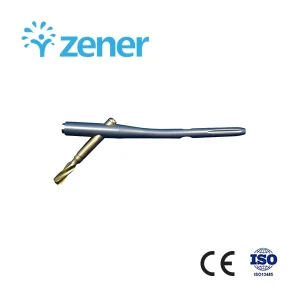
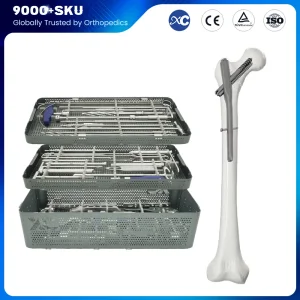
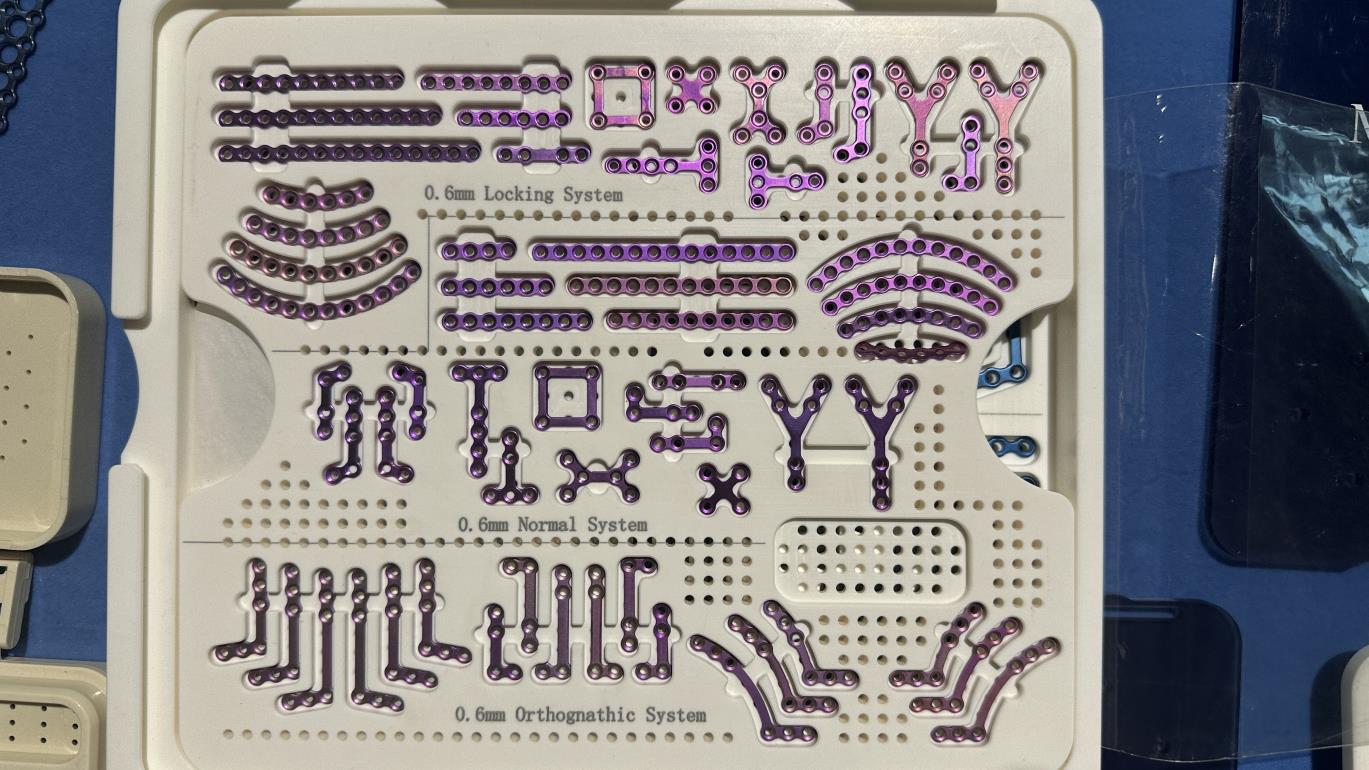
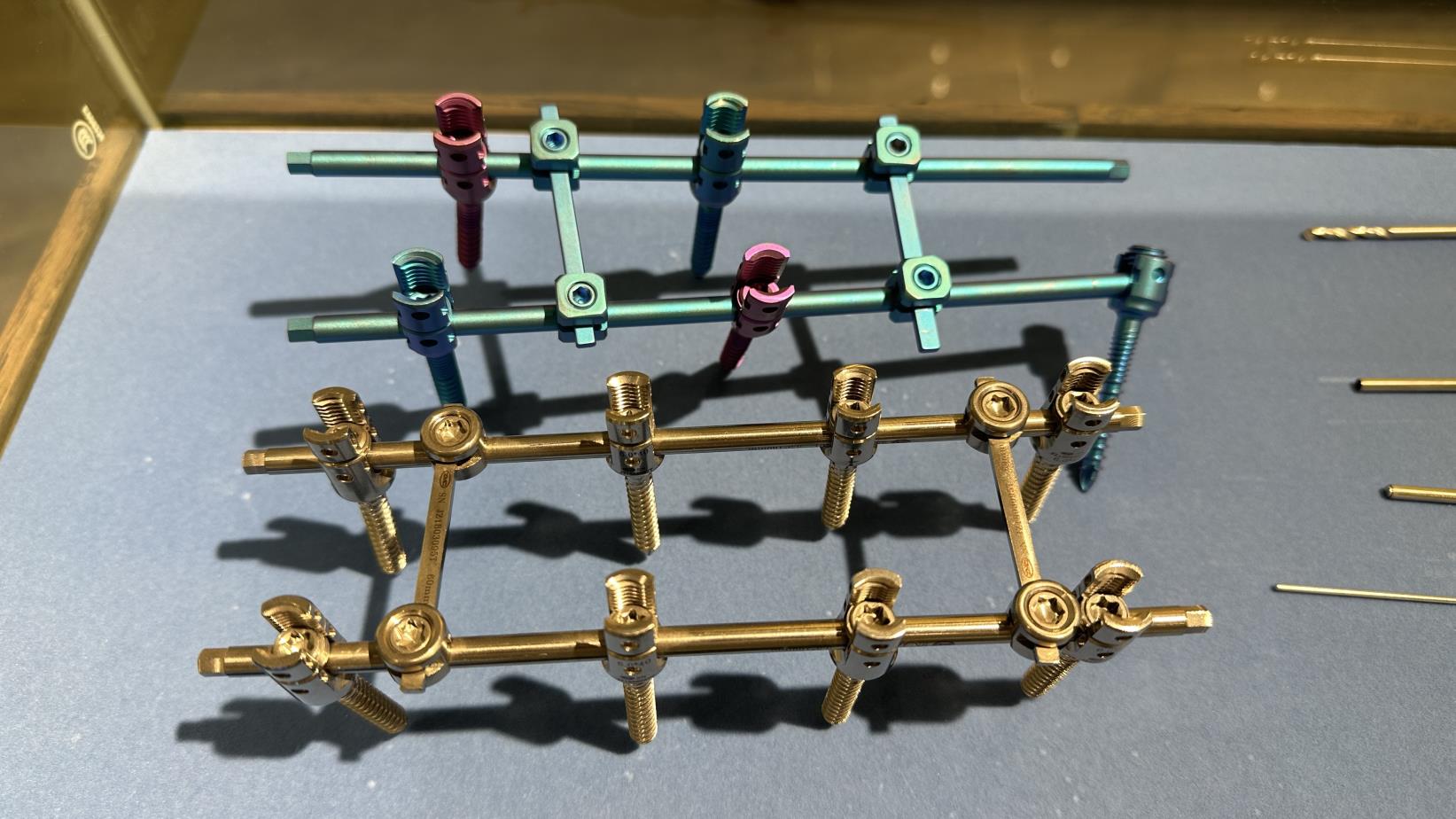
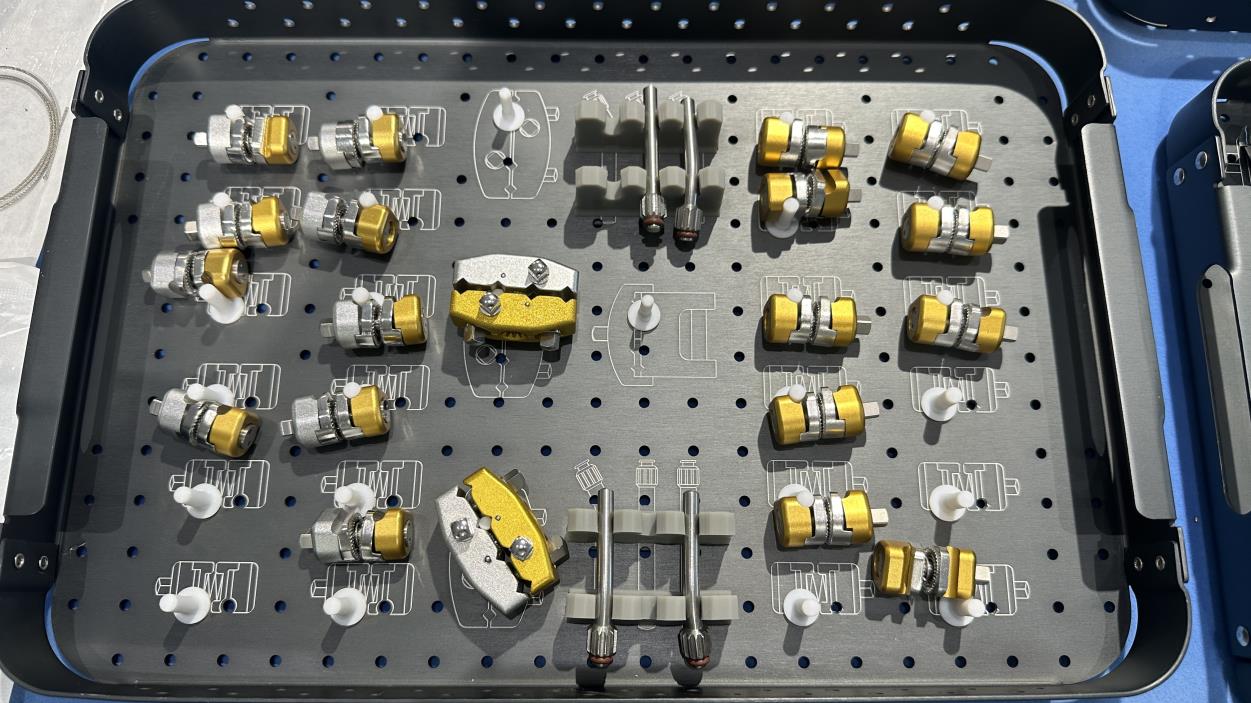
Complete surgical solutions, including intramedullary nails, external clamps, and heavy-duty locking plates.
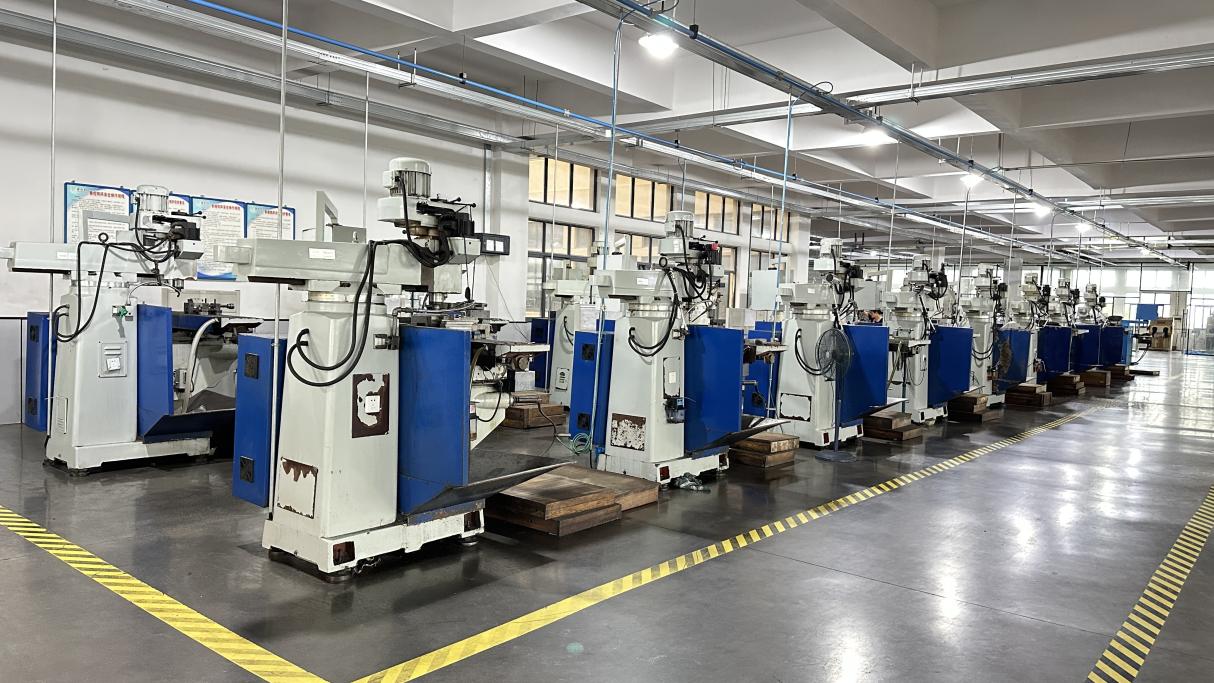
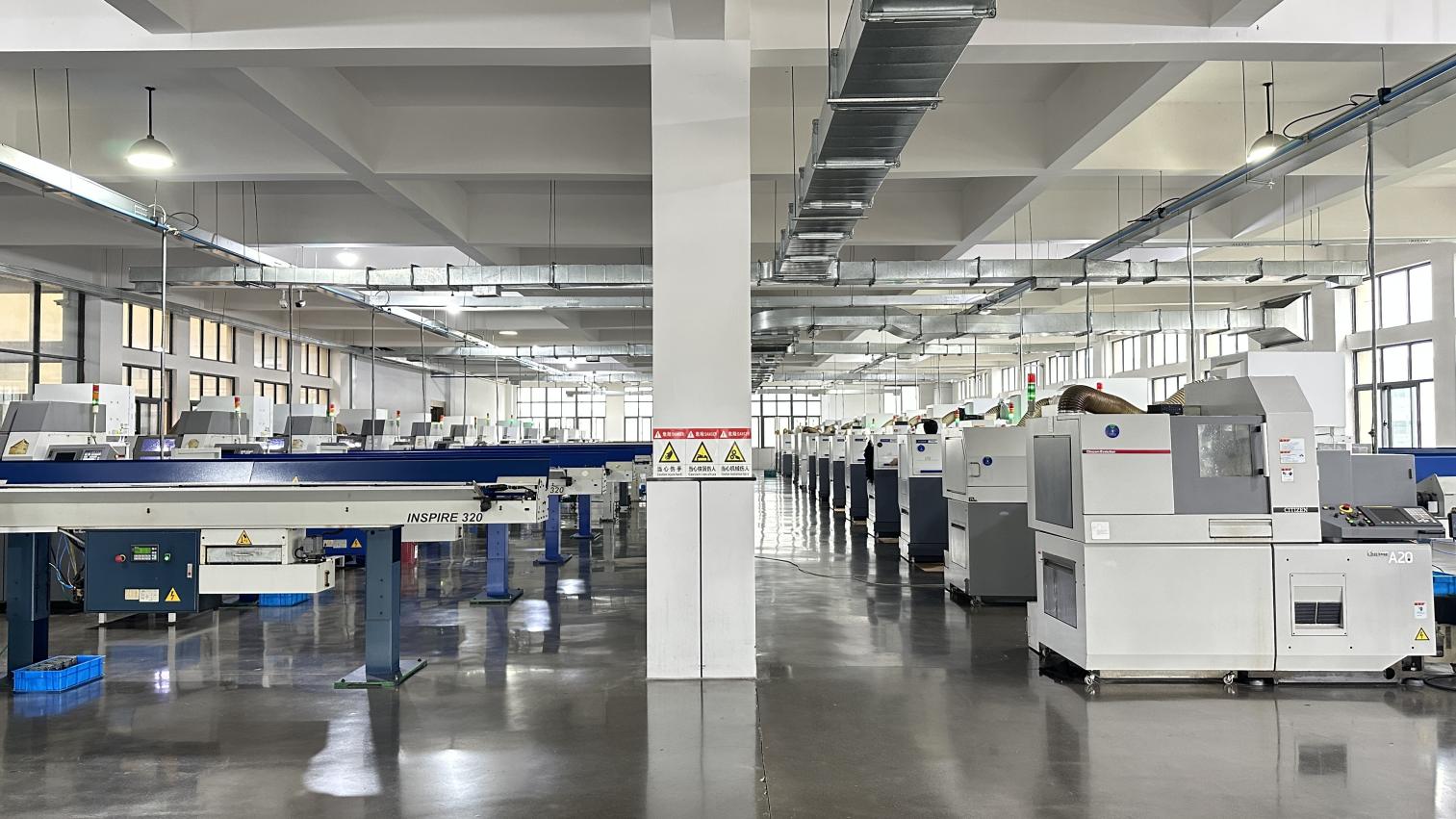
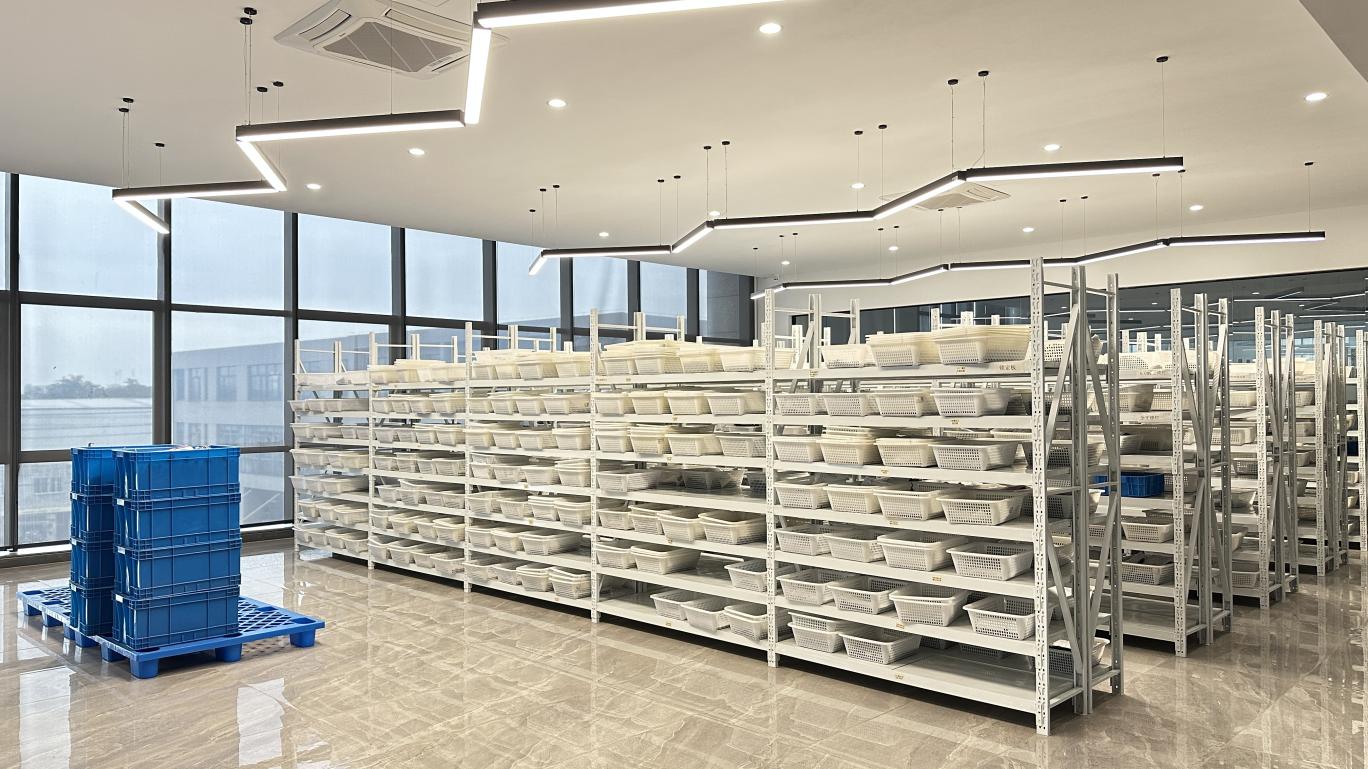
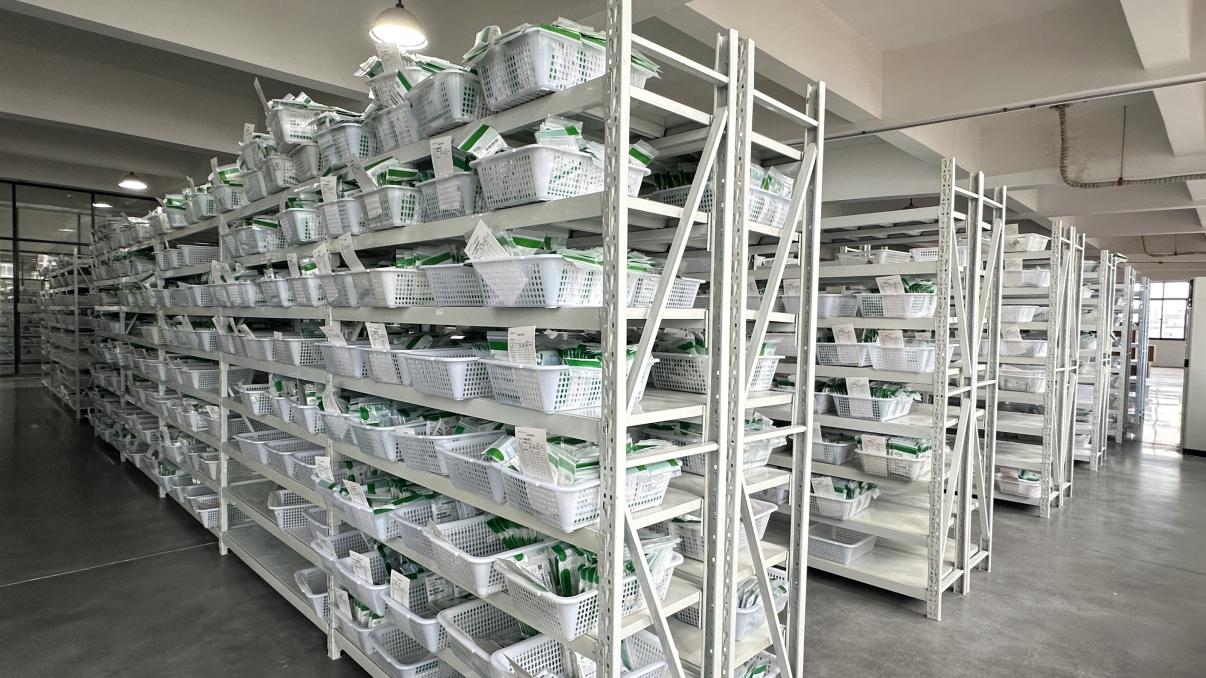
A closer look at our cleanrooms, state-of-the-art CNC machinery, quality testing centers, and supply warehouses.

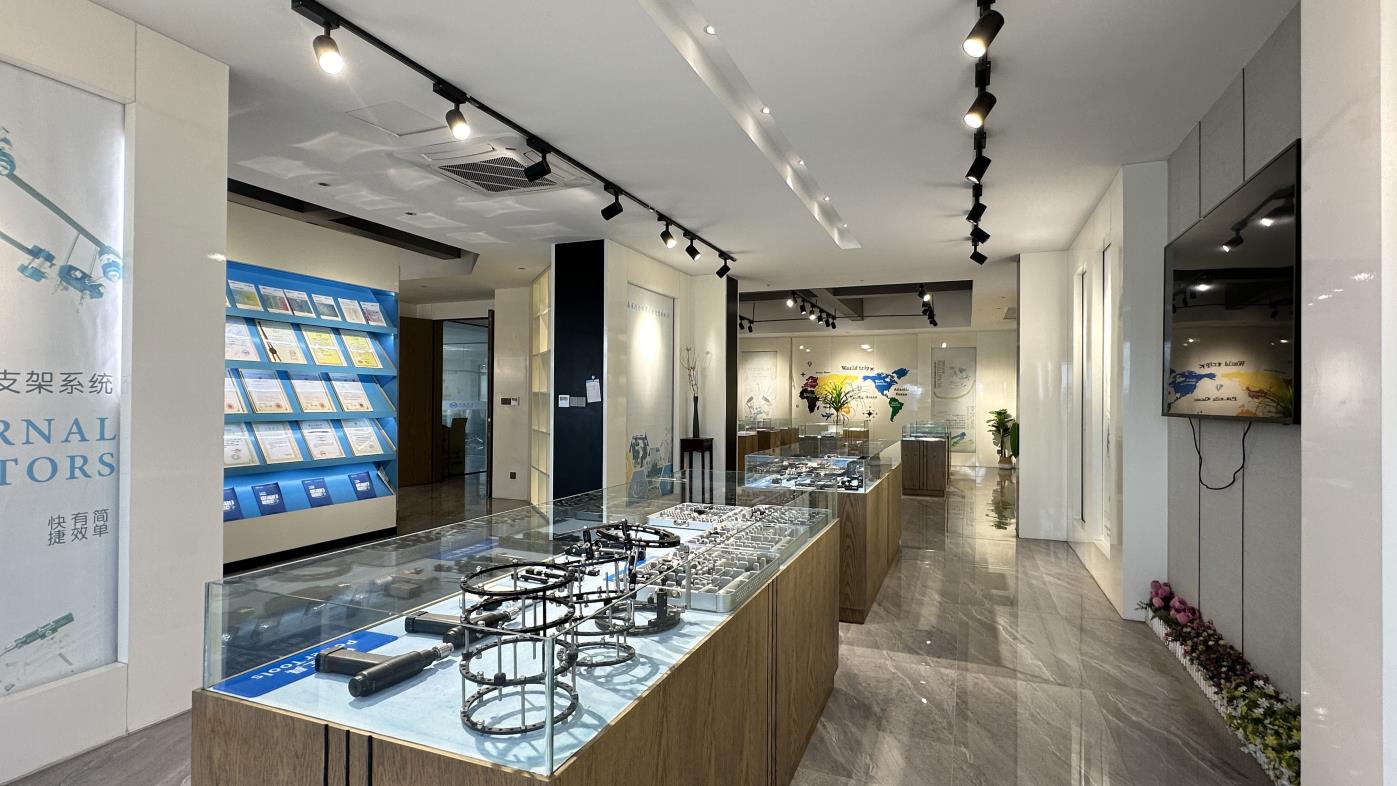
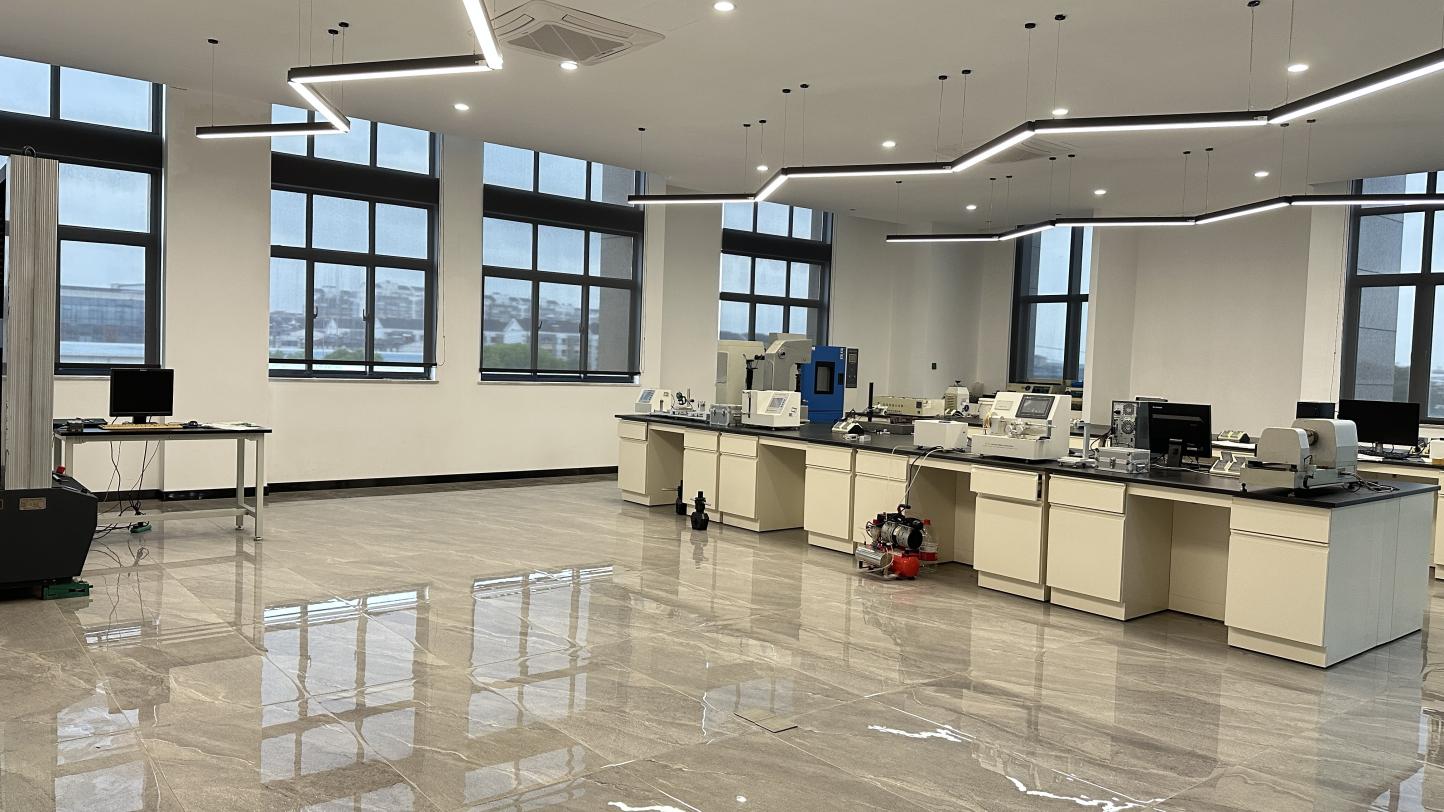
Whether you are a medical distributor seeking CE/ISO certified orthopedic plates, or a healthcare institution looking for reliable, high-performance internal fixation implants, Tonk is ready to support your demands.
Contact Our Technical Engineers Now Tonk Orthopedic Implants