Explore our state-of-the-art catalog of trauma, reconstructive, and spinal stabilization hardware designed for clinical success.
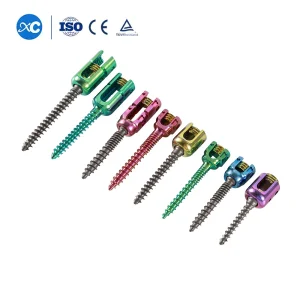
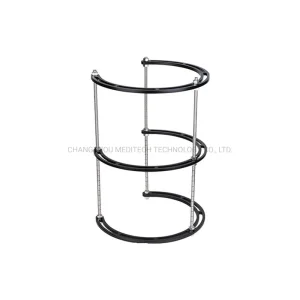
The field of spinal fusion and dynamic stabilization systems has experienced unprecedented technical progression over the past two decades. Today's clinical environment demands implants that not only achieve immediate mechanical fixation but also promote long-term biological integration. As orthopedic surgeons, clinical distributors, and healthcare procurement offices seek reliable supply lines, China's advanced manufacturing corridor has risen to meet these precision needs.
Spinal stabilization products, ranging from pedicle screws to crosslink systems, must withstand extreme dynamic fatigue cycles. Designing these components requires an in-depth understanding of bone biomechanics, material science, and regulatory compliance. Our production protocols strictly conform to ISO 13485 quality systems, ensuring that every batch of titanium or PEEK devices delivered meets the rigorous standards expected by hospitals globally.
"Medical-grade spinal implants represent the pinnacle of biocompatible machining. A tolerance deviation of just 5 micrometers can mean the difference between immediate spinal fusion success and clinical implant failure."
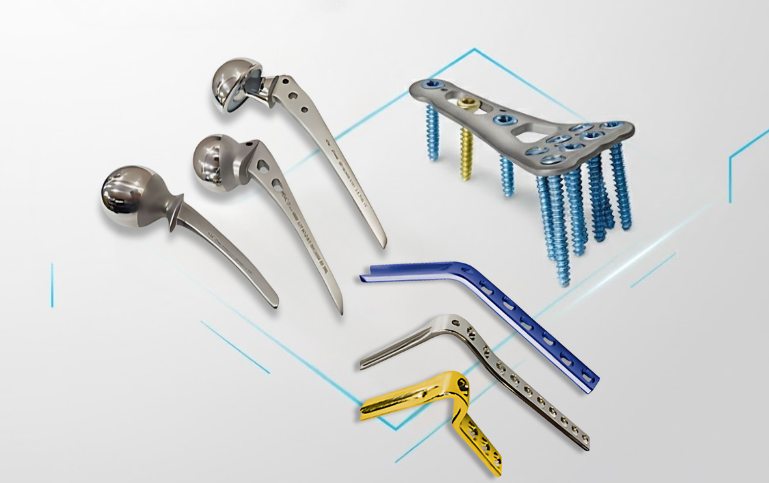
Established in 1981, Tonk has built an unshakeable legacy in exporting high-precision medical, scientific, and educational systems worldwide. From the Americas to Europe and beyond, our products support hospitals, trauma units, and academic research institutions with reliable hardware solutions.
Our dedicated facility operates with more than 100 employees specialized in production engineering, strict quality inspection, and direct-to-destination logistics. This in-depth product knowledge guarantees that every piece of medical equipment—whether it's a pedicle screw, an external fixator, or hospital infrastructure—arrives with absolute compliance documentation.

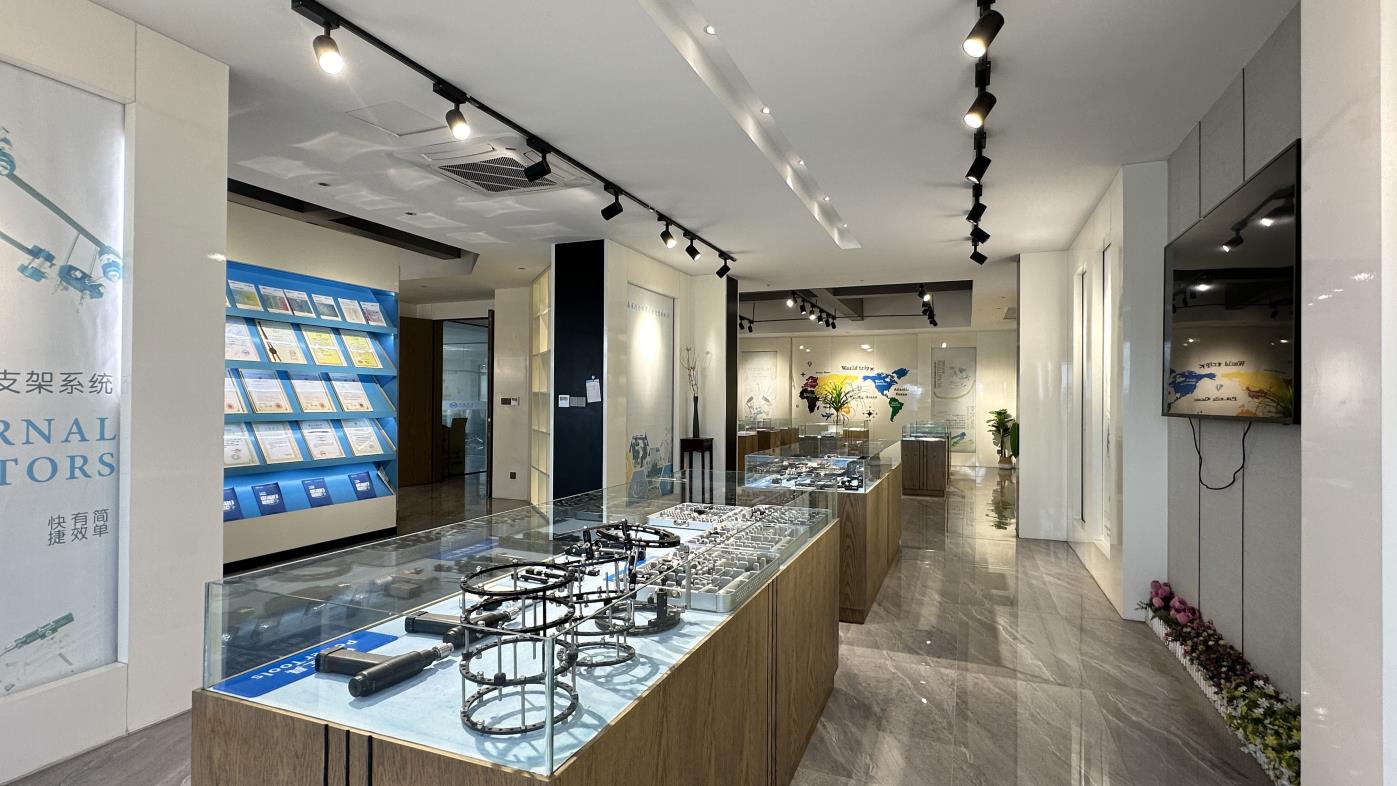
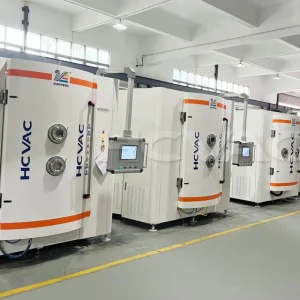
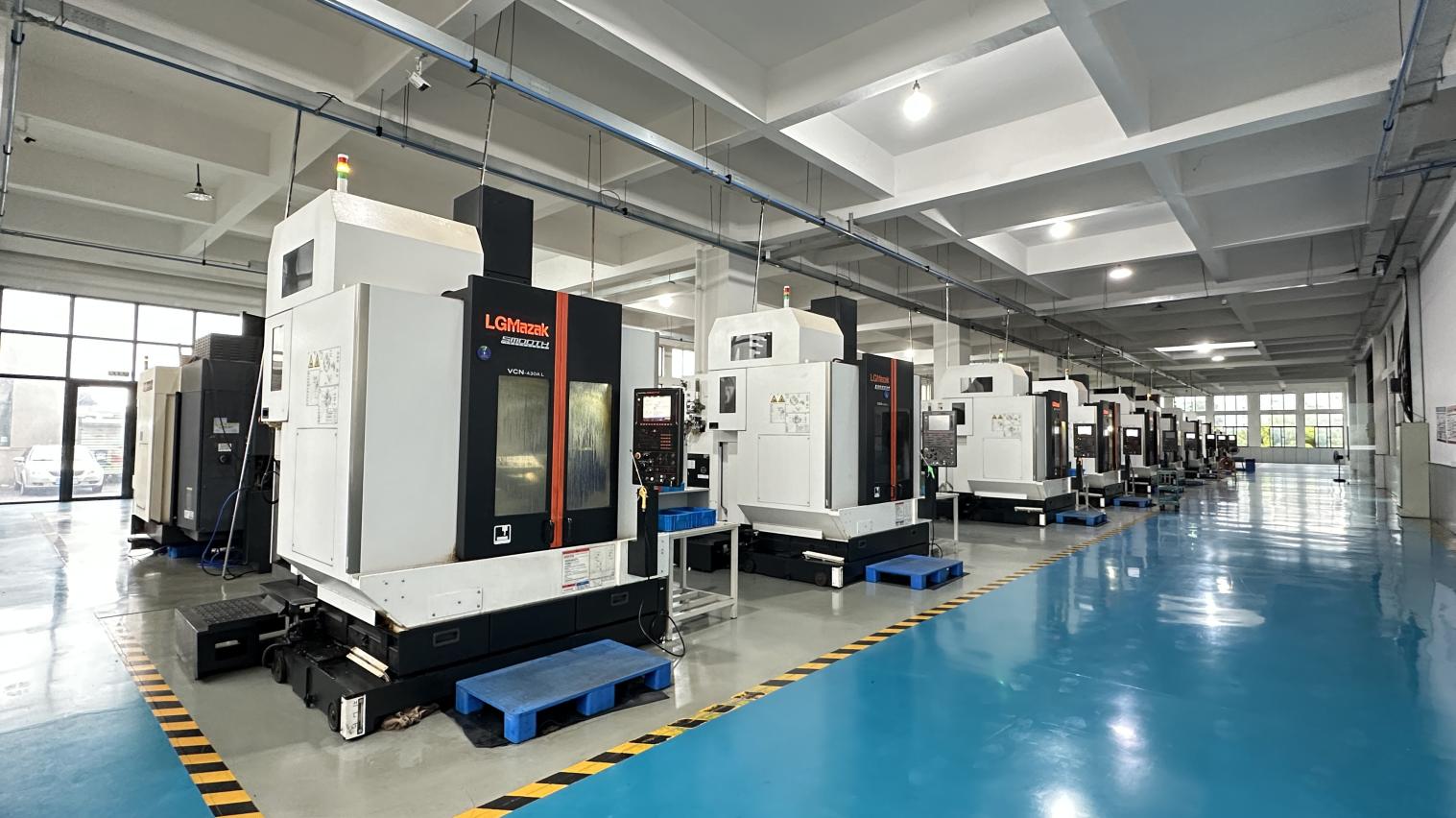
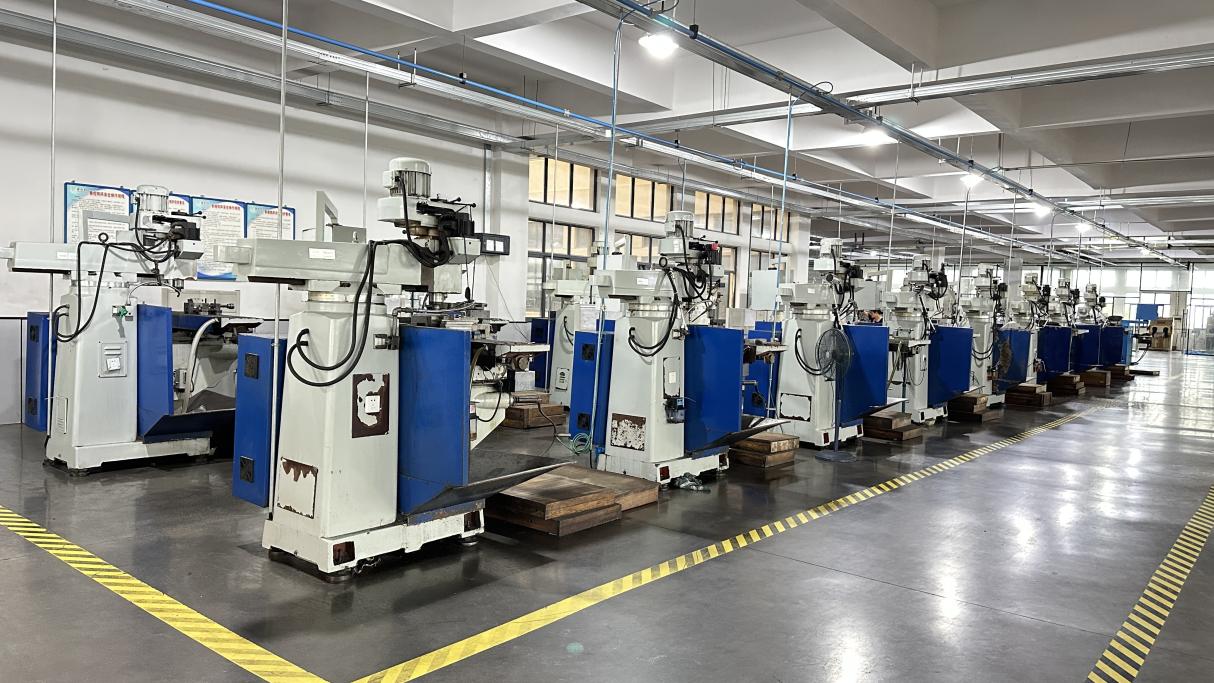
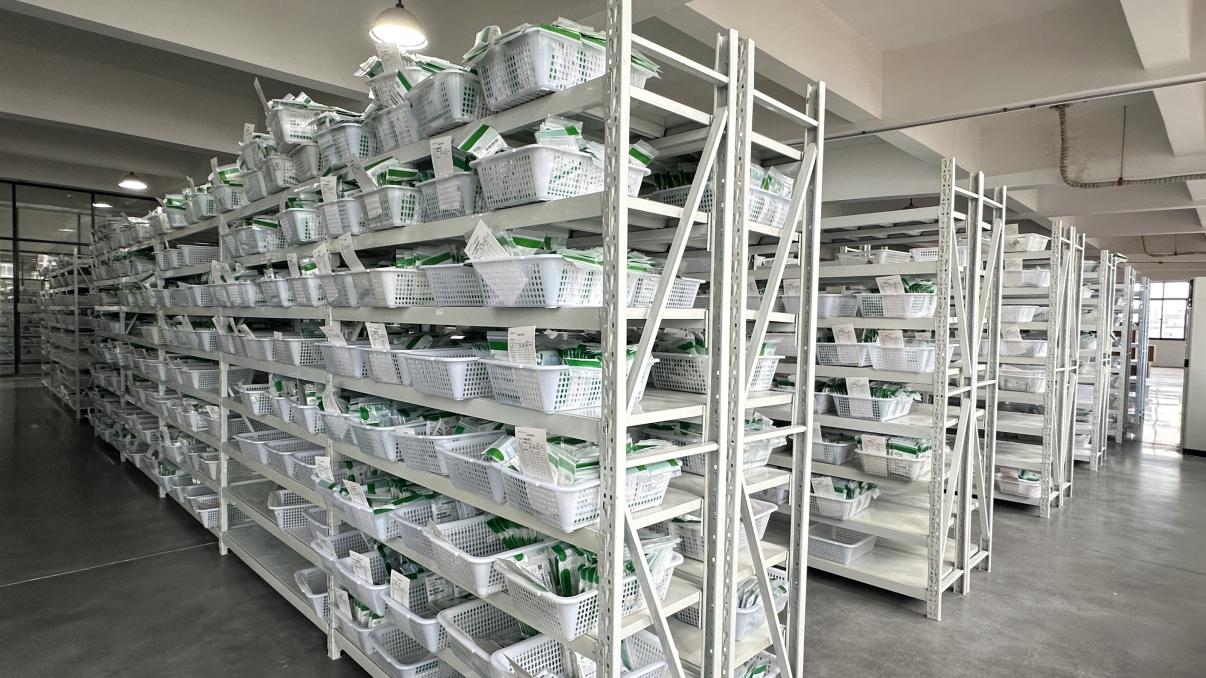
Tonk's ISO-compliant production floors and micro-inspection stations.
Understanding the engineering demands behind pedicle screws, crosslinks, and laminar hooks used in complex posterior spinal fusion.
Modern posterior thoracolumbar stabilization systems rely heavily on pedicle screws designed with dual-core profiles. This engineering approach incorporates a tapered core diameter that increases towards the screw head, creating radial compression on the surrounding cancellous bone as the screw is driven home. A dual-lead thread profile reduces insertion time and increases the ultimate pull-out strength, a critical factor for patients with compromised bone density.
To establish long-term mechanical stability, the interface between the implant and bone is key. Our medical-grade titanium implants undergo specialized surface treatment processes, including acid-etching and anodic oxidation, which create a micro-rough surface profile. This topography stimulates osteoblast activity, speeding up osseointegration compared to smooth-machined implants.
Polyaxial screws must offer a wide range of angular motion (typically 40° to 60°) to accommodate the complex anatomy of the spine. Locking this joint securely is vital. We utilize a highly engineered inner lock screw system featuring a reverse angle thread pattern (buttress thread). This configuration prevents the polyaxial head from splaying outwards under extreme loads, keeping the construct stable over millions of cycles.
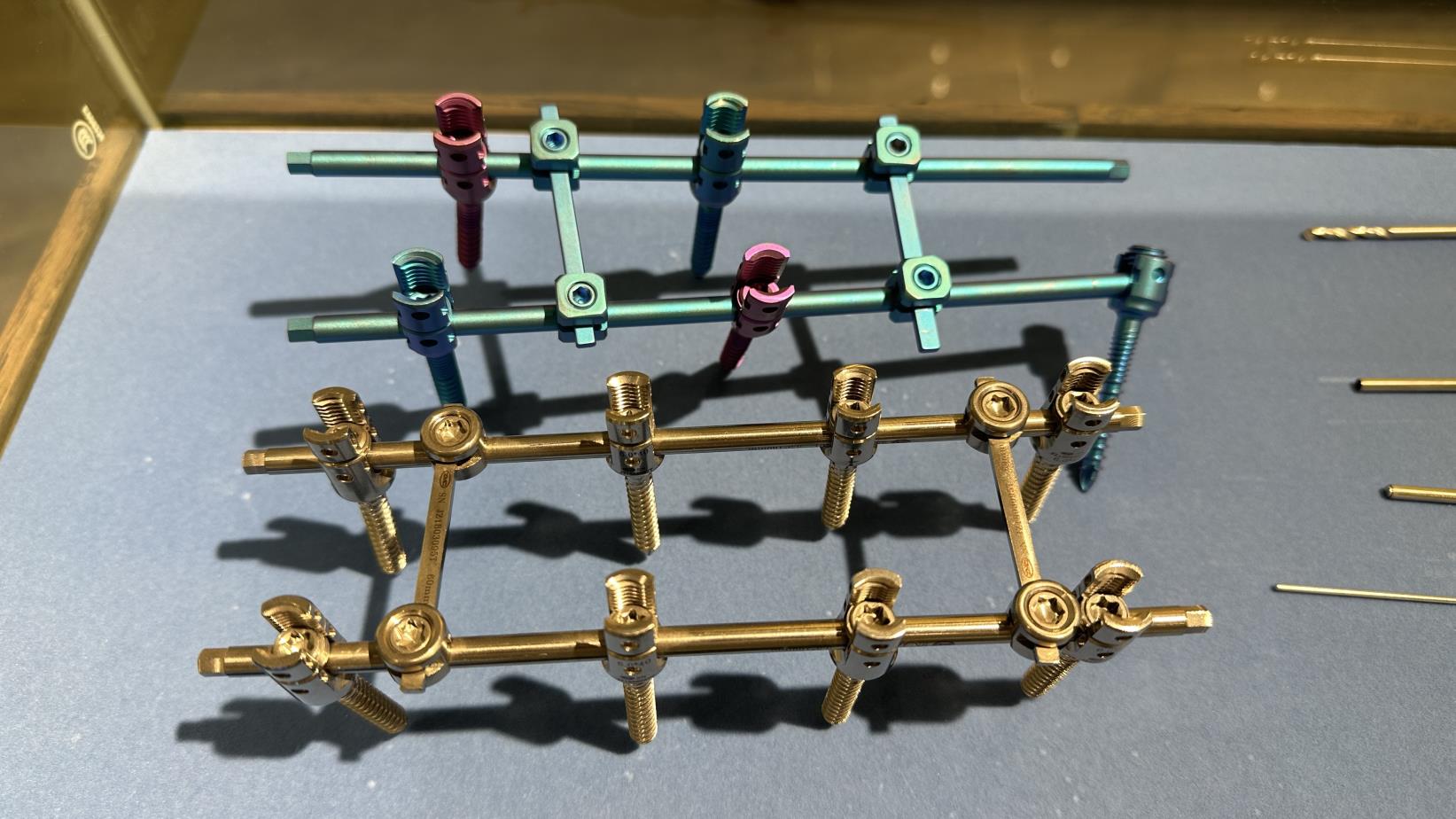
When construct spans extend across three or more spinal levels, rotational forces can compromise fusion outcomes. Integrating crosslinks (transverse connectors) increases the construct's torsional stiffness by up to 50%, distributing mechanical stress evenly across the bone-screw interface.
Providing a complete, quality-assured process starting from custom ordering down to installation and global support.

Our dedicated logistics department ensures that your medical cargo reaches you with the most reliable carrier routes in the shortest possible timeframe.

Every Tonk medical product comes with our absolute assurance of quality, zero compromise in raw material selection, and rigorous cleanroom testing.
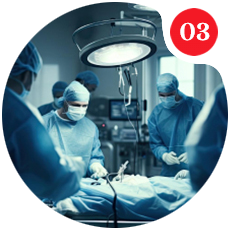
Innovative design approaches utilizing advanced simulation software help us manufacture cutting-edge spine products at competitive prices.

Our global support staff and post-sales customer engineers are online 24/7 to assist with compliance documents, technical inquiries, and product usages.
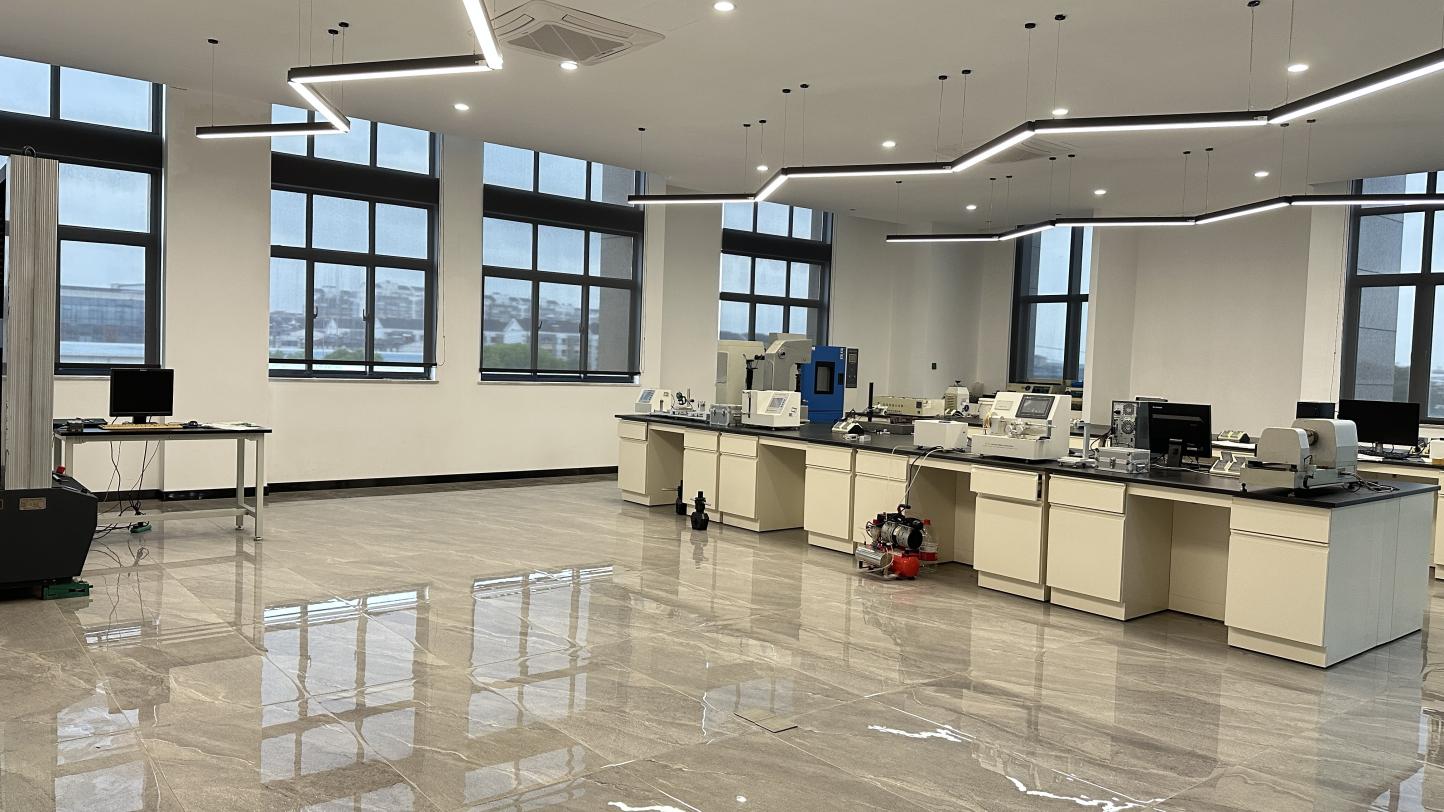
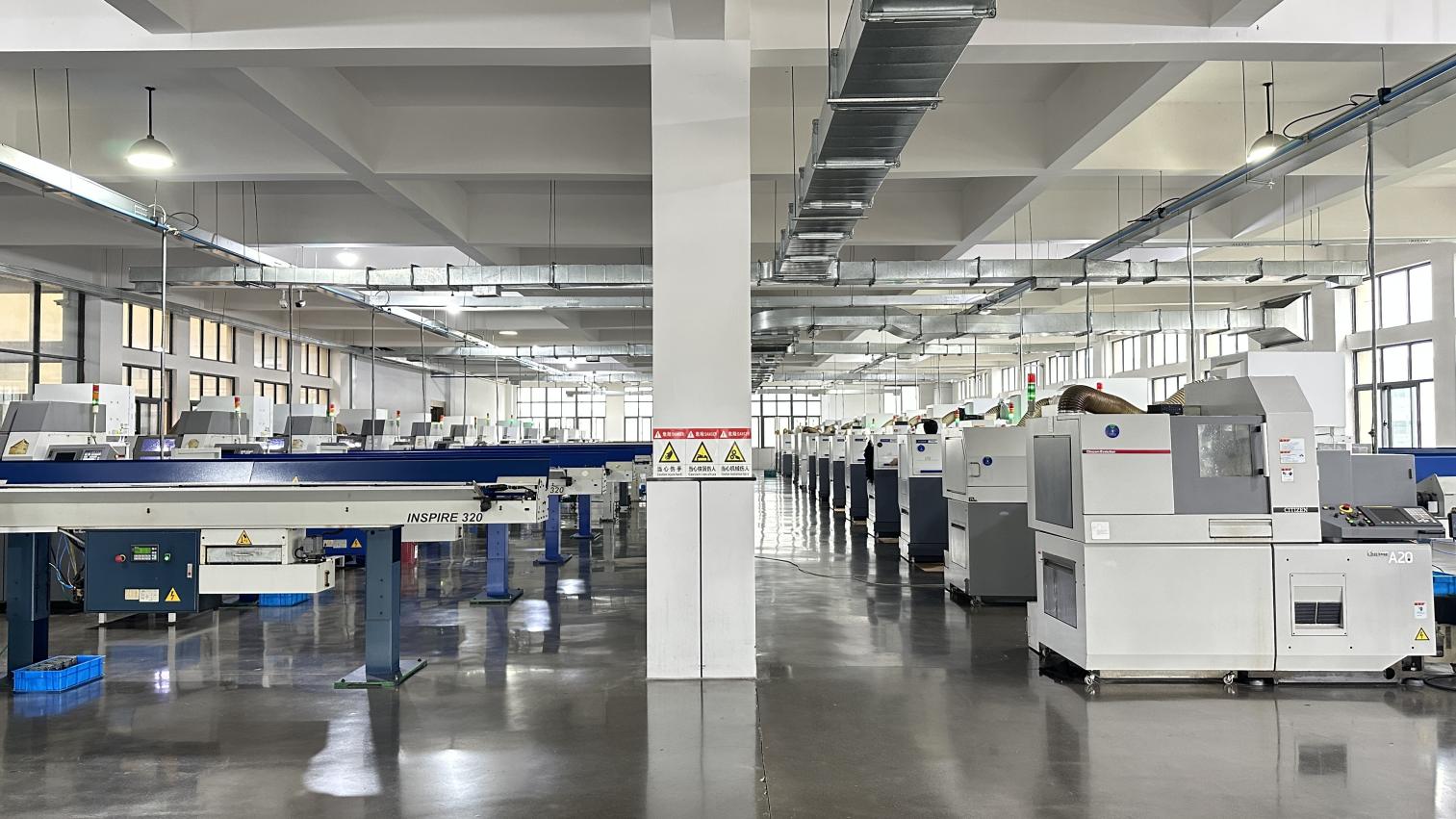
Our Swiss CNC machines allow high precision down to the micron level.
For international medical distributors, partnering with a Chinese supplier offers significant operational advantages. This is not just about raw cost savings; it is about infrastructure, speed to market, and technological scale:
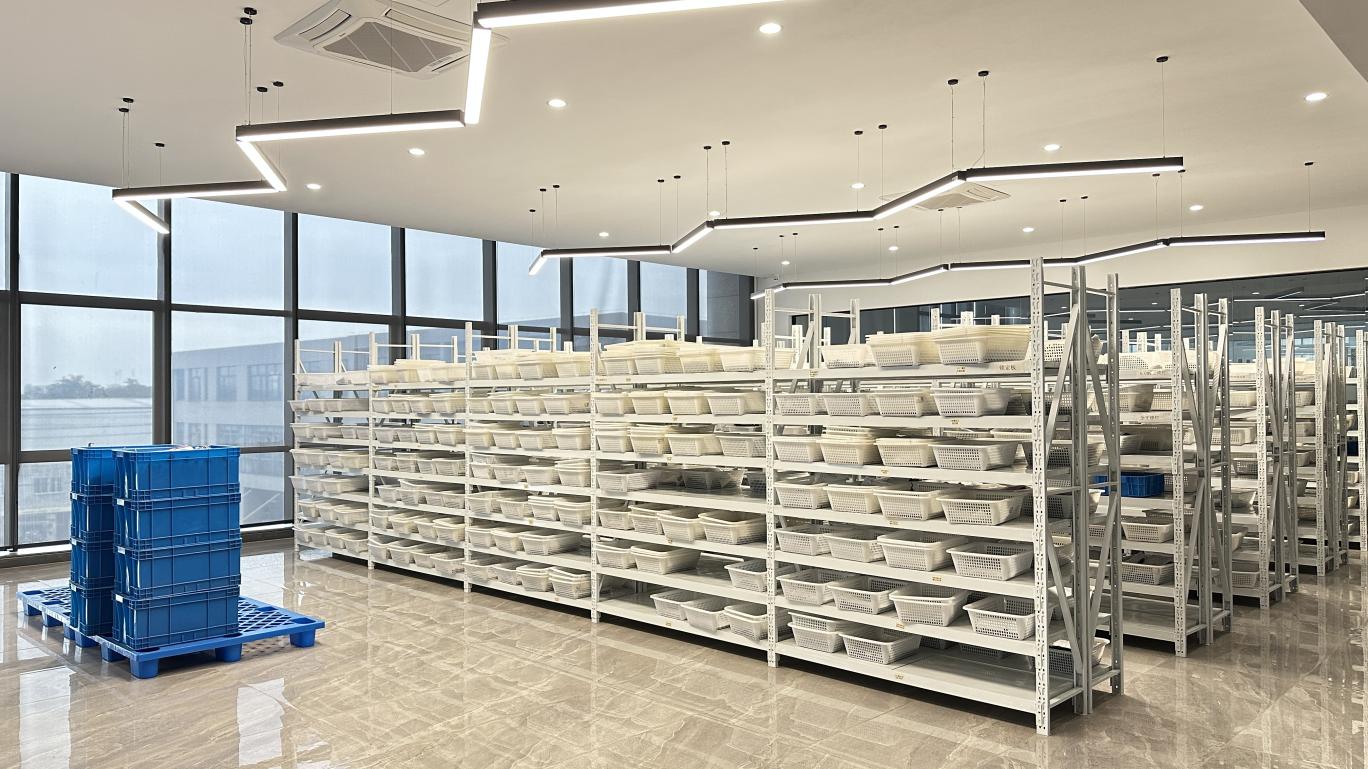
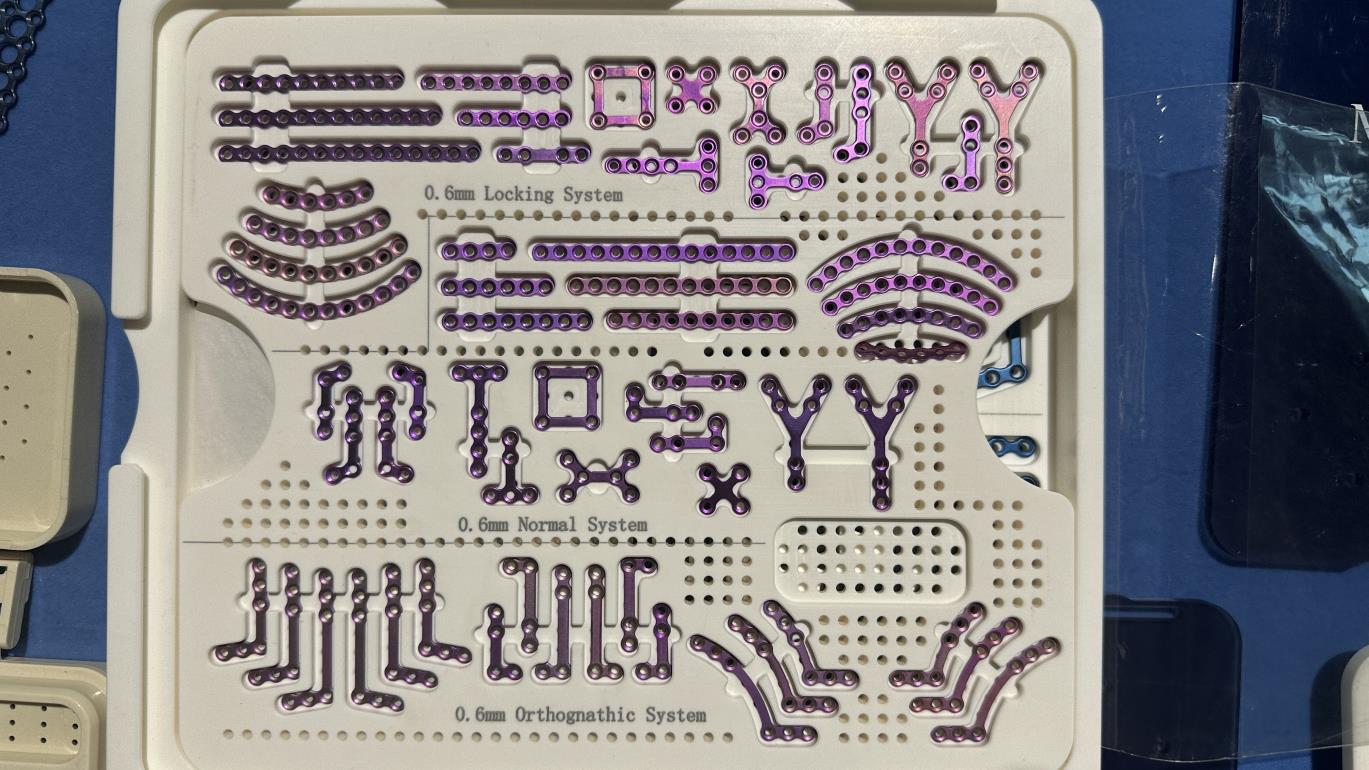
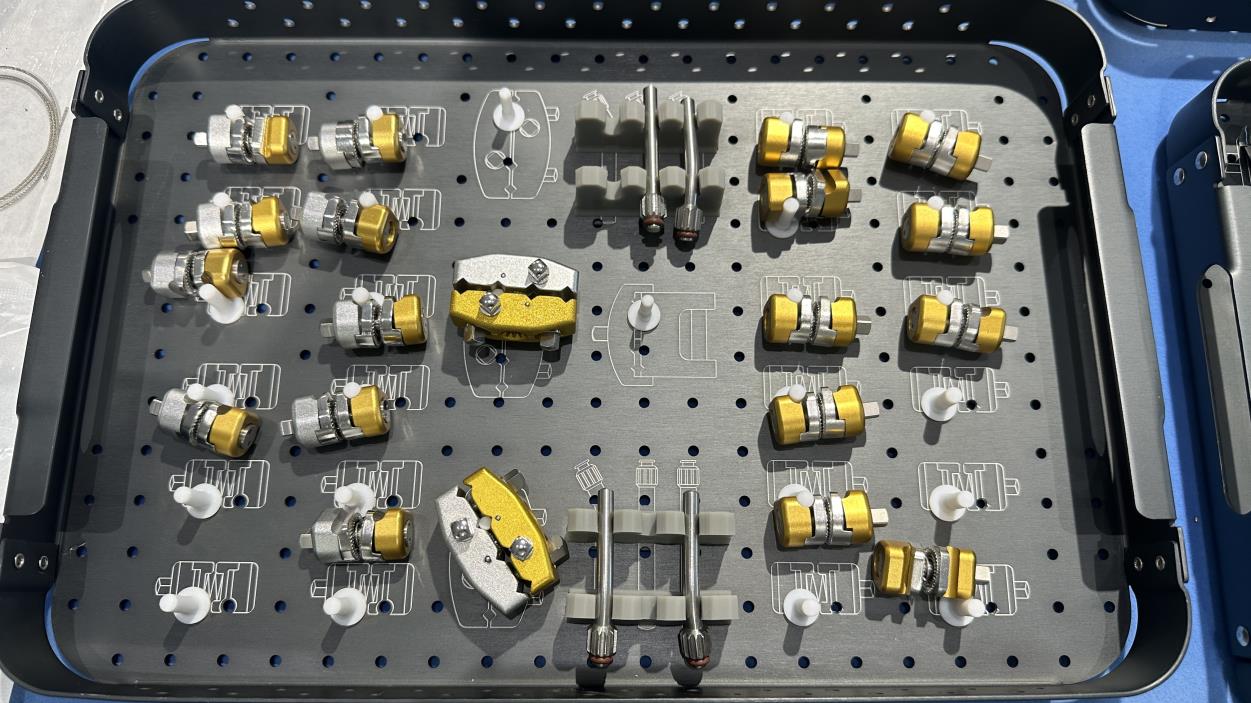
Visualizing our raw material processing, quality check rooms, precision machining centers, and finished product packaging areas.
Addressing key engineering, regulatory, and logistics questions from hospital procurement officers and international distributors.
Our spinal screws, crosslinks, and rods are manufactured from medical-grade Titanium Alloy (Ti-6Al-4V ELI) conforming to ASTM F136 standards. For certain cage and spacer systems, we utilize biocompatible Polyetheretherketone (PEEK-OPTIMA), which mimics the elastic modulus of human cortical bone, reducing the risk of stress shielding.
Every batch of raw material undergoes spectral analysis and ultrasonic flaw detection before production. The finished implants are subjected to dynamic fatigue testing (ASTM F1717 protocols for spinal constructs), coordinate measuring machine (CMM) dimensional verification, and 100% optical inspection under magnification. All production parameters are fully traceable under our ISO 13485 quality management system.
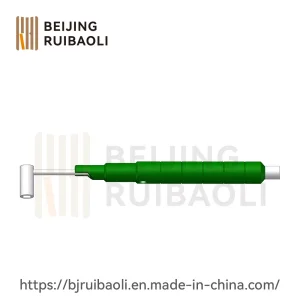
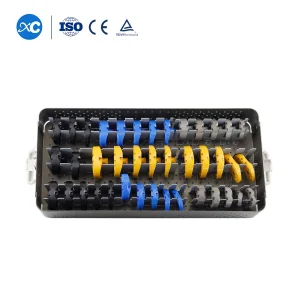
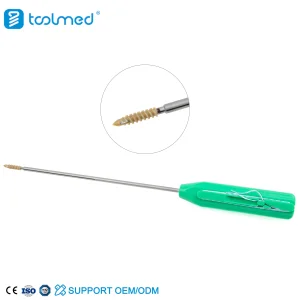
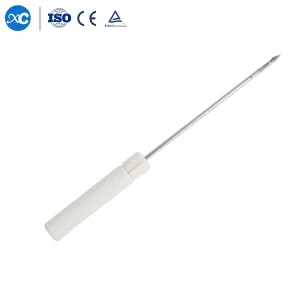
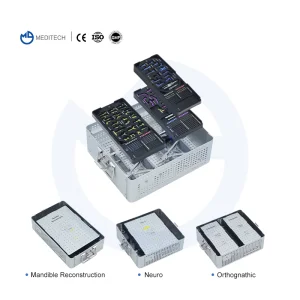
Yes, we provide full OEM/ODM services. We can customize the dimensions, thread profile, and material coating of our spinal stabilization products. Furthermore, we develop custom surgical instrument kits (including wrenches, taps, drivers, and benders) according to the preferences of orthopedic surgeons or the specific mechanical profiles of your proprietary implant systems.
Yes. Our orthopedic series implants and surgical instruments are designed and tested in compliance with global standards, including the European Medical Device Regulation (EU MDR 2017/745) and United States FDA guidance documents. We provide complete technical files, biocompatibility reports (ISO 10993 series), and sterilization validation studies to support regulatory registrations in your market.
We supply both sterile and non-sterile implants. Sterile implants are packaged in cleanroom conditions (ISO Class 7) and sterilized using Gamma Irradiation (validated to ISO 11137, maintaining a Sterility Assurance Level of 10^-6) or Ethylene Oxide (EtO) gas. Non-sterile implants and reusable surgical instruments are designed to withstand autoclaving (steam sterilization under high pressure) at healthcare facilities.
Our logistics department coordinates with premier global air, sea, and land cargo carriers. We utilize custom packaging, such as protective shock-absorbent compartments and humidity-controlled inner wrapping, to prevent damage. We handle all export clearances and coordinate with your domestic customs brokers to ensure timely delivery directly to your warehouse or clinical distribution center.
High-durability implants and tools designed to streamline surgical procedures and optimize patient outcomes.
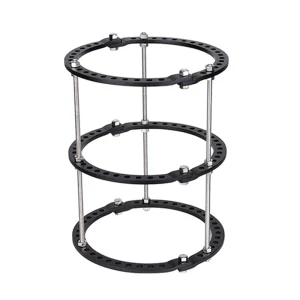
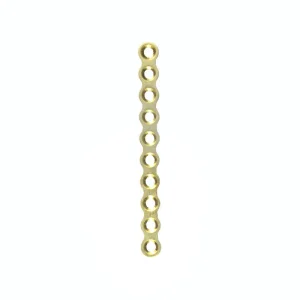
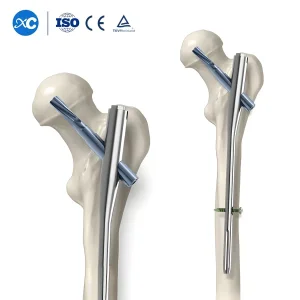
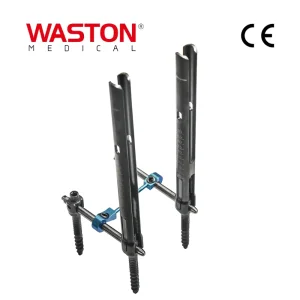
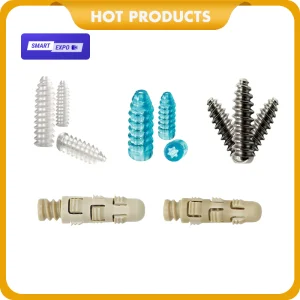
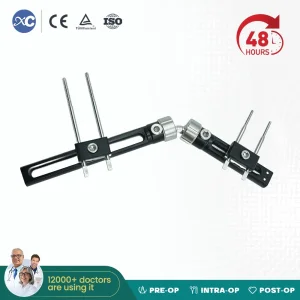
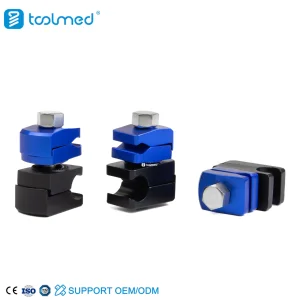
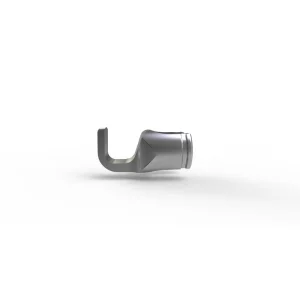
 Tonk Orthopedic Implants