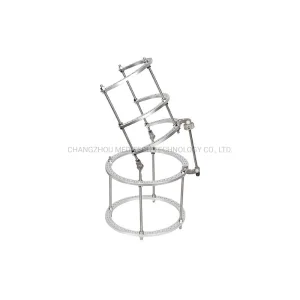
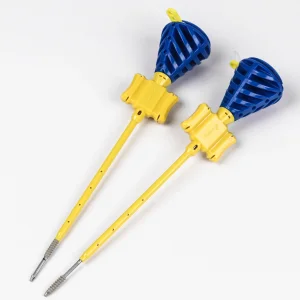
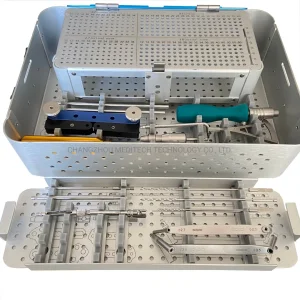
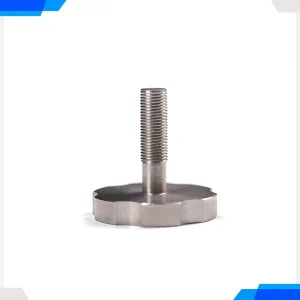
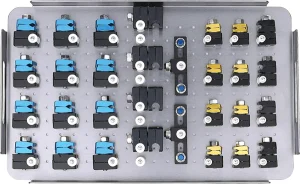
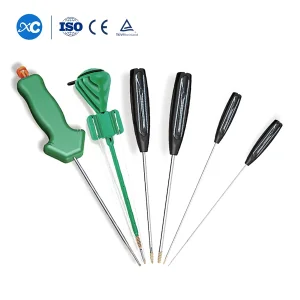
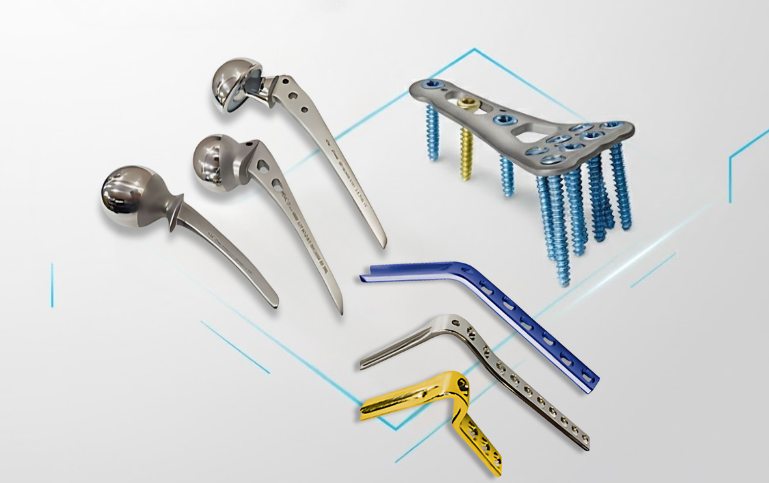
Featured surgical products and specialized instruments for orthopedic and spinal reconstruction.
Over the past four decades, spinal fusion surgery has undergone a radical paradigm shift. Interbody fusion cages have transitioned from simple geometric spacers to highly engineered biomimetic structures designed to facilitate accelerated osseointegration. Today, clinicians utilize spinal cages to achieve direct decompressive restoration of disc height, restore natural lumbar lordosis, and construct an optimal mechanical environment for arthrodesis.
As a leading exporter in orthopedics, established in 1981, Tonk has actively tracked and contributed to this biomaterial evolution. Whether executing Posterior Lumbar Interbody Fusion (PLIF), Transforaminal Lumbar Interbody Fusion (TLIF), or Anterior Lumbar Interbody Fusion (ALIF), the selection of the implant material defines the fusion outcome. Modern surgical frameworks demand implants that balance mechanical load-sharing with artifact-free radiographic evaluation.
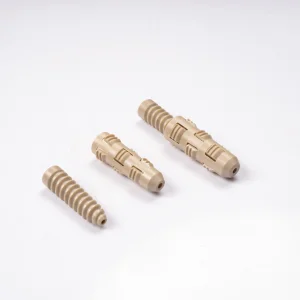
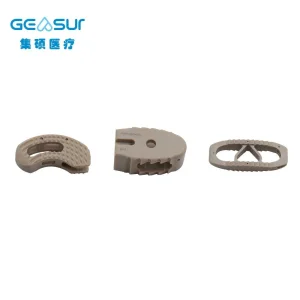
By offering titanium-coated PLIF interbody fusion PEEK cages and custom porous metal solutions, we bridge the gap between high-strength structural integrity and immediate cell attachment. Modern implant designs incorporate wide bone grafting windows, allowing maximum packing of autograft or allograft material to accelerate bridging bone formation across the vertebral space.
Analyzing the clinical trade-offs between Polyetheretherketone (PEEK) and Titanium alloys for load-bearing spine applications.
Polyetheretherketone (PEEK) exhibits an elastic modulus (3.6 GPa) highly comparable to human cortical bone (15-20 GPa). This biological match dramatically reduces the risk of stress shielding—a common cause of implant subsidence and subsequent revision surgeries. Additionally, PEEK’s radiolucent property allows surgeons to easily track bone growth and fusion progress using standard X-ray or CT imaging without metallic scattering artifacts.
While PEEK is biologically inert, it lacks the raw osseointegration profile of titanium. To solve this, our state-of-the-art titanium-coated PEEK cages utilize vacuum plasma spraying (VPS) or PVD magnetron sputtering. This deposits a micro-rough titanium layer onto the PEEK core. Studies confirm this composite surface stimulates osteoblast differentiation, enhances alkaline phosphatase activity, and achieves superior early anchoring compared to smooth PEEK surfaces.
Every spinal fusion cage manufactured under our guidelines features anatomical lordotic angles ranging from 4° to 12° to aid in restoration of natural spinal alignment. Serrated external profiles (teeth) are integrated into the upper and lower surfaces to prevent migration or expulsion of the device under physical axial load before definitive bone bridge formation takes place.
Navigating the complex regulatory requirements and localization processes for orthopedic device distribution.
Orthopedic implants cannot follow a "one-size-fits-all" logistics process. Different jurisdictions mandate unique quality verification processes. We support international medical distributors with:
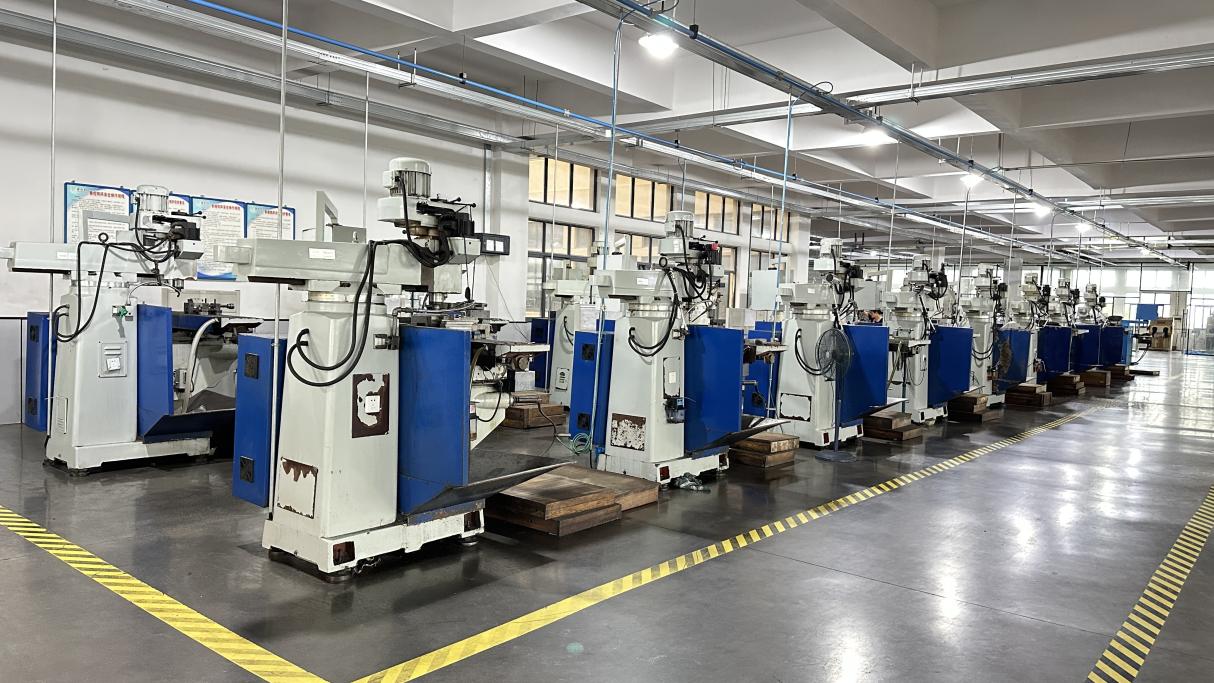
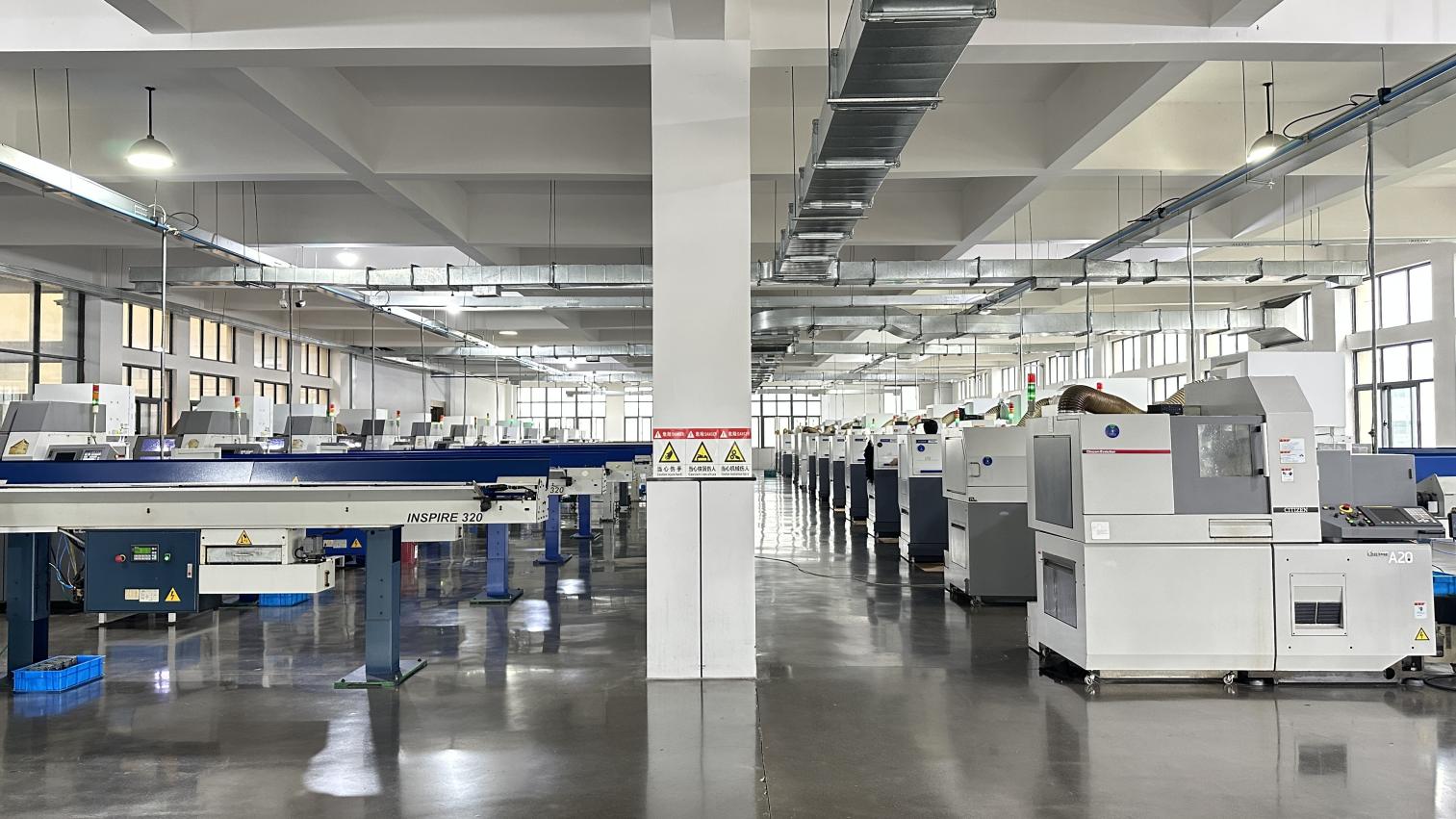
Our strategic manufacturing partnerships in China leverage modern mechanical infrastructure to ensure rapid turnaround times and cost stability. This industrial ecosystem delivers key sourcing advantages:
Combining decades of logistical and manufacturing experience to deliver world-class orthopedic hardware.

The logistics department makes sure that your goods reach you with the best available carriers in the shortest possible time frame.

Every Tonk product comes with an assurance of high quality and zero compromise in its production, performance, and safety.

Our innovative approach towards product design and production help us bring you the best products at even better prices.

Our expert post-sales customer service team is available 24/7 to promptly answer all your queries regarding our products.
Modern orthopedic distribution networks serve distinct medical verticals, each requiring specialized implant specifications and certifications:
Focuses on mechanical stability, long-term bone ingrowth, and structural lordotic corrections. Implants must feature high fatigue strength, biocompatibility certification, and sterilization options suited to operating room (OR) protocols.
Requires suture anchors and interference screws crafted from PEEK or absorbable biocomposites. Key specifications include pull-out strength, thread designs that preserve soft tissue, and knotless systems for arthroscopic joint repairs.
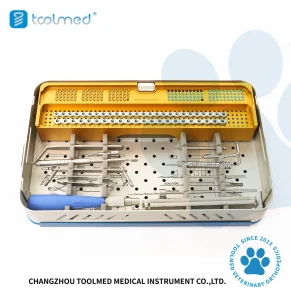
Adapting human-grade engineering to veterinary science. Specialized locking plates (e.g., Alps, TPLO sets) are configured for small, medium, and large animals to address tibia fractures and cruciate ligament injuries.
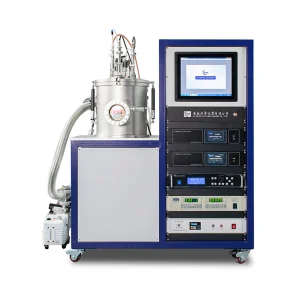
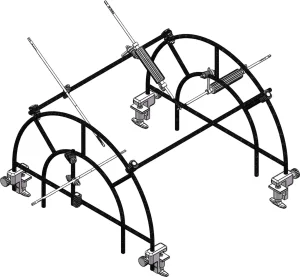
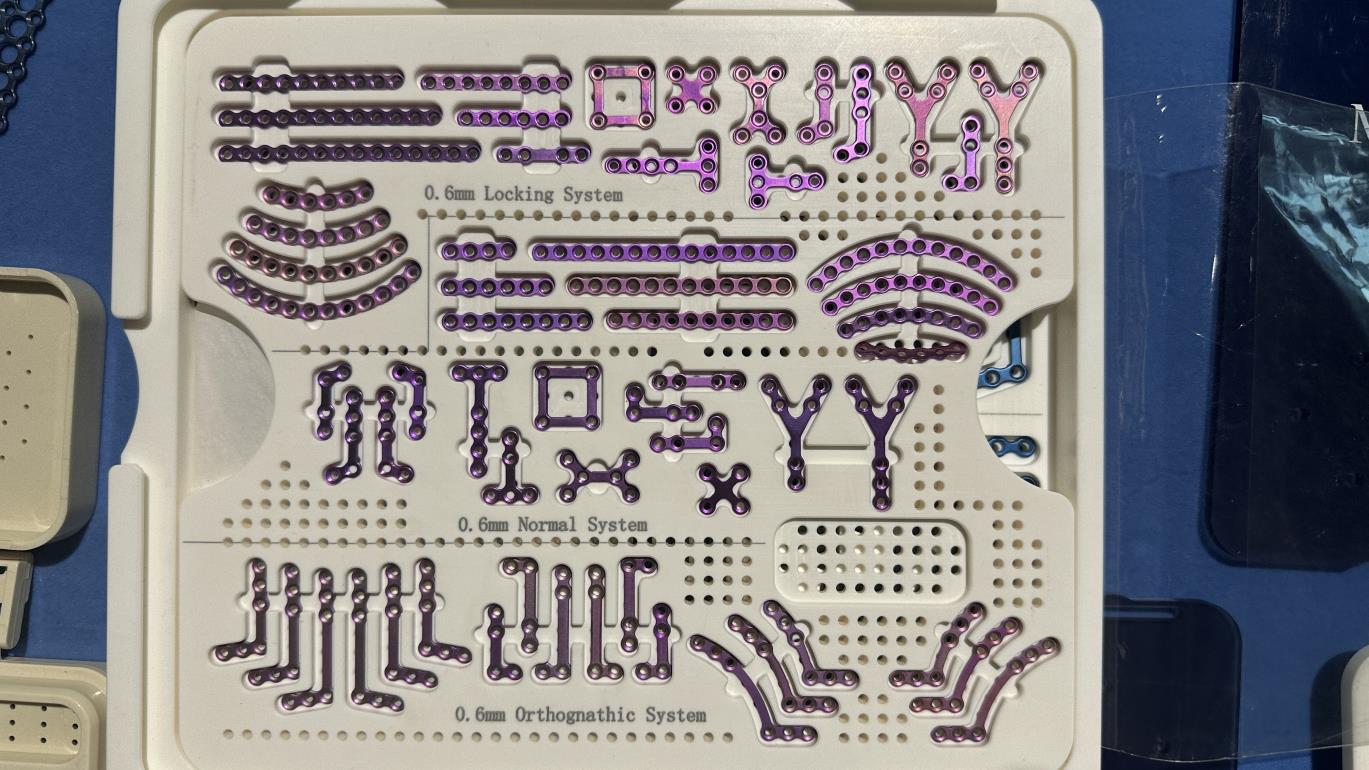
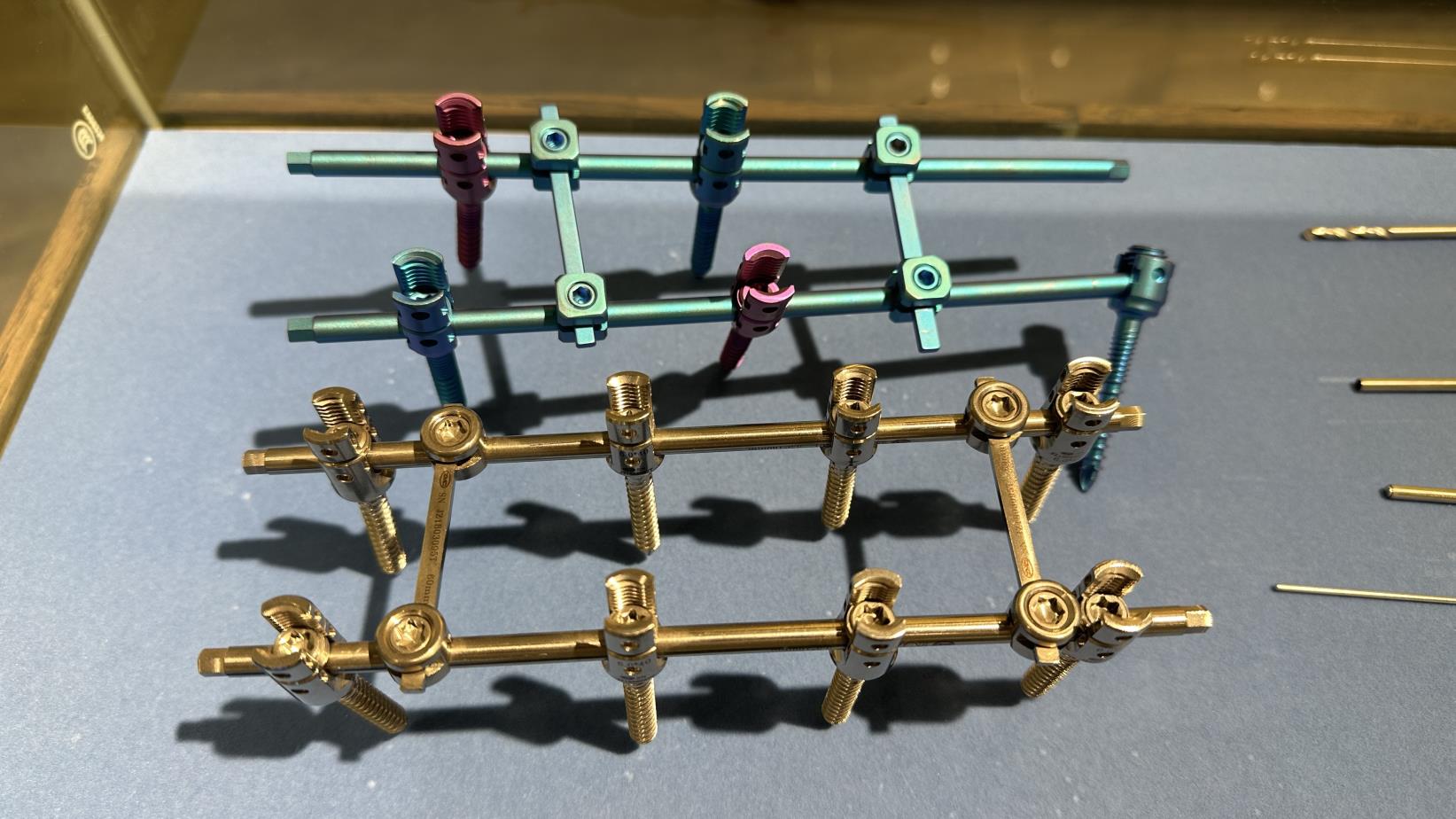
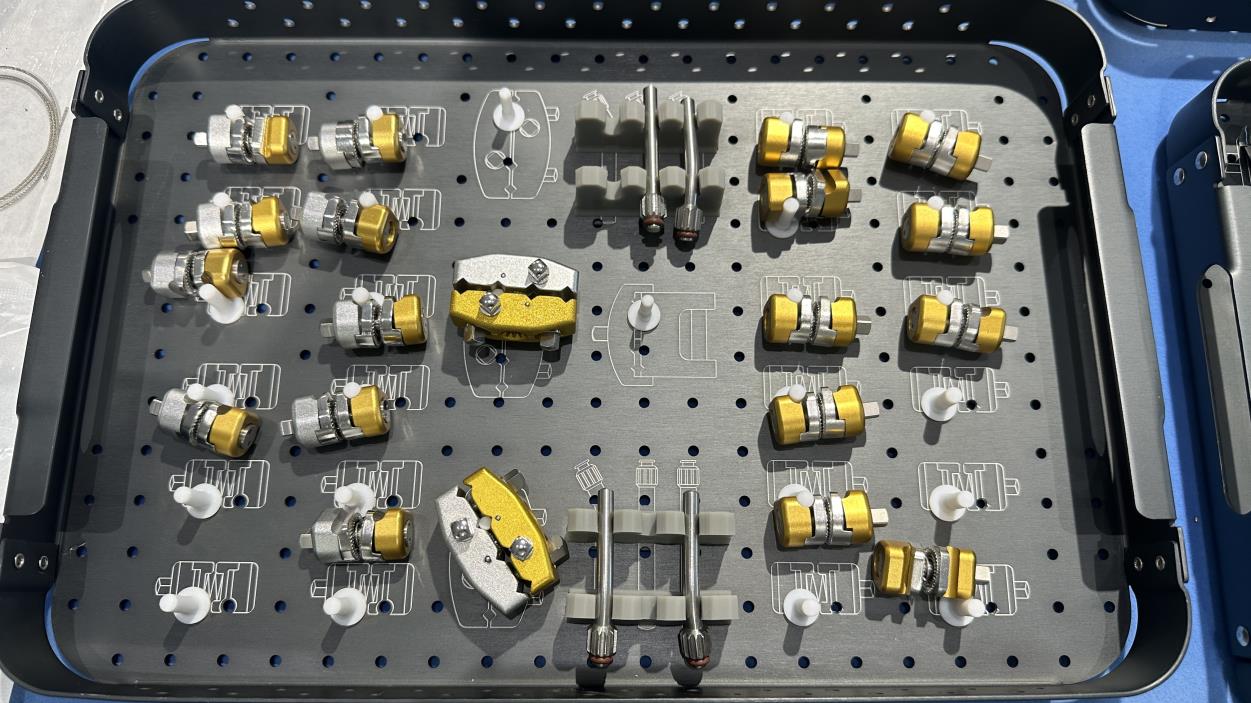
By integrating advanced PVD thin film coating and high-precision machining, our manufacturing systems produce versatile fixation components that meet strict regulatory benchmarks. As orthopedic exporters, we ensure that every laboratory screw, external clamp, and cranial plate passes strict material performance tests prior to worldwide dispatch.
We offer our global distribution partners a comprehensive OEM/ODM design process. Using CAD modeling, finite element analysis (FEA), and mechanical simulation software, our engineering team modifies spinal cage profiles to align with changing surgeon preferences and clinical techniques.
Key technological shifts defining the future of spinal implants and surgical systems over the next decade.
Direct metal laser sintering (DMLS) allows for the production of porous titanium implants that mimic natural trabecular bone. These structures encourage bone tissue growth throughout the cage, rather than just on the surface, improving long-term implant stability.
Research into embedded micro-sensors within spinal spacers aims to track real-time changes in strain, local pressure, and temperature. This data can help detect early-stage implant subsidence or post-surgical infection risks, allowing for earlier clinical intervention.
Beyond pure titanium coatings, next-generation spinal implants utilize biochemical modifications. Silicon nitride, hydroxyapatite, and antimicrobial peptide coatings are applied to speed up bone integration while minimizing bacterial adhesion.
Expert insights on regulatory compliance, material selections, and manufacturing tolerances for global medical distributors.
Our orthopedic cages are manufactured exclusively from certified implant-grade materials. For titanium implants, we utilize Ti-6Al-4V ELI (Extra Low Interstitial) conforming to ASTM F136 and ISO 5832-3 standards. For plastic-based implants, we use implantable-grade PEEK (such as Solvay Zeniva or Evonik Vestakeep) that complies with ASTM F2026. Material mill test reports (MTR) and traceability certifications are supplied with every order.
Typically, orthopedic cages and surgical plates are shipped in a clean, non-sterile state in specialized double-barrier protective packaging, allowing hospitals to sterilize them via steam autoclave protocols before surgery. However, we also provide pre-sterilized packaging options using Ethylene Oxide (EO) or Gamma Irradiation, complete with chemical indicators and sterile integrity validation certificates.
Our quality control department utilizes Coordinate Measuring Machines (CMM), optical comparators, and digital vision inspection systems to verify dimensions within micron-level tolerances. For textured surfaces, such as titanium coatings or serrated teeth, surface roughness (Ra) is measured using profilometry to ensure consistent osseointegration properties.
Yes. We offer OEM/ODM services to support product design and scaling. Our manufacturing facility can modify spinal cages to suit pediatric osteotomy cases or custom anatomical shapes for veterinary surgeries (such as TPLO or locking plate instruments for canine systems), backed by full design history files.
Our partner manufacturing facilities operate under ISO 13485 (Medical Devices - Quality Management Systems) certification. We assist distributors with required export documentation, including Certificates of Free Sale (CFS), Certificates of Conformity (CoC), raw material analysis data sheets, and comprehensive technical files suitable for local regulatory agencies.
Lead times depend on the complexity of the design and order volume. For standard, catalog-ready cages (such as PLIF or TLIF PEEK Cages) with existing tooling, processing and shipment preparation takes 15 to 30 days. Custom configurations requiring tooling changes or PVD titanium coating runs typically take 45 to 60 days.
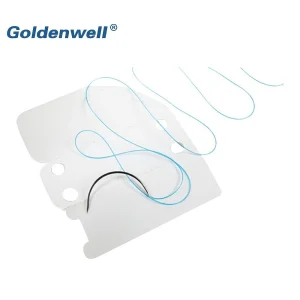
Explore our highly specialized surgical instruments, trauma fixation sets, and thin-film coating technology.
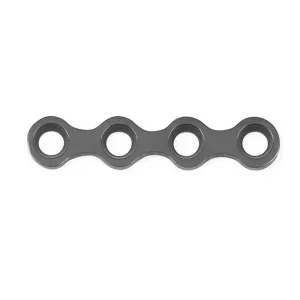
Uncompromised quality and certified orthopedic equipment production since 1981.
Tonk was established in the year 1981 and has since been engaged in the export of Medical equipments, Hospital equipments, Orthopaedic Implants & instruments, Laboratory equipments, Scientific & Educational products worldwide. Our goods have reached all continents from "The Americas" to "Europe" and beyond.

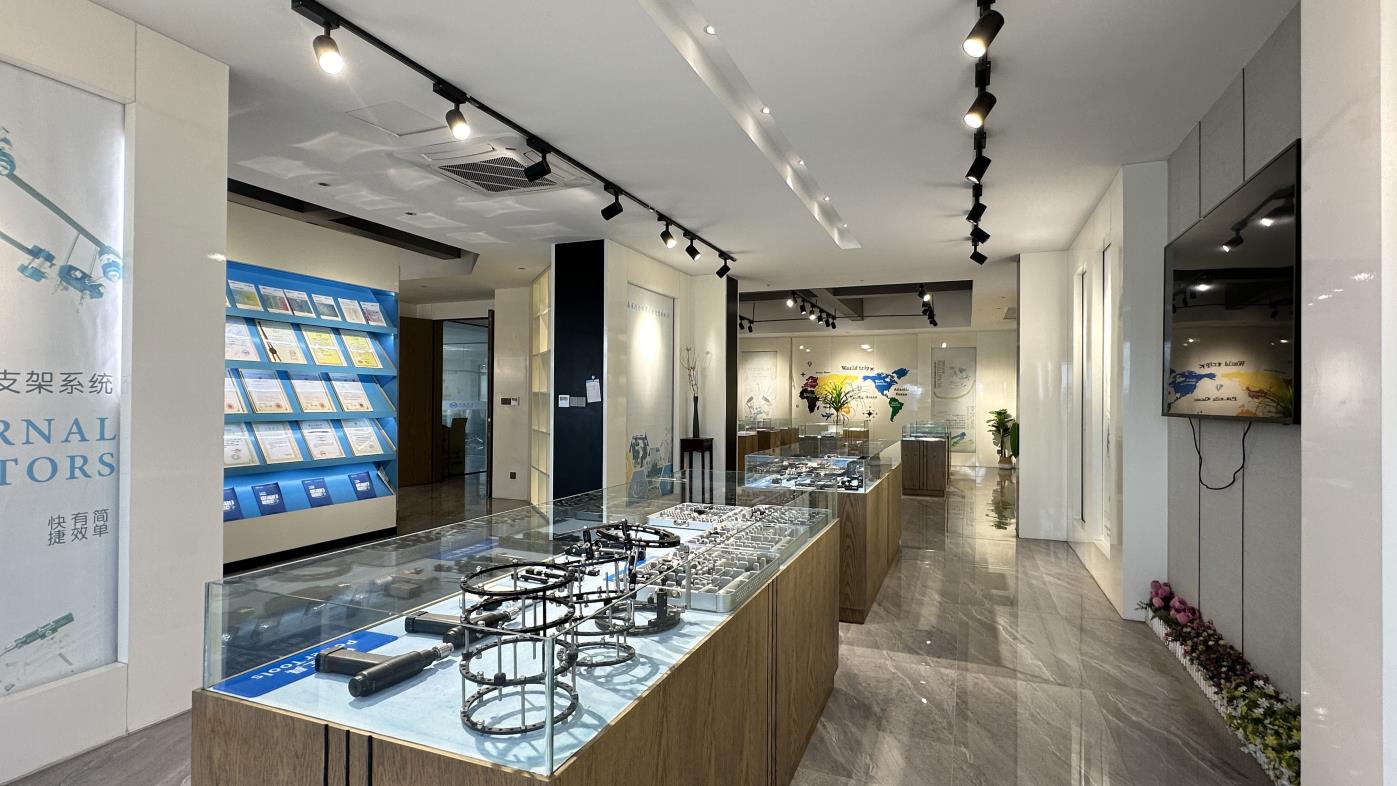
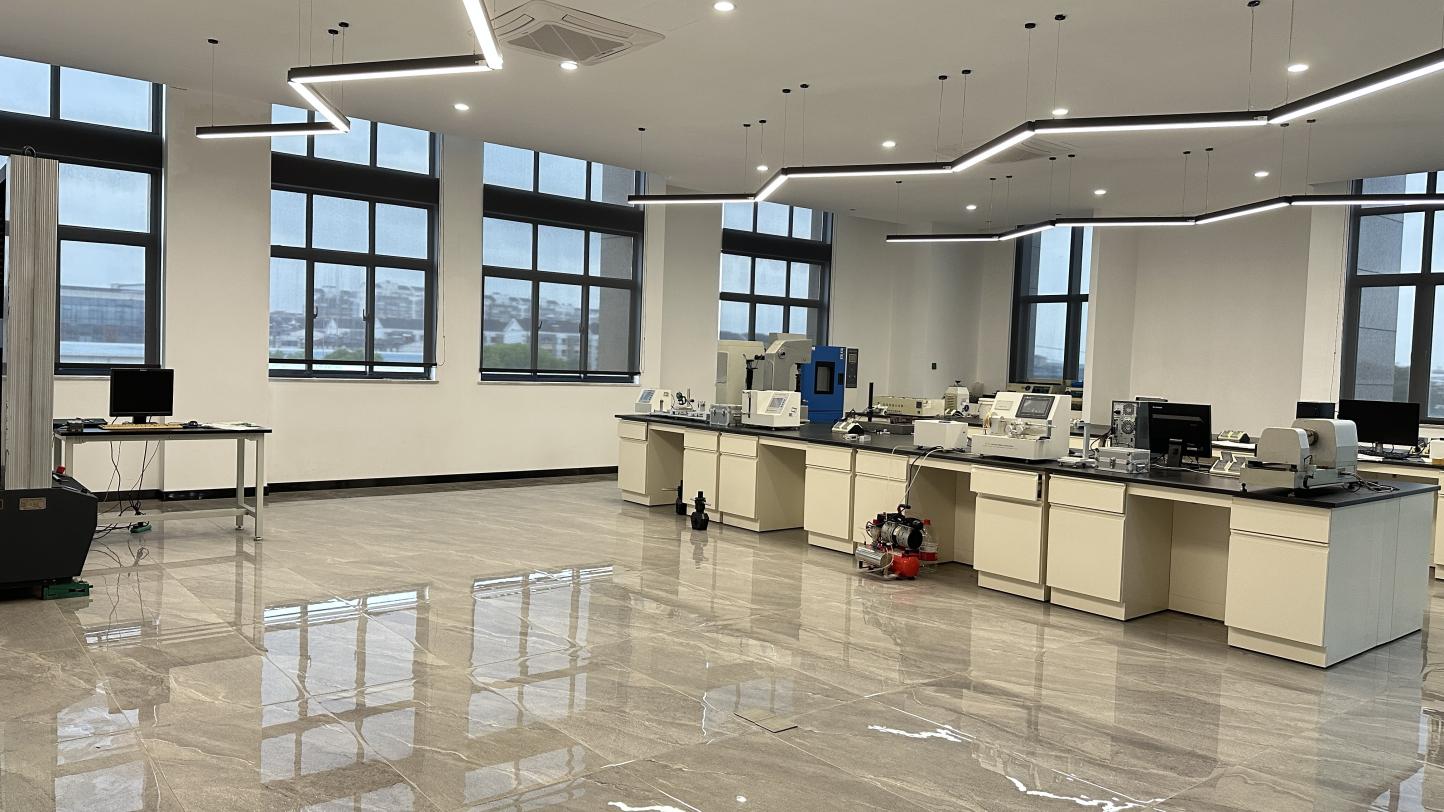
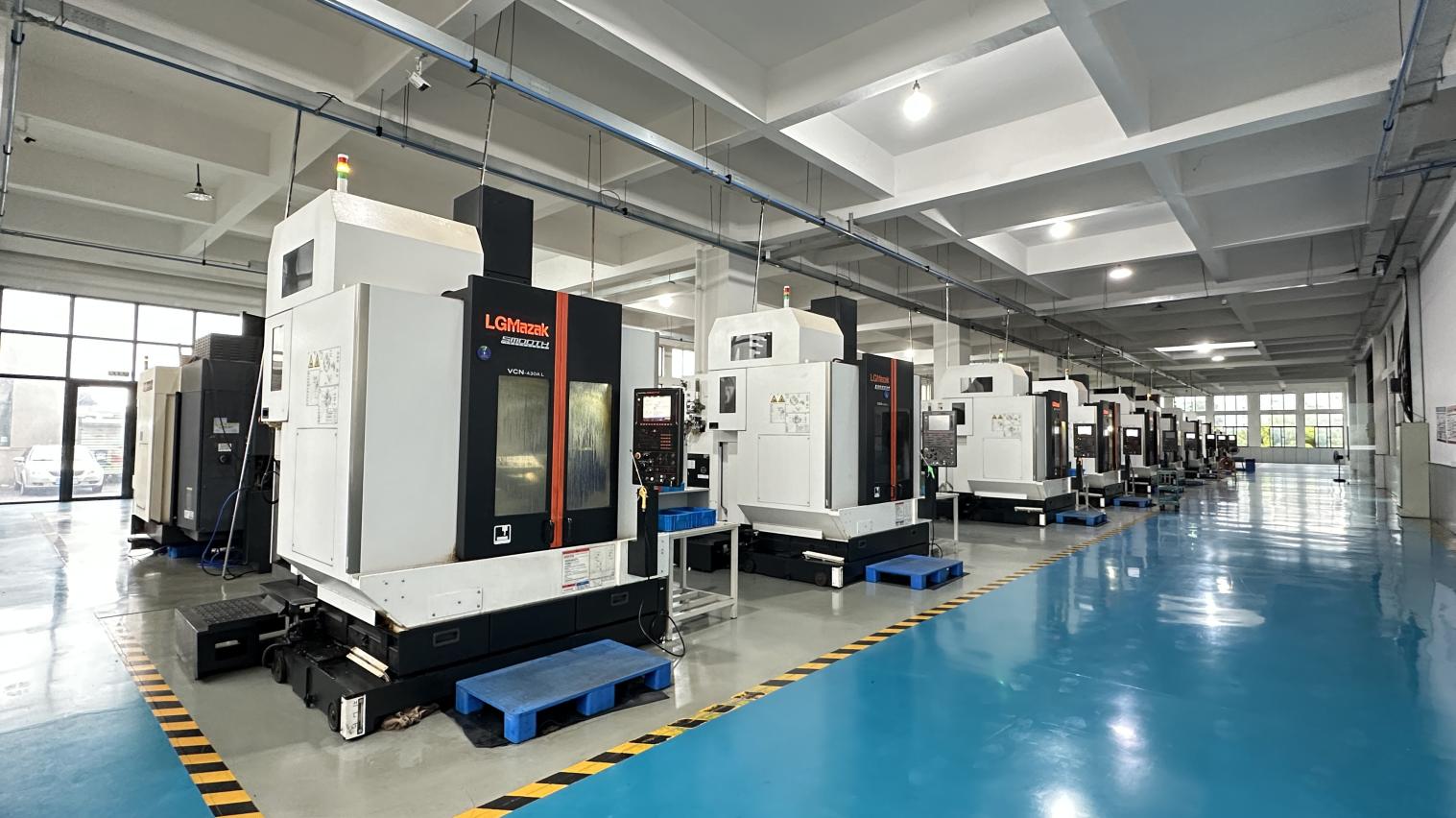
 Tonk Orthopedic Implants