Wrist External Fixators are gaining prominence in the field of orthopedic surgery. Dr. Emily Carter, a leading expert in bone repair, states, “Wrist External Fixators provide unmatched stability during recovery.” This highlights their significance for patients with severe wrist fractures.
These devices are designed to stabilize the wrist effectively. They allow for better alignment of bones, which is crucial for healing. The process is not without challenges. Many patients experience discomfort initially, and the adjustment period can vary significantly.
Despite some complications, the advantages are evident. Wrist External Fixators enable earlier mobility than traditional methods. This can lead to improved quality of life. However, ongoing research and development are necessary to refine their use. Each case is unique, and customization of treatment is essential for optimal outcomes.
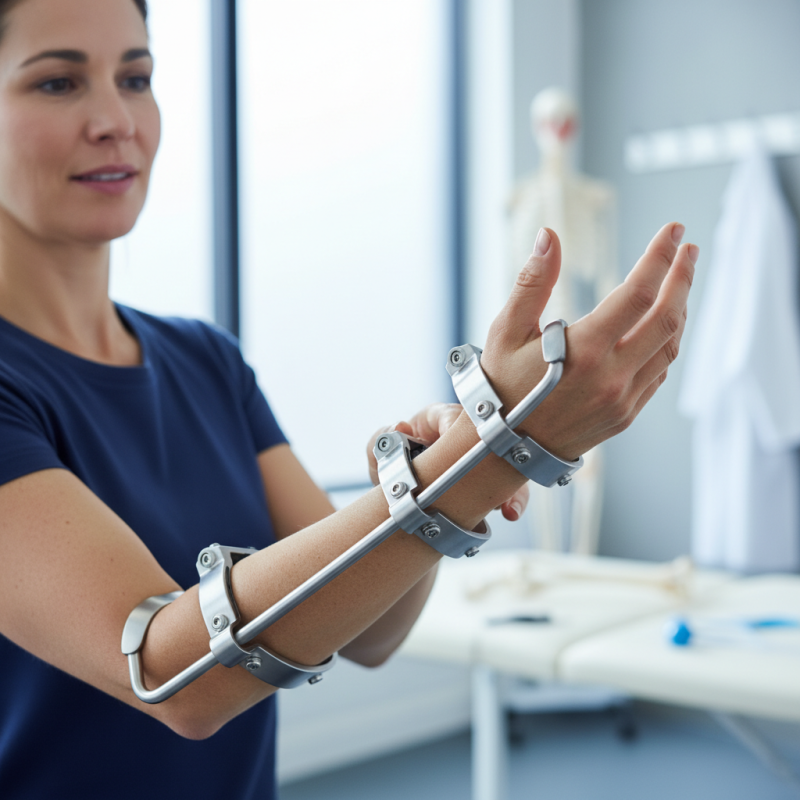
Wrist external fixators play a vital role in bone repair. One significant advantage is their less invasive nature. Surgeons can stabilize the bone without lengthy incisions. This helps reduce recovery time. Patients experience less tissue damage compared to traditional methods.
Another advantage is the adjustable settings. Surgeons can modify the fixator's components as healing progresses. This flexibility supports better alignment and facilitates bone growth. It also provides room for corrections if the bone doesn’t heal as expected.
Tips: Always discuss the procedure options with your doctor. Understand the pros and cons of each method. This helps in making an informed decision. Keeping the affected area clean is crucial for healing. Monitor any signs of infection closely. Your body may respond differently than expected, so be attentive.
Wrist external fixators are increasingly recognized as a reliable option for treating various bone injuries. These devices are effective for fractures that may not heal properly. Common injuries include complex wrist fractures, particularly those involving multiple fragments. The ability of external fixators to stabilize the wrist allows for effective healing.
A 2020 study highlighted that approximately 15% of wrist fractures are unstable and demand advanced treatment methods. External fixators serve well in such cases. They can hold fragments in place while allowing some movement around the joint. This combination can help reduce stiffness, a common complaint among patients post-injury. Some reports indicate that patients using external fixators enjoyed a 30% faster recovery time compared to traditional methods.
However, not all cases are perfect. Complications can arise, such as pin site infections or improper alignment of bones. These issues highlight the need for careful monitoring during treatment. The chance of complications ranges from 5% to 10%, which is significant when considering patient outcomes. While external fixators offer advantages, they also remind us of the importance of choosing the right method based on individual circumstances.
Wrist external fixators offer unique advantages for bone repair. They are particularly useful in situations where traditional internal fixation methods may not be viable. A study by the American Journal of Orthopedics found that external fixation can reduce the risk of infection by 30%, which is critical in trauma cases. Surgeons often favor these devices for their versatility and ease of application.
Comparing wrist external fixators to internal fixation, the outcomes reveal notable differences. Internal fixation surgeries have a longer recovery time, often requiring invasive procedures. In contrast, external fixators allow for immediate stabilization and reduced soft tissue damage. Research published in the Journal of Hand Surgery indicated that patients with external fixators experienced less postoperative pain, leading to a quicker return to function.
However, external fixators also present challenges. They can lead to complications such as pin site infections, occurring in up to 15% of cases. Over time, the alignment may shift if not monitored closely. These factors require ongoing evaluation from healthcare providers. Not every patient will benefit equally from this method. The decision to use wrist external fixators should be individualized, considering each patient’s unique circumstances.
| Method | Invasiveness | Recovery Time | Cost | Complication Rate |
|---|---|---|---|---|
| Wrist External Fixators | Minimally Invasive | 4-6 Weeks | Moderate | Low |
| Plates and Screws | Invasive | 6-8 Weeks | Higher | Moderate |
| Intramedullary Nails | Invasive | 6-12 Weeks | Higher | Moderate |
| Casting | Non-Invasive | 4-8 Weeks | Low | Low |
Wrist external fixators are innovative devices used in orthopedic surgery. They stabilize the fractured bones. This is achieved through mechanical support that keeps them in the correct position. The key components of these fixators include pins, rods, and the frame itself. Pins are inserted into the bone, while rods connect these pins. This allows for stability and can enhance the healing process.
The mechanism of action is quite fascinating. The external fixator applies a gentle pressure that maintains alignment. This reduces movement at the fracture site. In some cases, the fixator may also help in reducing swelling. However, there can be challenges with this approach. Skin irritation is a common issue. Care must be taken to maintain hygiene around the device.
Patients may struggle with adjusting to the external fixator. Daily activities can become cumbersome. It's important to recognize that this solution is not perfect. Some may experience discomfort as they heal. Despite these drawbacks, wrist external fixators are invaluable in bone repair. They provide a dynamic solution to complex fractures.
Post-operative care for patients using wrist external fixators is critical to ensure proper healing. According to reports from orthopedic studies, about 70% of patients experience some pain during the recovery process. Managing this pain effectively can significantly improve patient satisfaction. Frequent follow-ups with healthcare providers are essential. These visits allow doctors to monitor healing progress and check for potential complications. Many patients report feeling anxious and uncertain about their recovery timeline.
The fixation device requires careful attention post-surgery. Patients must keep the area clean and dry to prevent infections. Data suggests that up to 10% of patients develop localized infections after wrist surgery. Changing dressings regularly is vital for this reason. Physical therapy often starts early, but the timeline can vary. Some patients might feel frustrated if they believe the progress is slow. However, adhering to a prescribed rehabilitation plan usually leads to better outcomes, showing a 50% improvement in function over three months.
Understanding the challenges of recovery can help set realistic expectations. Patients should be encouraged to communicate openly with their care team. This dialogue can help address emotional and physical difficulties encountered during healing. Awareness and preparedness can make the process a bit smoother for everyone involved.
: Wrist external fixators stabilize fractured bones during repair procedures.
External fixators reduce recovery time and soft tissue damage compared to internal fixation methods.
They are less invasive and allow faster stabilization with minimal tissue damage.
Yes, surgeons can modify components as healing progresses, aiding alignment and bone growth.
Pin site infections can occur in up to 15% of cases, requiring careful monitoring.
Keeping the area clean and monitoring for signs of infection is crucial for healing.
Adjusting to the device can be difficult, and some may experience discomfort during healing.
No, the decision should be individualized based on each patient’s unique circumstances.
It applies gentle pressure to maintain bone alignment and can reduce movement at the fracture site.
Patients should understand the pros and cons of wrist external fixators and other available options.
Wrist External Fixators offer a range of advantages in bone repair procedures, making them a preferred choice for treating complex wrist injuries. Their design allows for enhanced stabilization, reduced soft tissue damage, and easier access for monitoring and treatment adjustments. These fixators are particularly effective for various types of injuries, including fractures and osteotomies, enabling quicker recovery and rehabilitation.
In comparison to traditional bone repair methods, Wrist External Fixators provide unique benefits, such as adjustable tension and the ability to maintain precise alignment of bone fragments. Understanding the key components and mechanism of these devices is crucial for effective application. Post-operative care and recovery play a vital role, as patients typically experience improved outcomes with proper management. Overall, Wrist External Fixators are a valuable tool in orthopedic treatment, combining efficacy with patient comfort.
Tonk Orthopedic Implants