An orthopedic implant can become part of a patient’s daily life for years. A hip or knee replacement may affect walking, stairs, sleep, and work. Yet the device is only one part of a much larger care journey. When a component fails or needs assessment, patients and care teams may need clear records, timely communication, and practical guidance. A defined warranty service pathway can help explain who reviews a concern, what documentation is required, and whether repair or replacement may be considered. Small details matter. A serial number, procedure date, or written service request can shape the process. Why is warranty service important for orthopedic implants? It can bring clarity when uncertainty is already stressful.
It is tempting to treat warranty language as a technical footnote. That may be a mistake. Warranty service can support device traceability and communication between patients, hospitals, and manufacturers, while helping teams understand available next steps. Terms differ by product, region, and written agreement, so coverage should never be assumed. It also does not replace clinical evaluation or guarantee a particular medical outcome. This distinction matters. The five reasons explored here focus on patient confidence, service coordination, accountability, product information, and planning. Readers should confirm the actual terms with the relevant provider and manufacturer. Clear answers help.
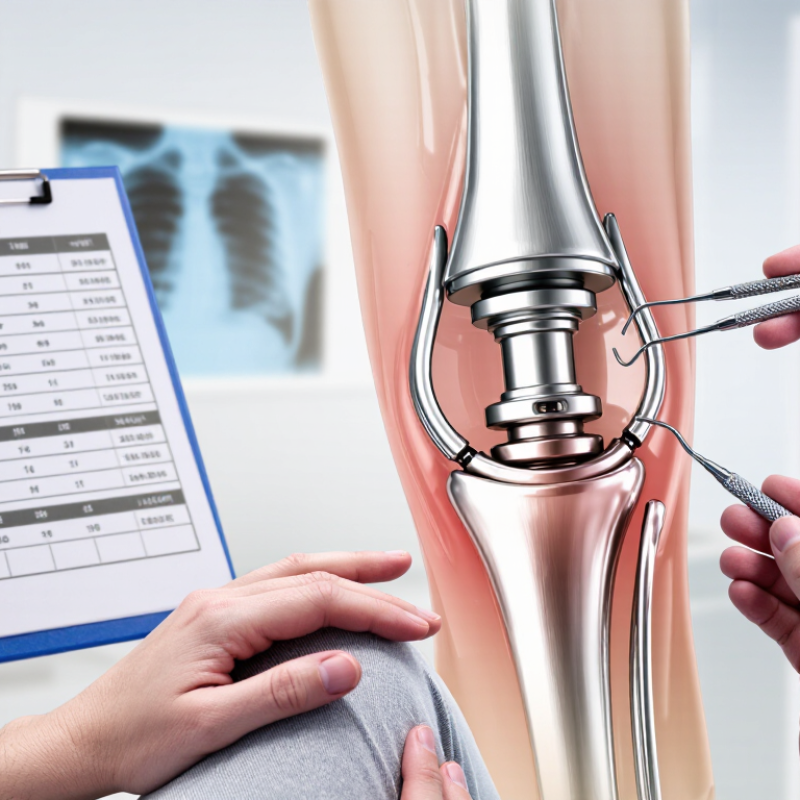
For an orthopedic implant, warranty service is more than a promise on paper. It creates a defined path for reporting a suspected defect, reviewing device records, and arranging a technical response. A hospital team may need the implant lot number, operative notes, and the date a concern was first observed. Small details matter. Forms get missed, especially years after surgery.
Clear warranty procedures can support safety by encouraging timely investigation instead of informal guesswork. Trained service staff can help verify product identifiers, explain inspection steps, and document findings for the clinical team. That record may help show whether an issue involves one device, handling, or a broader pattern. It cannot diagnose a patient or guarantee an outcome. Clinicians assess symptoms and decide what care is appropriate.
Reliability also depends on practical terms: what is covered, how quickly reports are acknowledged, and how replacement logistics work. Hospitals should keep warranty documents accessible and clarify responsibilities before a device is needed. A warranty cannot prevent every complication, and exclusions can be easy to overlook. It should not replace clinical follow-up or careful product tracking. It is a useful safety layer, though not a perfect one.
When an orthopedic implant fails, the device is only one part of the bill. Evaluation, imaging, surgeon fees, hospital care, and rehabilitation can add substantial costs. A warranty may help pay for a replacement component, but it rarely means every revision expense is covered. Details matter.
The 2019 Lancet systematic review by Evans and colleagues estimated 25-year hip implant survival at 58.4% using registry data. That figure describes population-level outcomes, not an individual patient’s prognosis. Still, it shows why long-term support deserves attention. The American Joint Replacement Registry’s 2024 Annual Report draws on more than 3.7 million hip and knee procedures, reflecting the scale of follow-up needed to understand revision patterns.
Before choosing coverage, ask for written answers:
Does it cover only the implant, or also operating-room and hospital charges?
Who pays for testing, shipping, and surgeon time?
Are wear, infection, trauma, or routine component replacement excluded?
These limits can turn reassuring wording into a much smaller benefit. A warranty cannot prevent failure or replace a clinician’s judgment, and coverage may require records or prior review. I would compare the exclusions as carefully as the promised reimbursement; that step is easy to overlook.
Orthopedic implant care does not end when a patient leaves the operating room. Follow-up may include wound checks, imaging, mobility reviews, and questions about pain or device function. When a component concern arises, clear warranty-service access can help the care team find the right contact, records, and next steps. That matters. A defined process may reduce time spent locating documents, but it cannot replace clinical judgment or guarantee faster treatment.
For example, a clinic coordinator may need implant details, an operative note, and imaging before requesting technical review. If service channels are hard to find, those tasks can compete with appointment scheduling and patient outreach. Small delays add up. Warranty terms vary, so staff should confirm coverage and response expectations. New severe pain, fever, or sudden loss of function needs prompt clinical attention, not an administrative decision. Even a well-designed process can feel clumsy when records are incomplete; that is worth reviewing after each service request.
Tips: Keep implant records and service contacts easy to locate. Note the date, concern, and person contacted. Confirm who will update the patient, and when. If no response arrives, follow up through the clinic’s established pathway.
| Reason | What Service Access Can Help With | Clinical Follow-Up to Consider | Practical Tracking Measure |
|---|---|---|---|
| 1. Faster routing of device questions | A clear service contact can direct patients and care teams to the appropriate process for product-related questions. Coverage and response procedures depend on the applicable warranty terms. | The treating clinician evaluates symptoms and decides whether an examination, imaging, or other assessment is needed. Warranty contact does not replace clinical evaluation. | Record the date a request was received, the date it was routed, and whether the patient was directed to contact their care team. |
| 2. Better access to implant identification details | Service staff may help locate device information when available. The operative report, implant record, device label, or implant card may contain identifiers useful for confirming the device involved. | Confirm the implant details in the medical record before device-specific clinical decisions are made. The FDA’s Unique Device Identification system is intended to help identify medical devices. | Track whether the device identifier and relevant operative-record details were obtained and added to the appropriate record. |
| 3. Clearer documentation of a reported concern | A defined service pathway can help capture the concern, relevant dates, available device details, and supporting documentation for appropriate review. | Document symptoms and clinical findings in the health record. Suspected device problems should be assessed by a qualified healthcare professional; reporting pathways do not establish the cause of a problem. | Track whether the concern was documented, supporting information was collected, and the case was referred for clinical review when appropriate. |
| 4. More coordinated follow-up when further review is needed | Service access can help clarify administrative steps and communicate what information is needed for a warranty inquiry, subject to the terms and conditions of the warranty. | The clinician determines the appropriate follow-up plan, including its urgency and any investigations. Patients with urgent or worsening symptoms should seek prompt medical care rather than wait for a warranty response. | Record whether a follow-up plan was communicated, who is responsible for the next step, and whether the planned contact or appointment occurred. |
| 5. A route for escalating potential safety concerns | A service channel may help direct a device concern to the appropriate organization or reporting process. In the United States, patients and healthcare professionals can submit medical-device reports through FDA MedWatch. | Clinical assessment and any safety reporting are separate actions. A report is not, by itself, proof that a device caused an injury or complication. | Track whether the concern was escalated or reported when appropriate, along with the date and the relevant reference or case number. |
| Important: Warranty coverage, eligibility, response times, and available remedies vary by device and warranty terms. Warranty service does not replace medical advice, diagnosis, or treatment. | |||
For orthopedic implants, a warranty is more than a line in a product file. It describes what the manufacturer will do if a covered defect is confirmed. That distinction matters. Terms may explain how a reported fracture is investigated. They may specify replacement parts, device costs, or both. Related expenses can be treated differently. A warranty might cover the implant itself but not the operating room, follow-up imaging, or revision procedure. The paperwork can feel abstract until a real complaint occurs.
Clear wording also assigns practical duties. A hospital may need to preserve the implant, packaging, and lot-tracking records while the manufacturer reviews technical evidence. Some warranties require prompt notice and return of the device. Others exclude damage linked to improper handling, unauthorized changes, or use outside product instructions. Small wording differences matter. Coverage does not automatically establish fault, nor does it guarantee payment for surgery, rehabilitation, or lost work. A clinician or procurement lead should check the written terms before relying on them. Asking who reports the issue, who pays shipping, and what evidence is needed can prevent confusion after an event.
Warranty terms explain the contractual process for issues such as claim review, repair or replacement, exclusions, and required documentation. They do not replace FDA reporting duties: manufacturers generally must report qualifying events within 30 calendar days, or within 5 working days when a report is required under the specific remedial-action provision. These are reporting deadlines, not warranty periods. Sources: 21 CFR §§ 803.50 and 803.53.
Reliable warranty service gives patients and care teams a clear route when implant questions arise.
Support may mean help confirming device details, understanding coverage, or arranging a timely technical response. Small details matter: a clinic should not have to search through old paperwork while a patient waits for an answer. Support is not glamorous. But it can reduce avoidable uncertainty.
The American Joint Replacement Registry’s 2024 Annual Report covered more than three million hip and knee procedures, reflecting the scale of implant care in the United States. Registry data cannot show that warranty support improves surgical outcomes. Still, it highlights why consistent records and follow-up matter across many care settings.
A useful service process should explain what documentation is needed, who responds, and when to expect an update. It should also distinguish product support from clinical advice; treatment decisions belong with the patient’s qualified clinician.
No warranty can promise pain relief or prevent revision surgery. That limitation deserves plain language, not fine print alone.
I would also question any process that makes patients repeat the same history to multiple contacts. Reliable support builds confidence by making the next step visible, even when the answer is not immediate.
Costs may include imaging, surgeon fees, hospital care, and rehabilitation. The replacement component is only one part.
Usually, a warranty may cover the implant or replacement part, not every related expense. Operating-room charges may remain separate.
Check which parts and costs are covered, plus exclusions for wear, infection, or trauma. Details matter.
No. Coverage terms may exclude surgery, rehabilitation, or lost work, even when a component is replaced.
Records, testing, and prompt notice may be required. A hospital might also need to preserve the implant and its tracking details.
The written terms should clarify these responsibilities. Ask before relying on coverage; small wording differences can matter.
A 2019 review estimated survival at 58.4% using registry data. It describes population outcomes, not one person’s outlook.
Large registries help track revision patterns across many procedures. Still, I might overread a broad statistic if I forget its limits.
Why is warranty service important for orthopedic implants? It helps support patient safety and device reliability by providing a clear process for addressing product concerns and obtaining appropriate assistance. When an implant fails or requires revision, warranty coverage may help manage eligible costs and reduce uncertainty for patients and care teams. The specific support available depends on the warranty’s terms and the circumstances of the case.
Accessible service can also encourage timely communication and clinical follow-up when concerns arise, helping patients connect with the appropriate care team without unnecessary delay. Clearly stated warranty terms explain the manufacturer’s responsibilities, coverage limits, and steps for requesting support. Together, reliable service access and transparent coverage can help patients and clinicians make informed decisions, plan for possible needs, and feel more confident throughout implant care.

Tonk Orthopedic Implants