Top 10 Reasons Orthopedic Implant User Training Matters

Time:2026-11-26 Author:Liam
0%

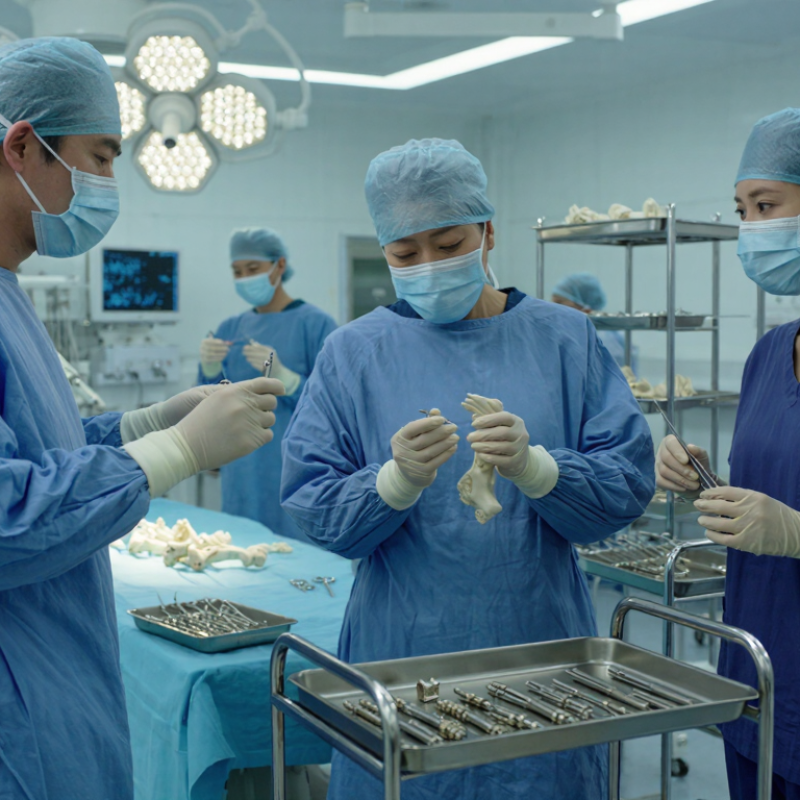
Why is professional training important for orthopedic implants users? Because an implant is only as dependable as the decisions and handling surrounding it. Surgeons, nurses, and operating-room staff must understand the device, its instruments, and the steps that support safe use. A tray opened under bright theatre lights may contain several similar components; training helps users identify the right one and follow the intended technique. Small details matter.

Orthopedic surgeon Daniel J. Berry is a relevant expert in joint replacement. The following is a paraphrase of the principle reflected in his clinical work, not a verified verbatim quotation: “Sound implant decisions depend on careful judgment, preparation, and attention to the patient.” Training supports those habits. It can help teams recognize instrument differences, prepare equipment consistently, and communicate clearly when a step needs checking. It also helps users understand the limits of a device and when to seek guidance. Training cannot prevent every complication. It can, however, reveal gaps before they become routine. That matters in a field where a misplaced component or misunderstood instruction may affect recovery. The reasons that follow examine practical benefits, from procedural consistency to risk awareness, while recognizing that training needs regular review as devices and techniques change.
Top 10 Reasons Orthopedic Implant User Training Matters

Understanding Orthopedic Implants and the Purpose of User Training

Orthopedic implants are medical devices used to support, replace, or stabilize parts of the musculoskeletal system. Examples include plates, screws, joint components, and intramedullary nails. Each has a specific design, compatible instruments, and handling requirements. They are not interchangeable. Small differences matter.

User training helps surgeons, nurses, and operating-room technicians understand how an implant system is intended to be prepared and used. A session may cover identifying components, checking sizes, arranging instruments, and maintaining a clear sterile field. A technician might practice matching a trial component to the correct instrument tray before a procedure. That practical familiarity can reduce avoidable confusion when the room is busy. Practice helps.

Training also gives teams a shared vocabulary for discussing the device and its steps. It should explain limits as well as intended use, while referring users to current device instructions and local clinical protocols. It cannot replace professional judgment or hands-on competency assessment. A single session may not be enough; unfamiliar instruments can still feel awkward under pressure. Teams need room to ask questions, revisit difficult steps, and identify where their own workflow needs improvement. That reflection is easy to skip.

Building Knowledge of Implant Selection and Patient-Specific Needs

Training in orthopedic implant selection is not just a catalog lesson. It helps care teams connect implant characteristics with a patient’s anatomy, bone quality, activity level, and treatment goals. Fit is personal. A component that suits one case may not suit another, even when diagnoses look similar.

Practical training teaches clinicians to review imaging, compare sizing options, and discuss trade-offs before surgery. A narrow canal, unusual joint shape, or fragile bone can change the plan. So can a patient’s daily routine: climbing stairs, caring for family, or returning to physical work. These details should inform discussion, not replace clinical judgment. Teams also need to understand instruments and sizing systems, then verify choices against current instructions and local protocols.

Good education leaves room for uncertainty. A checklist can reduce missed steps, but it cannot resolve every difficult case. Rushed conversations may leave important questions unasked; that gap deserves attention during training. Teams can practice explaining options in plain language and documenting why a selection fits the patient’s needs. The aim is not a perfect prediction. It is a careful decision grounded in evidence, experience, and the patient’s circumstances.

Top 10 Reasons Orthopedic Implant User Training Matters

Building knowledge of implant selection and patient-specific needs

This checklist highlights ten practical training topics, from patient-specific anatomy and implant sizing to safe instrument handling and follow-up. Each bar means the topic is included; the chart does not represent clinical outcomes or rank the topics.

Improving Surgical Technique, Device Handling, and Procedural Efficiency

Orthopedic implant training connects the device on the table with the movements required in the operating room. Surgeons and operating-room teams can rehearse instrument assembly, implant orientation, and procedural sequence before a case. Small details matter. Knowing how a locking sleeve seats, for example, can reduce pauses during fixation. Hands-on practice may also reveal awkward grips or steps that written instructions do not make obvious.

Training should use realistic instruments and representative models, with practice kept separate from patient care. Participants can work through sizing decisions, trial components, and instrument exchanges under timed, supervised conditions. Repetition can support smoother coordination, but speed should never outrank accuracy or clinical judgment. Cases vary. Anatomy, bone quality, and workflow differ, so training needs room for questions and thoughtful adjustment.

Clear, role-based instruction helps team members anticipate the next step and raise concerns early. Checklists and short post-session reviews can uncover missed steps, unclear terminology, or setup problems. Those findings should shape later practice, not replace device-specific instructions or established clinical protocols. Training is not a magic fix. Even experienced clinicians can benefit from refreshing unfamiliar techniques and reconsidering habits that may no longer serve the procedure.

Reducing Risks Through Safety, Sterility, and Complication Awareness

Top 10 Reasons Orthopedic Implant User Training Matters

Orthopedic implant training helps teams recognize risks before a procedure begins. A misplaced component or damaged sterile barrier can create serious problems. Training teaches staff to check packaging, expiration dates, and instrument condition under good lighting. It also clarifies who should handle each item and when to pause for guidance. Small details matter. A torn glove or wet package is easy to overlook in a busy room. Training cannot remove every risk, but it can make concerns easier to spot and report.

Tips: Practice opening a sterile pack without reaching across its contents. Review the device instructions and facility protocols before use. Keep implants and instruments organized on a clean, clearly marked surface. If packaging looks compromised, stop and follow the established process rather than guessing. Rehearsal can feel repetitive. That repetition helps teams respond calmly when time is tight.

Complication awareness includes knowing what changes need immediate attention, such as unexpected instrument damage or uncertainty about component identification. Clear communication supports safe decisions among the surgical team, sterile processing staff, and clinical specialists. Training should include realistic scenarios, not just slides; a mock setup can reveal awkward handoffs or confusing labels. Skills also fade, and refresher sessions may expose gaps no one expected. That is useful information, not a reason for blame.

Top 10 Reasons Orthopedic Implant User Training Matters — Reducing Risks Through Safety, Sterility, and Complication Awareness

No. Training Priority Why It Matters Essential Training Practices Risks Addressed
1 Aseptic technique and sterile-field awareness Implant surgery involves placing materials in the body. Contamination of the implant or sterile field can contribute to a surgical-site infection, so every team member must understand and protect sterile boundaries. Review sterile-field boundaries, handoffs, traffic control, and what to do if sterility is in doubt. Follow facility infection-prevention procedures. Contamination; surgical-site infection
2 Correct implant and component identification Orthopedic systems may include components in multiple sizes and configurations. Correct identification helps the team verify that the selected components match the surgical plan and applicable compatibility information. Check labels, size, side, and component compatibility against the operative plan and the applicable instructions for use before opening or assembly. Selection or assembly errors; avoidable delays
3 Instrument handling and assembly Specialized instruments support preparation, positioning, and implantation. Incorrect assembly or use can interfere with the procedure and may damage an instrument or implant component. Practice assembly and function checks using the applicable instructions. Confirm instruments are complete, in working condition, and appropriate for the planned procedure. Instrument malfunction; workflow disruption
4 Safe implant handling and protection Damage, contamination, or inappropriate handling can make an implant unsuitable for use. A clear handling process helps preserve product integrity from opening through implantation. Use the handling methods specified in the instructions for use. Avoid unapproved contact, modification, or reuse, and set aside any item with suspected damage or contamination. Product damage; contamination; inappropriate use
5 Sterilization and reprocessing knowledge Reusable instruments require cleaning, inspection, packaging, and sterilization according to validated instructions and facility policy. Inadequate reprocessing can leave soil or microorganisms on instruments. Train staff on device-specific reprocessing instructions, inspection criteria, sterilization parameters, and documentation. Do not assume all instruments share the same process. Inadequate cleaning or sterilization; infection risk
6 Understanding indications, warnings, and instructions Device-specific instructions describe intended use, limitations, warnings, and required handling. Understanding them supports appropriate use and helps teams recognize when additional clinical review is needed. Review current instructions for use before procedures, clarify unfamiliar warnings, and follow clinical judgment and institutional protocols. Use outside intended conditions; missed precautions
7 Procedure planning and team communication A shared understanding of the planned procedure, required components, and available instruments helps the team coordinate tasks and respond to changes during surgery. Use preoperative briefings, confirm equipment availability, communicate changes promptly, and follow the facility’s surgical time-out process. Communication gaps; equipment-related delays
8 Recognition of complications and warning signs Complications such as infection, wound problems, implant loosening, or fracture around an implant may require timely clinical assessment. Training helps staff recognize concerns and escalate them through the appropriate pathway. Know local escalation procedures and the signs that require prompt evaluation. Provide patient education consistent with the treating clinician’s instructions. Delayed recognition or escalation of complications
9 Traceability and documentation Recording implant and component identifiers in the patient record supports continuity of care and helps locate relevant device information if follow-up or a safety notice is needed. Document required identifiers and relevant product details in accordance with facility policy and applicable regulations. Verify records before completing the case documentation. Incomplete implant records; follow-up difficulties
10 Ongoing competency and incident learning Procedures, instruments, and team responsibilities can change. Regular refreshers and review of near misses help maintain skills and identify process improvements. Use role-based education, practical competency checks, orientation for new staff, and a non-punitive process for reporting and reviewing incidents. Skill gaps; repeated process failures

Training supports safer, more consistent processes but does not eliminate clinical risk. Always follow current device instructions, applicable regulations, and institutional policies.

Strengthening Teamwork, Regulatory Compliance, and Ongoing Competence

Orthopedic implant care is a coordinated task, not a sequence of isolated handoffs. Training helps surgeons, nurses, and support staff use shared terms for implant components, instrument trays, and workflow changes. Clear roles matter. During rehearsal, a circulating nurse can confirm the implant size aloud while a colleague checks the label and records the details. This pause can reveal a mismatch before the sterile field is disrupted. Small details count. Teams should practice speaking up, clarifying uncertainty, and raising concerns through established clinical channels. Not every simulation feels realistic, but that limitation is worth discussing.

Good training also supports compliance by making local policies, device traceability, and documentation expectations part of routine practice. Staff can rehearse recording lot or serial details, completing required checks, and reporting discrepancies according to facility procedures. Requirements vary, so teams should consult current institutional guidance and applicable regulations. Records matter. Competence needs upkeep. Brief refreshers after protocol changes, role changes, or long gaps can help keep skills current. Attendance alone is weak evidence of readiness; observation, questions, and feedback can reveal where understanding remains uncertain. That takes time. Training can feel repetitive, and poorly timed sessions may strain staffing. An honest review of near misses and awkward handoffs can shape more useful practice next time.

FAQS

What are orthopedic implants?

They support, replace, or stabilize parts of the musculoskeletal system. Examples include plates, screws, joint components, and intramedullary nails.

Why do medical teams need implant training?

Training helps staff identify components, check sizes, and arrange instruments. Practice can reduce confusion when the operating room is busy.

Does training replace professional judgment?

No. It supports learning but cannot replace professional judgment, current device instructions, local protocols, or hands-on competency assessment. One session may not be enough.

What safety checks should training cover?

Teams should check packaging, expiration dates, and instrument condition. A torn glove or wet package can be easy to miss. Pause if something seems wrong.

How can teams practice maintaining a sterile field?

They can rehearse opening a sterile pack without reaching across its contents. Keep items organized on a clean, clearly marked surface.

How does training improve teamwork?

Teams can practice using shared terms and confirming details aloud. For example, one staff member checks an implant size while another verifies the label.

What should staff do when a component or instrument is uncertain?

Pause, communicate the concern, and follow established clinical channels. Guessing is not a good substitute for clarification.

How can training support documentation and traceability?

Staff can practice recording lot or serial details and reporting discrepancies according to facility procedures. Requirements vary, so current institutional guidance matters.

How often should teams refresh their skills?

Refreshers may help after protocol or role changes, or long gaps. Attendance alone is weak evidence of readiness. Awkward handoffs deserve review, too.

Conclusion

Orthopedic implants require careful selection, handling, and placement to support safe, effective patient care. Professional user training helps clinicians understand different implant types and match them to each patient’s anatomy, condition, and treatment needs. It also develops familiarity with device features, surgical techniques, and procedural steps, helping teams work efficiently and make informed decisions during surgery.

Why is professional training important for orthopedic implants users? It helps reduce avoidable risks by reinforcing sterile practices, safe device handling, and awareness of potential complications. Training also strengthens communication among surgical team members and supports consistent adherence to applicable clinical and regulatory requirements. Because devices, techniques, and professional responsibilities can evolve, ongoing education is essential for maintaining competence and delivering responsible, patient-centered care.

Liam

Liam

Liam is a dedicated marketing professional with a profound expertise in the industry, where he excels at highlighting the unique advantages of our core products. With a keen understanding of market trends and consumer needs, Liam frequently updates our company’s professional blog, providing......