In the rapidly evolving field of orthopedic implants, product innovation is crucial. The orthopedic device market is expected to surpass $53 billion by 2027, according to Grand View Research. This growth highlights the increasing need for effective solutions. But why is product innovation important for orthopedic implants?
Advancements in materials and design lead to better patient outcomes. Innovations such as 3D printing and smart implants enhance the functionality and lifespan of these devices. A study published in the Journal of Orthopedic Research indicated that modern implants can reduce surgery time and recovery periods by up to 30%. These improvements are vital as they directly impact patient satisfaction.
However, not all innovations are successful. Some advanced products see low adoption rates due to cost or complexity. This underscores the importance of targeted research and development. The focus should not only be on novelty but also on usability and long-term reliability. Balancing innovation with practicality can pave the way for a more effective future in orthopedic care.
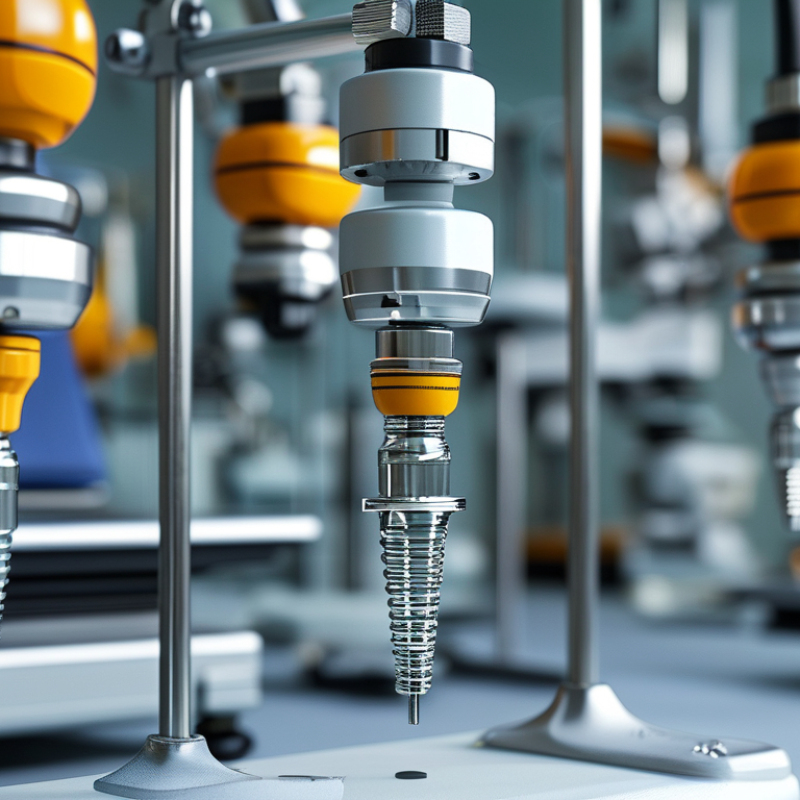
Product innovation plays a vital role in the field of orthopedic implants. As new technologies emerge, the demand for improved patient outcomes drives the need for innovative solutions. In orthopedic surgery, effective implants must not only support recovery but also enhance mobility. This is where product innovation becomes critical.
New materials and designs can significantly reduce the risk of infection and improve integration with bone. Surgeons need robust options that respond to varying anatomical needs. Additionally, patient-specific implants can lead to better fitting and fewer complications during recovery. Surgeons often find themselves navigating through outdated designs, which may lead to prolonged rehabilitation.
When considering new orthopedic solutions, opt for those backed by research and clinical studies. Innovation should lead to increased longevity of implants. Engaging with progressive manufacturers can offer insights into upcoming trends. While innovation is essential, it’s equally important to reflect on the balance between advanced technology and patient safety. Not all innovations guarantee success, and some may even introduce unforeseen risks.
Always review case studies and seek expert opinions before adopting new technologies. Patient feedback is invaluable in understanding real-world applications. Ensuring the reliability of innovative products can greatly influence overall surgical success.
Orthopedic implants have evolved significantly over recent years. Innovative materials and design enhancements are at the heart of these changes. Advanced technologies, such as 3D printing and improved biomaterials, allow for more effective solutions tailored to individual patients. These developments aim to improve the healing process, reduce complications, and increase mobility.
Patient outcomes hinge on implant technology. A well-designed implant can lead to faster recovery and better quality of life. Patients benefit from implants that integrate more seamlessly with bone tissue. Some newer implants even feature drug delivery systems that release medication directly at the site to aid healing. However, these advancements come with challenges. The complexity of new materials sometimes requires extensive testing. Not all innovations translate into better outcomes for all patients, and careful evaluation is essential.
Surgeons face the task of staying updated with new advancements. The constant evolution of technology makes it vital for healthcare professionals to adapt. An innovative implant may not fit every patient's needs. There’s a delicate balance between technological progress and patient-specific factors. Continuous research and clinical insights are crucial to improving orthopedic outcomes.
Research and development (R&D) play a crucial role in the innovation of orthopedic implants. Continuous advancements in materials and technology lead to improved patient outcomes. For example, biocompatible materials reduce rejection rates significantly. Enhanced design processes help ensure better fit and functionality. In this context, healthcare professionals must prioritize staying updated with recent R&D breakthroughs.
Effective collaboration among engineers, surgeons, and researchers drives innovation. This teamwork fosters an understanding of clinical needs. Feedback from surgeons can lead to improvements in device design. The iterative process of prototyping and testing allows for quick adjustments based on outcomes. Iterations often reveal unexpected challenges that need to be addressed.
Keep an eye on emerging trends in device technology. These can include robotic-assisted surgeries or 3D-printed implants. Both trends enhance precision and customization. Another area of focus is patient-reported outcomes, which provide valuable insights. Monitoring these outcomes helps identify areas requiring further research. Exploring diverse perspectives can lead to a more holistic approach to innovation.
Innovation in orthopedic implants is essential for maintaining market competitiveness. According to a recent report by Medtech Innovation, 75% of surgeons prefer devices that demonstrate novel features. These features often include improved materials that enhance biocompatibility. As a result, companies that prioritize product innovation can attract a broader customer base.
The orthopedic implant market is projected to grow significantly, estimated at over $50 billion by 2028. This growth underscores the need for innovation as a key differentiator. Companies lacking in innovative capabilities may struggle. They risk losing relevance in a fast-evolving market. It’s crucial for businesses to not only keep pace but also lead in technological advancements.
However, not all innovations meet the high expectations of healthcare professionals. Feedback from orthopedic surgeons indicates that some new devices lack reliability. This poses a challenge for manufacturers. Ensuring that innovations translate into real-world benefits is vital for success. Companies must listen closely to surgeons and adapt accordingly.
| Reason | Description | Impact on Market Competitiveness |
|---|---|---|
| 1. Enhanced Patient Outcomes | Innovative implants improve recovery times and functional results for patients. | Increased demand among healthcare providers and patients. |
| 2. Regulatory Compliance | Embracing innovation helps companies meet evolving regulatory challenges. | Sustaining market access and reducing the risk of penalties. |
| 3. Cost Reduction | New materials and manufacturing techniques can lower production costs. | Improved profit margins and competitive pricing strategies. |
| 4. Customization | Innovative designs allow for more tailored solutions to patient needs. | Building stronger relationships with surgeons and healthcare systems. |
| 5. Competitive Edge | Innovation differentiates products in a crowded market. | Attracting more customers and retaining existing ones. |
| 6. Long-term Sustainability | Continuous innovation protects against market obsolescence. | Ensuring longevity and relevance in the industry. |
| 7. Technological Advancements | Integrating advanced technologies like 3D printing and robotics. | Expanding operational capabilities and production efficiency. |
| 8. Global Market Reach | Innovative products are better suited for international markets. | Gaining access to emerging markets and new revenue streams. |
| 9. Collaboration Opportunities | Innovative projects often attract partnerships with research institutions. | Enhancing credibility and resource sharing in development. |
| 10. Boosting Employee Morale | Engaging in innovation fosters a creative workplace culture. | Attracting and retaining top talent within the industry. |
The landscape of orthopedic implants is shifting towards smarter and more efficient solutions. Technological advancements are at the forefront of this evolution. Cutting-edge materials and designs promise better compatibility with the human body. Innovative options, such as 3D printing and bioresorbable implants, are gaining popularity. These methods can reduce surgical times and hospital stays.
As orthopedic solutions evolve, user feedback is vital. Surgeons and patients must share their experiences for improvements. Such input can lead to breakthroughs in design and function. However, there is a challenge. The rapid pace of innovation can sometimes outstrip regulation. This creates potential risks that should not be overlooked.
Future orthopedic solutions will likely emphasize customization. Tailored implants may lead to better outcomes. However, ensuring consistency across the board remains a concern. Manufacturers must balance innovation with reliability. Ultimately, ongoing collaboration among stakeholders is crucial. This journey towards better orthopedic care continues, with many lessons yet to learn.
: They improve healing processes and increase mobility. Tailored designs lead to faster recovery and better life quality.
Technologies like 3D printing enable customization. This allows for a better integration with bone tissue, improving overall outcomes.
No, not all innovations yield better outcomes for every patient. Careful evaluation is essential to ensure effectiveness.
Technology evolves rapidly. Surgeons must stay updated to choose implants that truly benefit their patients.
Some innovations fail to meet expectations. Feedback from surgeons is crucial but sometimes lacks reliability.
The market is projected to exceed $50 billion by 2028. Innovation will be key for companies to remain competitive.
Not every implant suits all patients. Balancing technology and individual needs is critical for positive outcomes.
It helps manufacturers understand surgeons' needs. Adapting products based on this feedback can lead to better innovations.
Yes, the complexity of new materials requires thorough testing. Innovations must prove reliable to be trusted in practice.
Patients should understand that advancements vary in effectiveness. Consulting with healthcare providers is essential for informed choices.
Product innovation plays a crucial role in the field of orthopedic implants, significantly enhancing patient outcomes through advanced technologies that improve functionality and comfort. By constantly evolving the materials and designs used in implants, medical professionals can offer solutions that better meet the needs of patients, ultimately leading to faster recovery times and improved quality of life.
Moreover, a strong focus on research and development is essential for fostering innovation, allowing companies to stay ahead in a competitive market. As the landscape of orthopedic solutions evolves, understanding "why is product innovation important for orthopedic implants" becomes increasingly critical. It not only serves as a key differentiator among providers but also addresses emerging trends and patient needs, ensuring that the industry continues to advance and provide effective, cutting-edge solutions.

Tonk Orthopedic Implants