Why Is the Orthopedic Implant Supply Chain Unstable?

Time:2026-10-11 Author:Isabella
0%

Why Is the Orthopedic Implant Supply Chain Unstable?

What affects the stability of orthopedic implants supply chain? The answer reaches beyond factory output. It includes raw-material access, specialized machining, sterilization capacity, transport reliability, regulatory controls, and hospital forecasting. A single delay can leave titanium components waiting beside a loading dock. It can also postpone a patient’s scheduled procedure.

David Simchi-Levi, an MIT supply-chain expert, has said, “The key to managing risk is not to eliminate it, but to understand it.” His observation fits orthopedic manufacturing closely. Implants require strict specifications, documented traceability, and consistent quality. These safeguards protect patients, but they can reduce flexibility when suppliers fail. A shortage of medical-grade titanium, cobalt-chromium alloy, or packaging materials may affect several production stages. Limited supplier qualification can make recovery slower.

Experience from healthcare procurement shows another weakness. Demand is rarely perfectly predictable. Hospitals may change surgical schedules after staffing shortages, emergency cases, or budget reviews. Manufacturers then face uneven orders and costly inventory decisions. More stock seems safer. It is not always practical.

The supply chain also depends on specialized workers and validated equipment. A machine failure may require weeks, not hours, to resolve. Weather, port congestion, and geopolitical tension add further pressure. These risks are visible, but their combined impact is harder to measure.

Some explanations oversimplify the problem. Reshoring alone will not guarantee stability. Digital tracking alone will not solve weak supplier relationships. A stronger approach combines qualified backup suppliers, transparent forecasting, realistic safety stock, and regular risk reviews. The industry still has blind spots. Recognizing them is part of building a safer and more dependable orthopedic implant supply chain.
Why Is the Orthopedic Implant Supply Chain Unstable?

What Is the Orthopedic Implant Supply Chain?

Why Is the Orthopedic Implant Supply Chain Unstable?

What Is the Orthopedic Implant Supply Chain?

The orthopedic implant supply chain is a connected path, not a single warehouse. It begins with raw materials such as titanium, cobalt alloys, polymers, and surgical-grade ceramics. Engineers then design implants, while manufacturers machine, clean, inspect, sterilize, and package them. Distributors move products to hospitals, where surgeons select sizes for individual patients. Lot numbers and electronic records support traceability throughout this process. A missing document can delay an otherwise finished implant.

The system becomes unstable when one link slows down. A supplier may face limited machining capacity, energy costs, transport delays, or stricter quality checks. Hospitals also change orders quickly when surgical schedules shift. Small implants may require specialized tools and trained technicians, making replacement difficult. In practice, a delayed material shipment can affect production weeks later. Demand forecasts are useful, but they are never perfect. That uncertainty deserves attention.

Tips: Track supplier lead times, quality holds, and inventory by implant size. Keep verified alternatives, but do not treat substitution as automatic. Confirm regulatory records before releasing any replacement product. Review usage data with surgeons and operating-room staff. Their practical feedback can reveal shortages earlier than spreadsheets. Mistakes still happen, so document them honestly and improve the process.

Which Materials and Components Are Essential for Implant Production?

Orthopedic implants depend on more than finished metal parts. Titanium alloy Ti-6Al-4V ELI supports many stems, plates, and screws because it combines strength with biocompatibility. Cobalt-chromium-molybdenum offers high wear resistance for load-bearing components. Stainless steel 316L remains useful for selected fixation devices. PEEK, ultra-high-molecular-weight polyethylene, alumina, and zirconia serve in radiolucent or low-friction applications. Porous titanium and tantalum can encourage bone ingrowth, but their complex manufacturing requires strict control. Grand View Research estimated the global orthopedic devices market at about USD 47 billion in 2023. That scale makes small material delays surprisingly disruptive.

The supply chain also needs precision components. These include locking screws, porous coatings, bearings, bone cement, instrument trays, sterile barriers, and validated packaging. The USGS Mineral Commodity Summaries 2024 reported that the United States was 100% import-reliant on titanium sponge in 2023. That dependency affects lead times, qualification planning, and inventory costs. ASTM F136 titanium, medical-grade polymers, and ceramic powders require traceability from melt or resin batch to final implant. A spreadsheet may look complete while one missing coating batch stops production. We sometimes focus too much on alloy prices, while packaging or sterilization capacity causes the real delay.

Tips: Qualify at least two approved material sources where possible. Keep certificates, heat numbers, and inspection records linked electronically. Review powder size, porosity, surface roughness, and mechanical test results. Do not treat packaging as an afterthought. It protects sterility until clinical use. Supplier audits should examine actual process controls, not only polished documents.

How Are Orthopedic Implants Manufactured and Distributed?

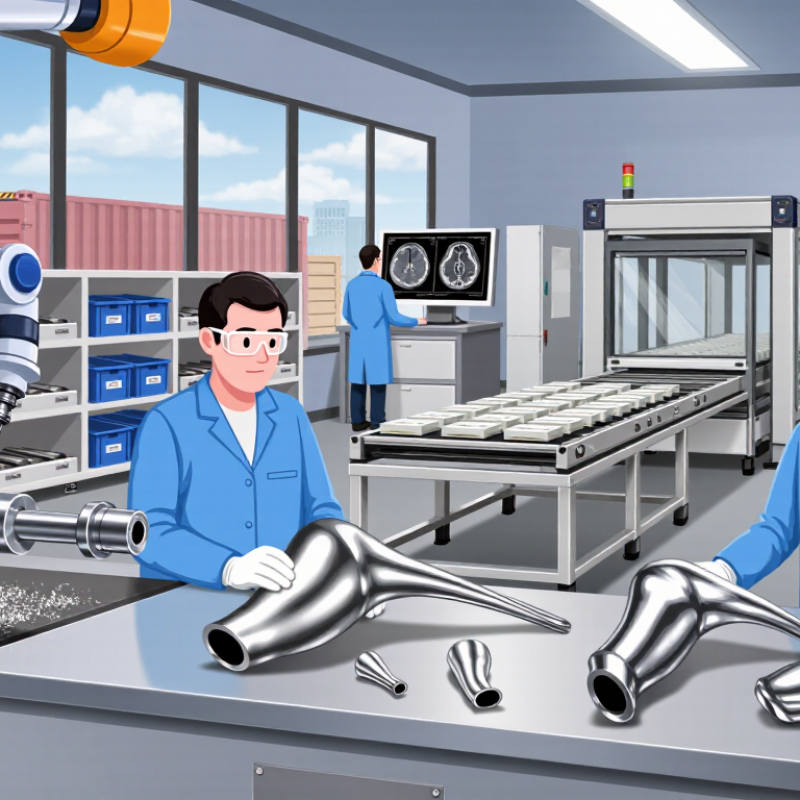
Orthopedic implants move through a tightly controlled, but vulnerable, supply chain. Manufacturing often begins with certified metal, ceramic, or polymer materials. Engineers review material certificates before production starts. Computer-controlled machines then shape screws, plates, joints, or spinal components. Each surface may require polishing, coating, or heat treatment. Small defects can affect fit, strength, or long-term performance.

Quality teams inspect dimensions with precision gauges and imaging equipment. They also record lot numbers, machine settings, and inspection results. Cleaning and sterilization follow validated procedures. Packaging must protect the implant from moisture, particles, and handling damage. The process is controlled, but not perfectly smooth. A delayed raw material can stop several production stages.

Distribution adds another layer of risk. Finished implants usually move through approved warehouses, specialized medical distributors, and hospital inventory systems. Shipment records support traceability from the factory to the operating room. Hospitals may request unusual sizes with little notice, especially for trauma procedures. This creates pressure for manufacturers to hold larger inventories. Transport delays, changing surgical schedules, and inaccurate forecasts can still cause shortages. A small planning error may leave one size unavailable while other sizes remain untouched. Better data sharing helps, although data alone cannot solve every capacity problem. Manufacturers must balance safety stock, production flexibility, and strict quality controls without treating speed as the only measure of reliability.

Why Is the Orthopedic Implant Supply Chain Unstable?

How Are Orthopedic Implants Manufactured and Distributed?

Orthopedic implants typically move through several controlled stages, including material procurement, precision machining, surface treatment, sterilization, quality release, and distribution. The estimated elapsed-time benchmark shows why shortages can occur: delays in raw materials, specialized processing, regulatory inspection, or final release can affect every downstream stage. Actual lead times vary by implant type, material, production volume, sterilization method, and destination-market requirements.

Data basis: non-company-specific planning benchmarks representing commonly reported orthopedic-device manufacturing and distribution workflows. Values are shown in calendar days.

What Factors Make the Supply Chain Unstable?

Why Is the Orthopedic Implant Supply Chain Unstable?

What Factors Make the Supply Chain Unstable?

Orthopedic implant supply chains depend on specialized metals, precision machining, sterilization, and strict quality release procedures. Each stage can create delay. A shipment may arrive on time, yet production can still stop because one component fails inspection.

Material availability is a major pressure point. Titanium and cobalt-based alloys require consistent quality and documented traceability. Mining interruptions, transport restrictions, or sudden energy costs can affect supply. Many manufacturers also rely on a limited number of qualified suppliers. That concentration creates vulnerability. Small delays matter.

Demand is difficult to predict. A hospital may schedule more trauma procedures after a seasonal accident increase. Another facility may postpone elective surgeries because of staffing shortages. These changes can quickly disrupt inventory plans. Forecasts fail. Overstocking ties up capital, while low stock can delay procedures and increase emergency shipping.

Quality requirements add another layer of uncertainty. A small change in dimensions, packaging, or sterilization records may require further review. Experienced procurement teams monitor supplier capacity, batch records, delivery history, and backup sources. However, no dashboard captures every risk. Human judgment remains important, and it is not always consistent. Better communication between hospitals, distributors, manufacturers, and quality teams can expose problems earlier, but communication itself is often fragmented.

How Can the Orthopedic Implant Supply Chain Become More Resilient?

Orthopedic implant supply chains become resilient when hospitals treat them as clinical systems, not simple purchasing networks. A delayed screw, bearing, or instrument tray can postpone surgery within hours. Resilience starts with mapping every critical item, from raw material processing to sterilization and final delivery. Visibility matters. Teams should record supplier locations, transport routes, lead times, and substitute specifications in one controlled system.

Dual sourcing can reduce dependence on one factory, but it requires careful qualification. Engineers and surgeons must confirm material properties, dimensions, packaging, and compatibility before an alternative enters routine use. Regional suppliers may shorten transport risks, while limited safety stock can protect urgent procedures. Stockpiling everything is not practical. It can also hide poor forecasting.

Demand data should combine scheduled operations with seasonal injury patterns and local referral changes. Monthly reviews can expose unusual order growth before shelves become empty. Supplier audits should examine capacity, quality controls, sterilization records, and recovery plans after equipment failure. Lot-level traceability supports faster investigation when a defect appears.

Plans fail.

A resilient network also needs rehearsals. Hospitals can test a simulated shipment delay and measure how quickly staff identify substitutes, contact suppliers, and protect patients. No model predicts every disruption. Some contingency plans will prove expensive or incomplete, and that weakness deserves honest review rather than polished reporting. Reliable resilience grows through documented lessons, shared accountability, and repeated improvement.

FAQS

What is the orthopedic implant supply chain?

It is a connected path from raw materials to the operating room. It includes design, machining, cleaning, inspection, sterilization, packaging, distribution, and hospital storage. Lot numbers and electronic records support traceability. One missing document can delay a finished implant.

Which materials are commonly used for orthopedic implants?

Common materials include titanium, cobalt-based alloys, polymers, and surgical-grade ceramics. Engineers review material certificates before production. Consistent quality matters. A material shipment can arrive late or fail inspection.

How are orthopedic implants manufactured?

Computer-controlled machines shape screws, plates, joints, and spinal components. Surfaces may need polishing, coating, or heat treatment. Quality teams check dimensions with precision gauges and imaging equipment. Small defects can affect fit or strength.

How do implants reach hospitals?

Finished products move through approved warehouses, medical distributors, and hospital inventory systems. Shipment records connect the factory with the operating room. Hospitals may request unusual sizes with little notice. Trauma schedules can change quickly.

Why does the supply chain become unstable?

One delayed link can affect the entire process. Limited machining capacity, transport problems, energy costs, and stricter inspections may slow production. A delayed material shipment can disrupt several stages weeks later. Small delays matter.

Why are implant shortages difficult to manage?

Implants often require specific sizes, tools, and trained technicians. One missing size may delay a procedure while other sizes remain unused. Emergency shipping can help, but it costs more. Substitution should never be automatic.

How do hospitals and manufacturers reduce supply risks?

They can monitor lead times, quality holds, inventory levels, and supplier performance. Verified alternatives may provide flexibility. Regulatory records must be confirmed before releasing replacement products. Better communication helps, though it cannot solve every capacity problem.

Are demand forecasts reliable for orthopedic implants?

Forecasts are useful, but never perfect. Trauma procedures may rise after seasonal accidents. Elective surgeries may be postponed because of staffing shortages. Overstocking ties up money, while low stock can delay care. The balance remains difficult.

Conclusion

The orthopedic implant supply chain connects raw material suppliers, component manufacturers, machining facilities, sterilization providers, hospitals, and distribution networks. Essential inputs include titanium alloys, stainless steel, cobalt-based materials, polymers, ceramics, packaging materials, and specialized components such as screws, plates, joints, and surgical instruments. Production requires precise design, machining, forming, surface treatment, inspection, sterilization, and controlled distribution to ensure that implants meet strict quality and performance requirements.

What affects the stability of orthopedic implants supply chain includes raw material shortages, transportation delays, limited manufacturing capacity, changing healthcare demand, energy and labor costs, quality-control requirements, and unexpected disruptions such as natural disasters or public health emergencies. Dependence on a small number of qualified suppliers can increase these risks. A more resilient supply chain can be developed through diversified sourcing, stronger supplier cooperation, regional production capabilities, accurate demand forecasting, strategic inventory, digital tracking, and regular contingency planning. These measures can improve continuity, transparency, and responsiveness while maintaining patient safety and product quality.

Isabella

Isabella

Isabella is a dedicated marketing professional with a sharp focus on driving brand growth and engagement through strategic content creation. With an extensive background in digital marketing, she combines her passion for storytelling with her keen understanding of industry trends to deliver......