Product innovation is essential in the orthopedic implant industry. As the global orthopedic market reaches $59 billion and is projected to grow at a CAGR of 5.7% by 2025, understanding "Why is product innovation important for orthopedic implants" is crucial. It drives advancements in materials, designs, and techniques, ultimately enhancing patient outcomes.
In recent years, the demand for personalized implants has surged. Reports indicate that 60% of patients prefer custom solutions tailored to their anatomy. Innovations such as 3D printing and bioresorbable materials are redefining surgical approaches. They provide better integration with bone and reduce recovery times. However, the challenge remains: how to keep innovating while maintaining safety and efficacy standards.
The orthopedic community must also reflect on past innovations. While many have brought success, some products faced recalls due to unforeseen complications. This highlights the importance of thorough testing and feedback. Ultimately, continuous improvement is necessary to ensure that orthopedic implants meet the evolving needs of patients and healthcare providers.
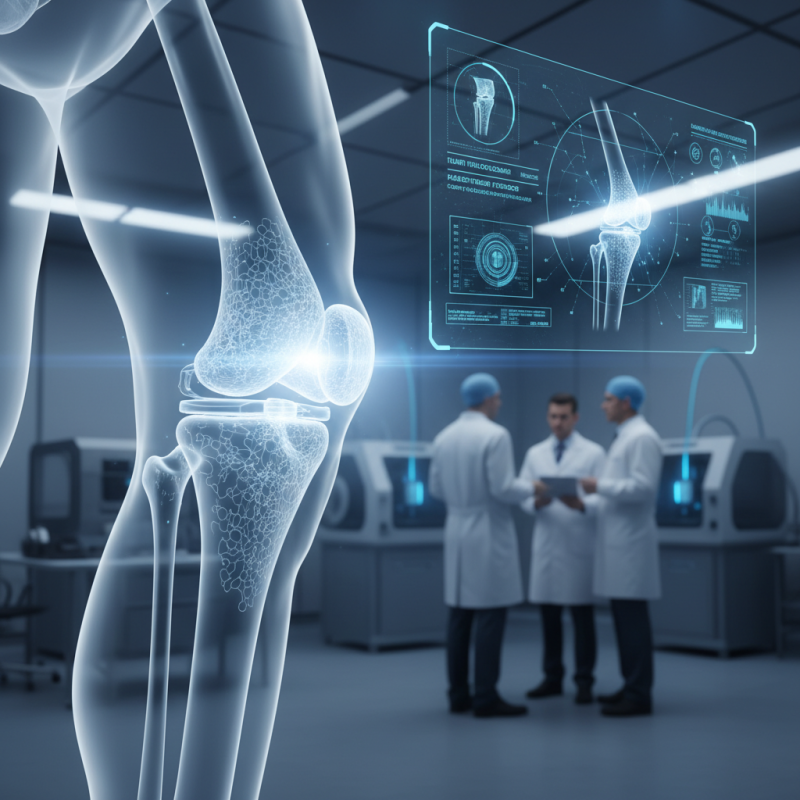
In orthopedic surgery, product innovation plays a pivotal role. New technologies and materials can enhance patient recovery and improve surgical outcomes. For instance, advanced polymers and 3D printing are transforming joint replacements. Surgeons now have more options tailored to individual anatomical needs. This customization leads to better fit and function.
**Tip:** Always consider the latest research when selecting implants. This can reveal breakthroughs that improve longevity and comfort. Today’s patients expect more from orthopedic solutions, pushing the industry toward continuous innovation.
Another noteworthy aspect involves patient feedback. Understanding the user experience can help developers refine their products. However, many companies still overlook important insights from patients. Addressing these gaps is crucial for creating effective designs that truly meet needs.
**Tip:** Encourage open dialogues with patients. Their insights can guide improvements in product design. Focusing on these details can lead to significant advancements in orthopedic care.
Orthopedic implants face various challenges that traditional designs struggle to address. One major issue is the mismatch between implant materials and human bone. For instance, studies show that the elasticity of natural bone varies significantly. Current titanium implants do not always align well, leading to stress shielding. This can slow healing and increase fracture risks.
Moreover, infection rates remain a concern. Recent reports indicate that about 2-5% of patients develop post-operative infections after implant surgeries. Traditional designs often overlook surface coatings that could mitigate this risk. While advances in antimicrobial materials show promise, they are not widely incorporated in existing products.
Another challenge is the limited adaptability of standard designs. Many implants are not customizable, leading to improper fit for certain patients. Research indicates that around 30% of patients experience dissatisfaction with implant performance. This gap reveals a growing need for innovation in orthopedic technology. The industry must prioritize developing personalized solutions rather than adhering to outdated standards.
Advancements in materials and technology play a significant role in orthopedic implant innovation. New materials such as biocomposites and advanced polymers offer better compatibility with the human body. These materials reduce rejection rates and improve healing times. For instance, some implants now use materials that integrate better with bone tissue. This results in stronger connections between the implant and natural bone.
Technology in manufacturing also enhances implant performance. Techniques like 3D printing allow for customized implants tailored to individual patients. This personalization improves fitting and functionality. However, there are challenges. Not every new material or technology has been thoroughly tested. Risks arise when innovations are rushed to market without adequate research. As a result, ongoing evaluation and adjustment of these advancements are essential to ensure patient safety and effectiveness. The balance between innovation and reliability is crucial in this field.
Product innovation plays a critical role in orthopedic implants, especially regarding patient outcomes and recovery. New technologies lead to improved materials and designs, enhancing comfort and functionality. For instance, lighter implants reduce stress on bones and allow for quicker mobility. Patients often report less pain and faster recovery with these innovations.
However, the journey isn't always perfect. Not every new product meets clinical expectations. Sometimes, an innovative design may not integrate well with existing surgical techniques. Surgeons must adapt to these changes, which can affect initial outcomes. Continuous feedback from the medical community is essential for refining these products.
Ultimately, innovation in orthopedic implants can lead to significant improvements in patients' lives. Enhanced performance is just as important as understanding the implications of each new design. Ongoing assessment and collaboration among engineers, surgeons, and patients can lead to better solutions and ultimately improve recovery times and experiences.
Product innovation in orthopedic implants is not just a trend; it's essential for improving patient outcomes. As technology advances, the demand for better, more efficient implants grows. Innovations like 3D printing and smart materials are setting the stage for the future of this field. Such technologies enhance customization, allowing implants to fit individual patient needs more effectively.
Tips: Emphasize the role of patient feedback in the development process. User experiences can guide innovation, addressing real-world challenges.
Another significant trend is the incorporation of biocompatible materials. These materials improve acceptance by the body, reducing complications and enhancing healing. Surgeons are now looking for implants that integrate better with biological tissues. Continuous research is crucial to exploring these materials and their long-term effects.
Tips: Collaborate with multidisciplinary teams during product development. Bringing together various experts can spark new ideas. This approach often leads to unexpected breakthroughs that push the boundaries of what's possible in orthopedic surgery.
Moreover, sustainability is becoming an essential aspect of innovation. The orthopedic industry is seeking environmentally friendly materials and processes. Balancing effectiveness with ecological responsibility is a challenge yet to be fully addressed. This evolution requires ongoing reflection and adaptation to minimize the environmental impact.
| Dimension | Current Trends | Future Innovations | Impact on Healthcare |
|---|---|---|---|
| Material Science | Use of bioresorbable materials | Smart materials for enhanced integration | Reduced need for secondary surgeries |
| Surgical Techniques | Minimally invasive procedures | Robotics-assisted surgeries | Faster recovery times |
| Customization | 3D printing for personalized implants | AI-driven design customization | Improved patient outcomes |
| Data Integration | Telemedicine for patient monitoring | Blockchain for implant tracking | Enhanced safety and accountability |
| Regulatory Compliance | Stricter testing procedures | Faster approval processes with real-world evidence | Accelerated innovation and market access |
: New materials improve compatibility, reduce rejection rates, and enhance healing times. They integrate well with bone tissue.
Technologies like 3D printing allow for customized implants, improving fit and functionality for individual patients.
Rushed innovations may lack thorough testing, posing risks to patient safety and effectiveness.
User experiences guide innovation, helping to address real-world challenges faced by patients.
These materials enhance acceptance by the body, minimize complications, and promote better healing outcomes.
Bringing together experts from different fields can lead to unexpected breakthroughs and innovative solutions.
Balancing effectiveness with environmental responsibility requires ongoing reflection and adaptation in materials and processes.
Continuous research is essential to explore the long-term effects and complications of these materials.
The demand for more efficient, customized implants will drive innovations in technology and materials.
It must adapt to new challenges, ensuring innovation does not compromise patient safety or environmental sustainability.
Product innovation is crucial for orthopedic implants due to the evolving needs of patients and advancements in medical technology. Traditional implant designs face numerous challenges, including limitations in biocompatibility and durability. As such, innovative approaches focusing on new materials and cutting-edge technology are essential for enhancing the functionality and longevity of implants.
Moreover, product innovation significantly impacts patient outcomes and recovery times, providing solutions that result in less invasive procedures and improved healing processes. As the field advances, future trends will likely emphasize further integration of smart technologies and personalized medicine, ensuring that innovation continues to play a vital role. Understanding "why is product innovation important for orthopedic implants" ultimately highlights its necessity in improving healthcare quality and patient satisfaction.

Tonk Orthopedic Implants