Why is Hygiene Control Crucial in Orthopedic Implants Production?

Time:2026-05-03 Author:Isabella
0%

Hygiene control plays a pivotal role in the production of orthopedic implants. These devices are often implanted in patients to aid recovery from injuries or surgeries. Infections associated with implants can lead to severe complications. That underscores the query: why is hygiene control important in orthopedic implants production?

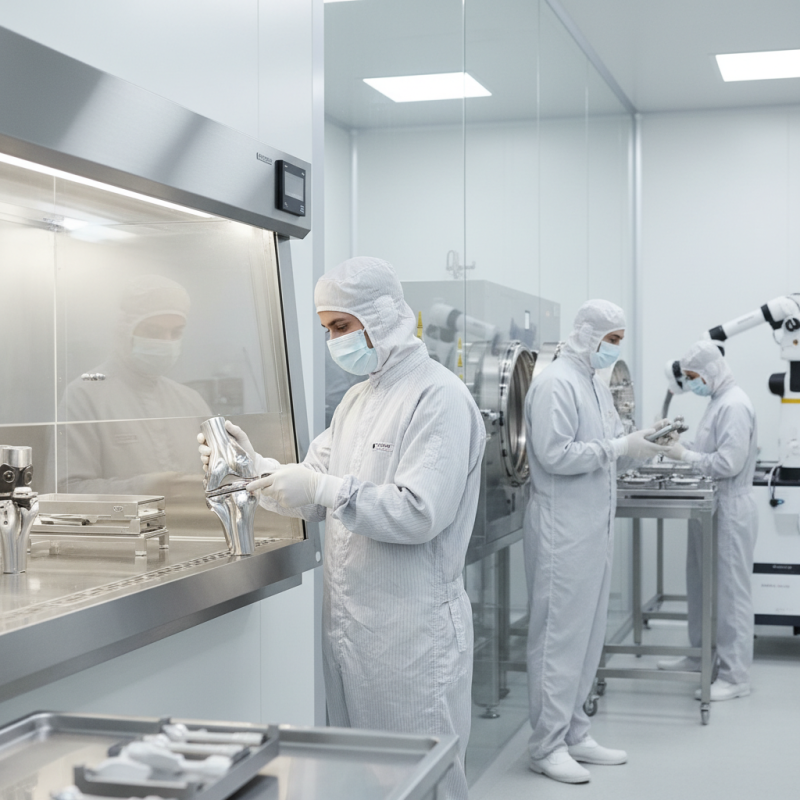
The manufacturing environment must be meticulously cleaned. Even minor contamination can compromise an implant's integrity. Workers must follow strict protocols. Proper handwashing and sterilization of tools are critical. Each step in the production process requires careful monitoring.

Despite stringent measures, lapses can occur. Human error is a constant risk. Reflecting on past incidents can help improve current practices. Companies must focus on training personnel thoroughly. A culture of hygiene should be ingrained at every level. Maintaining high standards is not just a matter of compliance; it is about patient safety.
Why is Hygiene Control Crucial in Orthopedic Implants Production?

The Importance of Hygiene Control in Medical Device Manufacturing

Hygiene control in medical device manufacturing, particularly for orthopedic implants, is essential. Contaminants can lead to infections. Infections can complicate surgeries and affect patient recovery. A small mistake in hygiene can have significant consequences.

Tips: Ensure all surfaces and tools are sterilized regularly. Use disposable equipment whenever possible. This practice minimizes contamination risks. Also, train staff on hygiene protocols regularly.

Manufacturers need to create a clean environment. Cleanrooms are vital in this industry. They prevent airborne particles from contaminating implants. However, it is not enough just to have cleanrooms. Regular audits and checks must be conducted. This ensures that everyone adheres to hygiene standards and protocols.

Tips: Engage in continuous training for all staff members regarding best hygiene practices. Create a culture of hygiene where employees are encouraged to share concerns about cleanliness. This can lead to improvements in overall hygiene control.

Understanding Microbial Risks in Orthopedic Implant Production

Hygiene control plays a pivotal role in the production of orthopedic implants. Microbial contamination can lead to serious complications in patients, such as surgical site infections (SSI). According to a study published by the Journal of Orthopedic Research, nearly 2-5% of orthopedic surgeries result in an infection. This underscores the importance of understanding microbial risks associated with implant manufacturing.

The production environment is a significant factor in microbial contamination. Cleanrooms are essential for maintaining hygiene, yet studies show that 30% of orthopedic implant facilities do not meet necessary cleanliness standards. Bacterial biofilms can form on implants, complicating treatment and leading to increased revision surgeries. The cost of treating infections can exceed $70,000 per patient, highlighting the financial implications of inadequate hygiene control.

Training staff on hygiene practices is crucial but often overlooked. Researchers indicate that only 48% of manufacturing personnel receive sufficient training on microbial risks. This gap reveals an area for improvement. Without rigorous hygiene protocols, the risk of contamination increases, putting patient safety at stake. Improving these protocols requires commitment and investment, which can be challenging but necessary.

Regulatory Standards and Hygiene Practices in Healthcare Facilities

Hygiene practices in healthcare facilities are paramount, especially regarding orthopedic implants. According to the World Health Organization, surgical site infections (SSIs) occur in 2-5% of patients. These infections can be devastating, leading to prolonged hospital stays and increased healthcare costs. Manufacturing clean and sterile orthopedic implants is vital to mitigate these risks.

In the production of implants, adherence to regulatory standards is critical. The ISO 13485 certification emphasizes the need for robust quality management systems in medical device manufacturing. A study published in the "Journal of Orthopedic Research" reveals that non-compliance with hygiene protocols can lead to contamination rates of 15% in surgical equipment. Such figures underline the importance of rigorous hygiene practices throughout the production chain.

Despite strict regulations, lapses can still occur. Reports suggest that a lack of employee training is a common issue. Inadequate training can lead to human error, resulting in compromised hygiene standards. Facilities must prioritize ongoing education to ensure compliance. Reflecting on existing practices could help identify weaknesses. There is still much work to be done to enhance hygiene control in this critical area of healthcare.

Techniques for Ensuring Sterility in Orthopedic Implants

Hygiene control is vital in the production of orthopedic implants. Contamination can lead to infection and implant failure. According to a study published in the Journal of Bone and Joint Surgery, over 20% of total joint replacements face complications due to infections. Ensuring sterility during manufacturing reduces these risks significantly.

Techniques for maintaining hygiene include using clean rooms, sterilization methods, and strict protocol adherence. Clean rooms help minimize airborne contaminants. Studies show that maintaining an ISO Class 7 clean room can lower contamination risk by up to 90%. Additionally, sterilization through methods like steam, ethylene oxide, or gamma radiation is essential. Each method has its pros and cons, needing careful choice based on safety and efficiency.

Even with stringent measures, challenges remain. Operators might unintentionally introduce contaminants. Regular training programs can enhance awareness, but human error is always a concern. Monitoring equipment and maintaining environmental controls are necessary. Companies often struggle with balancing cost and quality in hygiene controls, leading to ongoing discussions in the industry. Continuous improvement is crucial for evolving manufacturing processes.

Importance of Hygiene Control in Orthopedic Implants Production

Impact of Poor Hygiene on Patient Outcomes and Implant Longevity

In orthopedic implants production, hygiene control is vital. Poor hygiene practices can lead to serious patient outcomes. Infections from contaminated implants can result in complications. These complications often require additional surgeries. Patients face prolonged recovery times, financial burdens, and emotional distress. Implementing stringent hygiene protocols minimizes these risks significantly.

The longevity of implants is also affected by cleanliness. Contaminants can compromise the integrity of the materials used. A higher risk of device failure occurs when bacteria thrive on surfaces. This raises concerns about the durability of the implant. The manufacturing process should not overlook the microscopic level of hygiene. Each step must be scrutinized and improved continuously.

Every facility must reflect on its cleanliness standards. A culture of hygiene awareness is essential for staff. Training should be mandatory, not optional. Regular audits can help identify areas for improvement. Ultimately, better hygiene translates to better patient outcomes and enhanced implant lifespans. Ignoring this aspect is a serious oversight and requires immediate attention.

FAQS

: Why is hygiene control important in medical device manufacturing?

: Hygiene control prevents contaminants that can cause infections, leading to complications in surgeries and patient recovery.

How can manufacturers maintain a clean environment?

Manufacturers should sterilize surfaces and tools regularly, and use disposable equipment to minimize risks of contamination.

What role do cleanrooms play in orthopedic implant production?

Cleanrooms reduce airborne particles that can contaminate implants, but regular audits are needed to maintain hygiene standards.

What are the risks of microbial contamination?

Microbial contamination can lead to surgical site infections, increasing the need for revision surgeries and raising costs for treatment.

How well trained are staff on hygiene practices?

Only about 48% of manufacturing personnel receive enough training on microbial risks, indicating room for significant improvement.

What sterilization methods are commonly used?

Common methods include steam, ethylene oxide, and gamma radiation. Each has advantages and drawbacks that must be considered carefully.

What challenges exist in maintaining hygiene control?

Human error in introducing contaminants remains a concern, and companies often struggle to balance cost with quality in hygiene practices.

How often should hygiene protocols be reviewed?

Regular reviews and continuous training for staff are crucial to ensure adherence to hygiene protocols and improve overall hygiene control.

What can be done to foster a culture of hygiene?

Encouraging employees to share cleanliness concerns can lead to improvements in hygiene control throughout the organization.

What are the consequences of poor hygiene in implant production?

Inadequate hygiene can increase infection rates, lead to extended patient recovery times, and result in financial burdens exceeding $70,000 per infection.

Conclusion

Hygiene control is paramount in the production of orthopedic implants due to the significant risks associated with microbial contamination. Understanding these risks is essential for maintaining high-quality medical devices that ensure patient safety. Strict regulatory standards govern hygiene practices in healthcare facilities, highlighting the critical nature of cleanliness in the manufacturing process. Effective techniques, such as sterilization and contamination control, are necessary to guarantee that orthopedic implants are free from pathogens, thus minimizing the risk of infections.

The consequences of poor hygiene in orthopedic implant production can be dire, leading to compromised patient outcomes and reduced longevity of implants. This raises the question, "Why is hygiene control important in orthopedic implants production?" The answer lies in the direct impact on patient health and the overall success of medical interventions, underscoring the need for rigorous hygiene protocols in the manufacturing of these critical medical devices.

Isabella

Isabella

Isabella is a dedicated marketing professional with a sharp focus on driving brand growth and engagement through strategic content creation. With an extensive background in digital marketing, she combines her passion for storytelling with her keen understanding of industry trends to deliver......