Hygiene control is critical in the production of orthopedic implants. According to Dr. Emily Chen, an expert in orthopedic manufacturing, “Maintaining stringent hygiene standards can dramatically reduce infection rates.” This highlights why hygiene control is important in orthopedic implants production.
Orthopedic implants are used in surgical procedures to support bone healing. Any microbial contamination during production can lead to severe complications. Infection risks associated with contaminated implants can lead to costly revisions and patient suffering.
The challenges in ensuring hygiene are significant. Manufacturers often struggle with maintaining sterile environments. Additionally, the materials used in implants can be susceptible to contamination. It raises concerns about production protocols. Failing to address these issues could undermine patient safety and trust in medical devices. Therefore, continuous improvement in hygiene practices is vital to ensure the success of orthopedic implants.
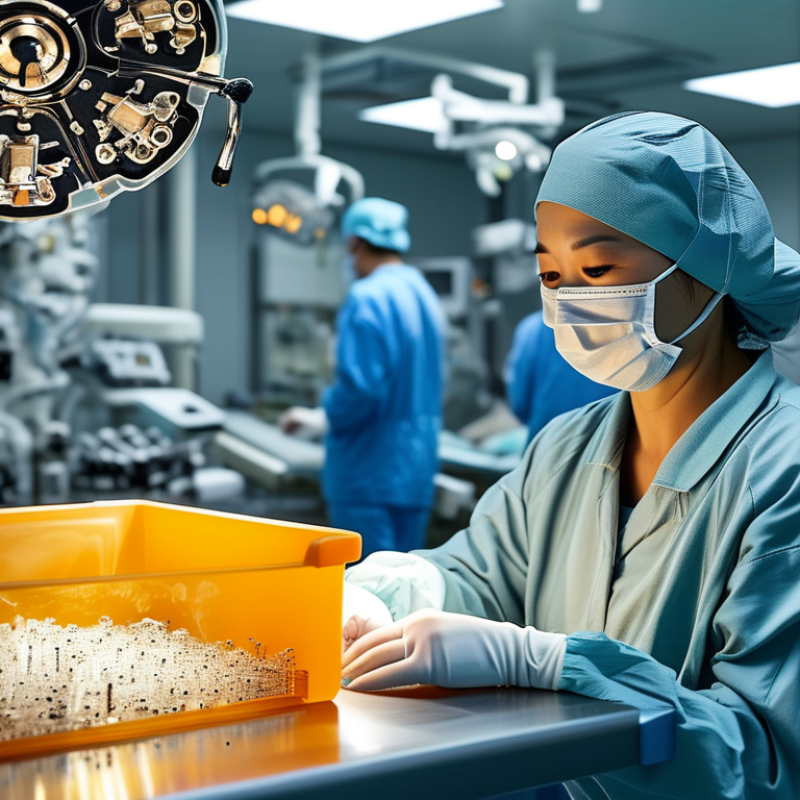
Hygiene in orthopedic surgery is not merely a best practice; it's essential. Surgical sites are susceptible to infections. Bacteria thrive in surgical environments. This can lead to complications with implants. Contaminated tools can put patients at risk. Proper sterilization of instruments is thus a priority.
In addition to sterilization, the cleanliness of the surgical environment matters. Operating rooms must maintain high standards of hygiene. Airflow systems and surfaces need regular disinfection. The presence of staff is also crucial. They must follow strict hygiene protocols. Scrubbing, mask-wearing, and gloving are vital steps.
Despite these practices, errors can occur. Sometimes, sterilization is not foolproof. Instruments can be missed during autoclaving. Staff fatigue can lead to lapses in hygiene. Recognizing these potential shortcomings is important for improvement. Continuous training and monitoring can help ensure that hygiene controls do not falter. Acknowledging imperfections can lead to better practices in the future.
Hygiene control plays a vital role in the success of orthopedic implants. Contamination during surgery can lead to severe complications. Bacteria can multiply rapidly on surgical implants. This increases the risk of postoperative infections. Such infections can compromise the implant's integrity and the patient’s recovery.
Studies have shown that contamination significantly reduces implant success rates. Patients may experience prolonged pain, additional surgeries, or complete implant failure. Maintaining a sterile environment is crucial. This involves meticulous cleaning of the surgical area and the implant itself. Even minor lapses in hygiene can lead to devastating results.
Healthcare providers must constantly evaluate their processes. Continuous training and strict adherence to protocols can reduce contamination risks. However, human error is always a possibility. Despite having robust systems in place, the potential for oversight remains. It's essential to recognize these challenges and strive for improvement in hygiene practices.
In orthopedic surgery, maintaining sterility is vital. The risk of infection can increase significantly if hygiene measures are not properly implemented. Surgical teams must adhere to strict protocols to minimize exposure to contaminants. This includes preparing the surgical area well in advance.
Using sterile drapes and covers is essential. They create a barrier against microbes. Additionally, surgical instruments must be expertly sterilized. Autoclaving is a standard practice. However, errors in this process can still occur. Regular checks should be conducted to ensure instruments remain sterile until they are used.
The environment plays a critical role too. Operating rooms should have controlled airflow. HEPA filters can enhance air quality. Yet, the reality is that no system is perfect. Human factors can lead to lapses in protocol. Continuous training and vigilance are necessary. Encouraging a culture of accountability helps in making hygiene a priority.
In orthopedic surgery, infection prevention is a key concern. Antibiotics and antiseptics are vital tools for reducing the risk of postoperative infections. Research indicates that up to 30% of surgical site infections can be linked to inadequate hygiene practices. By using antibiotics proactively, surgeons can significantly decrease the incidence of infections. A study published in the Journal of Bone and Joint Surgery noted a 50% reduction in infection rates when antibiotics were administered preoperatively.
Antiseptics, such as chlorhexidine and iodine-based solutions, play a crucial role in surgical preparation. These agents not only sterilize the skin but also help in minimizing microbial flora. Data from the American Journal of Orthopedics suggests that the use of antiseptics pre- and post-surgery can reduce infection rates by approximately 40%. However, it’s essential to use these solutions correctly. Overuse or improper application can lead to skin irritation or resistance.
Tips for effective infection prevention include ensuring a clean surgical environment and following strict protocols. Always perform hand hygiene before any procedure. Consider implementing a checklist for surgical staff to ensure compliance with antiseptic measures. Reflecting on practices can help identify areas for improvement, as hygiene protocols must evolve with emerging data and technologies. Regular training can help reinforce the importance of these protocols in preventing infections associated with orthopedic implants.
Poor hygiene can lead to severe complications in orthopedic implants. Bacteria can thrive on implants, leading to infections. These infections may result in prolonged pain and the need for further surgeries. Patients may face extended recovery times, which can significantly affect their quality of life. Failure to maintain proper hygiene can lead to unnecessary suffering and costly medical bills.
Inadequate hygiene practices can have long-term effects on patients. Infections may not surface immediately but can develop months after surgery. This delayed response complicates treatment and may lead to permanent damage. Patients who neglect oral hygiene are at higher risk for implant-related infections. Moreover, the psychological effect of living with pain can be detrimental. It's essential for patients to understand the importance of consistent hygiene practices.
Reflections on personal habits can reveal areas needing improvement. Some patients might overlook routine cleaning or neglect follow-up appointments. Education around infection prevention should be a priority. Encouraging patients to take ownership of their health is crucial. Maintaining hygiene is not just a guideline; it is a fundamental aspect of successful orthopedic outcomes.
| Aspect | Impact of Poor Hygiene | Long-Term Consequences |
|---|---|---|
| Infection Risk | Higher likelihood of postoperative infections | Increased hospitalization and treatment costs |
| Implant Longevity | Decreased lifespan of orthopedic implants | Need for revision surgeries |
| Patient Recovery | Prolonged recovery periods | Reduced quality of life |
| Mobility | Impaired mobility due to complications | Permanent mobility limitations |
| Psychological Impact | Increased anxiety and stress | Long-term mental health issues |
: Contamination during surgery can lead to severe complications, risking implant integrity and recovery.
Poor hygiene can cause infections, prolonged pain, and the need for additional surgeries.
A sterile environment helps prevent bacterial growth on implants, reducing the risk of postoperative infections.
Yes, infections may surface months later, complicating treatment and possibly causing permanent damage.
Patients should regularly clean the implant area and attend follow-up appointments to prevent infections.
Continuous training and strict adherence to hygiene protocols can help reduce contamination in surgical settings.
Neglecting hygiene can lead to unnecessary suffering and high medical bills due to complications.
Living with chronic pain can cause emotional distress, highlighting the importance of hygiene in recovery.
Some may overlook routine cleaning or follow-up appointments, impacting their recovery and health.
Educating patients empowers them to take ownership of their health and prevents implant-related infections.
Hygiene control plays a crucial role in the production and implantation of orthopedic devices. One of the primary reasons "why is hygiene control important in orthopedic implants production" lies in its direct impact on the success rates of surgical interventions. Contamination during surgical procedures can lead to severe infection, resulting in complications that may compromise the integrity of the implant and ultimately the patient’s health. By maintaining strict hygiene protocols, the risk of infection is significantly reduced, ensuring better outcomes for patients.
Additionally, the use of antibiotics and antiseptics is vital in preventing infections, especially in surgical environments where implants are introduced into the body. Poor hygiene practices can lead to long-term negative effects on patient health, such as chronic pain, joint failure, or the need for additional surgeries. Thus, ensuring robust hygiene control measures is essential not only for the immediate success of the surgery but for the overall long-term well-being of the patient.

Tonk Orthopedic Implants