In recent years, the importance of orthopedic implants in medical procedures has grown significantly. As these devices support recovery and improve patients' quality of life, understanding what affects the safety of orthopedic implants becomes crucial. Various factors influence their performance and longevity.
Material choice is pivotal; different metals and polymers behave uniquely in the human body. The implant design also plays a role, affecting how well the device integrates with bone. Surgical technique cannot be overlooked. The skills of the orthopedic surgeon directly impact the success of the procedure.
Additionally, patient factors, such as age and health conditions, contribute to implant safety. Sometimes, unexpected complications arise, leading to reflection on best practices. It is essential to continuously evaluate these aspects to ensure patient safety and enhance implant technologies.
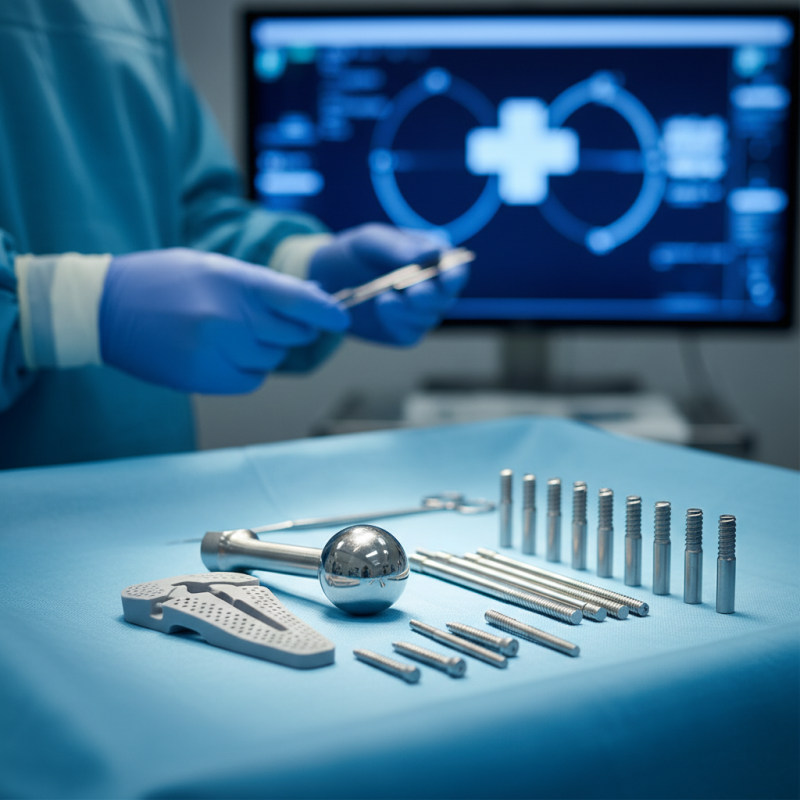
The safety of orthopedic implants heavily relies on material selection. Orthopedic implants are often made from metals, ceramics, and polymers. Each material has unique characteristics that can influence both performance and biocompatibility. For instance,
titanium is strong and resistant to corrosion. However, it can cause allergic reactions in some patients.
Ceramics, while excellent in wear resistance, may shatter under stress. This raises concerns about long-term safety. On the other hand, some
polymers are flexible and absorb shock, but they might degrade over time in the body. The challenge lies in balancing these properties to ensure patient safety.
The issue of wear particles also poses risks. Metal and ceramic implants may shed tiny particles that can incite inflammatory responses. It’s crucial to evaluate how the body reacts to these particles.
Invisible risks often lurk beneath the surface. Researchers must consistently refine materials to enhance implant safety. Even with advancements, no material is foolproof.
Continuous monitoring and innovation remain vital in the quest for safer orthopedic solutions.
The surgical technique plays a crucial role in the safety of orthopedic implants. Precision in placement is essential for reducing complications. During surgery, a surgeon’s skill directly influences the outcome. Proper positioning of the implant helps to distribute stress evenly. This reduces the risk of fractures and loosening over time. Each movement must be deliberate and exact.
Mistakes can happen. Surgeons may be under pressure or dealing with complications. Inadequate planning can lead to misalignment. This can compromise the stability of the implant, creating future issues. Each case is unique. Dedicated attention to detail here is vital.
Using advanced imaging technology can enhance surgical accuracy. Techniques like fluoroscopy provide real-time feedback. Surgeons are better equipped to make quick adjustments. Continuous training is essential for keeping skills sharp. An experienced surgeon has seen a variety of cases. They build intuition that can guide them in challenging situations.
Patient factors significantly influence the safety of orthopedic implants. Age is a crucial consideration. Data shows that older patients face a higher risk of complications. Their bones may be less dense, impacting implant stability. The National Institutes of Health reported that patients over 65 have a 30% higher revision rate.
Health status plays a vital role. Conditions like diabetes and obesity can impede healing. According to the Journal of Bone and Joint Surgery, these patients experience a 50% higher infection rate post-surgery. Compliance with rehabilitation protocols also affects outcomes. Non-compliant patients may not follow weight-bearing restrictions, leading to implant failure.
These factors highlight the need for individualized treatment plans. Not all patients are the same. Surgeons must assess each patient's age, health, and lifestyle. Understanding these elements can lead to improved success rates in surgeries. The interplay between these variables is complex and requires thoughtful consideration.
When evaluating orthopedic implants, mechanical design plays a crucial role. The load-bearing capacity directly influences the longevity of the implant. Reports indicate that over 20% of patients experience implant failure due to inadequate load distribution. Implants must endure stress without yielding. Factors like material selection and geometry contribute significantly to this.
Fatigue resistance is essential for implants that undergo repetitive loading. Research shows that implants can suffer from fatigue cracks after only a few thousand cycles of stress. With the average active patient experiencing hundreds of load cycles each day, this is a critical concern. Engineers often use fatigue testing to predict the performance of a design. However, achieving an optimal balance between strength and flexibility remains a challenge.
The success of implants also hinges on their response to dynamic forces. A rigid design may fail under impact forces, while overly flexible implants may deform under normal activities. Continuous refinement of designs is necessary, highlighting the ongoing need for innovation in the field. Adapting to patient-specific demands is vital for improving outcomes, yet, not every solution is universally applicable. The journey to perfecting orthopedic implants is ongoing and complex.
Long-term monitoring of orthopedic implants is crucial for patient safety. Research indicates that around 10-30% of patients may experience complications associated with implants. Regular follow-ups can help identify issues early. This includes assessing implant positioning, stability, and signs of infection. A study published in the "Journal of Orthopedic Research" found that 22% of implant failures occurred within the first five years. Therefore, vigilance is necessary during this period.
Risk assessment should become routine for anyone receiving an implant. Various factors can contribute to implant failure, including patient-specific variables like obesity and diabetes. Approximately 15% of patients with diabetes face increased risks. Monitoring these conditions can provide insights into potential complications. Health professionals need to recognize that early intervention can significantly reduce adverse outcomes. Continuous communication between clinicians and patients is essential for optimal management. Engaging patients in their care plan fosters a proactive approach to monitoring health status.
| Factor | Description | Impact Level | Monitoring Frequency |
|---|---|---|---|
| Material Biocompatibility | The degree to which a material is compatible with body tissues. | High | Annual |
| Surgical Technique | The methods and precision used during the implant procedure. | High | Post-Op Checkup |
| Patient Health Status | Pre-existing conditions that might affect recovery and implant stability. | Medium | Bi-annual |
| Implant Design | The architecture and features of the implant affecting load distribution. | High | Annual |
| Infection Control | Measures taken to prevent infections during and after surgery. | High | Post-Op Weekly |
| Post-Operative Care | Care and rehabilitation processes following the procedure. | Medium | Monthly |
| Weight Bearing Protocol | Guidelines on how much weight can be placed on the implant. | Medium | Weekly During Rehab |
| Patient Compliance | The extent to which patients adhere to medical advice and care routines. | Medium | Bi-annual |
| Long-Term Monitoring | Ongoing assessments to ensure implant performance over time. | High | Annual |
: Precision reduces complications during orthopedic implant procedures. It ensures proper placement and load distribution.
Misalignment can compromise stability, leading to fractures and loosening. Proper planning is essential to avoid this.
Advanced imaging provides real-time feedback. It helps surgeons make quick adjustments during procedures.
Implants face repetitive loading. Fatigue cracks can occur after a few thousand cycles, affecting durability.
Material selection and geometry are vital. They determine how well an implant can endure stress.
Ongoing training keeps skills sharp. Experienced surgeons can navigate unexpected challenges more effectively.
Balancing strength and flexibility is difficult. Rigid designs may fail under impact, while flexible ones may deform.
Designs must adapt to individual demands. Not all solutions fit every patient, complicating the design process.
Patients may experience pain or instability. It is crucial to monitor for these signs during recovery.
While innovations help, they cannot ensure perfect outcomes. The journey of improvement is ongoing.
The safety of orthopedic implants is influenced by several critical factors. First and foremost, material selection plays a vital role, as different materials can impact biocompatibility and durability. Surgical technique is also crucial; precision in placement can significantly reduce the risk of complications post-surgery. Furthermore, patient-specific factors such as age, overall health, and adherence to rehabilitation protocols can greatly affect outcomes.
Mechanical design is another essential consideration; an implant's load-bearing capacity and resistance to fatigue are fundamental to its long-term success. Finally, ongoing patient monitoring through regular follow-ups is important for early risk assessment, ensuring that any potential issues are addressed promptly. In summary, understanding what affects the safety of orthopedic implants is essential for improving patient outcomes and enhancing the reliability of these medical devices.

Tonk Orthopedic Implants