How to Ensure Orthopedic Implants Comply with Regional Regulations?

Time:2026-05-09 Author:Madeline
0%

Ensuring orthopedic implants comply with regional regulations is critical for patient safety and effective treatment. The global orthopedic implant market was valued at approximately $45 billion in 2021 and is projected to grow by 4.5% annually. As the industry evolves, so do the diverse regulations across regions. These regulations ensure not only the safety of the devices but also their effectiveness in clinical settings.

To navigate the complexity of these requirements, manufacturers must prioritize compliance from the early design phases. Quality control and rigorous testing are non-negotiable. Industry reports emphasize that nearly 30% of product recalls are due to regulatory non-compliance. This statistic highlights the importance of understanding how to ensure orthopedic implants meet regional medical regulations. Failure to do so can undermine trust and lead to significant financial repercussions.

As the landscape of orthopedic technology expands, stakeholders face ongoing challenges in keeping pace with regulatory changes. This requires a deep understanding of local laws and continuous education in regulatory requirements. Manufacturers must develop robust strategies to avoid pitfalls in compliance while championing innovation in the field.
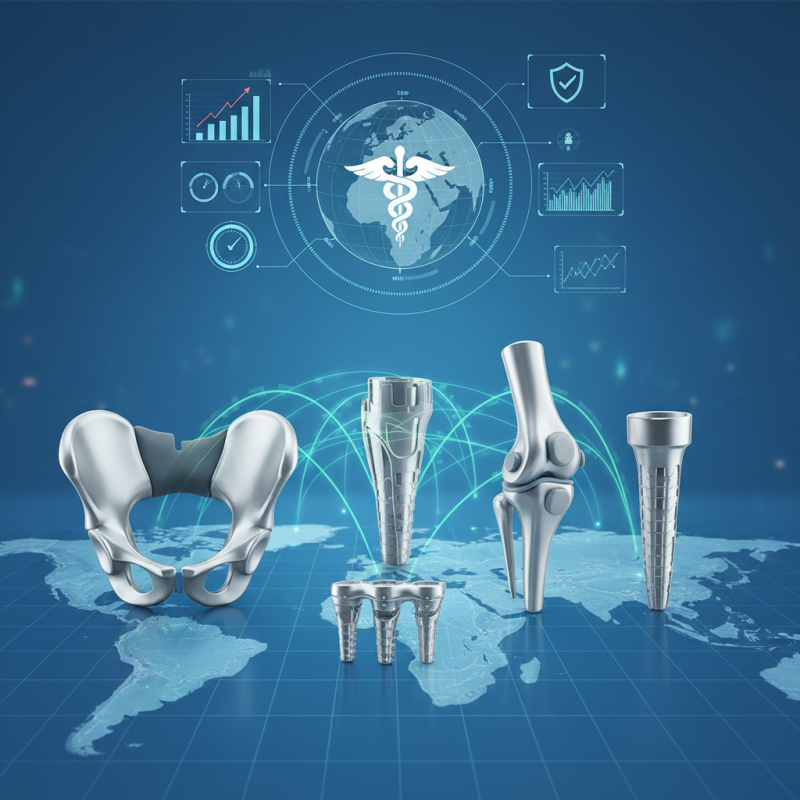
How to Ensure Orthopedic Implants Comply with Regional Regulations?

Understanding Regional Regulations for Orthopedic Implants

Compliance with regional regulations for orthopedic implants is critical. Each region has unique guidelines to ensure safety and efficacy. For instance, the European Union mandates that orthopedic implants meet the Medical Device Regulation (MDR). Compliance involves extensive documentation and rigorous testing. These regulations are designed to minimize risks and improve patient outcomes.

Many orthopedic manufacturers underestimate the importance of local standards. In a 2021 report, nearly 30% of non-compliance issues were linked to a lack of understanding of regional requirements. This highlights the need for thorough research and adaptation of processes. Manufacturers must invest in training teams to navigate these complexities effectively.

Tips:
- Stay informed about local regulations through industry seminars or professional networks.
- Regularly review and update compliance processes based on new regulatory changes.
- Partner with regulatory consultants for insights on specific regional requirements.

In addition, case studies reveal that some firms faced market rejections due to incomplete documentation. It's essential to prioritize accuracy in submissions to avoid costly setbacks. Maintaining compliance not only enhances brand trust but also ensures patient safety — a critical factor in this industry.

Identifying Key Regulatory Bodies and Their Requirements

When developing orthopedic implants, understanding the regulatory landscape is crucial. Different regions have specific bodies overseeing the approval processes. For example, the European Union has the European Medicines Agency (EMA) and the Medical Device Regulation (MDR). In the United States, the Food and Drug Administration (FDA) plays a primary role. Each of these organizations has distinct requirements and pathways for compliance. This can create a complex web for manufacturers.

Compliance requires thorough documentation and testing. Manufacturers must collect data on biocompatibility, mechanical properties, and long-term performance. In many cases, clinical trials are necessary to demonstrate safety and efficacy. Even within the same region, requirements can differ based on the type or risk classification of the implant. This inconsistency can be challenging, as companies may not fully grasp the nuances of each requirement. As regulations evolve, staying updated is a constant responsibility.

Moreover, the reliance on regional standards raises questions about harmonization. Some manufacturers struggle to adapt once they enter new markets. Often, the requirements seem overwhelming. They must pivot their strategies to meet new regulations quickly. This can lead to frustration and delays. Understanding these key regulatory bodies can streamline the pathway to market, but it requires continuous learning and adaptation.

Conducting Compliance Assessments for Implant Design and Production

Orthopedic implants must meet strict regional regulations. Compliance assessments play a critical role in this process. These assessments evaluate whether implants adhere to local standards. A deep understanding of these regulations is essential for manufacturers. This knowledge helps prevent costly recalls and ensures patient safety.

Design and production stages require close attention. Manufacturers should perform thorough documentation of materials and processes. Gathering data on testing methods can be beneficial. Engaging experts in regulatory matters adds credibility to the assessment process. Collaborating with local stakeholders may reveal insights about regional practices.

Regular audits are necessary for ongoing compliance. Ensure that internal procedures meet updated regulations. Improper documentation or oversight can lead to significant complications. Mistakes can hinder market access and impact patient trust. A proactive approach can mitigate risks and enhance overall quality.

Implementing Quality Control and Documentation Practices

Quality control and documentation play crucial roles in ensuring orthopedic implants meet regional regulations. Consistent monitoring of the manufacturing process helps identify deviations early. Regular inspections can catch potential faults that may compromise safety or efficacy. Personnel should be trained in quality standards to ensure everyone understands their role in maintaining compliance. Documenting each step of production creates a reliable record that can be referenced during audits.

A thorough documentation process involves not just recording data but analyzing it. This analysis can reveal trends that indicate areas needing improvement. For instance, if an increase in defects occurs, it prompts a review of the manufacturing techniques used. Feedback from healthcare professionals can also inform changes in design or function.

Reflecting on practices is essential for continuous improvement. Companies may sometimes overlook small but significant details in their processes. Audit trails must be regularly reviewed to ensure nothing is missed. In this dynamic field, learning from past experiences is invaluable. Quality control and documentation are not just regulatory obligations; they are the foundation for delivering safe and effective orthopedic solutions.

How to Ensure Orthopedic Implants Comply with Regional Regulations? - Implementing Quality Control and Documentation Practices

Region Regulation Body Compliance Requirements Quality Control Practices Documentation Needed
North America FDA 510(k) Pre-market Notification Biocompatibility Testing, Mechanical Testing Technical Files, Risk Management Reports
European Union European Medicines Agency (EMA) CE Marking Clinical Trials, Post-Market Surveillance Technical Documentation, Declaration of Conformity
Asia-Pacific PMDA (Japan) Pre-market Submission Quality Management System (QMS) Audits Clinical Evaluation Reports, Validation Studies
Latin America ANVISA (Brazil) Product Registration Manufacturing Process Validation Registration Dossiers, Safety Reports

Navigating Post-Market Surveillance and Reporting Obligations

Post-market surveillance is crucial for orthopedic implants. Manufacturers must actively monitor products after they are released. This includes tracking performance and any adverse events. Regular evaluation helps identify potential issues early. It is essential to maintain a system for collecting data on device performance. This can include patient feedback and clinical outcomes.

Reporting obligations vary by region. Companies need to understand local regulations thoroughly. Some regions require reports within specific timeframes after an incident. Failing to comply can lead to serious consequences. These may include fines or product recalls. Creating a clear reporting process is vital. Staff training and protocols ensure timely responses. Engaging with regulatory authorities can also provide insight into compliance.

Regular reviews of the surveillance process are necessary. These evaluations should determine if current practices meet regulatory standards. Identifying gaps helps in realigning third-party audits. Companies should reflect on their surveillance effectiveness. Adjustments may be needed as regulations evolve. Continually improving processes is vital for maintaining compliance and ensuring patient safety.

FAQS

: Why is compliance with regional regulations for orthopedic implants important?

: Compliance ensures safety and efficacy for patients. It minimizes risks and improves outcomes in orthopedic procedures.

What common issues do manufacturers face regarding regional regulations?

Many manufacturers underestimate local standards. A report indicated 30% of non-compliance issues stem from a lack of understanding.

How should manufacturers stay informed about regulations?

They can attend industry seminars or join professional networks to keep updated on local regulation changes.

What role do regulatory bodies play in the approval of orthopedic implants?

Regulatory bodies oversee compliance. They specify distinct requirements that manufacturers must meet for approvals.

What documentation is necessary for compliance?

Manufacturers need detailed documentation about biocompatibility and mechanical properties. Clinical trials often support safety claims.

How do varying requirements affect manufacturers?

Different regions have inconsistent regulations, which can overwhelm manufacturers trying to adapt quickly to new markets.

What can happen if documentation is incomplete?

Incomplete submissions can lead to market rejections. Accuracy is key to avoiding costly setbacks.

How can manufacturers improve their compliance processes?

Regular review of compliance practices is necessary. Training teams to navigate complexities can enhance understanding and adaptation.

Why is continuous learning important in this industry?

Regulations often evolve. Keeping pace requires constant learning to ensure compliance and market readiness.

What challenges may arise from entering new markets?

Adapting to new regulations can feel overwhelming. Manufacturers often face delays and frustration when adjusting strategies.

Conclusion

In the field of orthopedic implant manufacturing, understanding regional regulations is crucial to ensuring compliance throughout the entire process. To effectively address "how to ensure orthopedic implants meet regional medical regulations," manufacturers must first familiarize themselves with the key regulatory bodies and their specific requirements. This entails identifying relevant standards that apply to implant design and production.

Additionally, conducting thorough compliance assessments is essential to guaranteeing that implants meet necessary specifications before entering the market. Implementing robust quality control measures and maintaining comprehensive documentation practices will further strengthen compliance. Lastly, navigating post-market surveillance and adhering to reporting obligations are important steps to monitor the performance and safety of orthopedic implants, ensuring ongoing compliance with regional medical regulations. By following these guidelines, manufacturers can successfully align their products with regulatory expectations and enhance patient safety.

Madeline

Madeline

Madeline is a dedicated marketing professional with a wealth of expertise in our company's core offerings. With a keen understanding of the industry, she brings a unique perspective to her role, consistently delivering high-quality content that highlights the superior aspects of our products. As......