Choosing the right orthopedic implants is crucial for successful hand and foot surgeries. Surgeons often face challenges in making these selections. Factors like the patient’s age, bone health, and activity level greatly influence the decision-making process. Knowing how to select orthopedic implants for hand and foot surgery can improve recovery outcomes and overall satisfaction.
The variety of available implants can be overwhelming. Each type has specific indications and potential complications. This diversity requires surgeons to have deep knowledge and reliable data to guide their choices. A well-informed selection can lead to fewer post-operative complications and shorter rehabilitation periods. Understanding the unique requirements for hand and foot surgeries is essential for optimal results.
Selecting the best implants is not merely about preferences. It requires experience and an understanding of the latest orthopedic innovations. Reflection on past surgeries helps in making better decisions today. Even experienced surgeons continue to learn about new materials and technologies. This commitment to improvement enhances patient care and surgical success. The process is complex, yet crucial for effective treatment.
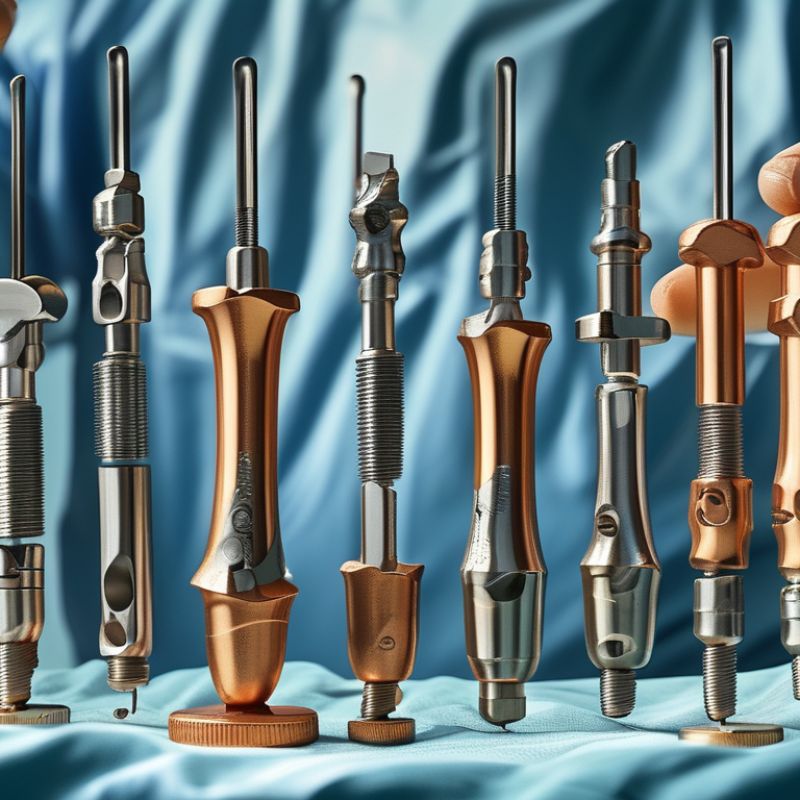
Understanding Orthopedic Implants: Types and Materials
Understanding the types and materials of orthopedic implants is crucial for successful hand and foot surgeries. Orthopedic implants can be categorized into permanent and temporary devices. Permanent implants, such as plates and screws, are used in reconstructive procedures. Temporary devices, like pins and external fixators, often help stabilize fractures during the healing process. Each type has its unique role, emphasizing the need for careful selection based on the patient's condition.
Material choice is equally important. Titanium is favored for its strength and biocompatibility. Recent reports indicate that 75% of orthopedic surgeons prefer titanium for its lower risk of infection and favorable healing outcomes. Stainless steel is another common choice, offering durability and resistance to deformation. However, its higher corrosion potential poses certain risks. Patients should be informed about these materials, as their reactions can vary.
Models show that about 20% of patients experience complications due to implant-related issues. Factors like implant material and type directly influence healing outcomes. Surgeons must continuously assess the benefits and risks associated with each implant. This ensures that implant choice aligns with patient-specific needs. Ongoing research contributes to improving materials, but challenges persist. The orthopedic field must remain vigilant and adaptive in this evolving landscape.
Factors to Consider When Selecting Implants for Hand Surgery
When selecting implants for hand surgery, several crucial factors come into play. Surgeons must assess the specific needs of the patient. Each injury or condition may require a unique approach. For instance, fractures, arthritis, or tendon repairs all have different requirements. Understanding the complexity of these conditions is vital for successful outcomes.
Material composition is another critical consideration. Implants made from titanium or stainless steel offer varying degrees of biocompatibility. A surgeon must weigh the pros and cons of each option. Durability is essential for long-term success, yet the implant must also allow for natural movement. Sometimes, finding the balance can be challenging.
Surgeons also need to consider patient factors. Age, activity level, and pre-existing conditions play a significant role. Young athletes may require different solutions than older adults. Furthermore, patient compliance with rehabilitation plans can influence the choice of implants. Striking the right balance is not always straightforward. Careful consideration of all these factors is essential for delivering effective care.
Key Considerations for Foot Surgery Implant Choices
When selecting orthopedic implants for foot surgery, several essential factors come into play. A report by the American Academy of Orthopaedic Surgeons highlights that proper implant selection can improve patient outcomes in over 70% of cases. Surgeons must consider the type of fracture, bone quality, and patient activity levels. Understanding these aspects can reduce complications and promote efficient healing.
Material properties are crucial. Stainless steel and titanium are common choices due to their strength and biocompatibility. A study published in the Journal of Orthopedic Research found that titanium implants show lower rates of rejection. However, the choice of material may also depend on the patient's specific circumstances. Issues like allergies or previous implant failures require thorough discussions between the surgeon and the patient.
Surgeons often face dilemmas when balancing the desire for robust fixation and the need for minimal invasiveness. While thicker implants may provide better stability, they can also damage surrounding tissues. This presents a challenge in achieving an ideal balance. Continuous education on the evolving implant technologies is vital for orthopedic professionals. Keeping current can enhance both safety and effectiveness in foot surgeries, ultimately impacting recovery times positively.
Evaluating the Compatibility of Implants with Patient Needs
Choosing the right orthopedic implants for hand and foot surgery requires a deep understanding of patient needs. Each patient's anatomy and lifestyle will dictate the type of implant that best suits them. For example, active individuals may require implants that can withstand higher stress levels. Conversely, patients with lower activity levels may prioritize comfort over durability.
It’s crucial to evaluate how an implant will interact with the patient's body. Different materials have varying compatibility rates. Some patients might experience issues with metal implants due to allergies. Other patients might need a specific design for better functionality. These factors can impact recovery times and overall effectiveness.
Moreover, communicating with patients about their expectations is vital. Gathering detailed medical histories and understanding post-surgery goals contributes to better outcomes. This process isn’t flawless, as sometimes the chosen implant may not perform as expected. This highlights the importance of follow-up assessments. Listening to patient feedback can create opportunities for future improvements.
Assessing the Risks and Benefits of Different Implant Options
When considering orthopedic implants for hand and foot surgery, it's crucial to evaluate the associated risks and benefits. A recent study highlighted that approximately 10-15% of patients experience complications after implant surgery. These complications can range from infection to implant failure. Understanding these risks is vital for making informed decisions.
Different implant materials come with specific advantages and drawbacks. For instance, titanium implants are known for their strength and biocompatibility. However, they may lead to allergic reactions in some patients, a risk estimated at 1-2%. In contrast, biodegradable implants might reduce long-term complications but could require more frequent monitoring. Decisions must reflect the individual patient's health status and lifestyle preferences.
The importance of a multidisciplinary approach cannot be overlooked. Surgeons should consult literature reviews and clinical trial data. Such resources provide insight into long-term outcomes and emerging technologies in implant design. Ongoing research also indicates that personalized implants may enhance recovery. However, these advancements require careful consideration of their affordability and availability. Recognizing these factors is essential for optimal patient care.
How to Choose the Best Orthopedic Implants for Hand and Foot Surgery?
| Implant Type |
Material |
Common Uses |
Risks |
Benefits |
| Screws |
Titanium |
Fracture fixation |
Infection, implant failure |
Strong fixation, biocompatible |
| Plates |
Stainless Steel |
Bone stabilization |
Non-union, metal fatigue |
Versatile, easy to apply |
| Rod |
Titanium alloy |
Intramedullary fixation |
Complications in alignment |
Minimally invasive, stable support |
| Cages |
PEEK |
Spinal fusion |
Migration, inadequate fusion |
Promotes bone growth, radiolucent |
| Pins |
Stainless Steel |
Joint stabilization |
Infection risks, improper placement |
Simple technique, effective for small bones |
FAQS
: Factors include the type of fracture, bone quality, and patient activity levels.
Material properties, like strength and biocompatibility, directly affect healing and rejection rates.
Stainless steel and titanium are popular choices due to their durability.
Active patients may need stronger implants, while less active ones may prefer comfort-focused options.
Balancing robust fixation and minimal tissue damage can be difficult during surgeries.
Understanding patient needs and expectations can improve surgical outcomes and satisfaction.
Follow-up assessments and patient feedback are essential for making improvements and ensuring satisfaction.
Yes, some patients may react negatively to certain metal implants, requiring alternative options.
Staying updated on implant technologies enhances safety and promotes effective healing in foot surgeries.
Each patient's unique anatomy determines the most suitable type of implant for their needs.
Conclusion
In "How to Choose the Best Orthopedic Implants for Hand and Foot Surgery," the article emphasizes the importance of understanding the various types of orthopedic implants and their materials. It discusses critical factors to consider when selecting implants for hand surgery, such as the specific nature of the injury and patient anatomy. For foot surgery, the article highlights unique considerations that influence implant selection, ensuring they meet the functional needs of the patient.
Moreover, the piece underscores the necessity of evaluating implant compatibility with the patient’s needs, along with a thorough assessment of the risks and benefits associated with different implant options. By addressing these elements, the article guides surgeons and healthcare professionals on how to select orthopedic implants for hand and foot surgery effectively, ensuring optimal patient outcomes.

 Tonk Orthopedic Implants