Assessing the production capacity of orthopedic implant factories is crucial for stakeholders. Understanding manufacturing capabilities helps ensure quality and reliability in healthcare. The growth in the orthopedic industry demands precise evaluation methods.
This exploration revolves around how to evaluate the production scale of orthopedic implants factories. Key performance indicators, technology, and workforce efficiency are vital. Factories may boast advanced machinery, but human expertise shapes outcomes. Companies must constantly monitor output and quality.
Yet, challenges arise. Inconsistencies can occur in production rates. These may stem from supply chain issues or workforce training gaps. A comprehensive assessment reveals not just the output but also the areas needing improvement. Awareness of these discrepancies is essential in making informed partnerships and investments.
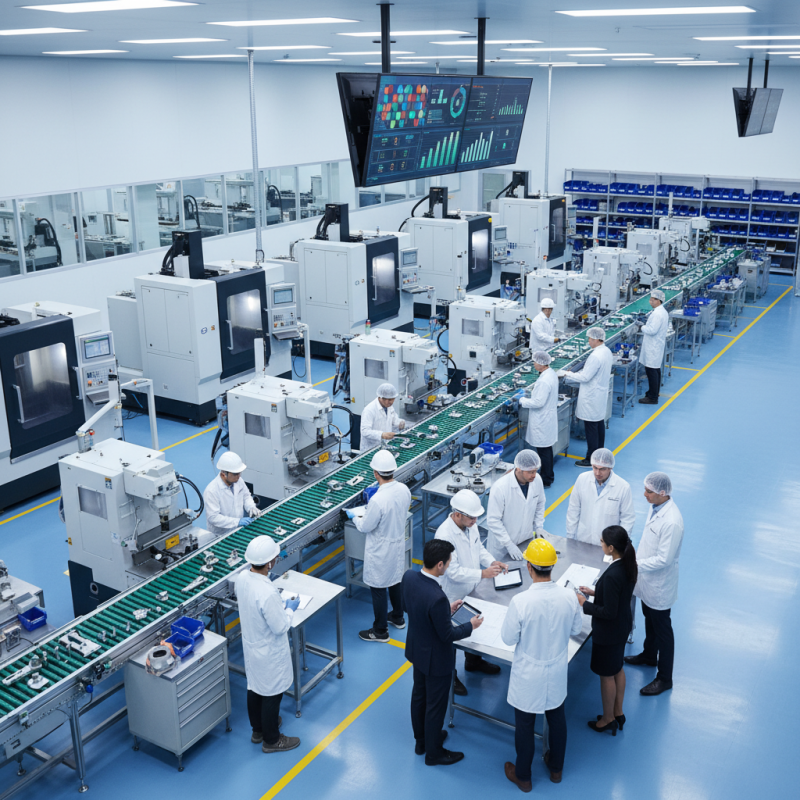
Assessing the scale of production in orthopedic implant manufacturing is crucial for industry professionals. According to recent industry reports, global demand for orthopedic implants is expected to reach approximately $48 billion by 2028. This growth will require factories to enhance their production capacities significantly.
Determining production capacity involves examining various factors. Factory size, workforce skills, and technology used play a major role. For instance, a well-equipped factory with advanced robotic technology can produce up to 1,000 implants daily. However, many facilities still rely on manual processes, resulting in lower outputs and longer lead times. It’s imperative to evaluate whether a factory invests in modernization or remains stagnant due to costs.
Moreover, geographical location influences logistics and costs. Factories near major supply chains can enhance production efficiency. An analysis by the American Society of Mechanical Engineers highlighted that improper assessment of operational efficiency can lead to waste. Thus, while current capacities might appear sufficient, there's a risk they won't meet future demands. Regular assessments are essential to ensure adaptability and growth in this evolving market.
Assessing the production capacity of orthopedic implant factories involves several key metrics. Understanding these metrics is crucial for optimizing production efficiency. Some vital indicators include yield rates, machine uptime, and workforce efficiency.
Yield rate measures the percentage of products manufactured that meet quality standards. A low yield could indicate process inefficiencies. Machine uptime represents the total operational time of equipment versus downtime. High uptime can enhance production capability. Workforce efficiency reflects the productivity of employees. Improved training can lead to better outcomes.
Monitoring these metrics helps identify areas for improvement. It’s essential to have a feedback loop for continuous assessment. Regular analysis can reveal hidden inefficiencies. Factories might struggle with unexpected machine failures or employee turnover. These challenges require a strategic approach to overcome. It’s important to remain adaptable and innovative in process management.
Assessing the production capacity of orthopedic implant factories requires a keen eye for bottlenecks within the production processes. These bottlenecks can severely limit efficiency, impacting both output and quality. Industry reports indicate that around 30% of production delays stem from inadequate machine maintenance and scheduling issues. Regular maintenance can mitigate these challenges, yet many facilities overlook this critical aspect.
Furthermore, human factors also play a significant role. Studies show that employee training gaps contribute to about 20% of workflow inefficiencies. When workers lack the required skills, errors increase, leading to waste and costly rework. Investing in comprehensive training programs can address these gaps, enhancing both productivity and morale.
Additionally, supply chain disruptions can create significant bottlenecks. Reports suggest that on average, 40% of orthopedic implant manufacturers face delays in raw material deliveries. These disruptions are sometimes unavoidable, but having a diversified supplier base can reduce the impact. Regular assessments of supply chain reliability are crucial for maintaining consistent production flow and meeting growing demand.
In the orthopedic implant industry, technology plays a crucial role in enhancing production capacity. Advanced manufacturing techniques, like additive manufacturing, allow for personalized implants. Data from recent industry reports indicate that companies adopting these technologies saw production efficiency increase by over 30%. Yet, many factories still lag behind in implementation.
Automation also contributes to improving throughput. Robotics can streamline assembly lines and reduce human error. A notable report highlights that automated systems decrease cycle times by 15-25%. However, the initial investment can be significant, which may deter smaller manufacturers. This can lead to a competitive imbalance in the industry.
Moreover, digital tools for inventory management optimize resource allocation. Proper inventory levels reduce waste, which is vital in an industry where components can be expensive. Yet, without skilled personnel to analyze data, the potential gains might go unrealized. Many facilities struggle to integrate new software, limiting the full benefits of modern production tools. The challenge remains: how can factories harness technology effectively without overwhelming their existing processes?
Quality control measures play a crucial role in assessing the production capacity of orthopedic implant factories. Effective quality control starts from the raw materials selection process. Ensuring that materials meet strict industry standards helps reduce defects. Regular inspections during production can identify issues early. This proactive approach minimizes wasted resources and supports consistent product quality.
Another significant aspect is the implementation of standard operating procedures (SOPs). Clear and well-documented SOPs help maintain uniformity in manufacturing processes. Employees must be trained adequately to follow these protocols. However, continuous training can sometimes overlook practical applications. Evaluating real-world execution can reveal gaps in understanding and adherence. Factories should also conduct random checks to ensure ongoing compliance.
Moreover, utilizing advanced technologies enhances quality control. Automated systems can monitor production variables like temperature and pressure in real-time. Yet, over-reliance on technology might cause complacency. Human oversight remains essential to catch errors that machines may miss. Finally, gathering feedback from healthcare professionals on implant performance can provide valuable insights. This direct line to end-users fosters improvement and accountability within the production process.
: The global demand is expected to reach approximately $48 billion.
Factory size, workforce skills, and technology used are key factors.
A well-equipped factory can produce up to 1,000 implants daily.
Inadequate machine maintenance and scheduling issues cause about 30% of delays.
Training gaps contribute to around 20% of workflow inefficiencies.
Having a diversified supplier base can help minimize the impact of disruptions.
Effective quality control ensures material standards and reduces defects.
SOPs maintain uniformity in manufacturing processes, but adherence can vary in practice.
Yes, it may cause complacency; human oversight is necessary to catch errors.
Feedback provides insights and fosters improvement and accountability in the manufacturing process.
Assessing the production capacity of orthopedic implant factories is crucial for ensuring efficiency and meeting demand in the medical device industry. To effectively evaluate the production scale of orthopedic implants factories, one must look at key metrics such as output rate, workforce efficiency, and machine utilization. Identifying bottlenecks within the production processes is essential, as these can significantly hinder efficiency and increase lead times.
Moreover, incorporating advanced technologies can greatly enhance production capacity, allowing for more streamlined operations and increased output. It's equally important to implement rigorous quality control measures to ensure that the products meet the necessary safety standards and performance specifications. By addressing these areas, manufacturers can gain a comprehensive understanding of their production capabilities and make informed decisions to optimize their operations.

Tonk Orthopedic Implants