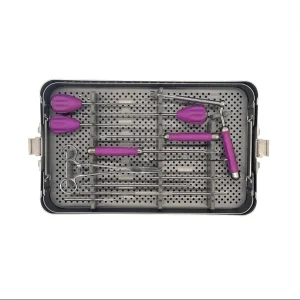
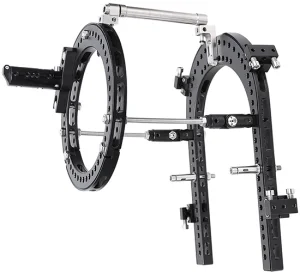
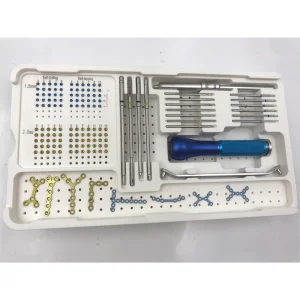
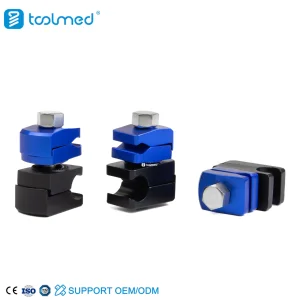
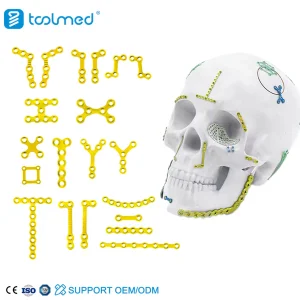
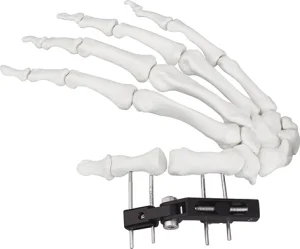
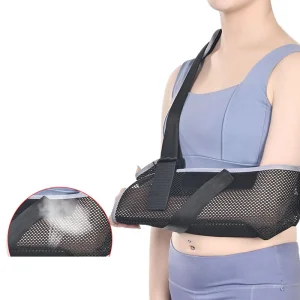
Professional-grade surgical instrumentation and fixation sets manufactured under strict ISO and CE guidelines for immediate clinical integration.
Analyzing clinical demands, material innovations, and systemic workflows driving the modern orthopedic equipment industry.
In modern healthcare facilities, orthopedic trolleys (clinical carts designed specifically for the transport, storage, and dynamic accessibility of orthopedic implants, surgical power tools, and rigid sterilization containers) represent a critical node in clinical workflows. Orthopedic procedures, such as total joint arthroplasties, complex spinal fusions, and trauma reconstructions, require immediate access to hundreds of discrete implants, screws, plates, and corresponding instrumentation sets. Standard medical utility carts fail to support the sheer weight, organized access, and sanitary profiles required for these heavy, high-value surgical assets.
As a result, specialized OEM and ODM orthopedic trolley factories have transitioned from simple metal fabrication units into advanced, medical-grade engineering hubs. Today's global market demands trolleys that are not only mobile platforms but integrated, high-capacity utility hubs capable of supporting aseptic setups in close proximity to the sterile field. According to recent market analysis, the global demand for custom medical trolleys is growing at a compound annual growth rate (CAGR) of 6.8%, driven largely by the proliferation of Ambulatory Surgical Centers (ASCs), an aging demographic requiring arthroplasty, and strict national regulations regarding hospital-acquired infections (HAIs).
Commercially, manufacturers face the double challenge of meeting local ergonomic standards (such as OSHA guidelines in the United States and EU directive 93/42/EEC in Europe) while maintaining competitive pricing structures. Leading factories leverage modular designs, allowing identical frame models to be customized dynamically with smart locking mechanisms, magnetic tool racks, heavy-duty drawer slides with high load capacities, and smooth-gliding anti-static castors.
How automation, smart tracking, and advanced biocompatible materials are redefining orthopedic logistics within hospitals.
The standard 304 stainless steel remains a staple, but forward-looking ODM factories are integrating medical-grade titanium alloys, high-impact polymers, and powder coatings infused with silver ions (Ag+). These materials active kill micro-organisms, lowering the bioburden of the trolley surface before sterilization cycles.
Smart orthopedic trolleys are now engineered with RFID antennas and internal control systems. This allows surgical coordinators to track precisely which instrument set or implant is on which trolley, minimizing the manual checking of spinal or trauma cassettes prior to scrub-in.
With clinical labor costs rising globally, manual wipe-down of trolleys is being replaced by Automated Cart Washers. Modern trolleys must endure exposure to aggressive alkaline detergents, high pressure, and chamber heat exceeding 93°C (200°F) without structurally degrading or losing lubrication in their casters.
Different markets present highly localized regulatory frameworks and space designs that shape orthopedic trolley manufacturing.
In the North American Market, healthcare providers heavily prioritize rapid turnover and ergonomic efficiency. High hourly surgical suite costs force a fast cycle between procedures. Consequently, OEM factories develop orthopedic trolleys featuring highly intuitive drawer dividers, pull-out writing surfaces for surgical documentation, and integrated waste receptacles. Compliance with the Americans with Disabilities Act (ADA) and OSHA ergonomic push/pull weight ratios is non-negotiable, requiring custom low-rolling-resistance polyurethane wheels.
Conversely, the European Union Market places paramount focus on the EU Medical Device Regulation (MDR) and environmental directives like RoHS. European hospitals demand absolute material traceability and validation certificates for every alloy used in fabrication. Trolleys must also feature minimal structural crevices to support the strict decontamination and hygiene protocols enforced by European hygiene commissions.
In Emerging Markets (APAC and LATAM), orthopedic infrastructure is expanding rapidly. The core focus here is high load-bearing capacity and versatility. Hospitals often operate in multi-floor layouts that require transporting heavy orthopedic cassettes across elevator banks and uneven thresholds. The demand focuses on heavy-duty perimeter bumpers, reinforced corner structures, and double-ball-bearing swivelling castors with robust central locking brakes.
Established in 1981, Tonk has been at the forefront of exporting top-tier medical equipment, hospital furniture, laboratory apparatus, and orthopedic implants and instruments worldwide. Our global footprints span all continents, from the Americas to Europe and beyond, establishing our brand as a reliable partner in the healthcare sector.
Our facility houses over 100 dedicated employees, bringing decades of combined industry knowledge to their respective roles in production, design, quality verification, and dispatch. Through this deep pool of expertise, we ensure that every custom OEM/ODM orthopedic trolley leaving our factory doors meets the most rigorous clinical standards.
We offer a comprehensive partner journey: from your initial product design and requirements gathering to prototyping, fabrication, validation, logistics, and post-sales coordination. Our logistics department is integrated with premier carriers to guarantee swift, secured delivery, and our 24/7 technical team ensures uninterrupted product support.
Providing value-driven ODM/OEM solutions through structured design, quality validation, and global logistics.

Our dedicated logistics department coordinates with top international carriers to ensure prompt, damage-free delivery to your facilities worldwide.

Every orthopedic cart and instrument frame undergoes strict mechanical testing, static and dynamic weight load checks, and anti-tipping calibration.
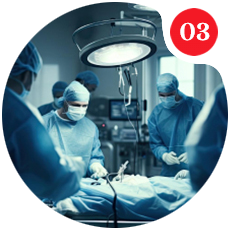
By constantly researching modern operating room requirements, we design structures with optimal ergonomic shapes and hygienic performance.

Our global technical customer service team is reachable 24/7 to support medical departments, hospital planners, and procurement agencies.
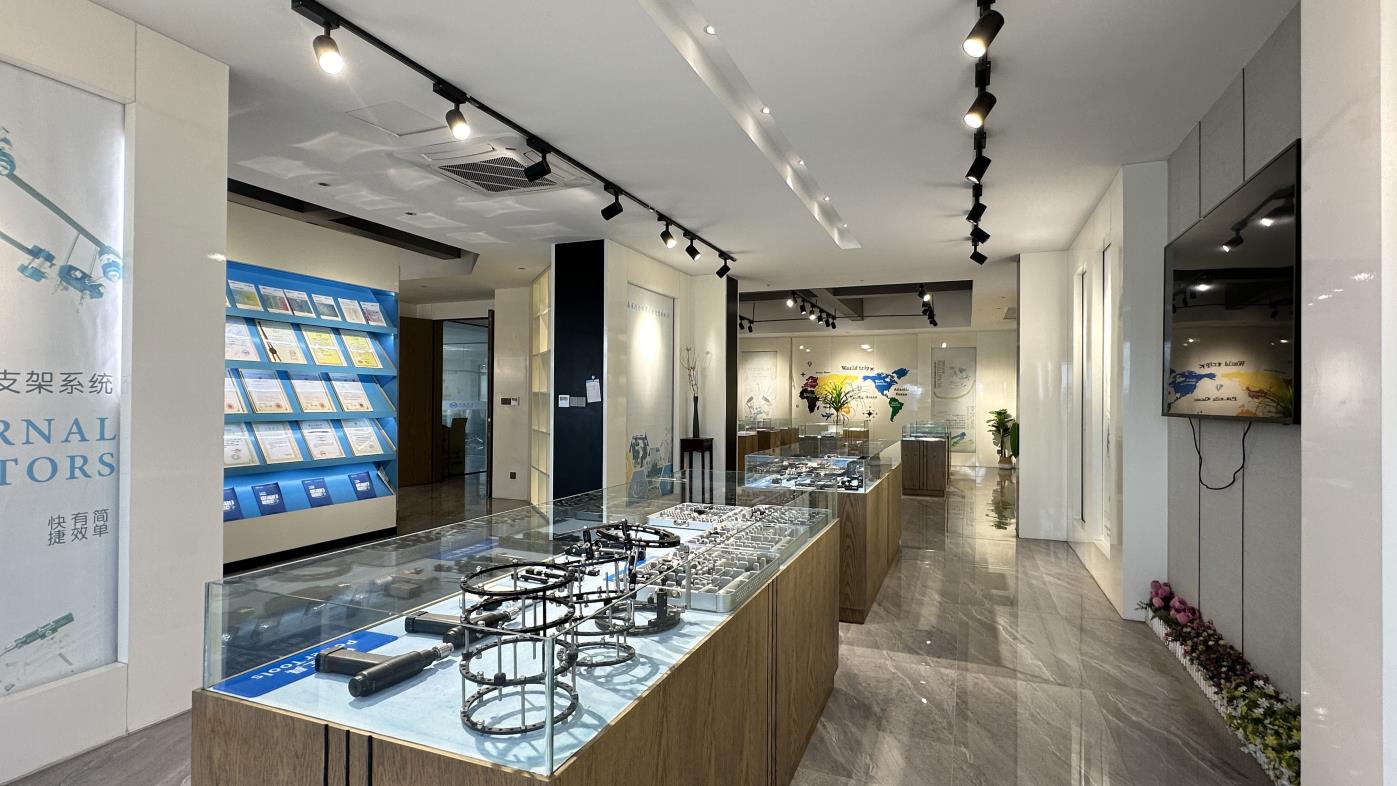
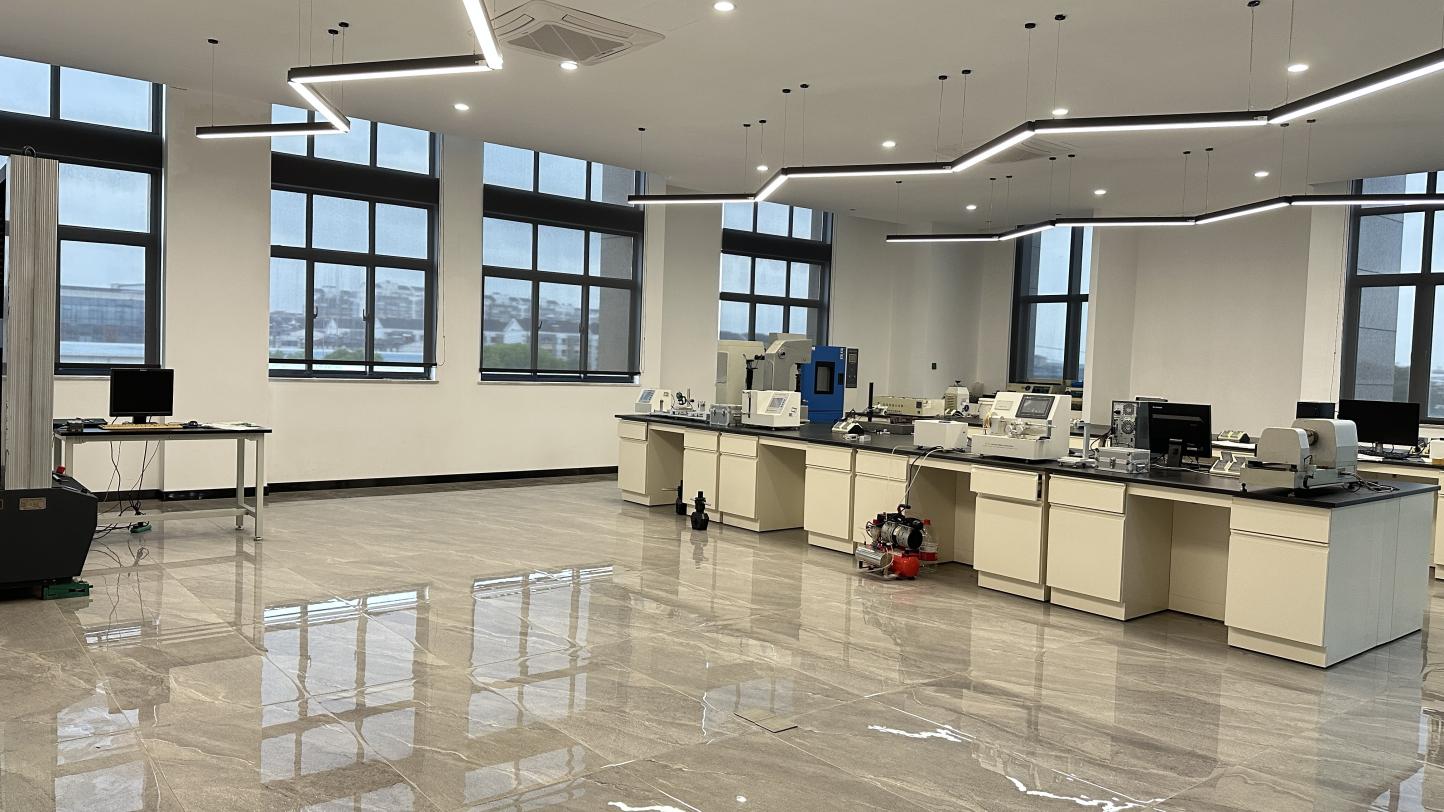
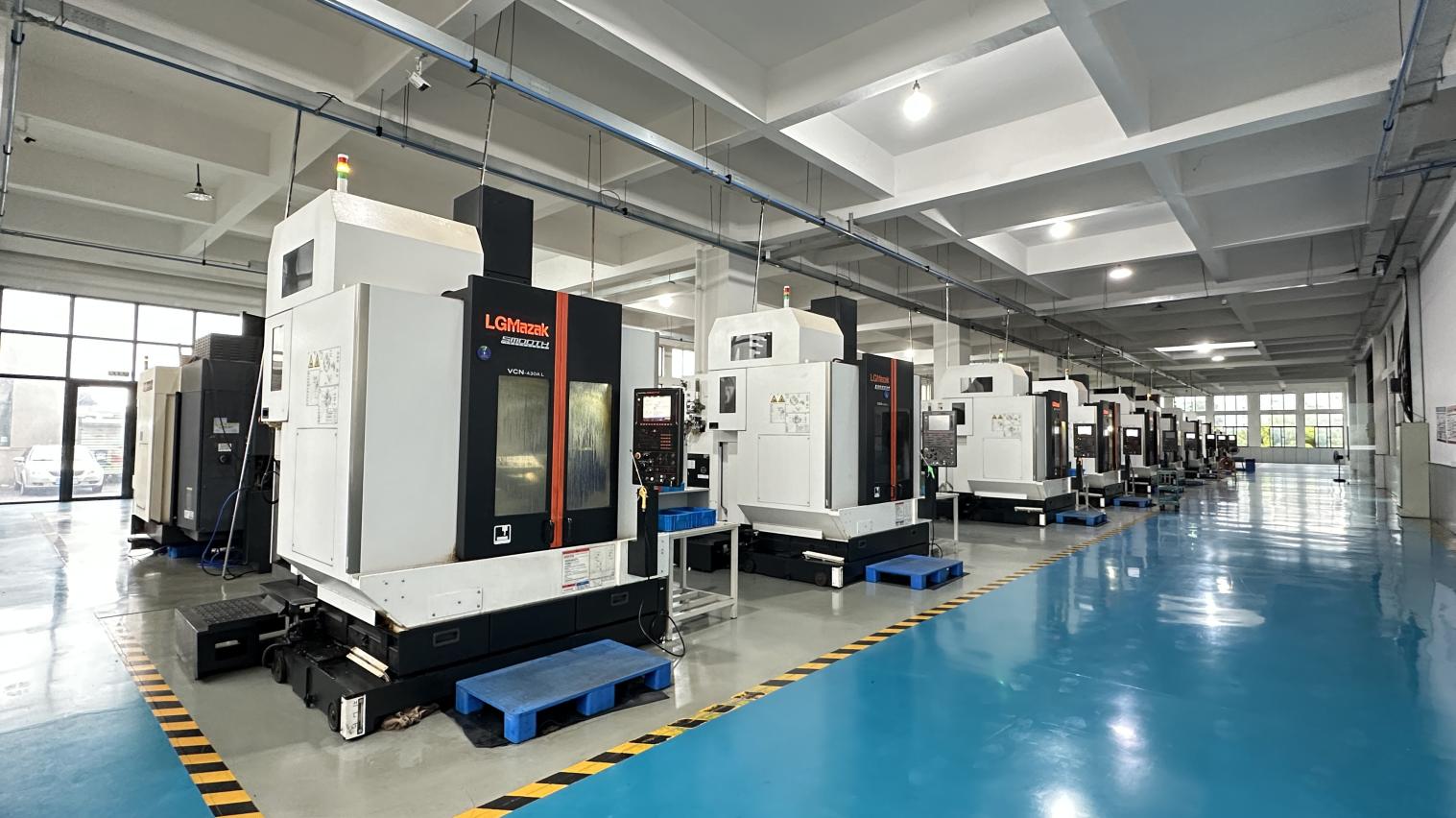
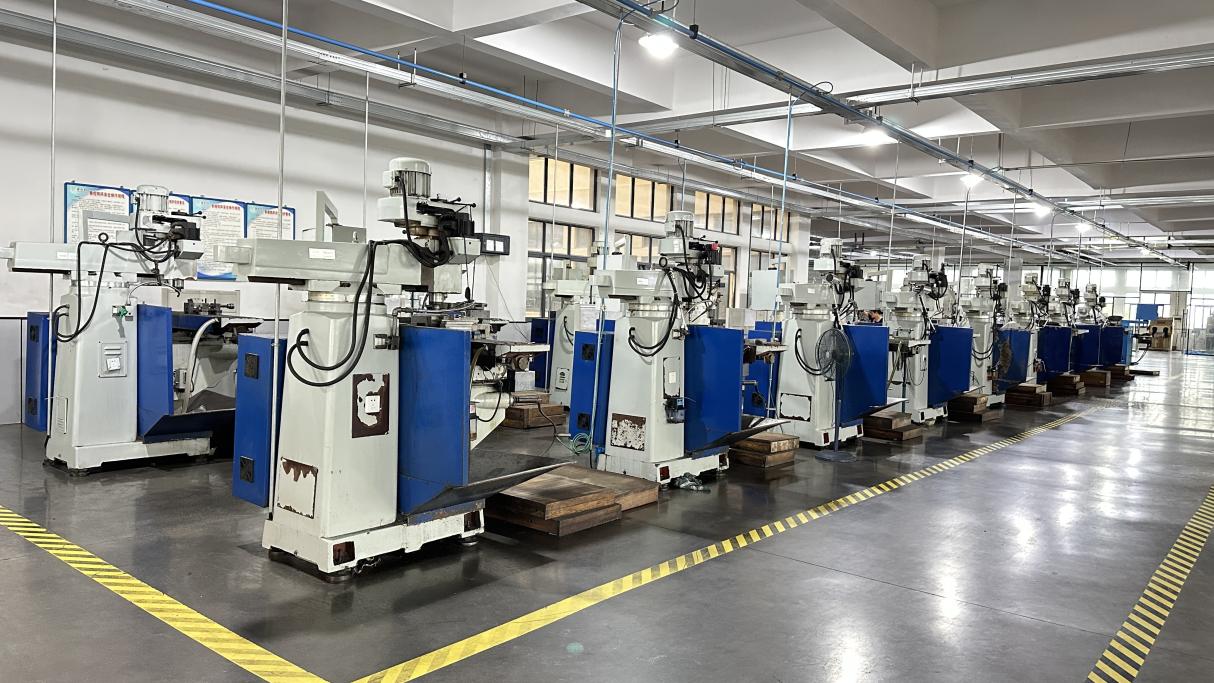
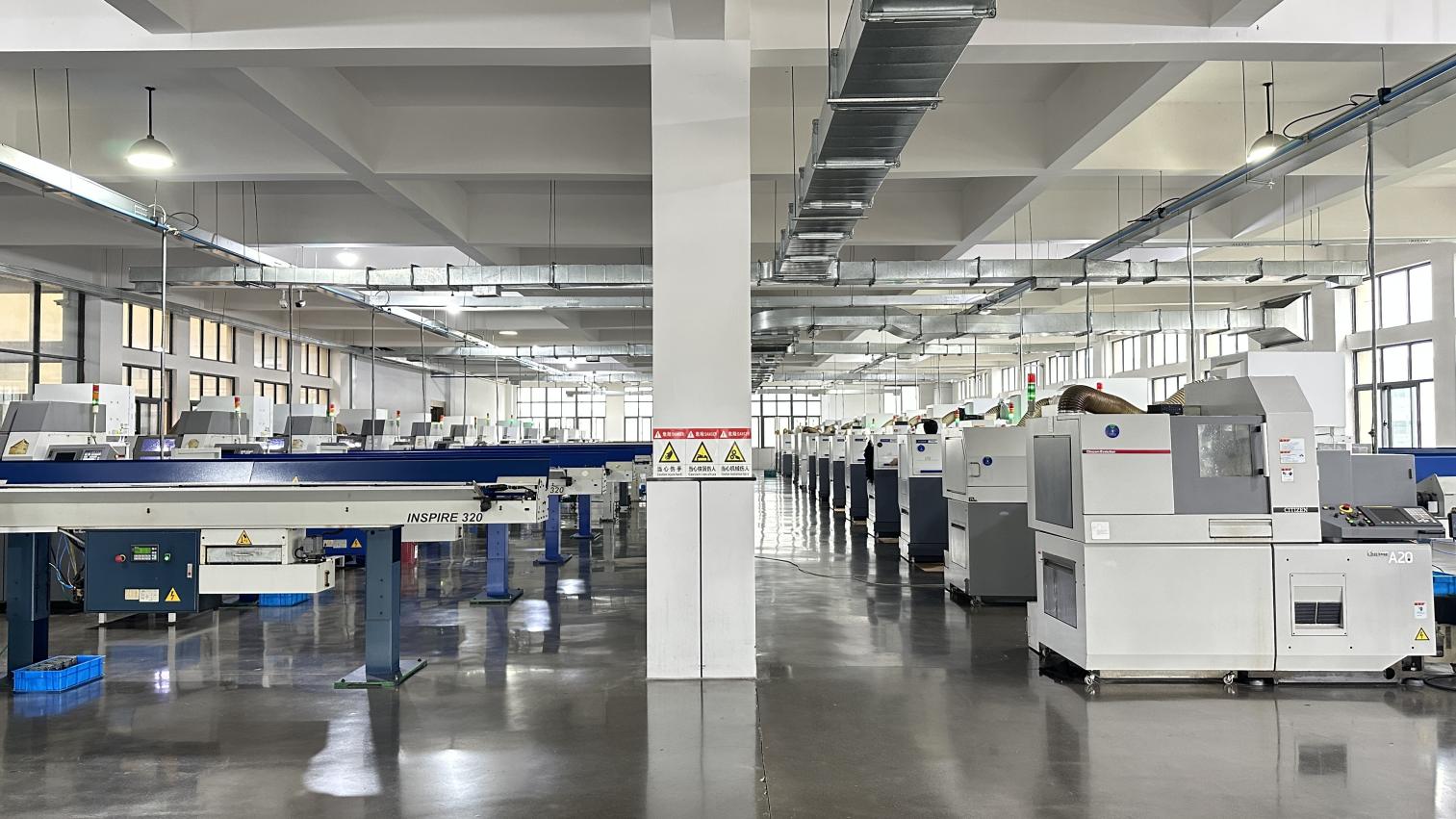
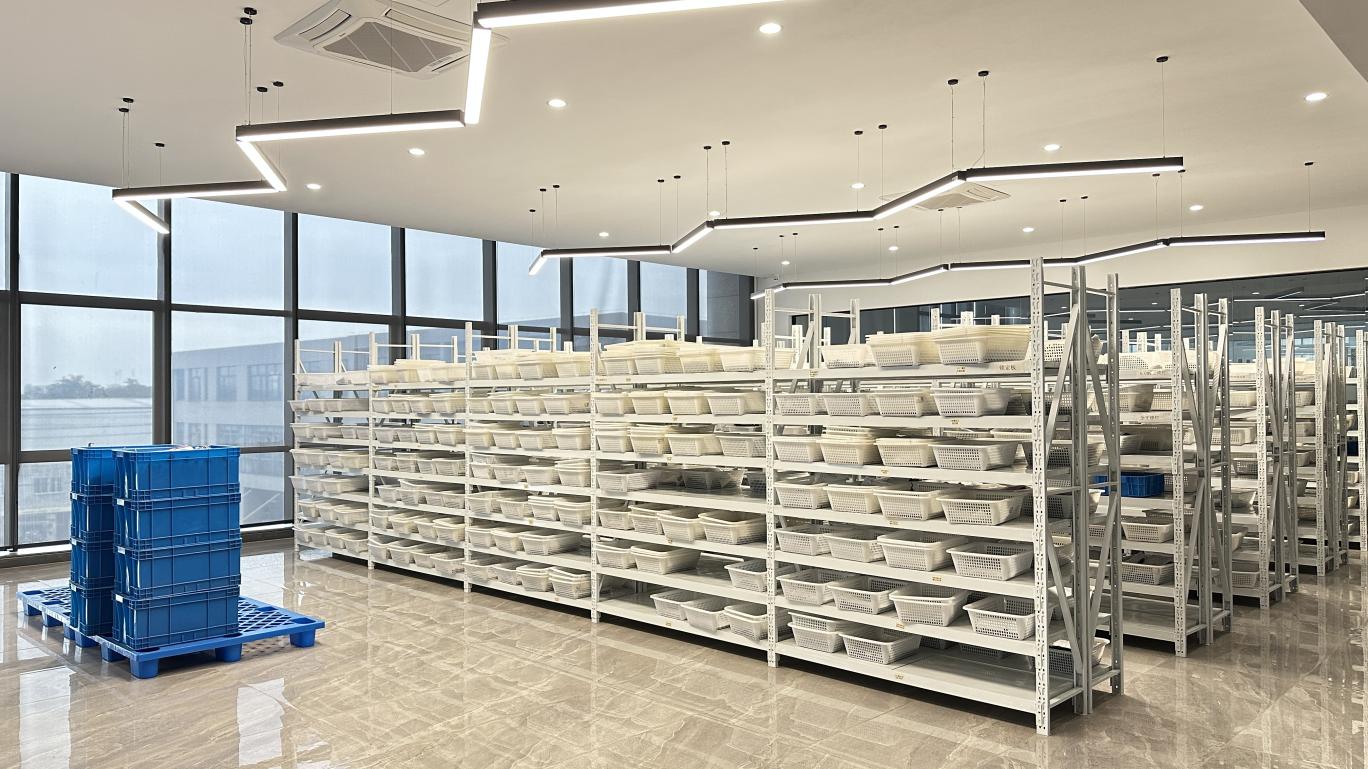
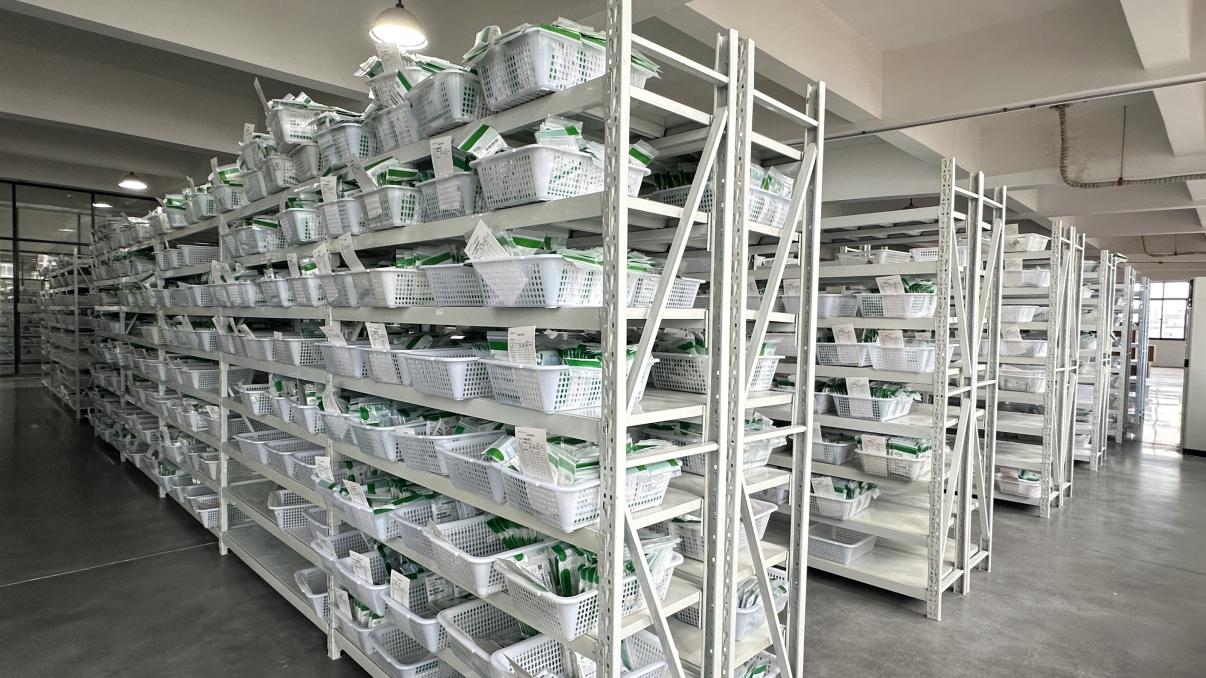
Deep dive into our ISO-certified production lines, welding chambers, powder-coating units, and assembly floors.

From CAD Concept to Clinical Approval - How we build medical carts that fit seamlessly into modern workflows.
At Tonk, our custom engineering capabilities set us apart from generic equipment suppliers. The lifecycle of a bespoke orthopedic trolley follows a strict, validation-heavy path:
Step 1: Clinical Workflow Assessment - We work closely with surgical heads and hospital designers to map out the spatial constraints, sterilization methods, and equipment capacities required for specific procedures (such as pediatric scoliosis surgeries or complex revision total hip replacements).
Step 2: 3D CAD Modeling & Stress Analysis - Our engineering division creates comprehensive 3D CAD designs. We simulate heavy loads, sudden accelerations over door thresholds, and center of gravity balances using finite element analysis (FEA). This prevents tipping incidents, safeguarding expensive surgical power tools.
Step 3: Rapid Prototyping & Real-world Verification - Before full production runs, physical prototypes are created. These models go through intense cycle runs (over 10,000 push-pull actions, drawer slides load cycles, and chemical stress testing under intense clinical detergents).
Step 4: Cleanroom Assembly & Packaging - Final assembly occurs in climate-controlled spaces to prevent particulate contamination. Completed trolleys are wrapped in protective, non-abrasive layers, securing them for global maritime or air transit.
Answering technical, structural, and regulatory queries regarding clinical carts and custom hospital equipment.
Our OEM factories utilize medical-grade 304 and 316L stainless steel for frames and shelves due to their exceptional resistance to corrosion and chemical disinfectants. For modern ODM designs, we incorporate antimicrobial thermoset powder-coatings containing active silver ions (Ag+), which interrupt bacterial respiration and cell division, significantly lowering surface colonization.
Every cart design is subjected to anti-tipping testing under maximum load configurations, complying with EN 60601-1-11 clauses. We optimize the physical center of gravity by positioning the heaviest instrument drawers at the lowest levels and utilizing a wider wheel-track configuration. The addition of shock-absorbing castors with wide diameters also prevents sudden stops at elevator gaps.
Yes, our specialized wash-tunnel-compatible trolleys utilize sealed double-ball-bearing castors lubricated with high-temperature synthetic grease, stainless steel frame structures, and drainage channels. These materials withstand exposure to steam sterilization and aggressive, high-temperature alkaline washing cycles without structurally degrading.
We provide extensive design choices. Clients can customize the drawer layout, incorporate smart RFID tracking systems, request dynamic magnetic tool tracks, integrate medical-grade isolation transformers, choose specialized castor locking mechanisms, and customize outer powder coatings to align with specific clinical department color schemes.
We supply comprehensive material test reports, ISO 13485 declarations, and certificate validations for our custom hospital furniture. Our engineers design carts to comply with regional safety standards, facilitating smooth hospital certification and validation audits.
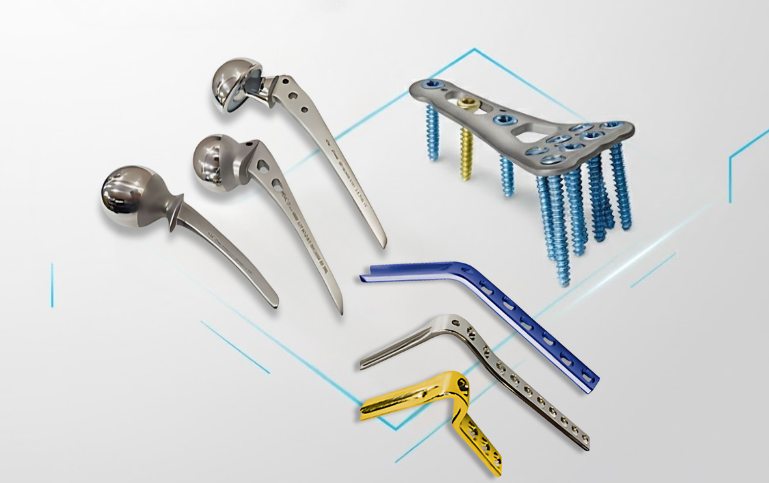
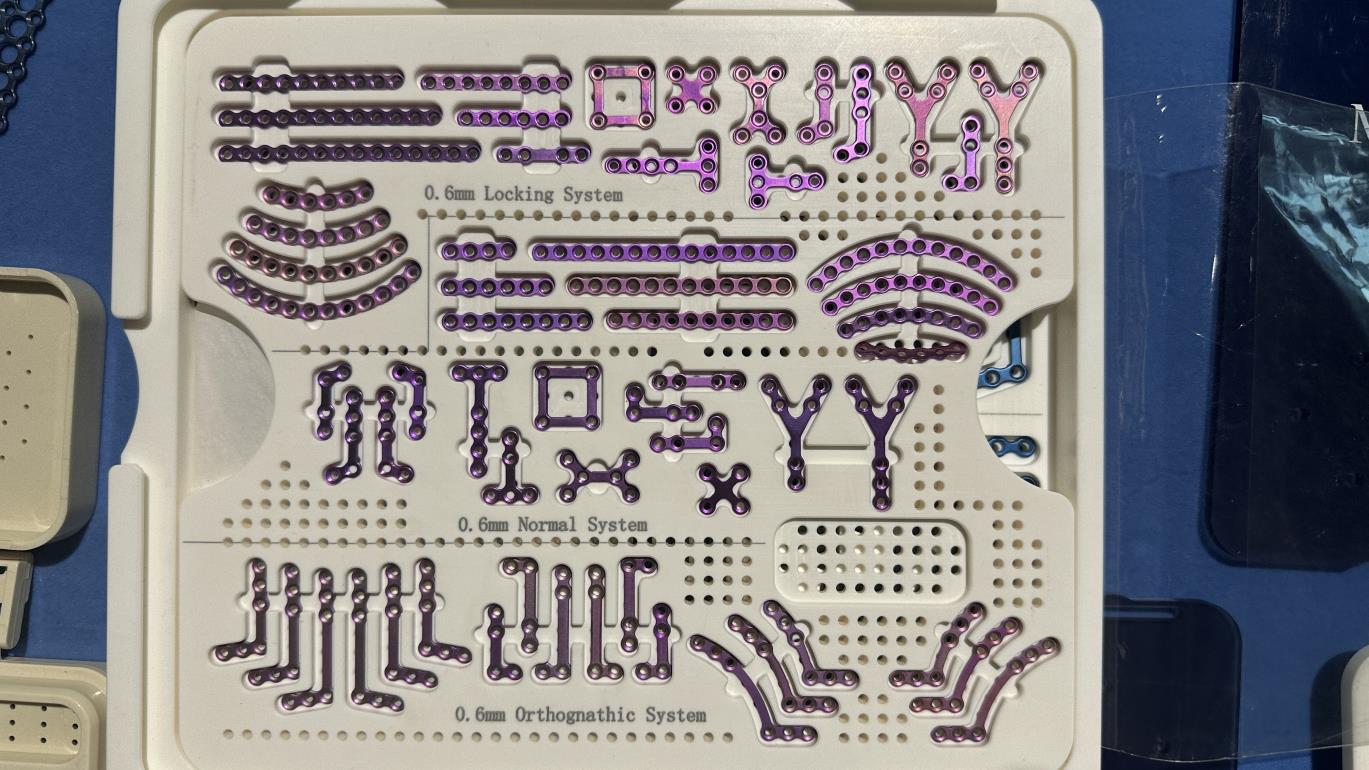
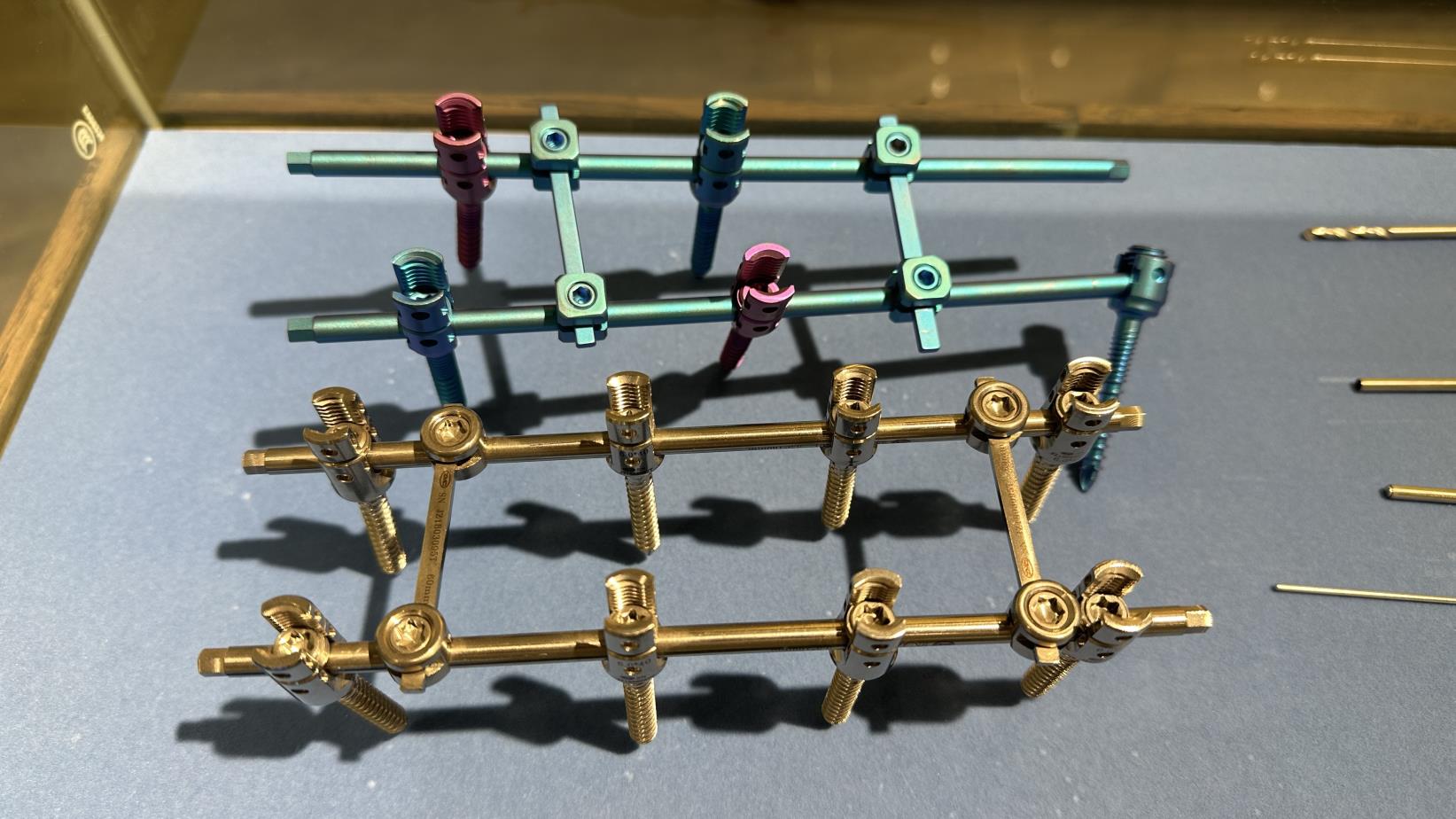
High-durability titanium, aluminum alloy, and CE-certified implant assemblies engineered for precise surgical results.
 Tonk Orthopedic Implants