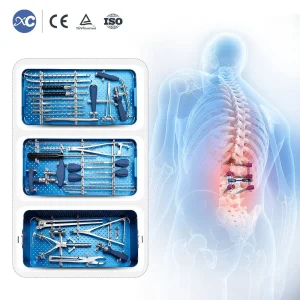
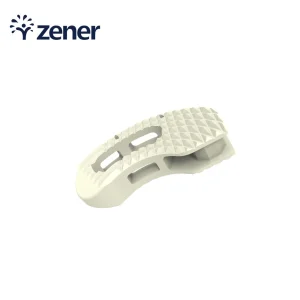
Explore our elite selection of orthopedic consumables engineered for superior anatomical fit, high mechanical stability, and excellent biocompatibility.
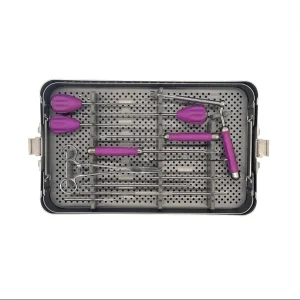
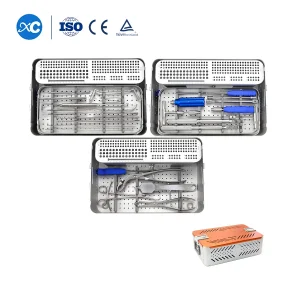
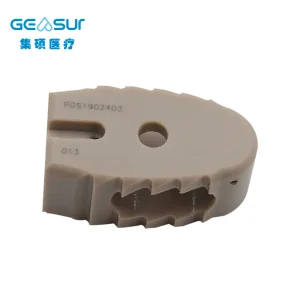
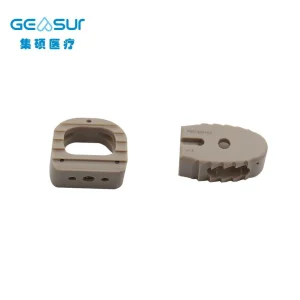
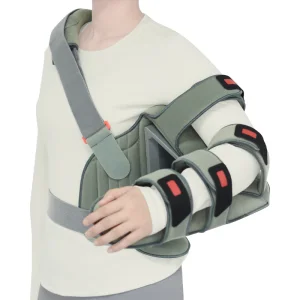
Since 1981, Tonk has been at the forefront of designing, engineering, and exporting high-performance medical equipment, hospital furniture, orthopedic implants, and laboratory instruments. In the highly demanding field of musculoskeletal medicine, our mission is to deliver biocompatible, anatomically optimized surgical solutions that improve clinical outcomes and simplify operating room workflows.
Our global footprint spans from The Americas to Europe and beyond, serving as a trusted partner for medical device distributors, tier-1 trauma centers, and healthcare networks. With a production capability backed by advanced metallurgy and surface engineering, we ensure that every orthopedic consumable we dispatch offers unparalleled stability, fatigue resistance, and accelerated osseointegration properties.
"Our goods have reached all continents. With 100+ specialized employees involved in raw material validation, precision CNC machining, cleanroom cleaning, sterile packaging, and multi-tier quality control inspections, we guarantee world-class orthopedic devices delivered seamlessly to your hospital or distribution depot."
The global demand for orthopedic consumables is shifting rapidly. With an aging global demographic, a rising prevalence of sports-related trauma injuries, and evolving clinical reimbursement frameworks (such as DRG and DIP models), healthcare systems require implants that provide the perfect balance between clinical efficacy and economic sustainability.
For B2B buyers, sourcing products like *posterior cervical pedicle screw systems* or *PEEK lumbar interbody fusion cages* involves addressing several key operational hurdles:
To support orthopedic surgeons across different clinical scenarios, we provide four macro-level product architectures:
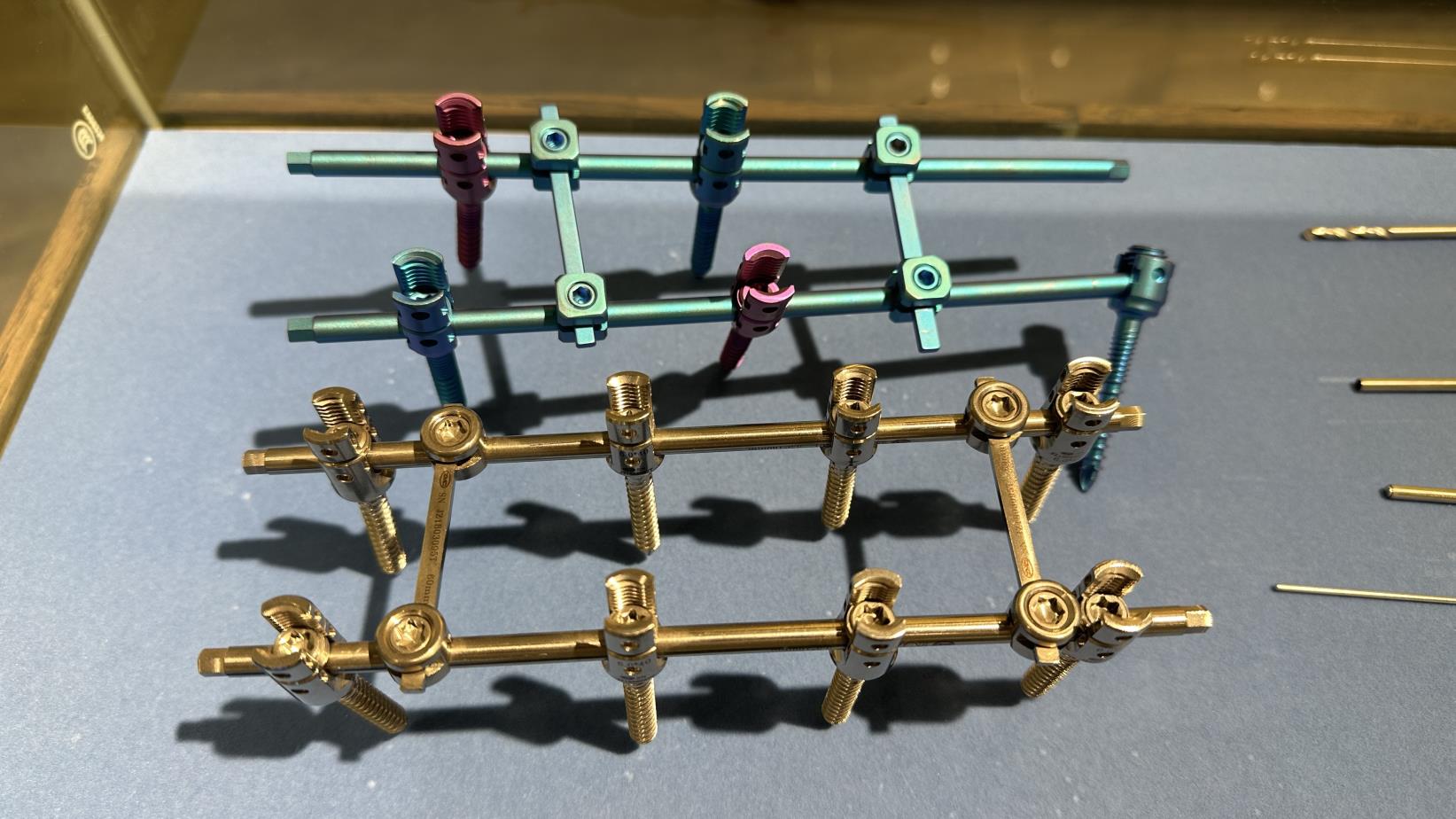
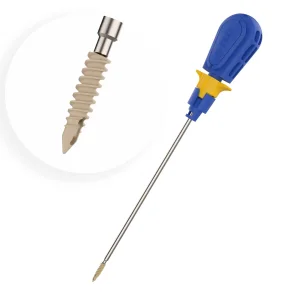
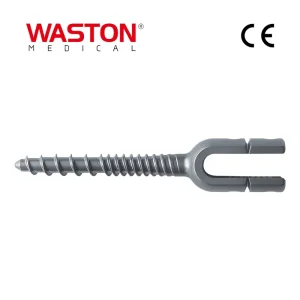
Advanced spine assemblies, including our posterior cervical pedicle screw systems, long-tail MIS screw sets, and interbody cages. Designed for micro-motion mitigation, preserving lordotic alignment, and encouraging robust bony fusion.
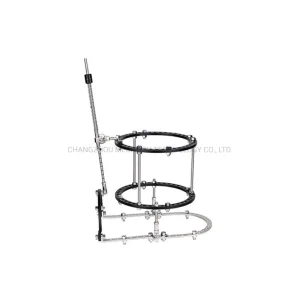
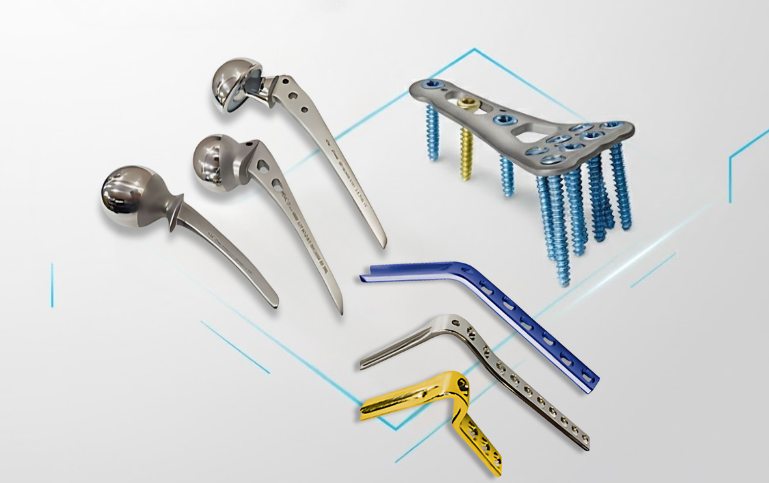
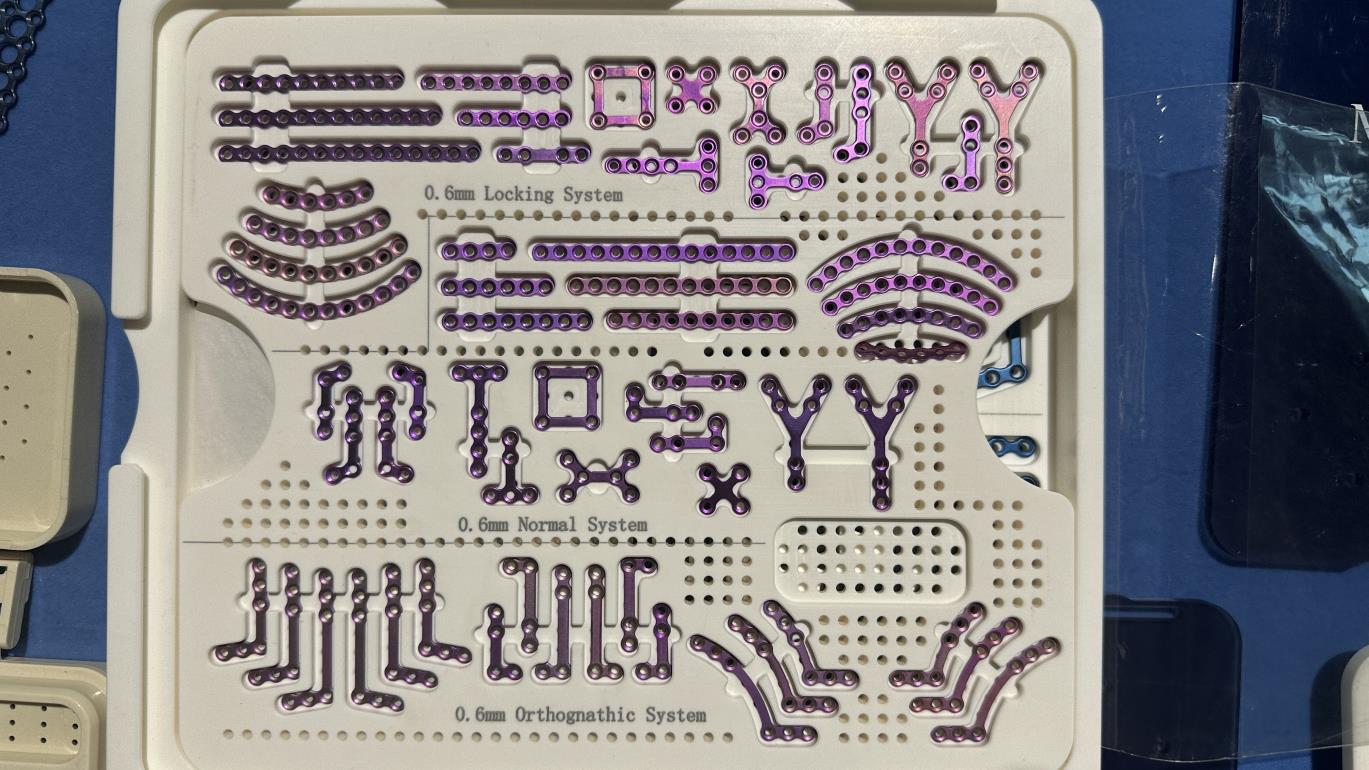
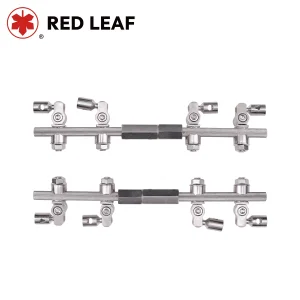
Including universal external fixators, Ilizarov ring systems, and large/small fragment locking plates. Engineered to withstand significant physiological loads while maintaining anatomical alignment throughout the healing lifecycle.
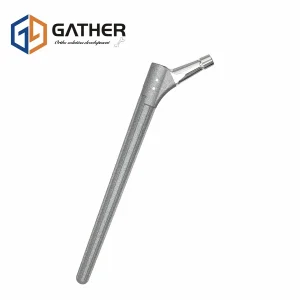
Highly precise joint replacement prosthesis (such as CE-approved knee/hip replacements) and sports medicine solutions (like non-absorbable PEEK suture anchors) designed to restore joint kinematics and support early patient mobilization.
Achieving stable osseointegration is the gold standard for implant design. Historically, PEEK (Polyetheretherketone) has been favored for its bone-like elastic modulus, which helps avoid stress-shielding. However, raw PEEK is bioinert. Our technical roadmap bridges this gap by integrating advanced Titanium-PEEK composite coating technologies.
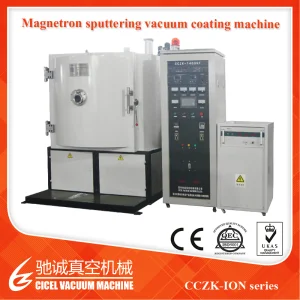
Using our *Cicel Magnetron Sputtering Vacuum Chrome and Titanium Coating Systems (CCZK-ION)*, we apply an ultra-thin, highly adherent layer of biocompatible titanium onto PEEK interbody fusion cages. This process provides several key engineering advantages:
Every step of our production, engineering, and logistics framework is designed to deliver reliability and compliance.

Our dedicated logistics department coordinates with top international carriers to ensure prompt, secure deliveries worldwide.

Every Tonk product undergoes rigorous physical and mechanical testing to guarantee patient safety and surgeon confidence.

We combine advanced engineering with optimized manufacturing methods to offer premium orthopedic solutions at competitive prices.

Our professional post-sales customer service team remains available 24/7 to resolve technical and procurement queries.
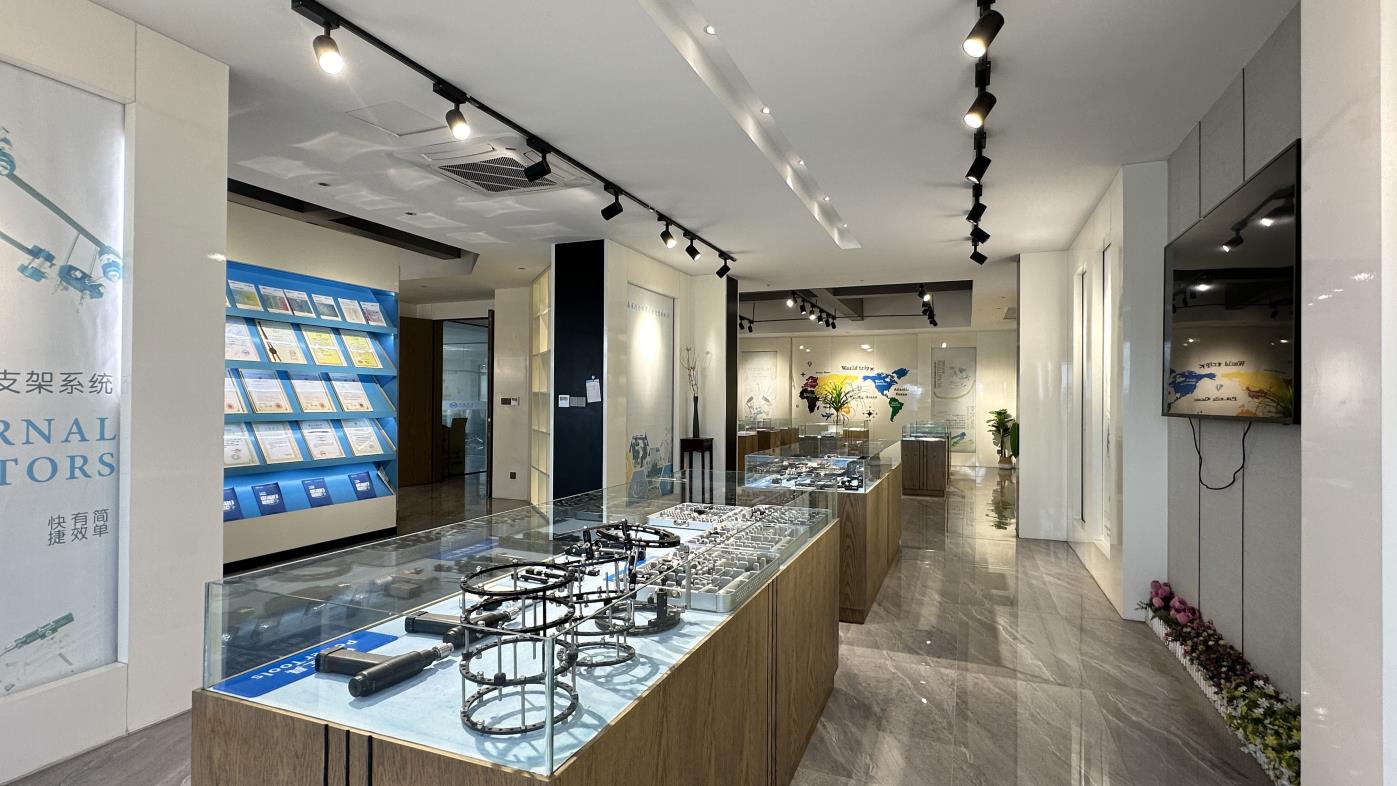
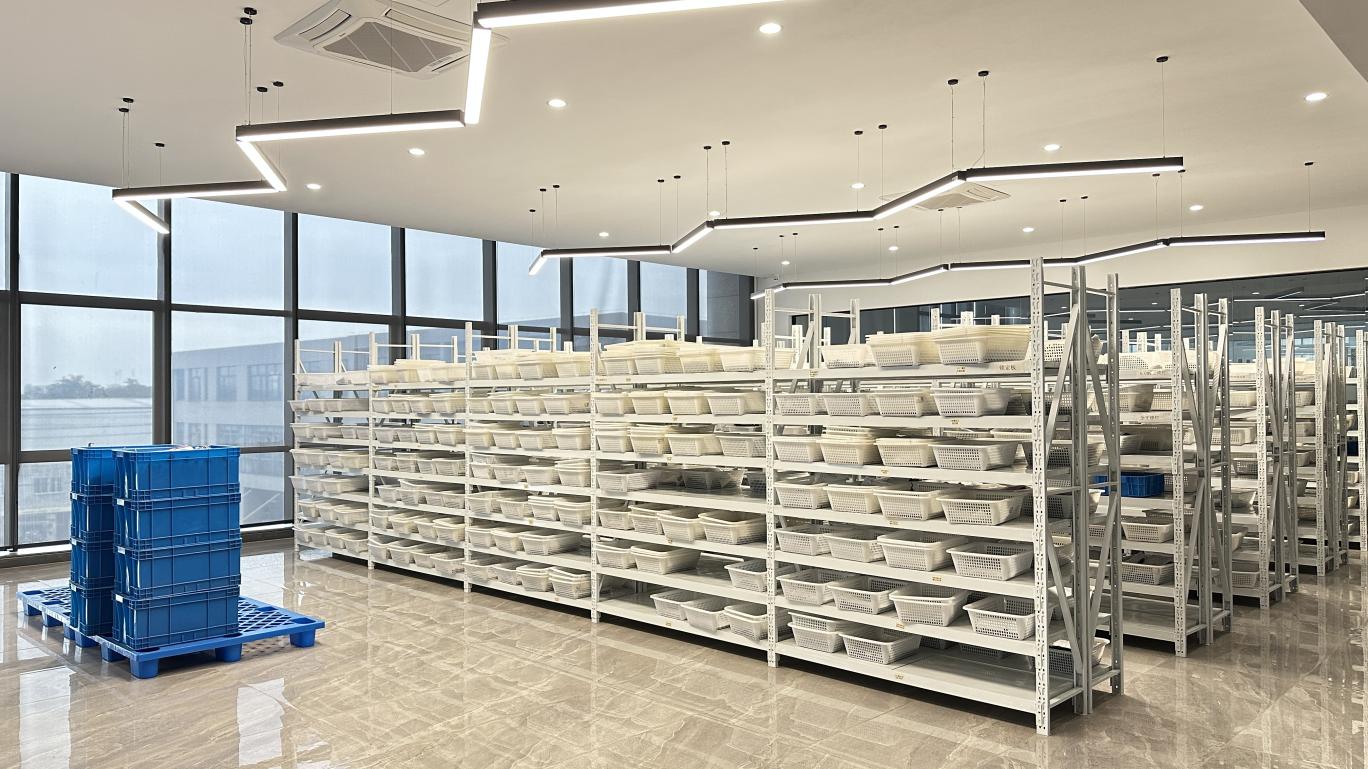
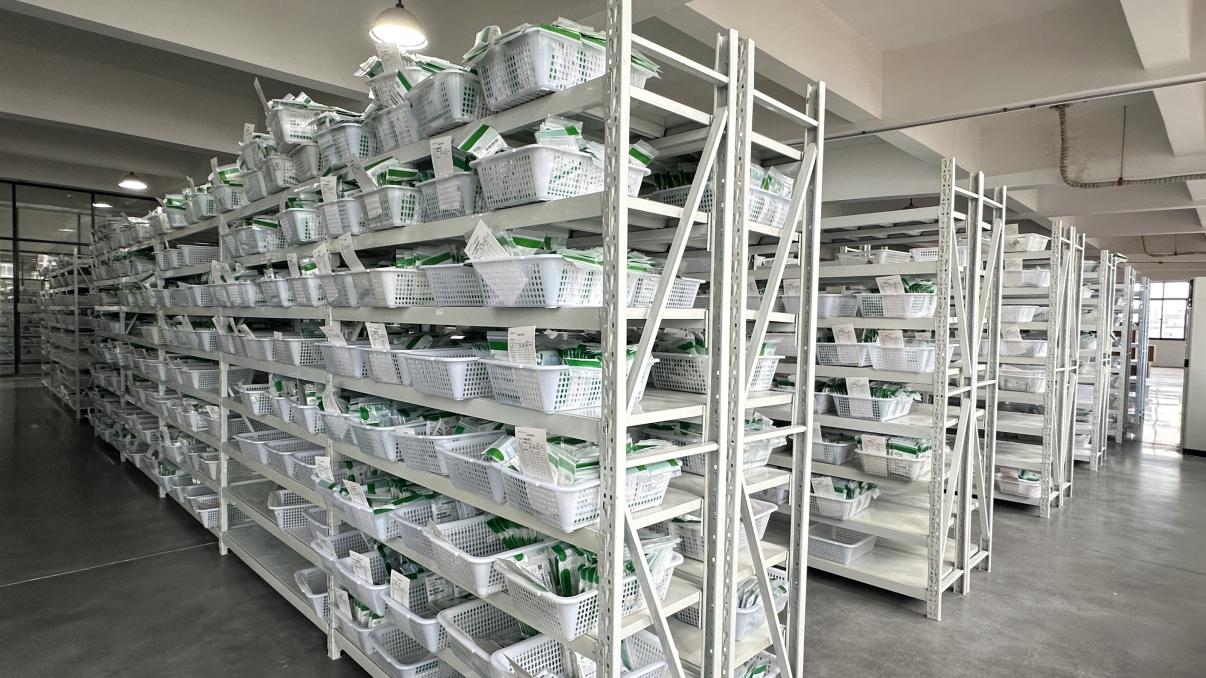
Inside look at our raw material testing, high-precision five-axis CNC machining, ultrasonic cleaning lines, and sterile packaging facilities.

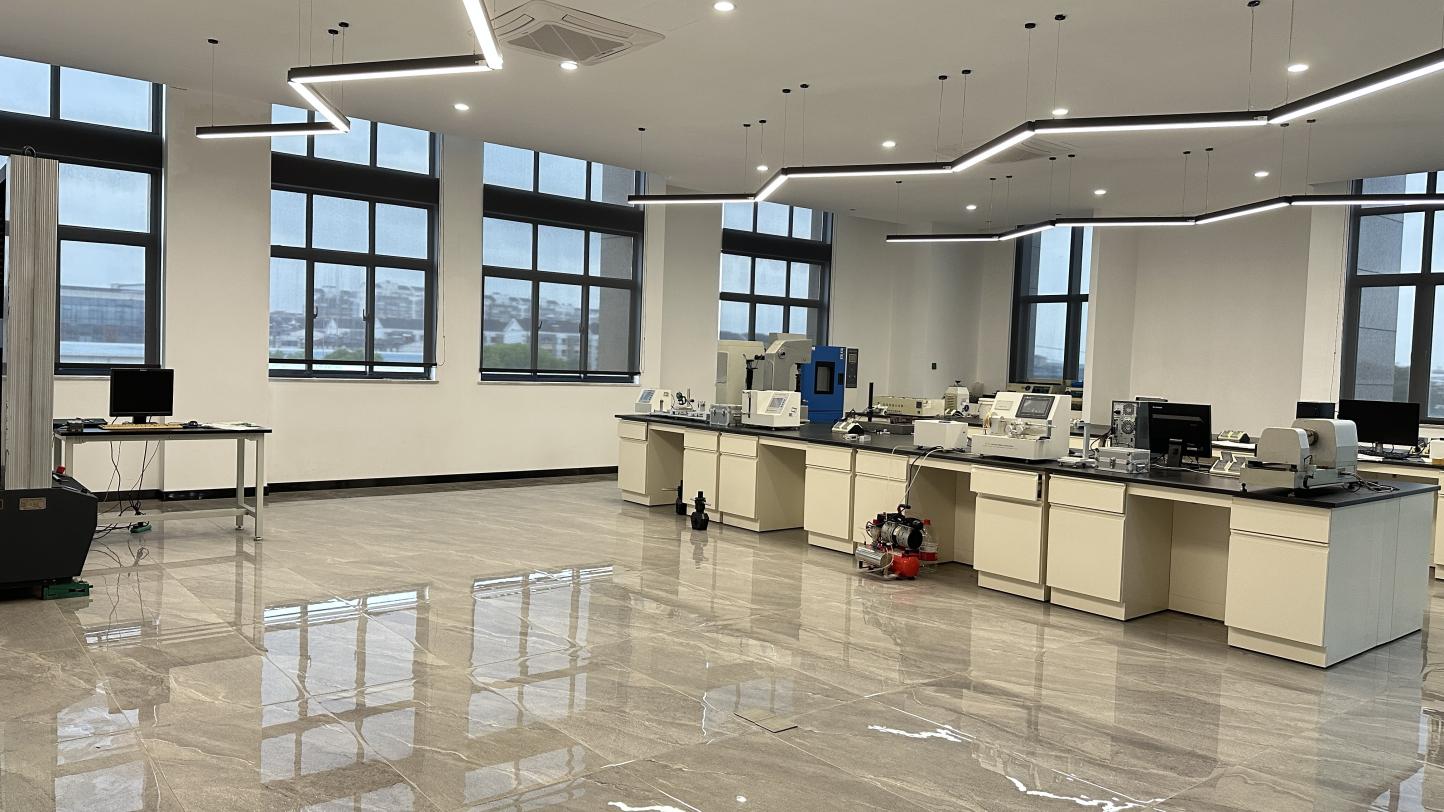
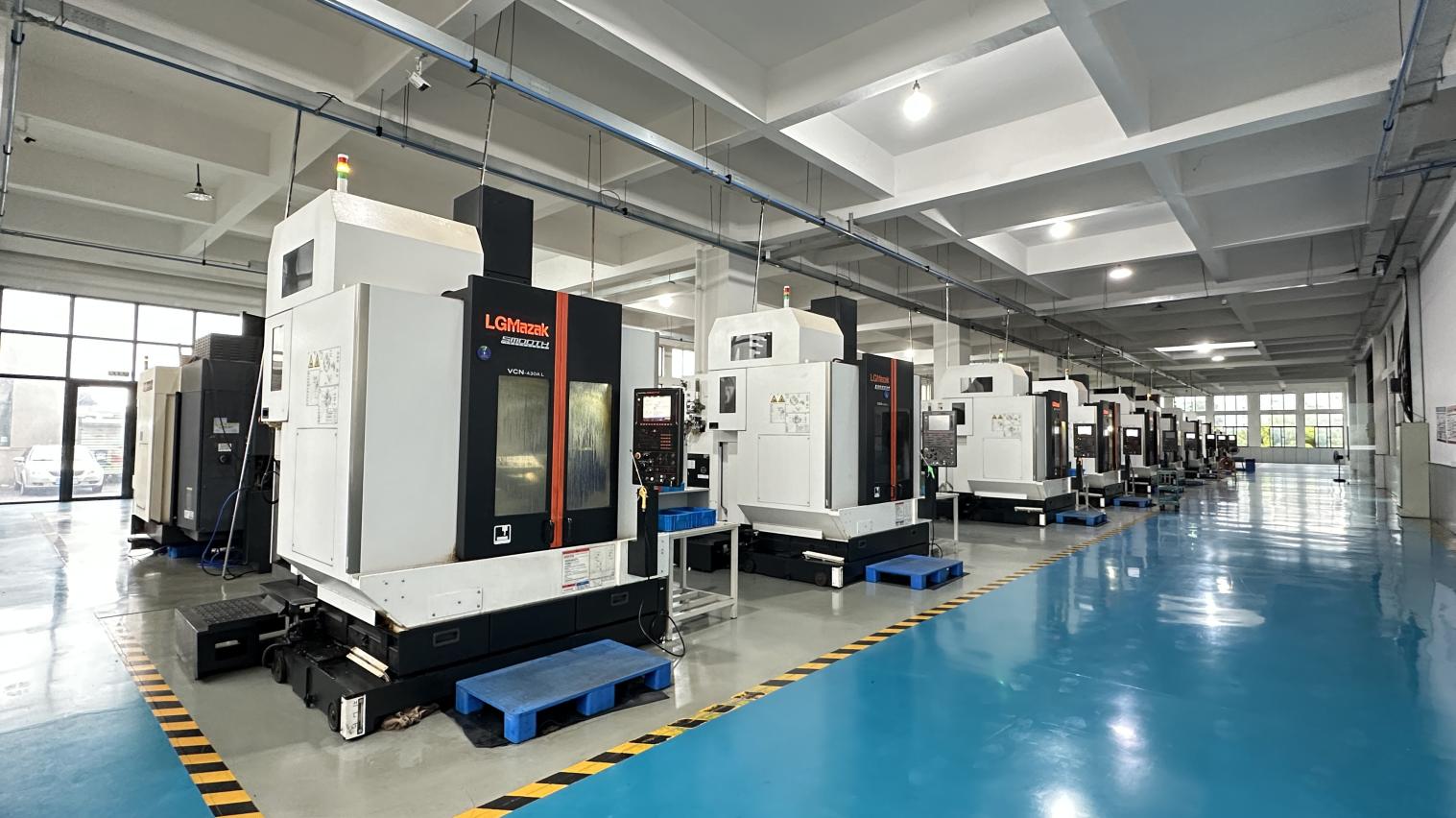
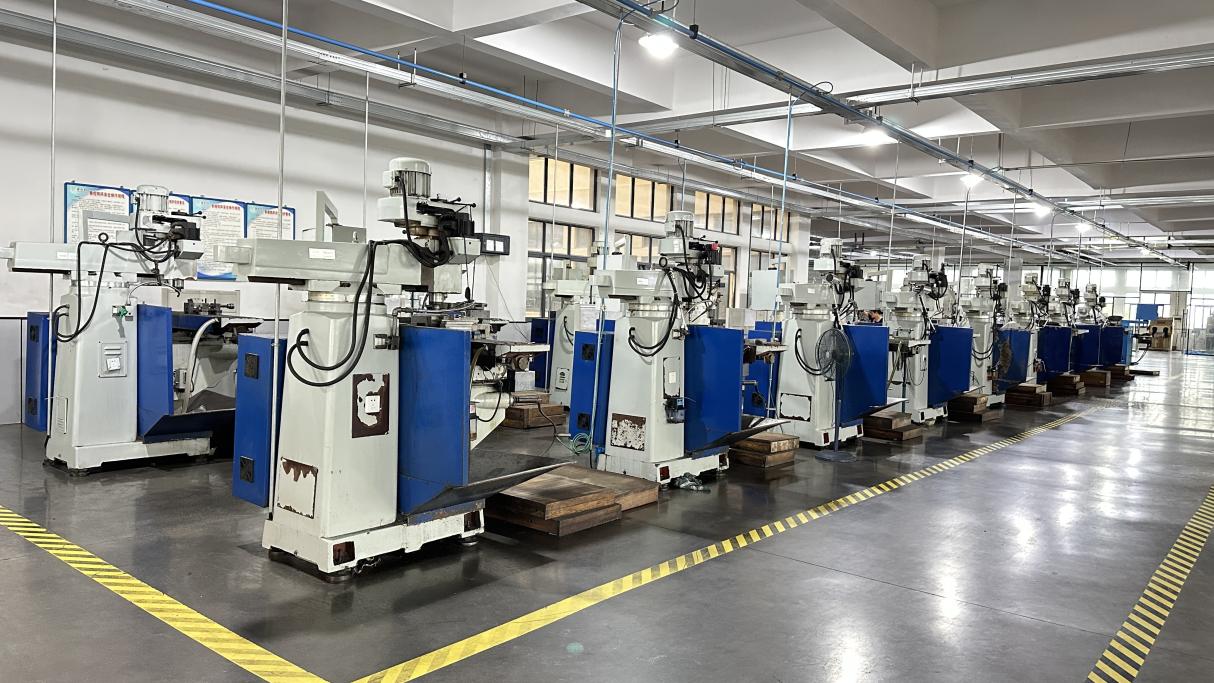
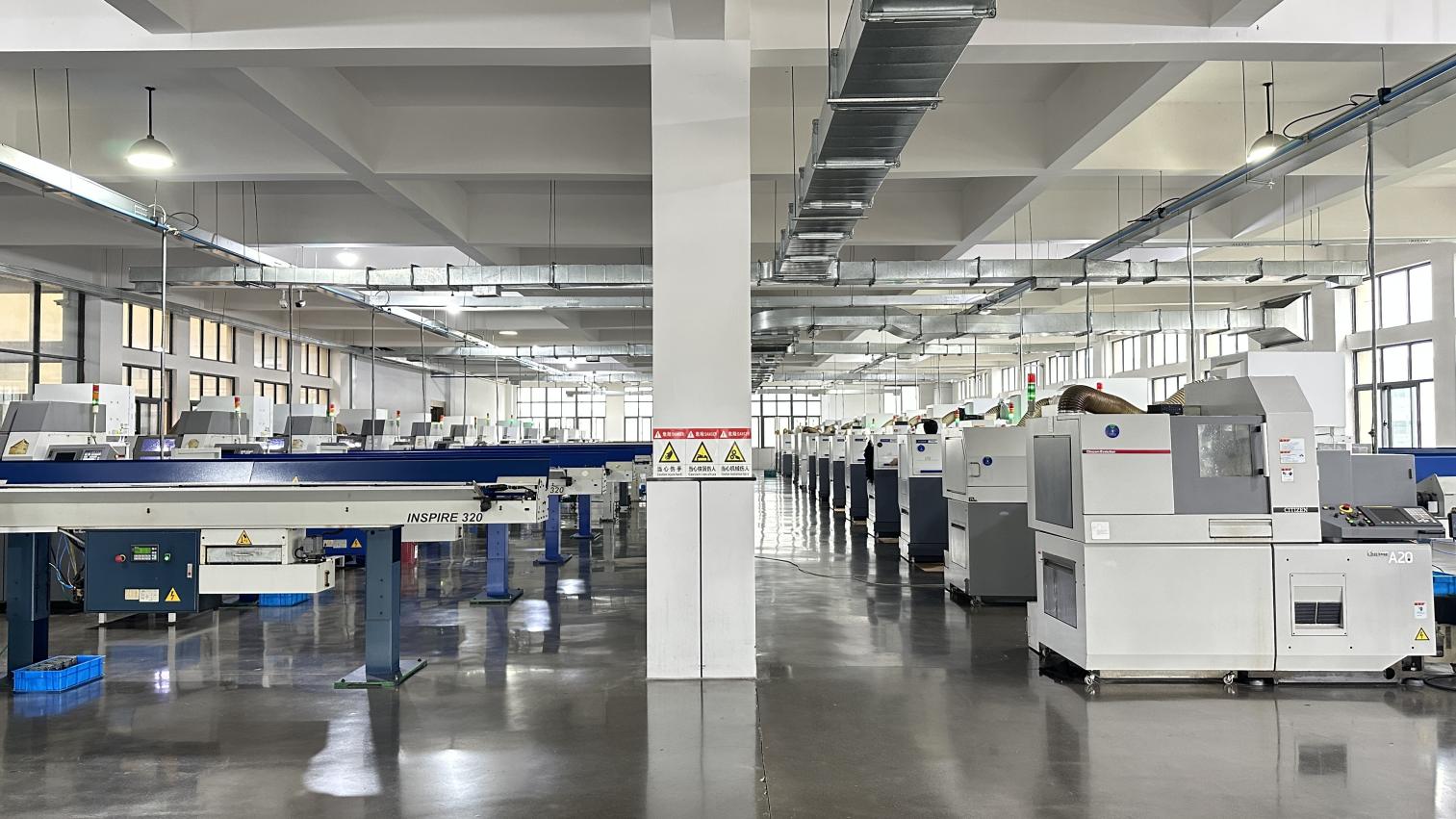
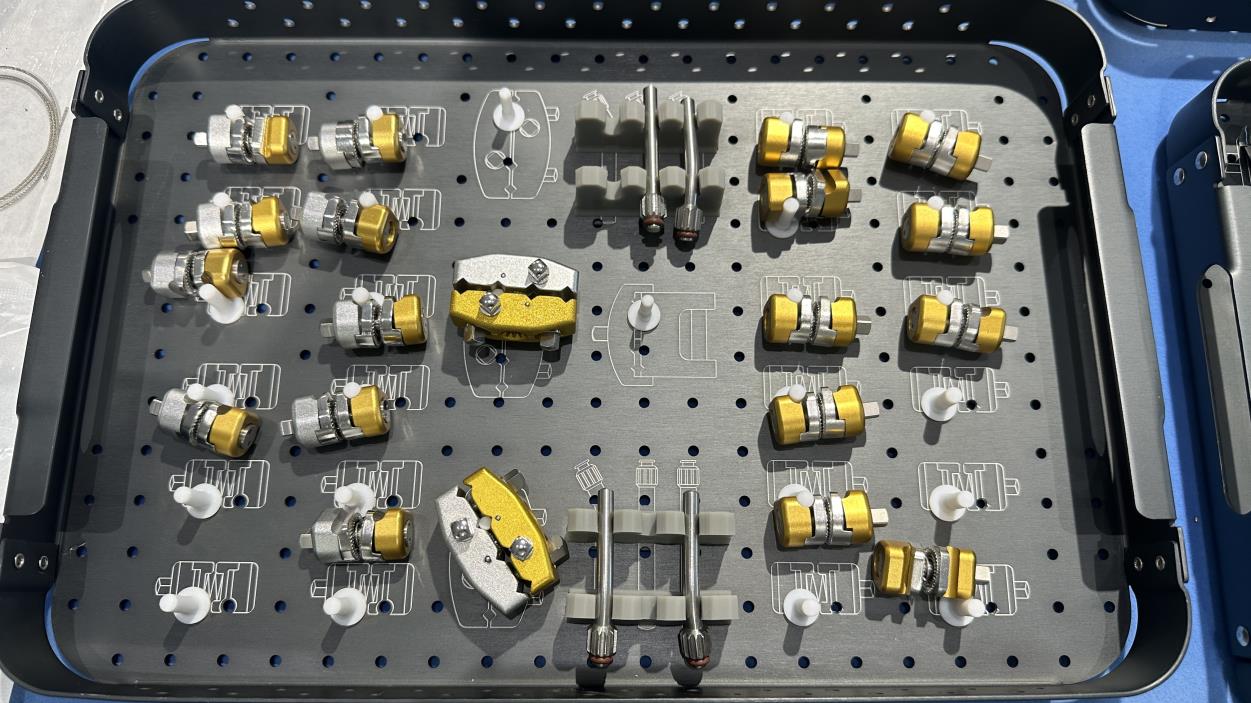
Operating in the life sciences sector requires strict adherence to international regulations. At Tonk, we follow structured compliance frameworks to ensure our products integrate smoothly into clinical workflows globally.
Our quality management system is certified under the ISO 13485 standard for medical devices. Every stage—from initial raw material selection (ASTM F136 Titanium Alloy, PEEK-OPTIMA) to final double-sterile barrier packaging—is tracked with a unique device identifier (UDI) for complete traceability.
Our production facilities utilize Class 10,000 (ISO Class 7) cleanrooms to minimize bioburden and particulate levels prior to sterilization. Our automated cleaning systems remove all manufacturing residues, ensuring high implant biocompatibility.
Our logistics department manages international shipping challenges. We handle import customs documentation, certificate of origin validation, and specialized container shipping to keep products sterile and undamaged from our factory floor to your hospital door.
Technical answers regarding raw materials, coatings, manufacturing standards, and ordering processes.
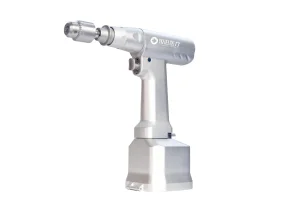
Explore our surgical power tools, joint prostheses, and trauma fixation assemblies engineered for consistent clinical performance.
 Tonk Orthopedic Implants