Explore our elite portfolio of high-precision surgical instruments, biocompatible implants, and surgical navigation integration components.
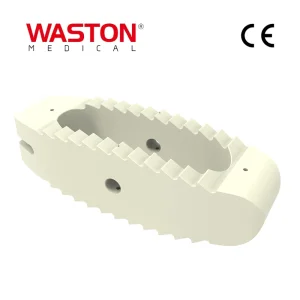
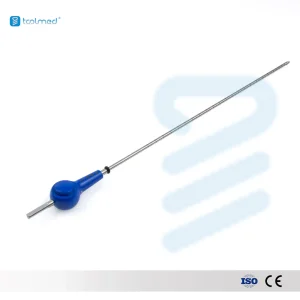
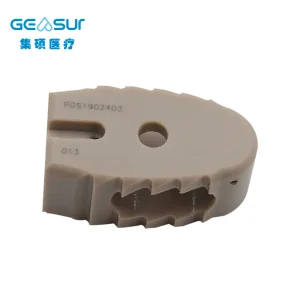
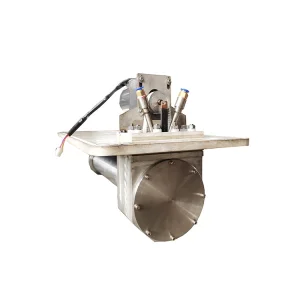
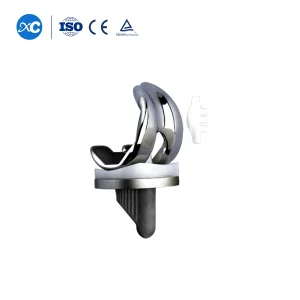
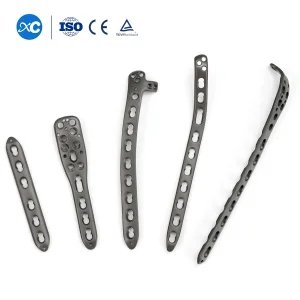
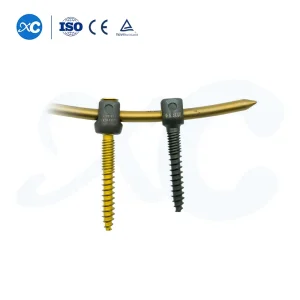
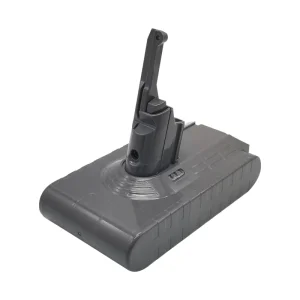
Modern clinical settings require unprecedented surgical precision. Intraoperative navigation systems (IONs) represent the pinnacle of this technological evolution, serving as the spatial steering core for complex neurosurgical, spinal, and orthopaedic interventions. By synthesizing real-time spatial positioning tracking with pre-operative imaging modalities (CT, MRI, and 3D fluoroscopy), these systems offer surgeons real-time visual alignment with sub-millimeter margins. This level of computational guidance dramatically reduces surgical exposure times, minimizes soft tissue disruption, and increases implant positioning accuracy to over 98.5%, significantly decreasing secondary correction rates.
Regulatory Compliance Notice: Achieving CE Marking under EU MDR 2017/745 is non-negotiable for active surgical equipment. Our systems align strictly with high classification standards, assuring clean integration with class-leading tracking hardware and high-grade biocompatible structural implants.
As a premier exporter and ISO 13485 certified manufacturer, our production pipelines address the exact needs of modern hospitals. From mechanical tolerances of intraoperative registration arrays to the optical reflectance indexes of passive reflective spheres, every component is scrutinized. We provide comprehensive navigation infrastructure setups that align with multi-vendor implants and surgical workflow suites, guaranteeing seamless cross-system compatibility.
We combine vertical integration, advanced CNC tolerances, and rigorous international quality standards to deliver cost-effective navigation assemblies.
By leveraging China's dense industrial clusters, we source raw medical-grade titanium and high-performance engineering plastics (PEEK-OPTIMA) directly, controlling tolerances and costs from billet to finished sterile implant.
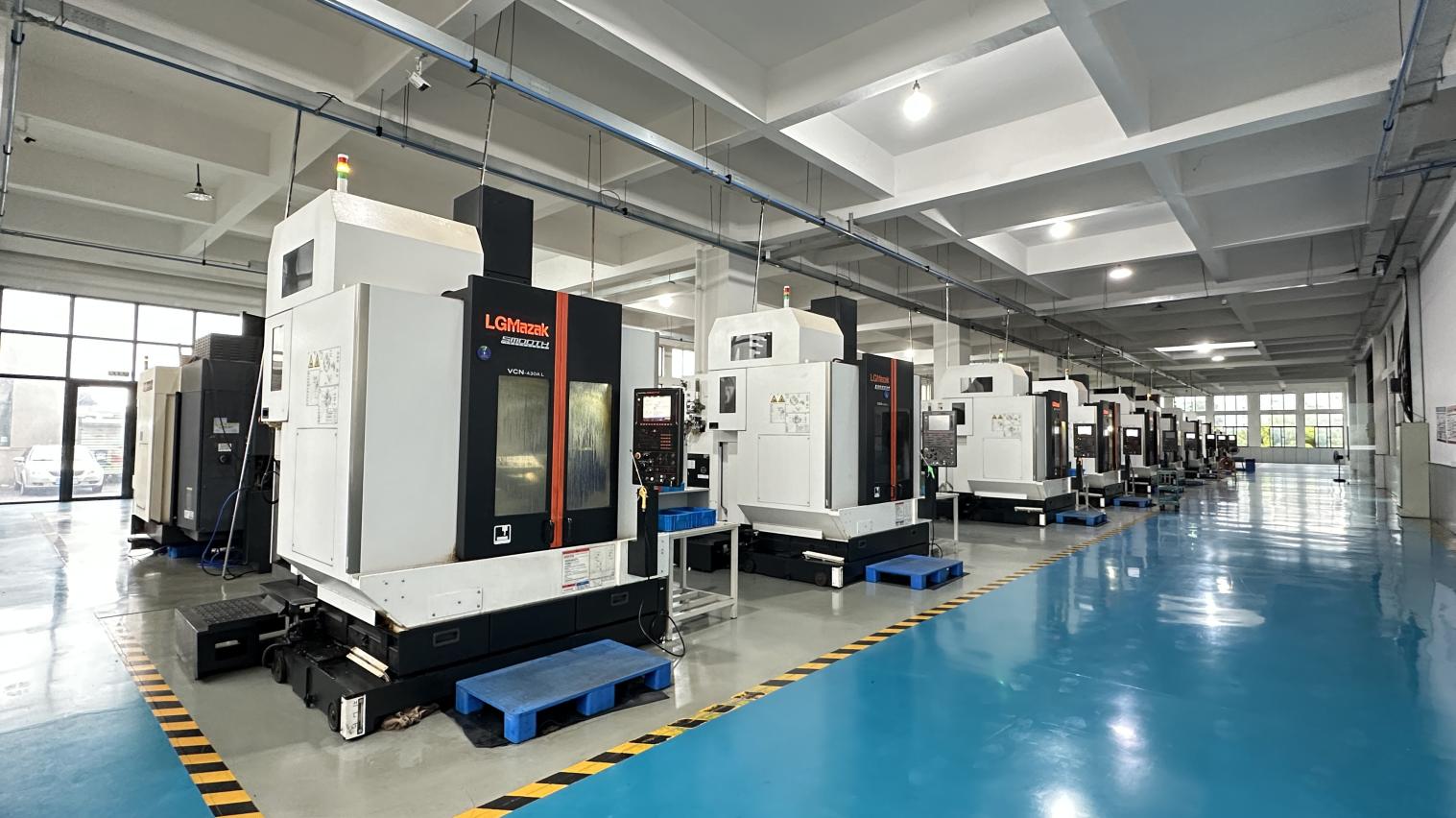
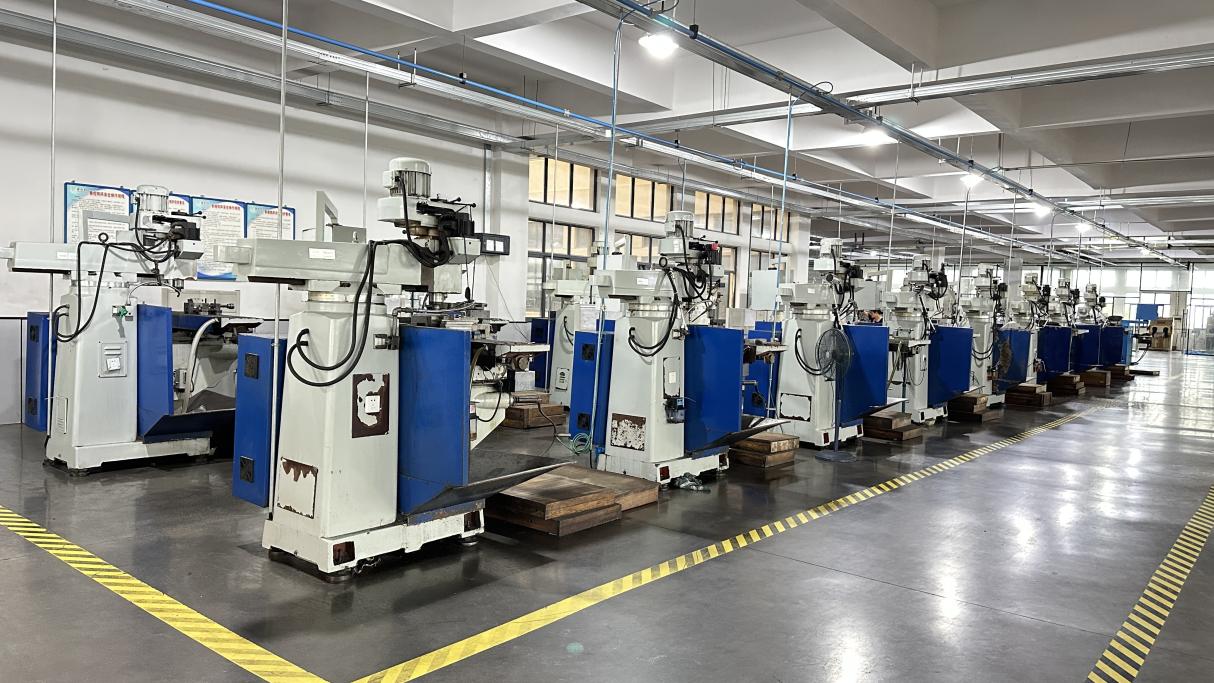
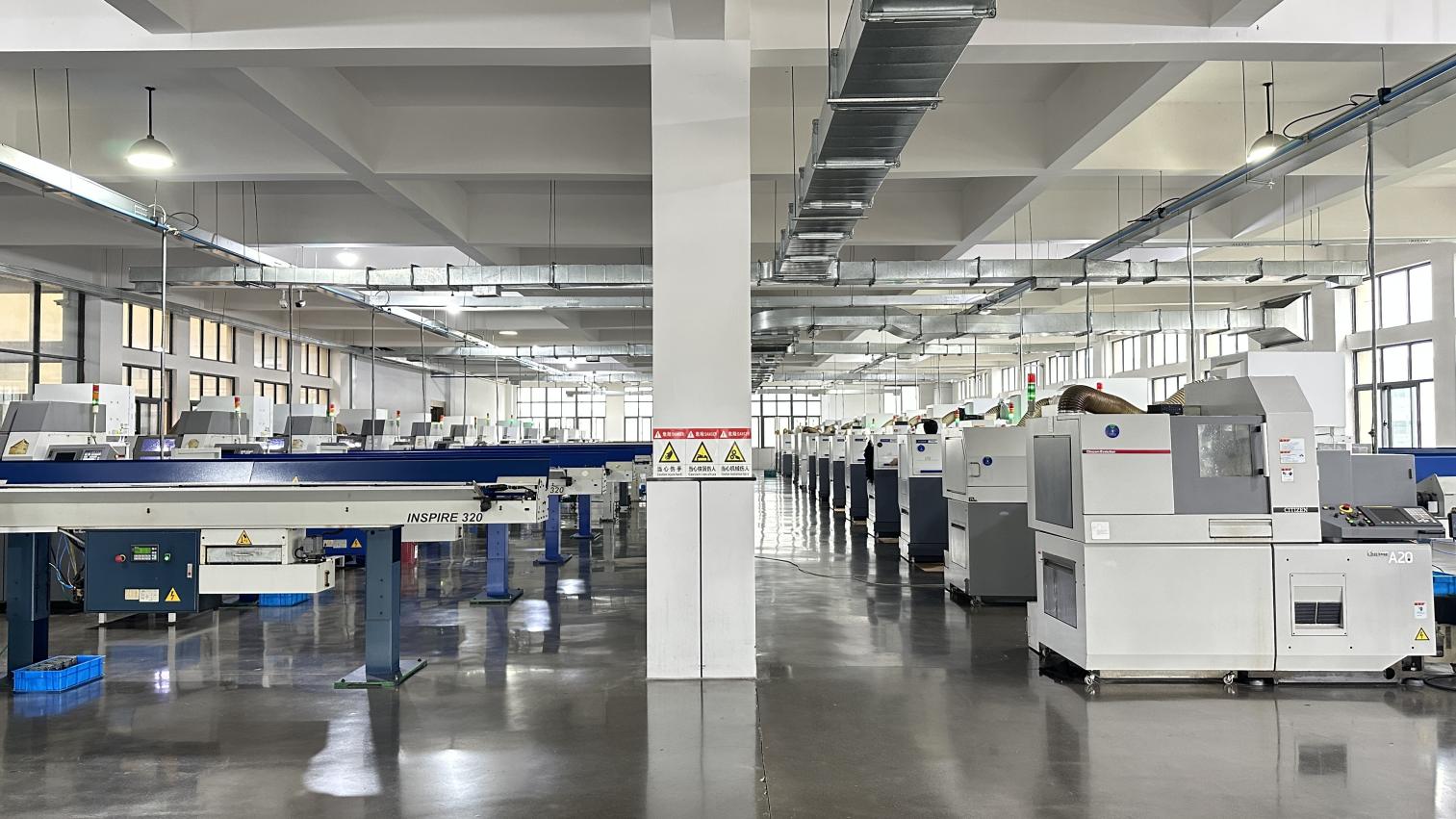
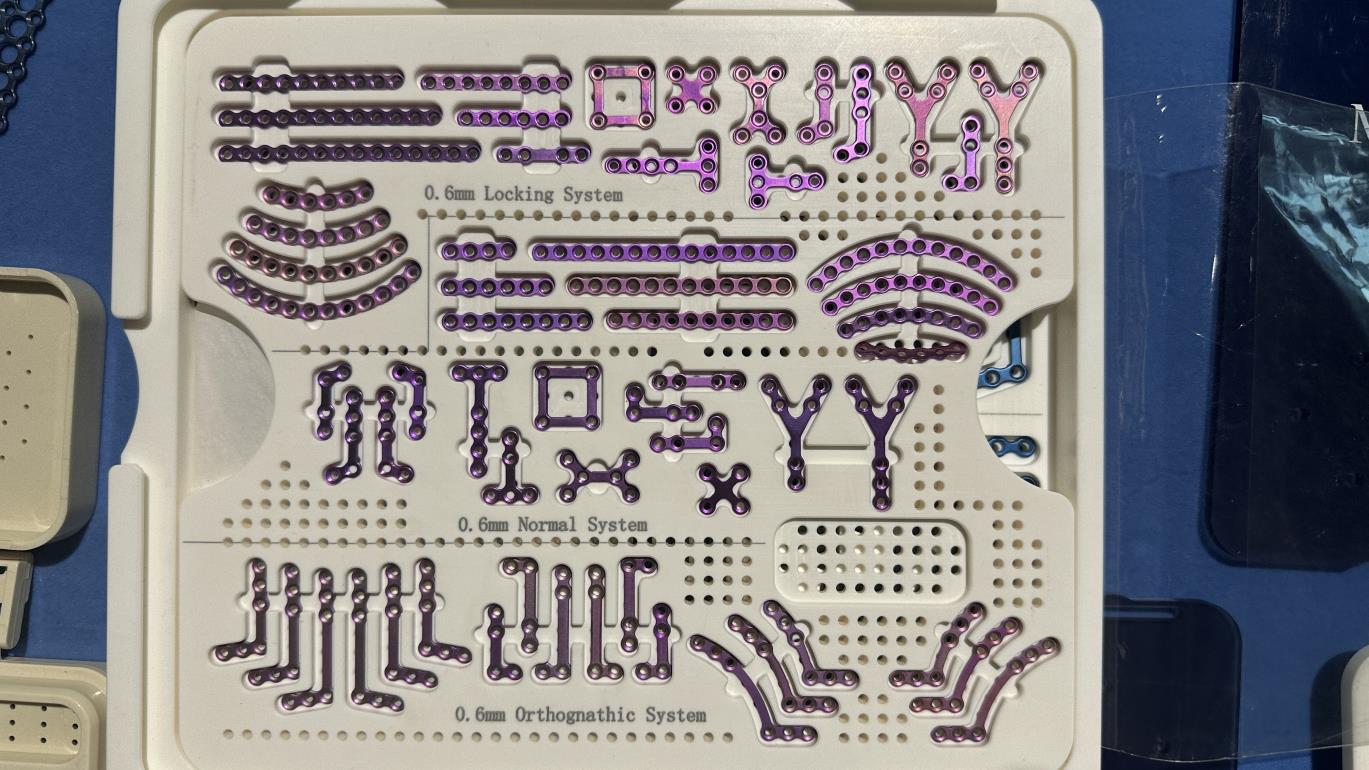
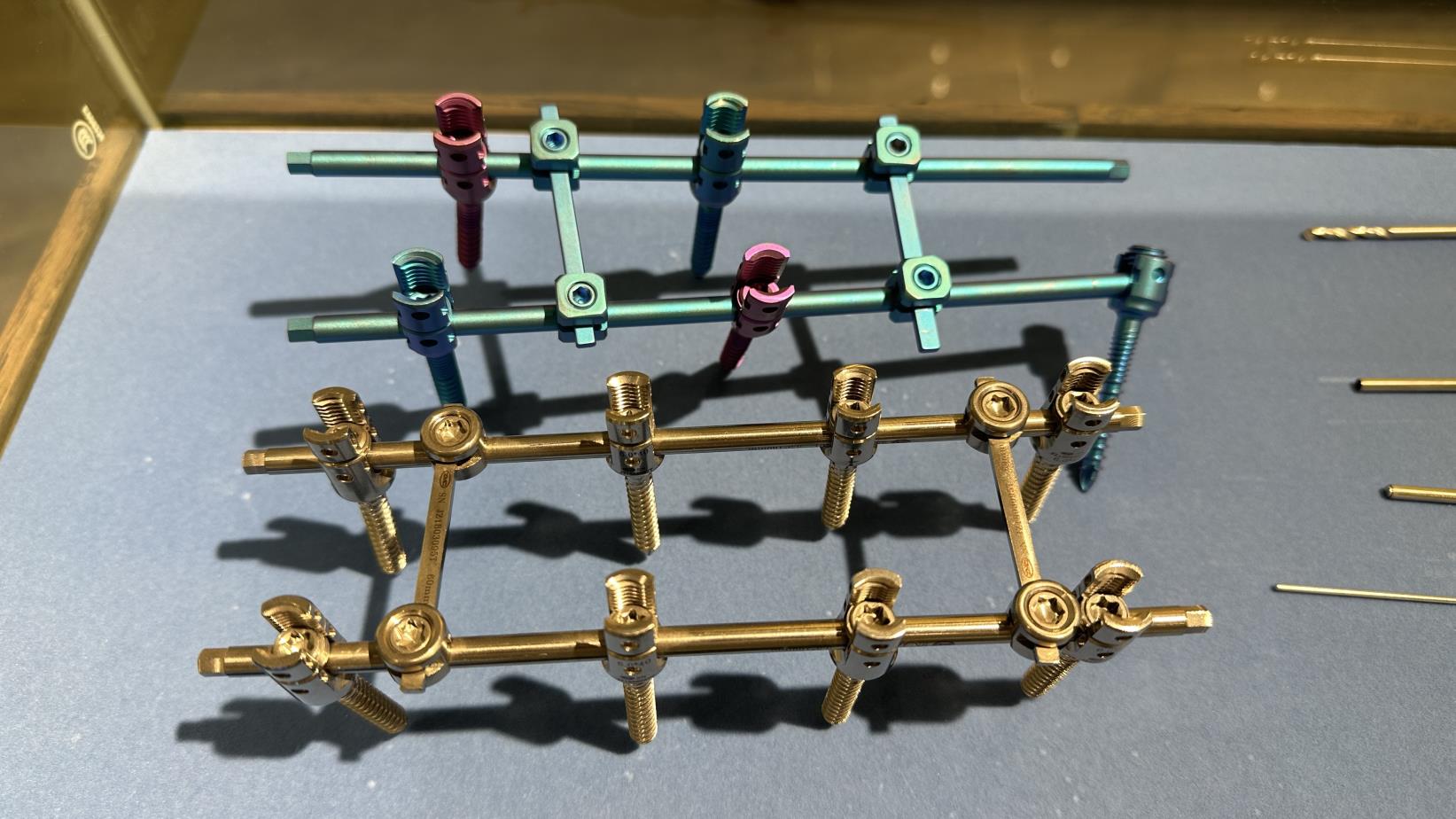
Our facility houses ultra-precise multi-axis CNC machines capable of producing pedicle screws, locking plates, and calibration arrays with positioning tolerances narrower than 5 microns, ensuring reliable tracking reflection.
All surgical components undergo systematic coordinate measuring machine (CMM) testing, surface finish profiling, and chemical passivations, conforming strictly to EU MDR 2017/745 standards.
Our state-of-the-art facilities in China operate Class 10,000 (ISO 7) and Class 100,000 (ISO 8) cleanrooms dedicated to final implant cleaning, sterile packaging, and assembly of sensitive tracking components. Undergoing rigorous validating testing under ISO 11135 and ISO 11137 standards, all surgical instruments and implants reach sterile processing hubs with zero Ethylene Oxide (EO) or radiation residue, meeting the most demanding bioburden tests demanded by European clinical inspectors.
Our solutions adapt to the workflows of modern hybrid operating rooms. By creating open-architecture software hooks, our intraoperative systems interface with standard DICOM PACS servers, allowing surgical teams to visualize, plan, and simulate trajectories days before the patient enters the sterile field.
During the procedure, optical navigation cameras capture infrared reflections from reference arrays attached to the patient's anatomy. The software fuses these real-time coordinates with pre-operative scans, displaying the precise location of specialized surgical tools relative to critical vessels and neural paths. This workflow is crucial for spinal pedicle placement, where deviation of even a millimeter can lead to severe neurological complications.
A proven historical record of manufacturing and supply chain reliability spanning over four decades.
Tonk was established in the year 1981 and has since been engaged in the export of Medical equipments, Hospital equipments, Orthopaedic Implants & instruments, Laboratory equipments, Scientific & Educational products worldwide. Our goods have reached all continents from "The Americas" to "Europe" and beyond. With 100+ employees who are involved in activities related to production, inspections and dispatch we assure you world class healthcare products delivered to your doorstep. Each employee has in-depth knowledge about the product and has years of experience to back that knowledge.
Maintaining the integrity of medical manufacturing demands a rigorous, repeatable process from raw material validation to final delivery.

The logistics department makes sure that your goods reach you with the best available carriers in the shortest possible time frame.

Every Tonk product comes with an assurance of high quality and zero compromise in its production, performance, and safety.

Our innovative approach towards product design and production help us bring you the best products at even better prices.

Our expert post-sales customer service team is available 24/7 to promptly answer all your queries regarding our products.
For hospital groups, public tenders, and international distributors, evaluating intraoperative navigation systems and orthopaedic implants requires deep technical validation. When matching systems to clinical requirements, procurement directors must evaluate several key performance criteria:
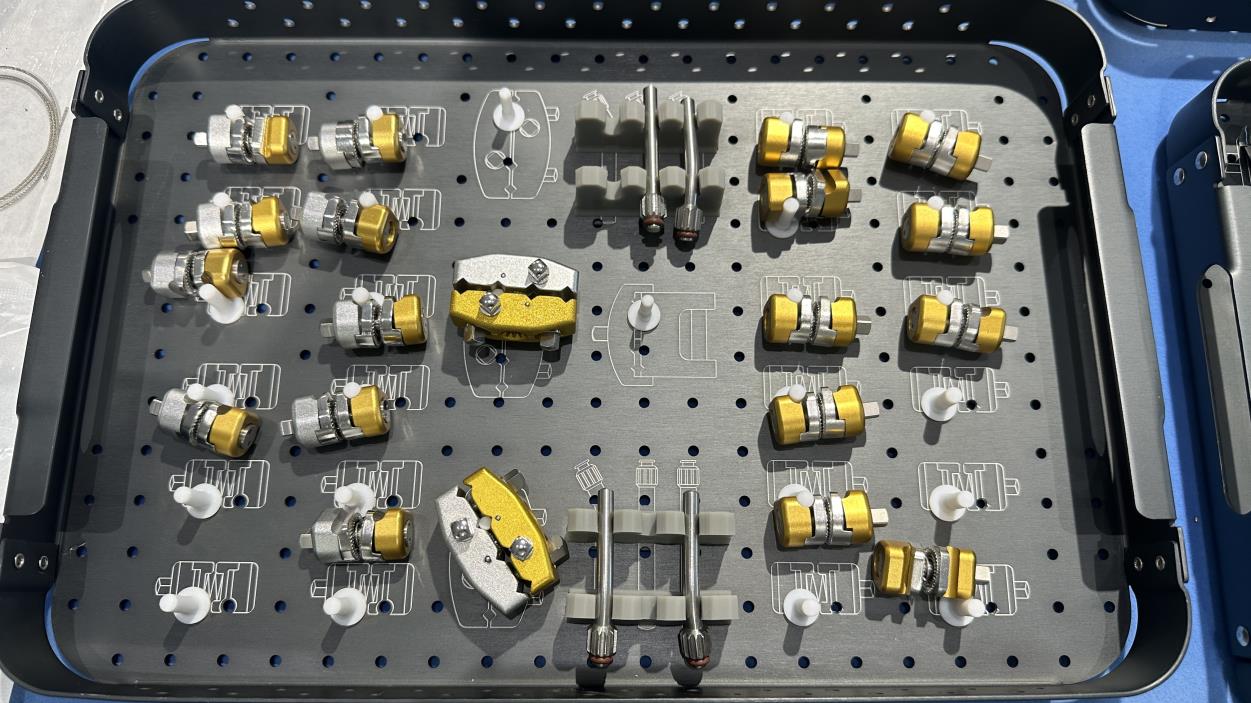
System tracking accuracy depends heavily on spatial calibration algorithms. Modern surgical setups must support multi-point geometric registration and automated verification arrays, ensuring the actual tip of the navigated instrument matches the digital representation within less than 0.5 mm deviation. Our systems accommodate passive retroreflective markers and active infrared emitters, allowing seamless configuration based on hospital workflow preferences.
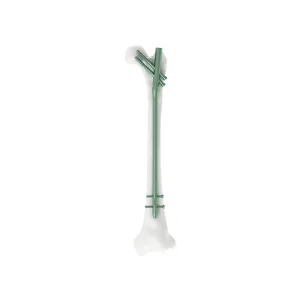
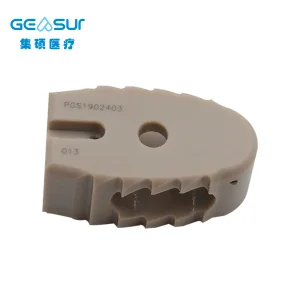
The interface between navigation systems and implants is critical. Navigation tracking arrays must be securely clamped to instrument templates and pedicle screw drivers. The implants themselves, such as our PLIF Lumbar Interbody Fusion Peek Cages and titanium intramedullary nails, are engineered to match standard surgical navigation templates, preventing tracking displacement under heavy structural loading. Medical-grade titanium alloy (Ti-6Al-4V ELI) and PEEK-OPTIMA guarantee excellent biocompatibility and long-term stability.
During surgical navigation planning, selecting the tracking medium is paramount. Optical tracking provides superior accuracy and is immune to metal interference, but it requires line-of-sight between the navigation camera and tracking arrays. Electromagnetic (EM) navigation tracking bypasses line-of-sight constraints, but demands careful monitoring near metal operating tables. We offer integration components for both paradigms, allowing distributors to meet diverse hospital RFP specifications.
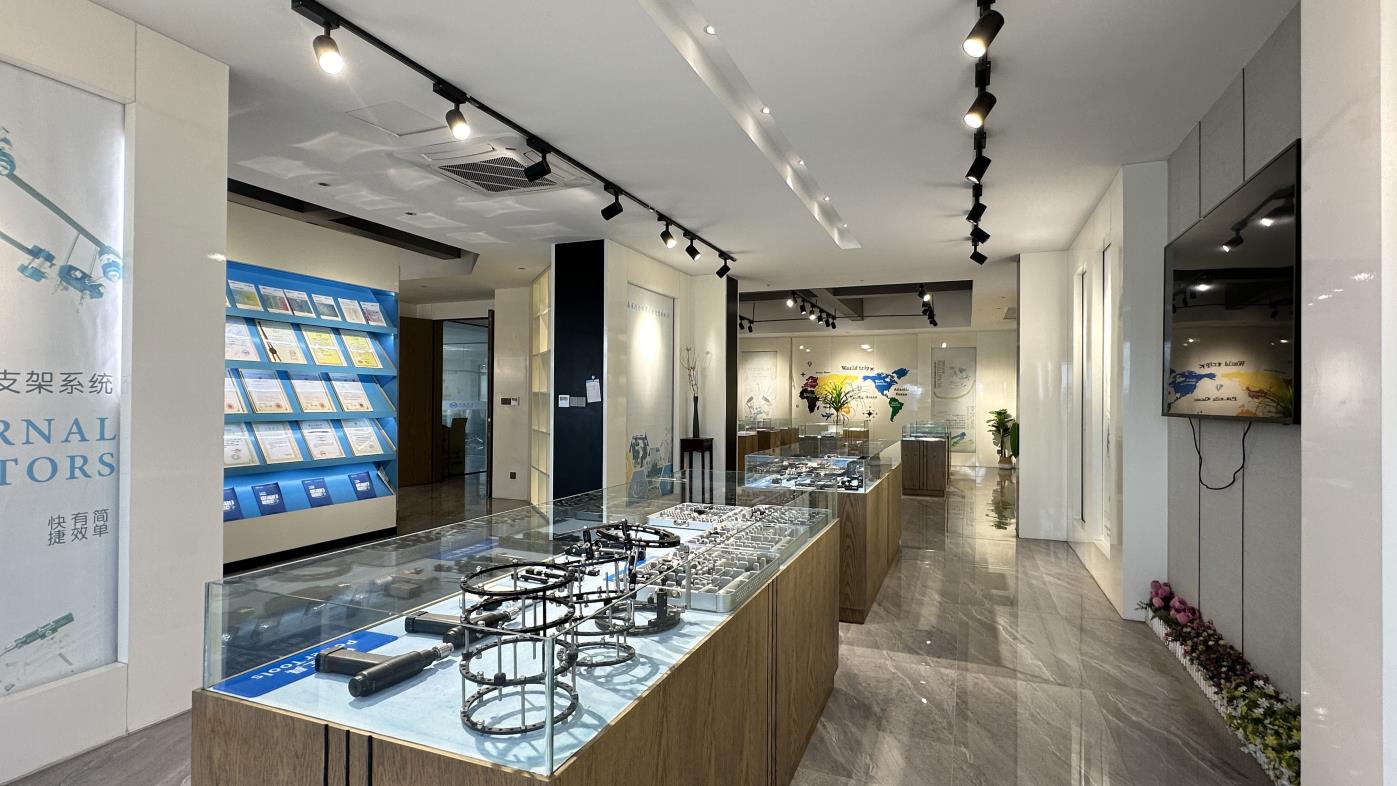
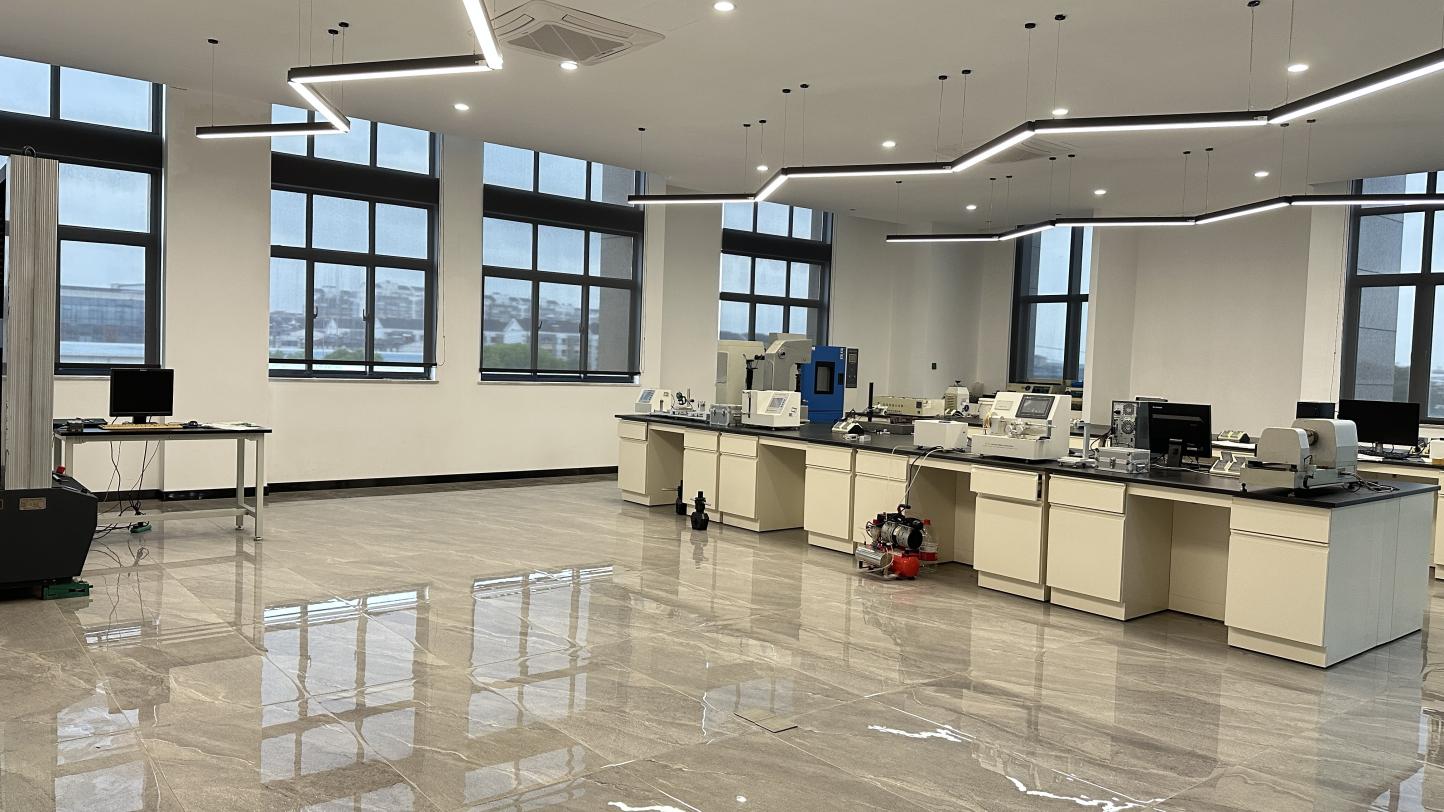
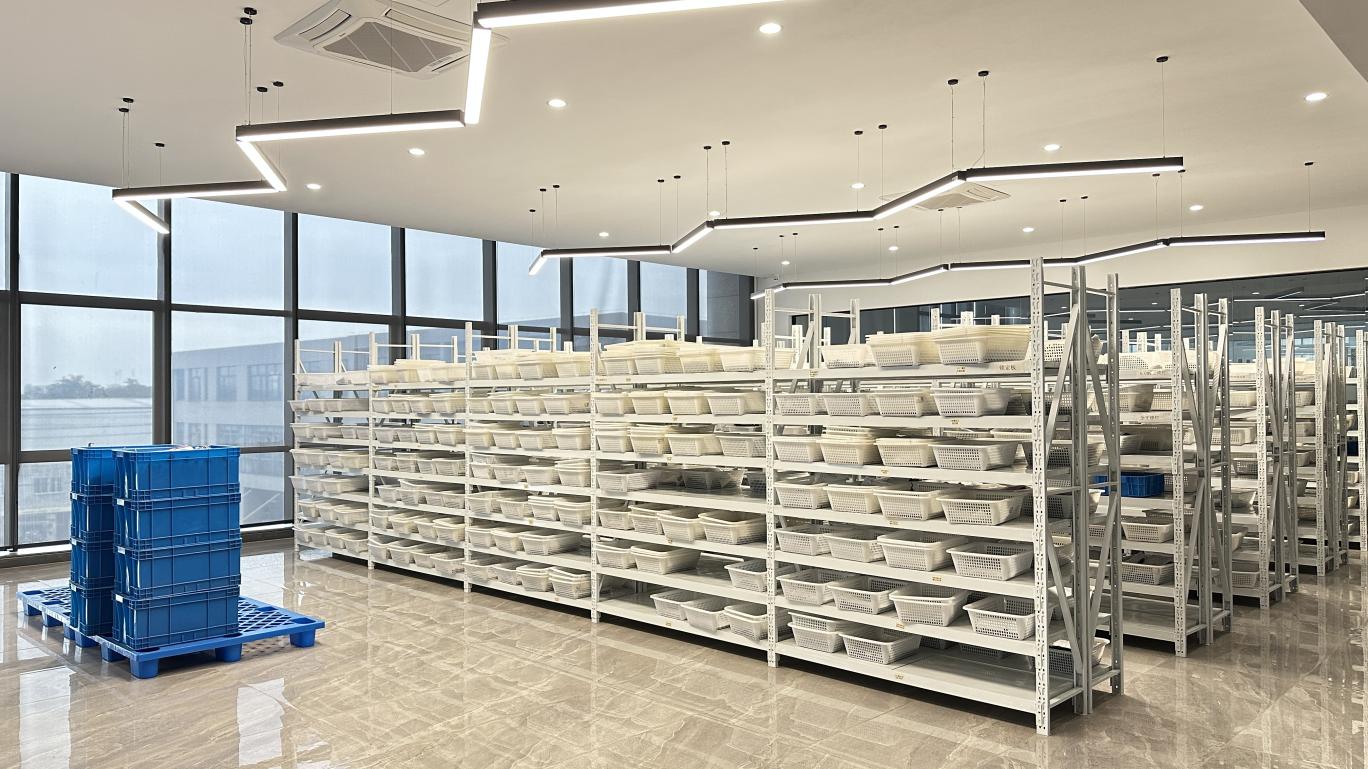
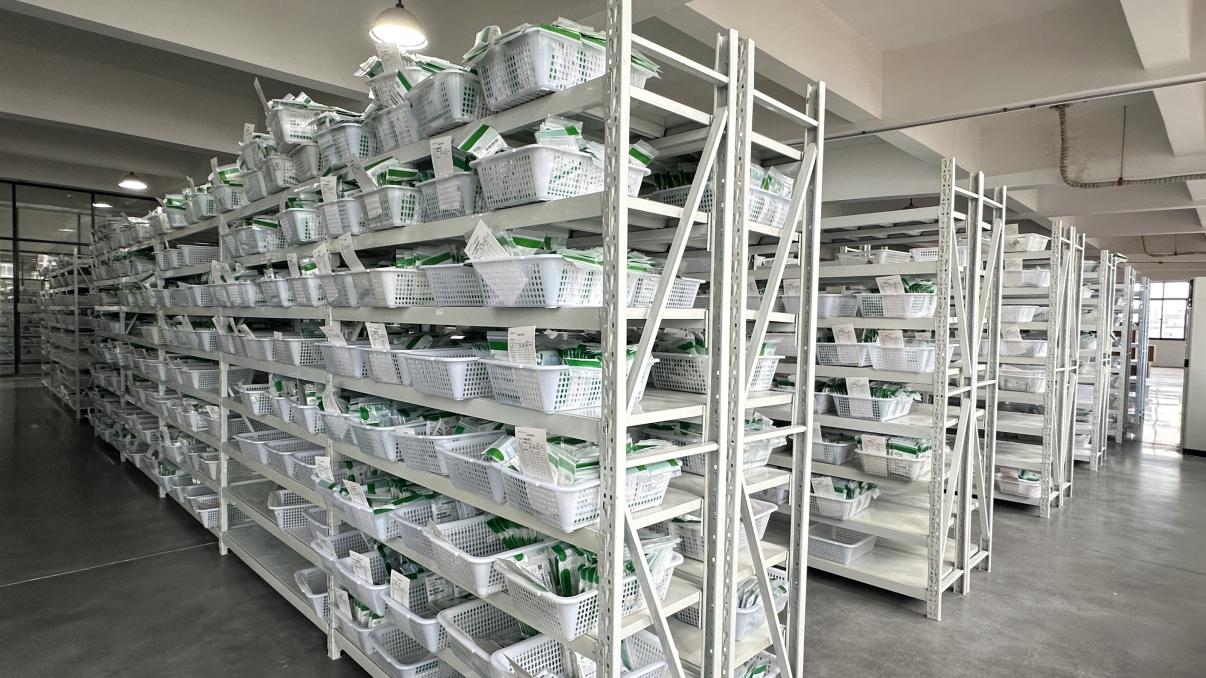
A visual look into our production facilities, cleanroom assembly lines, and high-precision testing processes.

Clear answers to technical, regulatory, and logistics queries for international orthopaedic and navigation procurement.
A complete intraoperative navigation setup consists of a high-resolution stereoscopic infrared camera array, a clinical computing workstation with preoperative software, patient-mounted reference arrays, and registered surgical tools (such as navigated probes, awls, and pedicle screwdriver guides). Each active electronic component complies with EU MDR class-level standards.
PEEK (Polyetheretherketone) is radiolucent, meaning it does not cause imaging artifacts on postoperative CT or MRI scans. During navigation procedures, this allows surgeons to verify exact cage placement relative to the neural elements and bone-graft interfaces without the heavy scattering shadows typically caused by pure titanium cages.
Tonk operates under strict ISO 13485 (Medical Devices Quality Management Systems) guidelines. Every batch of orthopaedic implants, instrument sets, and sterilization autoclaves undergoes comprehensive metallurgical testing, dimensional tolerance checking using automated CMM units, and bioburden audits prior to final sterilization and international dispatch.
All sensitive optical components, navigation tracking towers, and surgical instrumentation are shipped in custom, drop-tested flight cases with dense polyethylene foam cutouts. These packages contain shock-watch and tilt indicators, guaranteeing that components are protected from vibrations and physical impacts during transit.
Yes. Backed by our advanced engineering department and multi-axis CNC milling setups, we produce custom-made tracker arrays, guide pins, and pedicle screw driver templates designed to match proprietary navigation tracker geometries for leading global medical equipment brands.
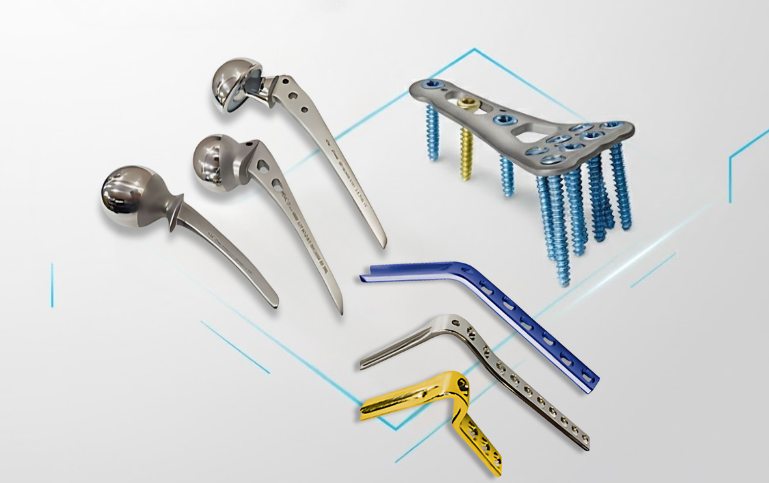
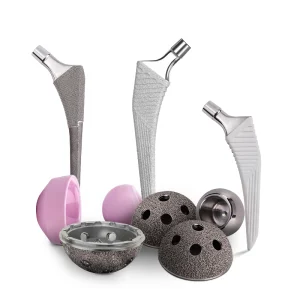
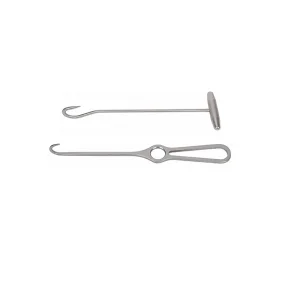
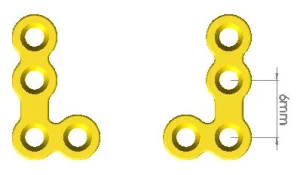
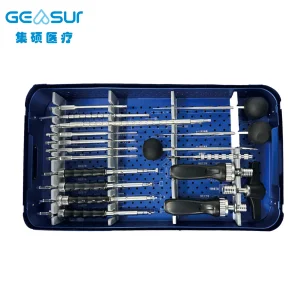
Select from our extensive inventory of premium surgical hooks, replacement packs, joint prostheses, and fusion components.

 Tonk Orthopedic Implants