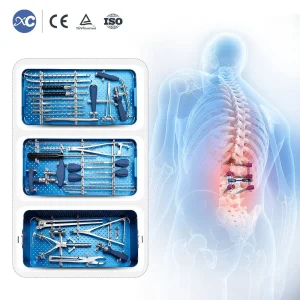
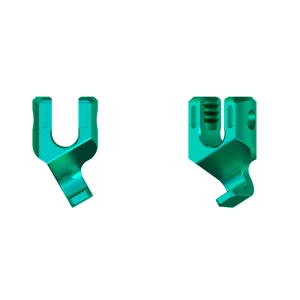
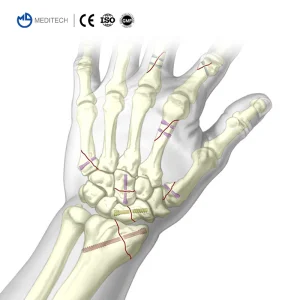
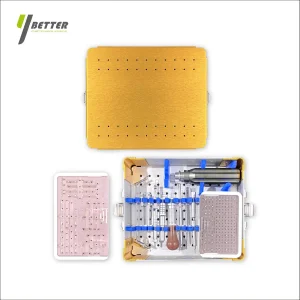
Explore our top-tier surgical implants and instruments, fabricated to stringent OEM/ODM guidelines for immediate clinical integration.
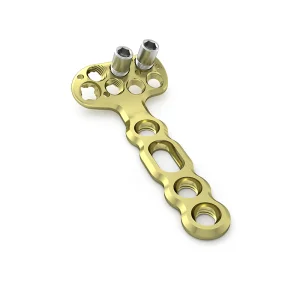
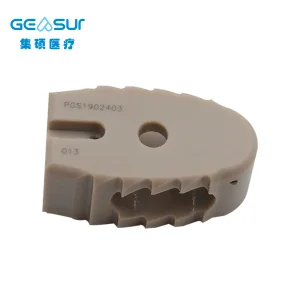
The global cranial reconstruction market has transitioned rapidly from standardized pre-fabricated mesh solutions to high-precision, Patient-Specific Implants (PSIs). Driven by advancements in neuro-imaging (specifically multi-detector helical CT scans) and computer-aided engineering, surgeons now demand implants that restore complex cranial contours with millimeter precision. This shifting clinical paradigm has transformed the commercial sourcing strategy for medical distributors and tier-one healthcare purchasing coalitions.
Custom OEM cranial implants are crucial for resolving structural integrity deficits arising from decompressive craniectomies, tumor resections, oncological procedures, and high-impact trauma. The procurement demands of global enterprises center heavily around reducing surgical runtime, optimizing implant-to-bone margins, and securing biocompatible substrates that minimize post-operative complications like extrusion, infection, and thermal sensitivity.
"Modern cranioplasty demands a convergence of advanced CAD geometries, micro-toleranced CNC machining, and sterile supply chain predictability. With clinical efficiency directly tethered to operating room cost controls, custom OEM cranial implant manufacturers are evaluated not just on structural yield, but on structural intelligence."
As a specialized OEM manufacturer, we design and produce cranial implants across three primary therapeutic substrates: polyetheretherketone (PEEK), medical-grade Titanium (Ti-6Al-4V ELI), and Polymethyl Methacrylate (PMMA). Each material answers specific clinical goals, mechanical demands, and budget variables:
| Performance Metric | Polyetheretherketone (PEEK) | Titanium (Ti-6Al-4V ELI) | Polymethyl Methacrylate (PMMA) |
|---|---|---|---|
| Biocompatibility Profile | High inertness, low allergenicity | Excellent osteointegration, high strength | Moderate inertness, risk of monomer reaction |
| Radiolucency (CT/MRI) | 100% radiolucent, zero artifact interference | Produces moderate diagnostic artifacts | Fully radiolucent, requires marker integration |
| Mechanical Behavior | Flexural properties closely match cortical bone | Extremely high yield strength, impact-resistant | Relatively brittle compared to metal/polymers |
| Thermal Conductivity | Low (eliminates sensitivity to cold/heat) | High (can cause discomfort in ambient changes) | Extremely low thermal transfer |
| Manufacturing Route | Precision CNC milling / 3D FDM printing | Additive SLS printing / stamping | Cast molding using customized CAD molds |
To engineer custom cranial implants that require zero intraoperative modification, we follow a rigorous digital-to-sterile manufacturing workflow. Sourcing agents, clinical groups, and distribution companies rely on our capability to process complex anatomical datasets into functional implantable systems.
Processing raw helical CT datasets with slice thicknesses <1.0 mm. Sourcing of the raw DICOM files occurs through secure, HIPAA-compliant servers.
Segmentation and skull modeling in specialized medical engineering software. Our engineers digitally simulate mirror-imaging of healthy anatomy to construct the missing cranial contours.
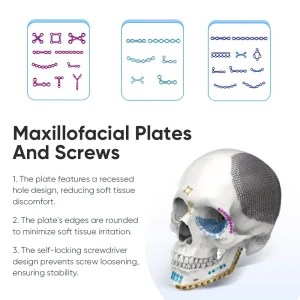
Engineering the implant margins to taper smoothly into the surrounding bone. Integrating tangential fixations and pre-designed screw holes along the temporal line or sagittal suture.
Executing toolpaths via high-speed 5-axis CNC systems for PEEK blocks, or Selective Laser Melting (SLM) for titanium implants, keeping deviations under 50 micrometers.
Implant surfaces undergo chemical passivation, micro-blasting, and ultrasonic cleaning before packing inside an ISO Class 7 cleanroom for final sterilization.
Established in 1981, Tonk (along with HEMC Orthopedic) has accumulated over four decades of precision medical manufacturing experience. We maintain advanced production infrastructure to service healthcare providers across all continents—from the Americas to Europe and beyond.
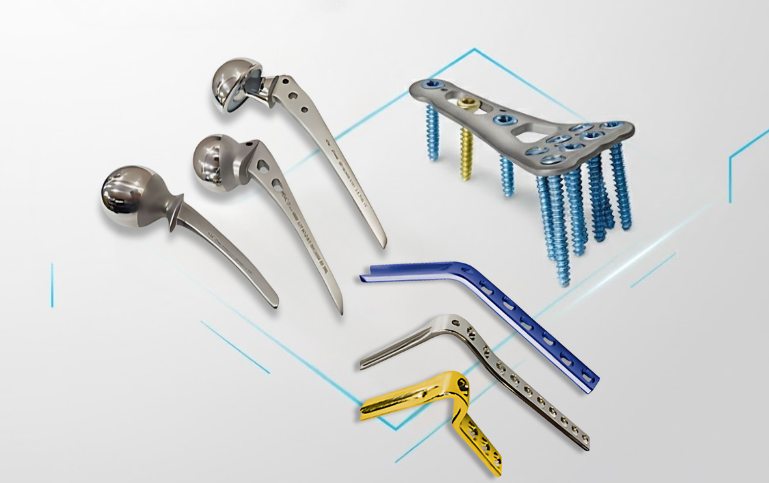
With a dedicated cohort of 100+ highly specialized professionals coordinating production, quality inspections, and logistical dispatch, we assure you world-class healthcare products delivered straight to your operations. Our product portfolio spans beyond Custom Cranial Systems to cover Orthopaedic Implants, Hospital Hollow wares, Resuscitators, Laryngoscopes, Hospital Furniture, Rehabilitation Aids, Autoclaves, Sterilizers, and Suction Machines.

The logistics department makes sure that your goods reach you with the best available carriers in the shortest possible time frame.

Every Tonk product comes with an assurance of high quality and zero compromise in its production, performance, and safety.
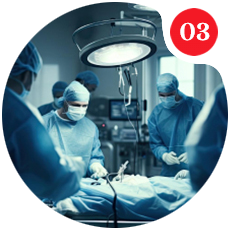
Our innovative approach towards product design and production help us bring you the best products at even better prices.

Our expert post-sales customer service team is available 24/7 to promptly answer all your queries regarding our products.
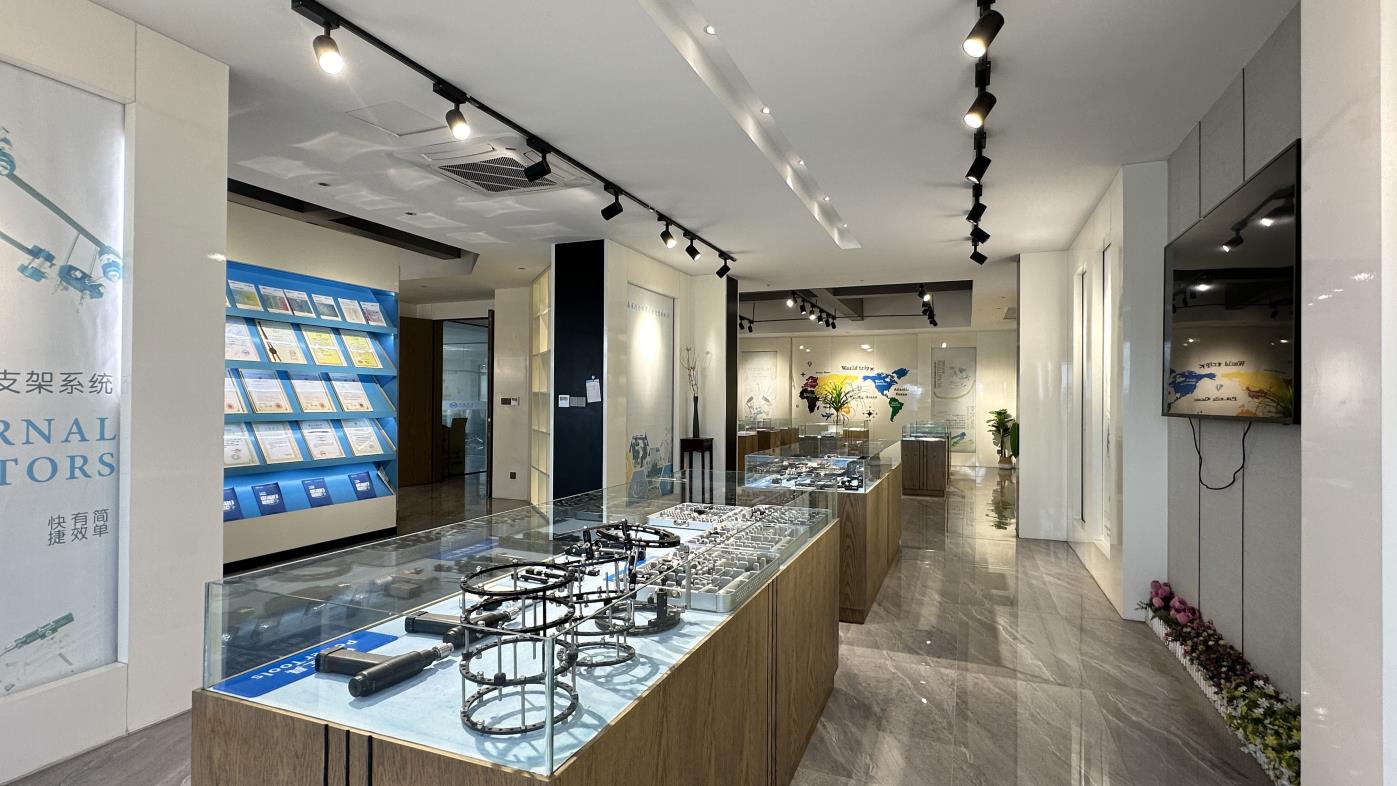
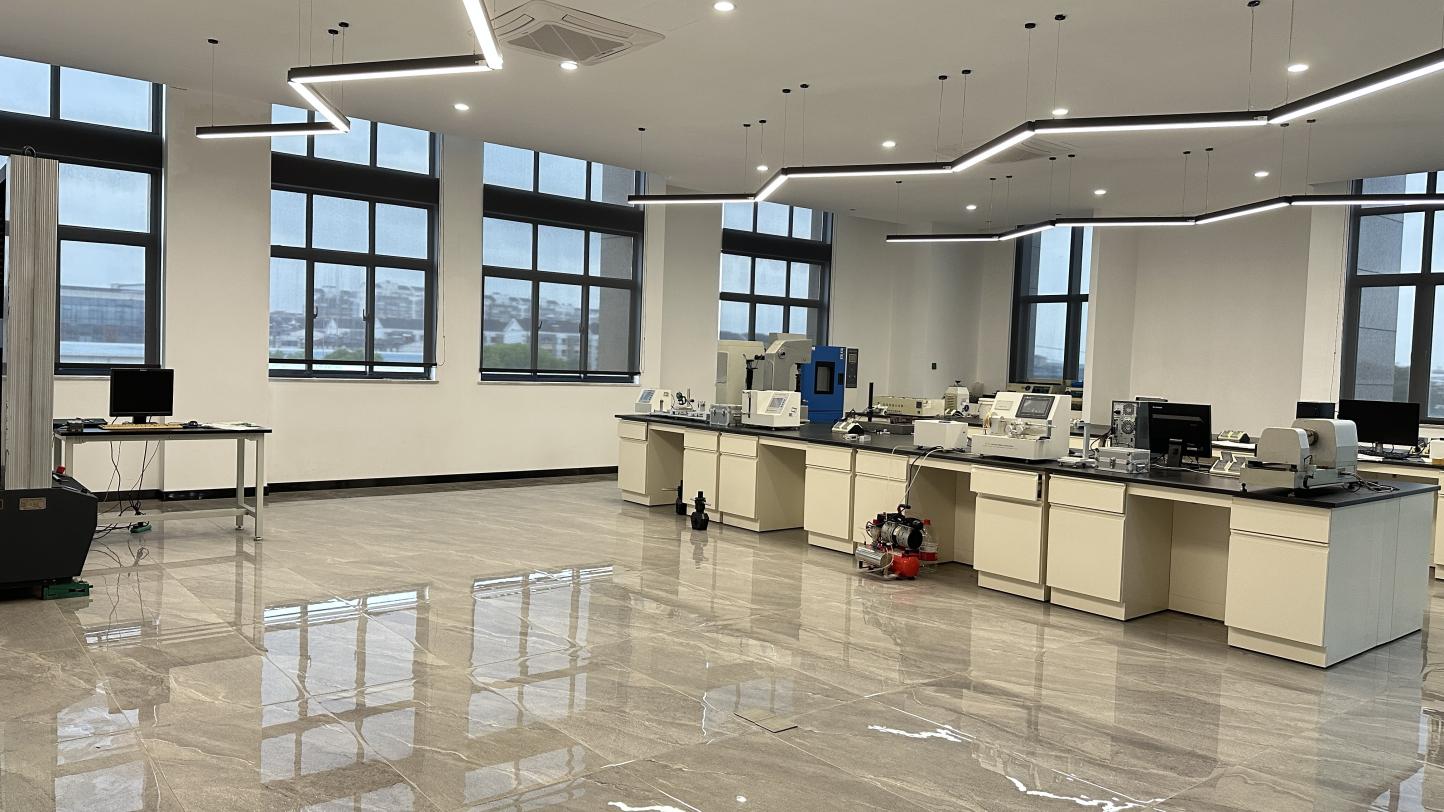
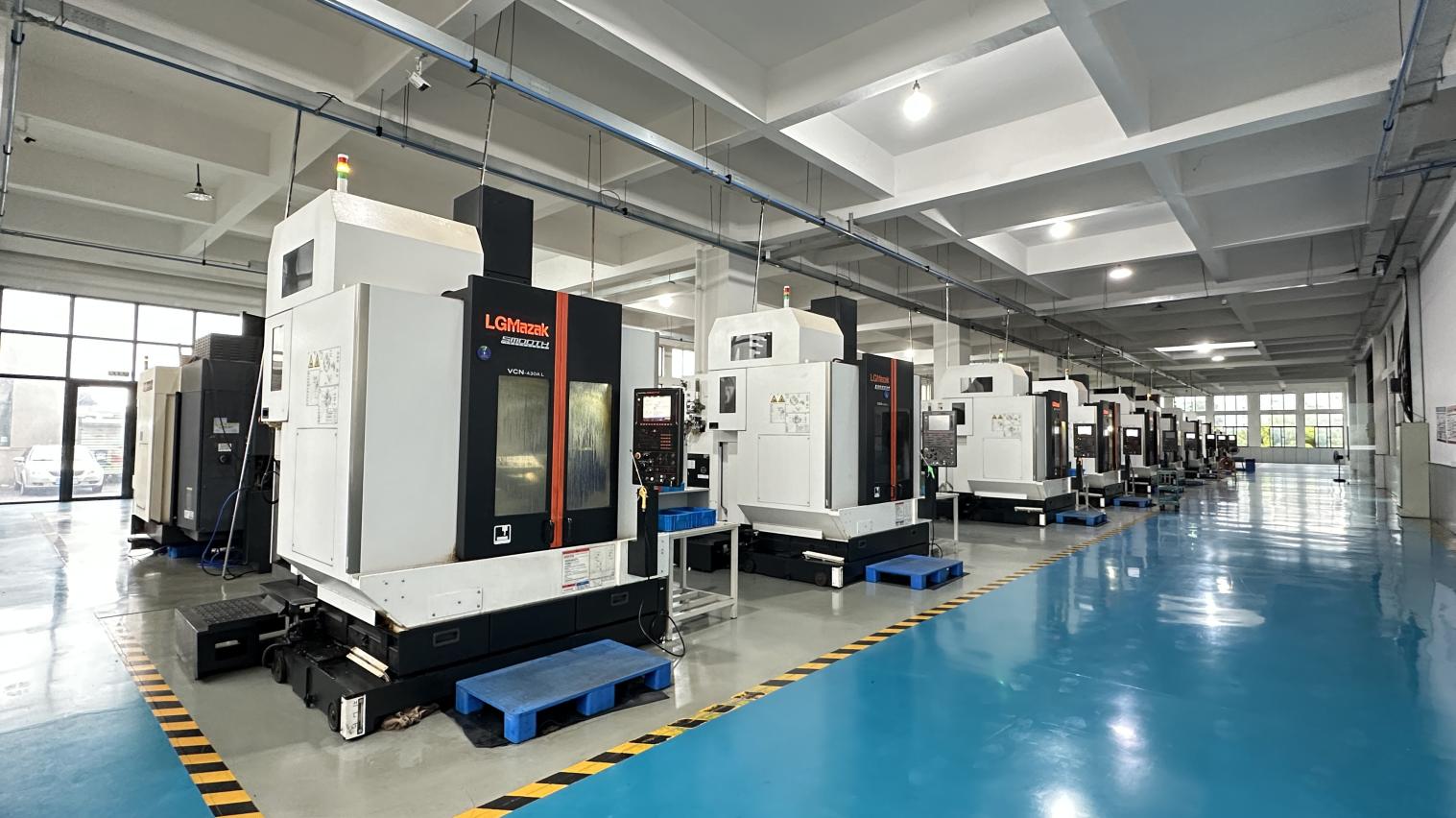
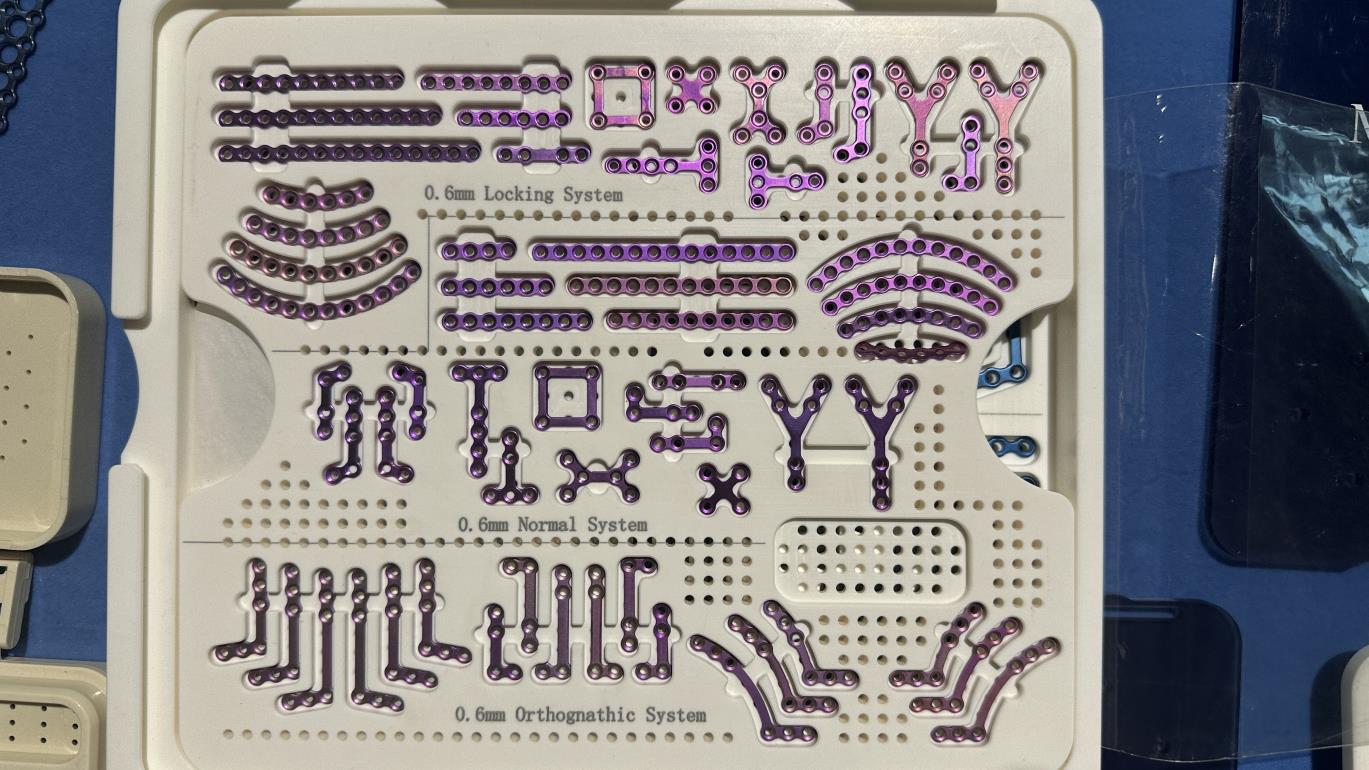
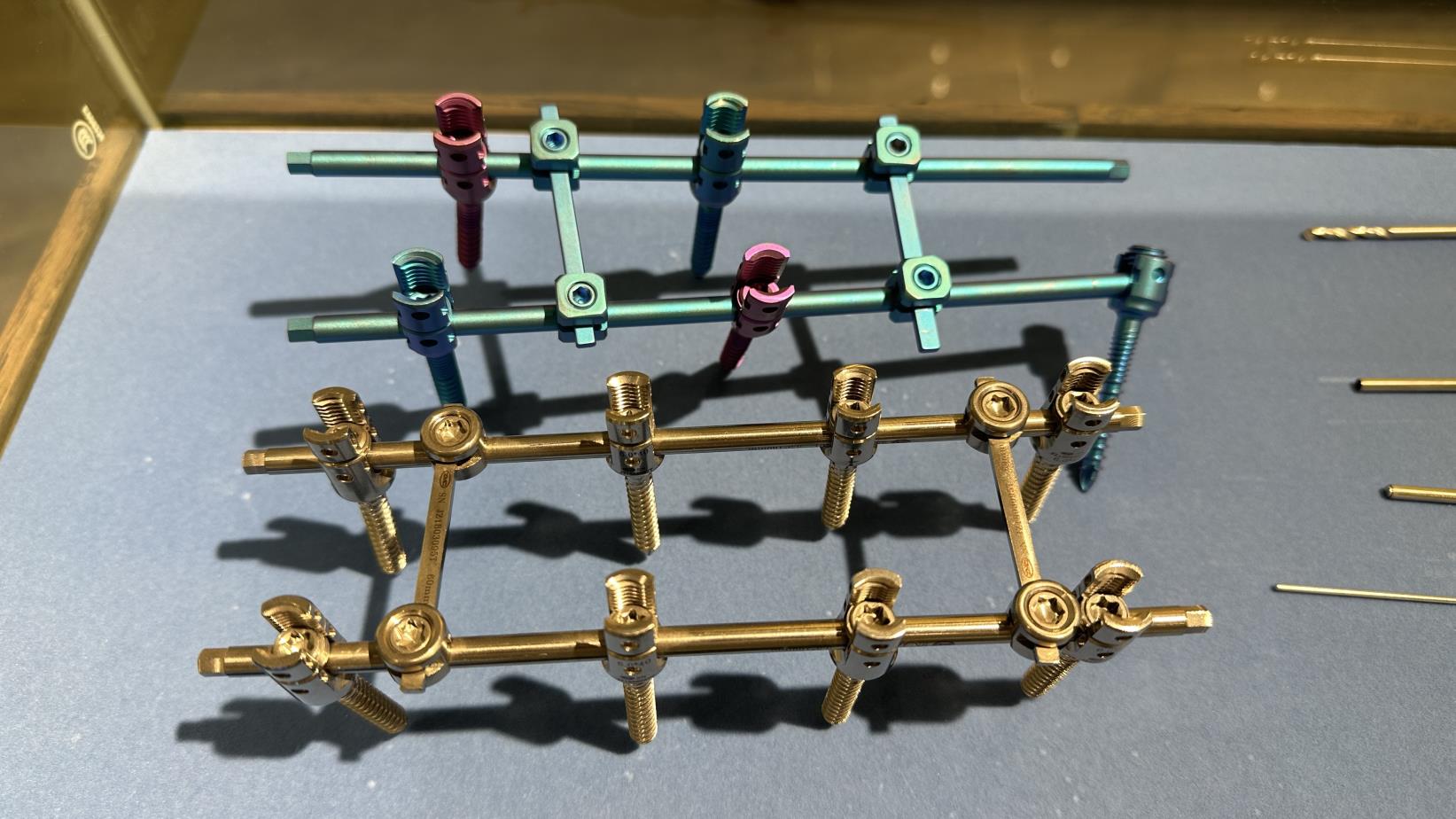
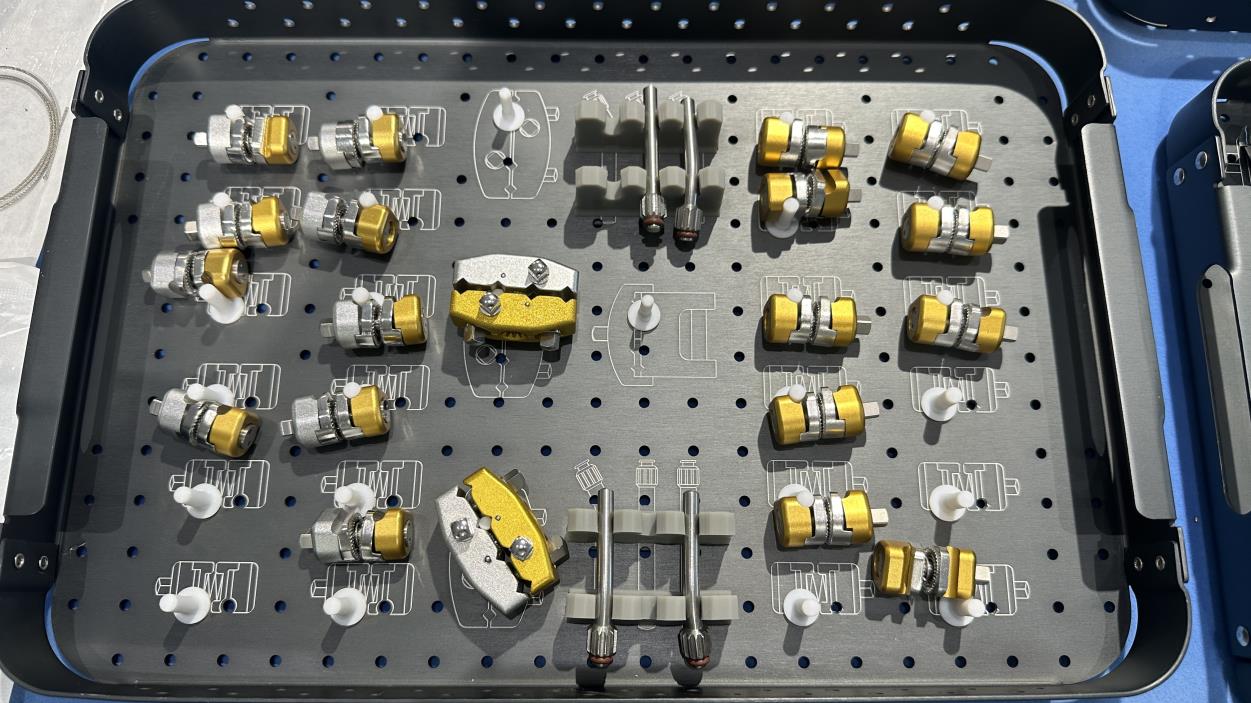
To satisfy the stringent standards of surgical intervention devices, our manufacturing facilities utilize state-of-the-art machinery, inspection lines, and environmental controls. Sourcing specialists are welcome to examine our actual production sites, technical setups, and cleanroom packaging facilities shown below.

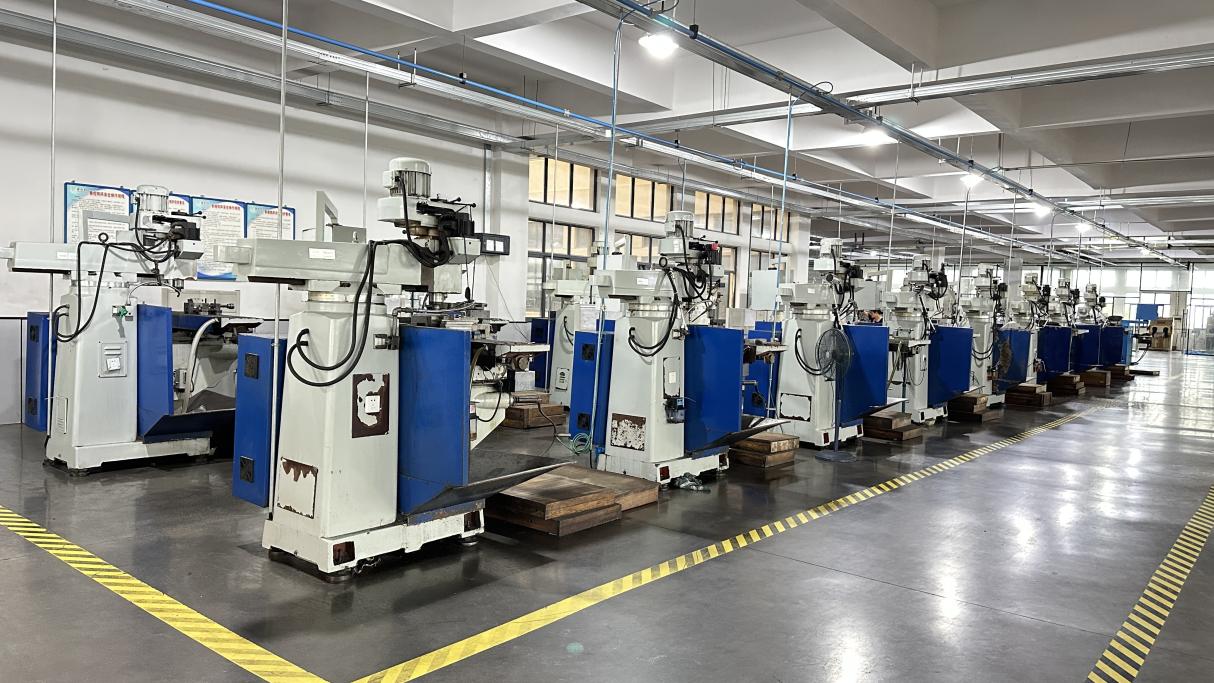
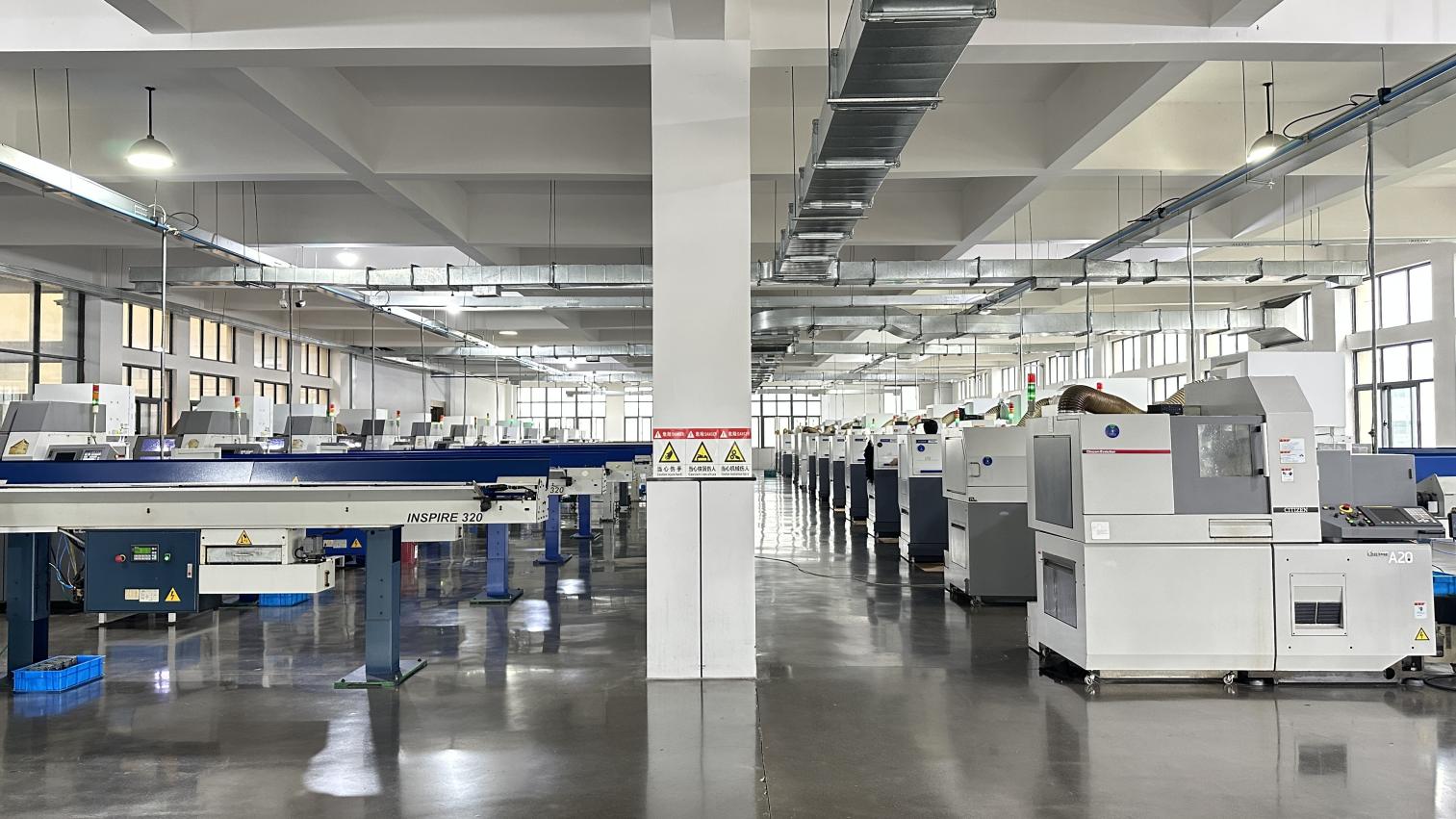
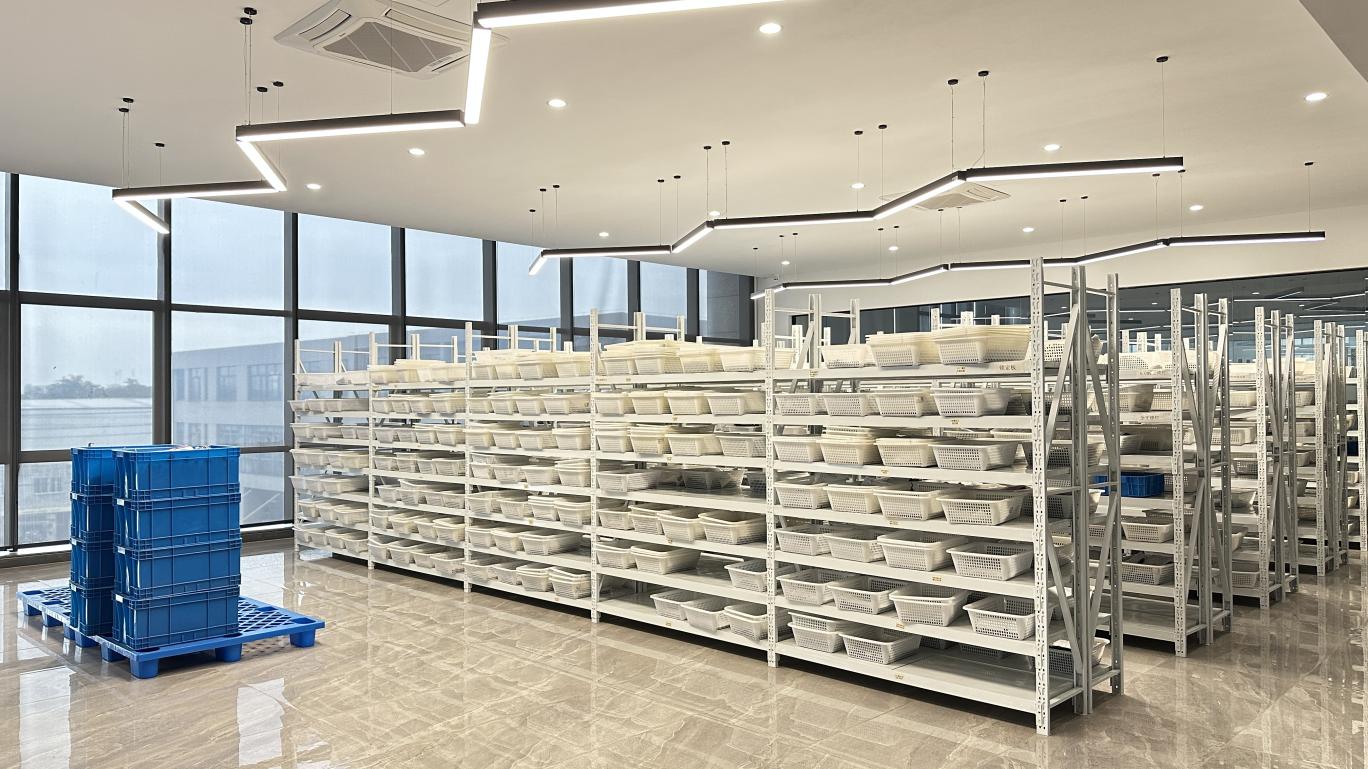
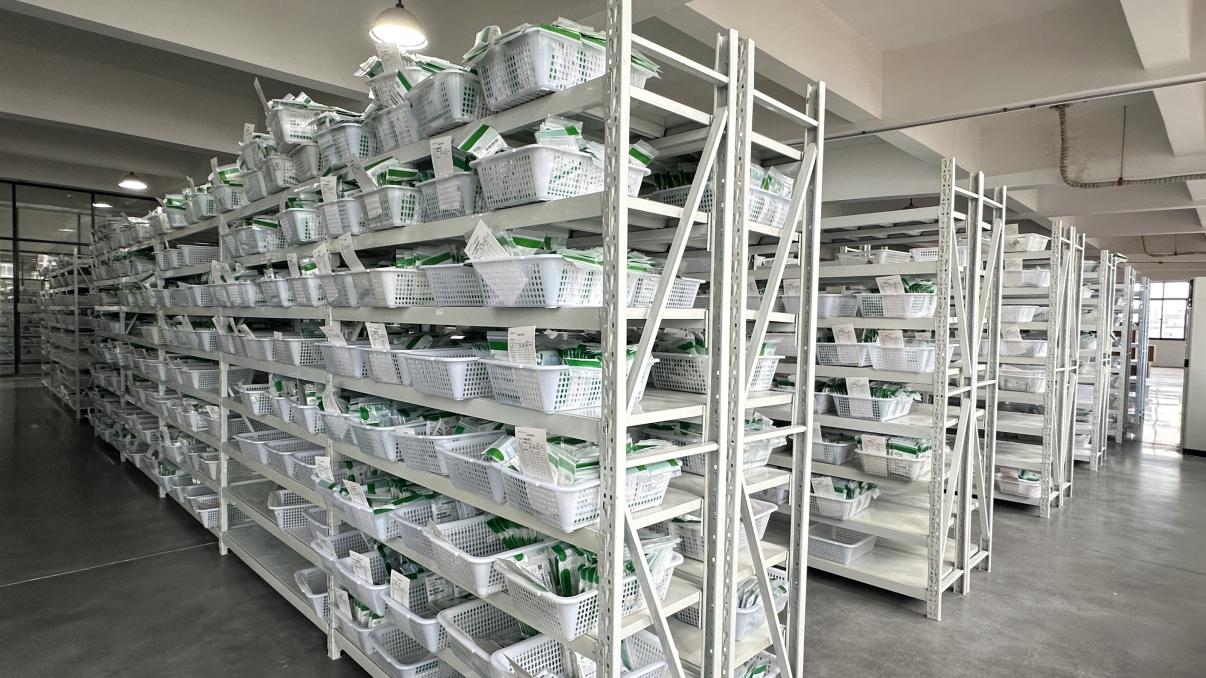
Navigating the global regulatory environment for implantable class III medical devices requires deep structural knowledge. As an OEM manufacturer supplying to the Americas, Europe, and Asia-Pacific markets, we adhere to international standards to support smooth local registrations.
Fully compliant with ISO 13485 (Medical Devices — Quality Management Systems) and ISO 9001, governing every manufacturing lifecycle phase from raw material verification to micro-contamination controls.
Raw materials utilized (including medical-grade PEEK and Titanium) are fully certified to ISO 10993 requirements, guaranteeing safe long-term implantation within the cranial vault.
Providing our international business partners with full technical dossiers, including CE MDR technical documentation, material certificates of analysis, and sterilization validation protocols.
The future of cranial defect repair centers on osseointegration and biological activity. Tonk is currently dedicating R&D resources to develop next-generation implants, including bio-active surface modification on PEEK systems via plasma-sprayed titanium coatings, and lattice structures for titanium implants that encourage surrounding osteoblast proliferation.
Find immediate answers regarding custom manufacturing protocols, lead times, logistics, and material choices.
Browse our extended product portfolio including laboratory calibration systems, pediatric fixations, and auxiliary operating equipment.
 Tonk Orthopedic Implants