How to Choose Orthopedic Implants for Large Medical Projects?

Time:2026-06-26 Author:Ethan
0%

Choosing the right orthopedic implants for large-scale medical projects is crucial. According to a report by Grand View Research, the global orthopedic implant market is projected to reach $50 billion by 2025. This emphasizes the need for meticulous selection processes. When considering how to select orthopedic implants for large-scale medical projects, one must look at various factors.

The quality and reliability of implants can significantly impact patient recovery. Research from the American Academy of Orthopaedic Surgeons indicates that complications from poor implant choices can lead to extended hospital stays and additional surgeries. Therefore, understanding the nuances of implant materials, design, and the intended application is essential.

It’s also vital to remain aware of the evolving technologies and ethical considerations in the field. A recent study highlighted the importance of using biocompatible materials to reduce rejection rates. However, selecting the ideal implant still presents challenges. The inconsistency in supplier quality and regulatory compliance can complicate decisions. Therefore, a thorough evaluation process is necessary to navigate these complexities effectively.
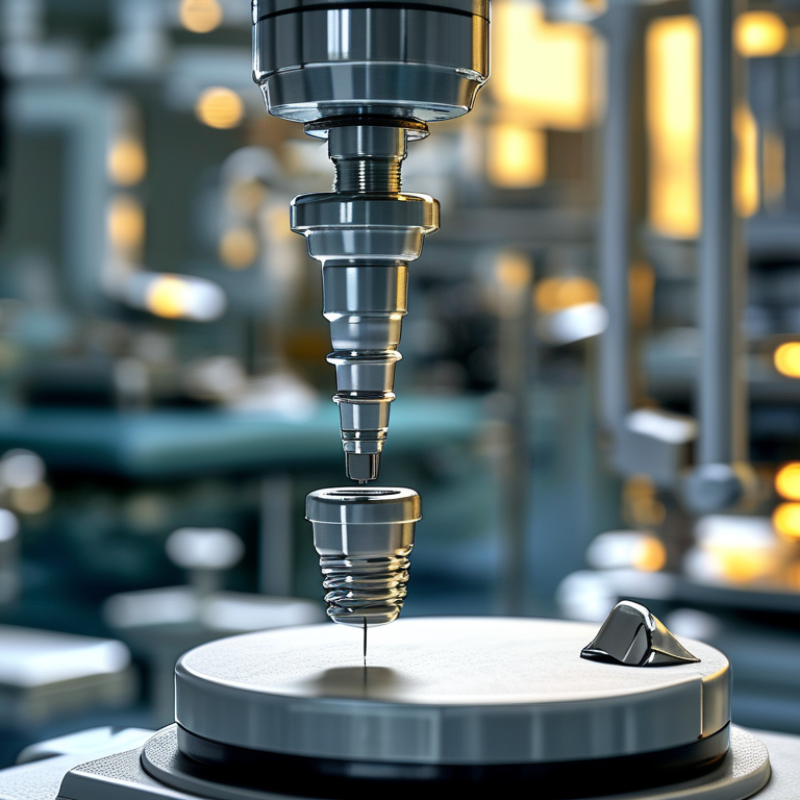
How to Choose Orthopedic Implants for Large Medical Projects?

Understanding the Types of Orthopedic Implants Available for Use

When selecting orthopedic implants for large medical projects, understanding the various types available is crucial. One common type is the bone plate. These plates are used to stabilize fractured bones. They can be made from stainless steel or titanium, and each material has its unique benefits. Titanium is lighter and more resistant to corrosion, but it can be more expensive.

Another significant category is screws. Orthopedic screws come in different lengths, diameters, and designs. Self-tapping screws are often preferred for their ease of use. However, one should consider the specific application. The choice impacts how well the implant integrates with the bone.

Furthermore, there are joint implants such as total knee or hip replacements. These are designed for more complex cases. Surgeons must evaluate the patient's unique anatomy and lifestyle needs carefully. A mismatch can lead to complications or implant failure. It's essential to analyze long-term outcomes and gather data from past cases. Continuous learning in this area is vital for improving success rates and patient satisfaction.

Evaluating the Biocompatibility of Orthopedic Implants for Patient Safety

Choosing orthopedic implants for large medical projects requires careful evaluation. Evaluating the biocompatibility of these implants is crucial for patient safety. Biocompatibility refers to how well materials interact with the body. A suitable implant should minimize adverse reactions. This arises from both the material properties and the surgical technique.

Tips: Always consult experts when selecting materials. Gather data on the long-term outcomes of similar implants. Review peer-reviewed studies that discuss biocompatibility extensively.

Different materials can lead to varying responses in the body. Metals, ceramics, and polymers each have unique characteristics. Knowing the differences helps in making informed decisions. A well-chosen implant promotes healing and minimizes complications. However, using innovative materials can pose challenges. Emerging technologies may not have long-term data available.

Tips: Monitor patients closely after implant procedures. Ensure thorough documentation and follow-up. Being aware of potential complications aids in early intervention. Attention to detail here can enhance patient outcomes significantly.

Assessing the Quality and Reliability of Implant Manufacturers

Choosing orthopedic implants for large medical projects requires careful evaluation of implant manufacturers. Quality and reliability are crucial. A manufacturer’s experience in the field can provide insight into their product's performance. Look for manufacturers with a proven track record in orthopedic innovations. Reliable manufacturers document their success rates and provide peer-reviewed studies to back their products.

Assessing compliance with regulatory standards is vital. This means verifying how well manufacturers adhere to safety protocols and quality management systems. Certifications from regulatory bodies often indicate a commitment to high standards. However, it’s essential to reflect on past experiences. Some manufacturers may present impressive credentials but fail to deliver in real-world applications. Engaging with peers in the medical community can unveil insights into manufacturers that might not align with claims. Listening to shared experiences can enhance decision-making.

Moreover, consider the after-sales support and warranty offerings. These are indicators of a manufacturer's confidence in their products. However, not all guarantees are created equal. Some may lack clarity on what is covered. Understanding the fine print can prevent future complications in large projects. Making informed choices ensures not only success in procurement but ultimately improves patient outcomes.

Quality Assessment of Orthopedic Implant Manufacturers

Cost Considerations and Budgeting for Large-Scale Medical Projects

When embarking on large-scale medical projects, cost considerations are paramount. The selection of orthopedic implants can vary widely in price. It's essential to analyze the budget at the outset. This ensures that essential implants are prioritized without compromising quality.

Evaluate the initial costs versus long-term benefits. Cheaper implants may seem appealing, but they often lead to higher revision rates. This can increase overall costs and lengthen recovery times for patients. Additionally, ensure transparency when discussing prices with suppliers. This fosters trust and leads to better negotiation outcomes.

Budgeting should not only focus on material costs but also include training and support for surgical staff. Effective training ensures that the chosen implants are used correctly. Investing in educational resources early on pays dividends later. It's crucial to revisit budget allocations regularly, as unexpected expenses can arise. Emphasizing adaptive budgeting can help manage these challenges in real-time.

How to Choose Orthopedic Implants for Large Medical Projects? - Cost Considerations and Budgeting for Large-Scale Medical Projects

Implant Type Average Cost per Unit Typical Usage Rate Total Estimated Cost for 100 Units
Cemented Hip Implants $800 30% of Total Procedures $80,000
Uncemented Knee Implants $750 25% of Total Procedures $75,000
Interlocking Nails $500 20% of Total Procedures $50,000
Fracture Plates $300 15% of Total Procedures $45,000
Spinal Implants $1,200 10% of Total Procedures $120,000

Regulatory Compliance and Approval Processes for Orthopedic Implants

When selecting orthopedic implants, regulatory compliance is crucial. The FDA requires a rigorous approval process for all devices. This ensures safety and effectiveness. In 2022, around 80% of orthopedic devices submitted to the FDA were cleared through the 510(k) pathway, highlighting the importance of demonstrating substantial equivalence. This pathway allows manufacturers to bring devices to market more quickly, but it also demands thorough documentation.

The Clinical Trials.gov database shows that approximately 30% of orthopedic implant studies fail to meet enrollment targets. This highlights potential inadequacies in pre-market research. Compliance with Part 820 regulations involves maintaining detailed design history files, which can be burdensome but necessary. An overlooked detail could lead to costly delays or, worse, patient safety issues.

Due diligence in understanding the unique requirements of each region is vital. For example, the European Medical Device Regulation (MDR) requires post-market surveillance data. Failing to capture real-world performance can jeopardize a device's market standing. Regular audits and updates are essential for continuous compliance. Ensuring that every aspect of the process is well-documented mitigates risks during inspections. Each step, from initial design to post-market assessments, requires vigilance to navigate the complexities of regulatory environments.

FAQS

: What are the common types of orthopedic implants?

: Common types include bone plates, screws, and joint implants. Each serves specific purposes in stabilizing or replacing bones.

What material is often used for bone plates?

Bone plates can be made from stainless steel or titanium. Titanium is lighter and more resistant to corrosion.

Why are screws important in orthopedic procedures?

Screws are crucial for securely holding implants. They come in various lengths and designs, affecting their effectiveness.

What is the significance of assessing implant manufacturers?

Evaluating manufacturers ensures quality and reliability. Experience and proven track records are essential for effective implant performance.

How can one verify manufacturer compliance?

Check for safety certifications and regulatory compliance. Past experiences and peer feedback can reveal the manufacturer's true performance.

Why is regulatory compliance necessary for implants?

Compliance ensures safety and effectiveness. The FDA's approval processes are essential for maintaining high standards in medical devices.

What challenges do orthopedic studies face?

Many studies struggle to meet enrollment targets. This indicates potential weaknesses in the pre-market research phase.

How does post-market surveillance affect implants?

Post-market data is crucial for compliance, especially in Europe. Without it, a device's market presence could be at risk.

What role does after-sales support play in choosing implants?

Good support and clear warranties indicate manufacturer confidence. However, it's vital to understand what these warranties cover.

Why is continuous learning important in orthopedic practices?

Continuous education helps improve success rates and patient satisfaction. Keeping updated enhances decision-making and outcomes.

Conclusion

When considering how to select orthopedic implants for large-scale medical projects, it is crucial to understand the different types of implants available and their specific functions. Evaluating the biocompatibility of these implants ensures patient safety, as compatibility with human tissue is essential for successful outcomes.

Furthermore, assessing the quality and reliability of implant manufacturers plays a vital role in the overall project success. Ensure that all selected products adhere to regulatory compliance and approval processes, which help guarantee safety and efficacy. Finally, cost considerations and effective budgeting are key to managing resources efficiently in large medical undertakings, allowing for the selection of the best orthopedic implants within financial constraints.

Ethan

Ethan

Ethan is a seasoned marketing professional with a deep expertise in our company's innovative product line. With a passion for sharing knowledge and insights, he takes the lead in regularly updating our corporate blog, where he explores industry trends, product features, and effective marketing......