Choosing the right orthopedic implants is crucial for successful recovery. In 2026, many options will be available. Patients often feel overwhelmed by the choices. Knowing how to choose orthopedic implants with high safety is essential.
The safety of these implants depends on various factors. Materials, design, and surgical technique all play a role. Patients should consider the implant's track record. Research studies can provide valuable insights into safety and effectiveness.
Seeking expert opinions is advisable. Consulting with orthopedic surgeons can guide patients in making informed decisions. Each case is unique, and personal health conditions should be considered. Reflecting on past experiences and learning from them can help individuals choose wisely.
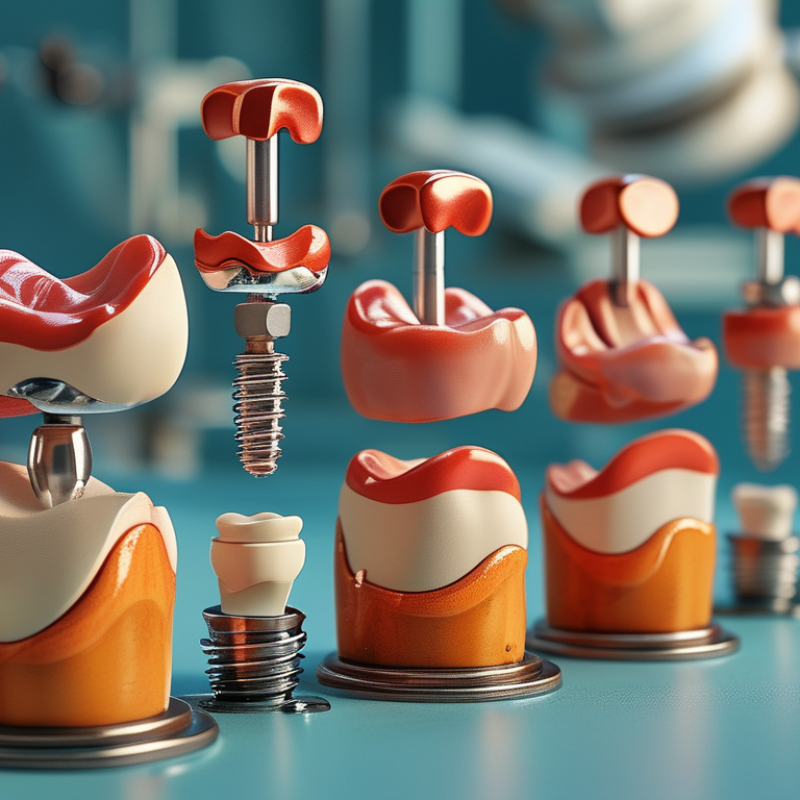
Orthopedic implants play a crucial role in modern medicine, aiding rehabilitation and enhancing quality of life for countless patients. These devices are designed to restore functionality and alleviate pain in damaged joints, bones, or soft tissues. Key types include plates, screws, rods, and joint replacements. Each type addresses specific needs based on the injury or condition. According to a report from the American Academy of Orthopaedic Surgeons, over 450,000 hip replacements occur annually in the U.S. alone, highlighting the growing reliance on these implants.
While orthopedic implants can significantly improve outcomes, selecting the right type is essential. Factors like material composition, size, and intended use are pivotal. For instance, titanium and stainless steel are common, known for their durability and biocompatibility. However, a report from the National Institute of Health mentioned complications arise in around 10% of patients due to improper placement or infection, emphasizing the need for experienced surgeons. Such data encourage patients to research carefully, consult professionals, and discuss potential risks and benefits before surgery.
The evolution of orthopedic technology underscores the importance of ongoing education and research. Advancements in materials and techniques are promising. Yet, the industry still grapples with challenges in compatibility and rejection rates. Continuous reflections from both practitioners and researchers will drive improvements in implant longevity and safety, ensuring better outcomes for patients in the future.
When selecting orthopedic implants, multiple key factors must be considered to ensure patient safety and long-term success. Material choice is critical. Implants are often made from titanium, stainless steel, or polymers. Each material has unique properties affecting biocompatibility and longevity. For example, a study showed that titanium has a lower rate of rejection compared to other metals, making it a preferred choice for many procedures.
Another vital aspect is the implant design. It plays a significant role in ensuring stability and promoting healing. Research indicates that a well-designed implant can reduce the risk of complications by 20%. Surgeons must evaluate the specific anatomical and functional requirements of the patient when selecting the best design.
Surgeons' expertise is also crucial. A highly trained professional will consider patient-specific factors such as age, activity level, and overall health. Reports suggest that approximately 15% of patients experience complications due to poor implant choices or improper surgical techniques. Regular follow-up and monitoring after the surgery are essential for addressing any potential issues that arise over time. These reflections highlight the importance of careful decision-making in the selection process.
When evaluating orthopedic implants, safety and quality are paramount. Patients must consider various factors before making a decision.
Materials used in the implants significantly impact their performance and body compatibility.
Biocompatibility ensures that the body accepts the implant without significant adverse reactions.
Various tests evaluate this property, but not all implants pass with flying colors.
Additionally, the manufacturing process plays a crucial role. Quality control measures can differ widely among manufacturers.
Look for devices that undergo rigorous testing. Surgical outcomes can also vary; not every implant performs well for every patient.
Surgeons often rely on experience and data from previous cases.
It’s important to engage in discussions with your healthcare provider.
Be open about personal concerns and past medical history, as this will inform the selection process.
Safety records are essential indicators of an implant's reliability.
Research published in reputable medical journals can provide insight into long-term outcomes and potential complications.
However, remember that complications can arise even with the best implants, so understanding the risks is vital.
Educating yourself on the options available can empower you to make informed decisions.
In the realm of orthopedic implants, regulatory standards and certifications play a critical role. The FDA requires all orthopedic devices to meet stringent safety and effectiveness guidelines. This ensures that only safe products reach the market. According to a recent report from the Orthopedic Research Society, 70% of all orthopedic devices undergo rigorous pre-market testing to comply with these regulations.
In Europe, implants must have CE marking, which guarantees conformity with health, safety, and environmental protection standards. The importance of these certifications cannot be overstated. A study published in the Journal of Bone and Joint Surgery found that the absence of proper certification led to a 30% higher risk of device failure.
However, not all certifications are created equal. Some lesser-known organizations offer insufficient oversight. This can mislead consumers regarding the safety of a device. To mitigate these concerns, healthcare professionals must stay informed about the latest regulatory updates. The evolving landscape of certification standards calls for continuous scrutiny. Only by prioritizing information can patients and practitioners make safe choices in orthopedic implants.
| Implant Type | Materials Used | Regulatory Standards | Certifications | Common Applications |
|---|---|---|---|---|
| Hip Implant | Cobalt-chromium, Titanium | ISO 13485, FDA 510(k) | CE Mark, ISO 9001 | Hip Replacement Surgery |
| Knee Implant | Polyethylene, Titanium | ISO 14155, FDA 510(k) | CE Mark, ISO 13485 | Total Knee Arthroplasty |
| Spinal Implant | Titanium, PEEK | ISO 9001, FDA PMA | CE Mark, ISO 13485 | Spinal Fusion Surgery |
| Shoulder Implant | Cobalt-chromium, Polyethylene | ISO 13485, FDA 510(k) | CE Mark, ISO 14001 | Shoulder Arthroplasty |
Choosing the right orthopedic implant requires careful consideration and planning. Before the surgery, patients should consult with experienced orthopedic surgeons. This ensures that the chosen implant aligns with their specific condition and lifestyle. It’s important to openly discuss all concerns and expectations. Transparency leads to better outcomes.
The recovery process is equally vital. Patients need to follow their surgeon's post-operative instructions closely. Engaging in light physical therapy can enhance healing, but pushing too hard too soon is a common mistake. Not everyone heals at the same pace, leading some to feel frustrated. Keeping a journal of progress can provide insights into how the body is responding. Regular follow-up appointments are key to addressing any complications early.
Listening to the body is crucial during recovery. Pain levels may fluctuate, and this can be disheartening. Emphasizing mental well-being during this time is essential. Support from family and peers can make a significant difference. Reflecting on these experiences can help improve future consultations and recovery strategies.
This chart illustrates the success rates of different types of orthopedic implants. Cemented implants have the highest success rate, while resorbable implants show a comparatively lower rate. Understanding these rates can help patients make informed decisions when consulting with their orthopedic specialists.
: Consider material, design, and the surgeon's expertise. Each factor impacts safety and success rates.
Different materials affect biocompatibility and longevity. Titanium often shows a lower rejection rate than others.
A well-designed implant can reduce complications by 20%. Design should fit the patient's anatomy and needs.
Experienced surgeons assess specific patient factors, like age and health, impacting implant choice and success.
Look for implants that have undergone rigorous testing and involve healthcare providers in discussions about options.
Quality control varies among manufacturers. Choose devices from those with strong safety records and rigorous standards.
Yes, complications can still occur. Understanding potential risks helps in making informed decisions.
Regular monitoring helps address any complications that might arise post-surgery, ensuring better outcomes.
Be open with your healthcare provider. Discuss any personal concerns or medical history to guide the selection process.
When considering orthopedic implants, it is essential to understand the different types available and their specific uses. Key factors such as material quality, compatibility with the body, and the implant's intended function play a crucial role in the selection process. Evaluating the safety and quality of orthopedic implants involves reviewing clinical data, user experiences, and the reputation of the manufacturers.
To ensure the highest safety standards, it is important to be aware of regulatory standards and certifications that govern orthopedic implants. This knowledge can significantly impact the decision-making process. Moreover, engaging in a thorough consultation with healthcare professionals and being aware of the recovery process are vital steps in ensuring a successful implant experience. Ultimately, knowing "how to choose orthopedic implants with high safety" can lead to improved outcomes and patient satisfaction.

Tonk Orthopedic Implants